Sustainability wording sells toys, and for exactly that reason it is now one of the most examined pieces of copy on the pack. A buyer who prints “eco-friendly”, “green” or “100% sustainable” without a file behind it has created two problems at once: a claim that a competitor or consumer body can challenge cheaply, and a retailer questionnaire that cannot be answered honestly. For wholesalers and importers the exposure is direct, because the business placing the product on the market is the one asked to justify the words.
Key takeaways
Sustainability wording sells toys, and for exactly that reason it is now one of the most examined pieces of copy on the pack.
What has changed is the volume of scrutiny and the speed with which a complaint travels from a listing to a retailer’s compliance team.
A water-based claim for paint is a formulation statement, and it has to match the formulation in the bill of materials that the compliance file relies on.
The rule behind every enforcement action is simple and old: a claim must be true, specific and supported by evidence held before the claim is published. Everything else follows from that. What has changed is the volume of scrutiny and the speed with which a complaint travels from a listing to a retailer’s compliance team.
What Makes a Claim Substantiable
A substantiable environmental claim answers four questions on paper before anyone prints it:
What exactly is being claimed: the material, the component, the pack, or the whole product, named precisely rather than the product in general.
Over what scope: recycled content is a percentage of a stated component by weight, not an attribute of the toy.
Against what evidence: a certificate with a number and an issuing body, a test report, or a documented internal measurement with the method stated.
Over what period: a claim about current production, supported by current documents, not by a certificate that expired or covered a single trial batch.
The most common structural error is scale mismatch. A toy with a recycled paperboard carton is described on the front of pack as sustainable, when only the outer box qualifies. Move the claim to the element it describes and the sentence becomes both honest and defensible.
The Words That Attract Complaints
Unqualified general terms are the reliable trigger: eco-friendly, green, planet-friendly, environmentally safe, sustainable on its own. Each implies an overall benefit that no single product can demonstrate. Regulators and advertising bodies in most major markets treat these as claims requiring full life-cycle support, which is why the cheapest fix is deletion rather than substantiation.
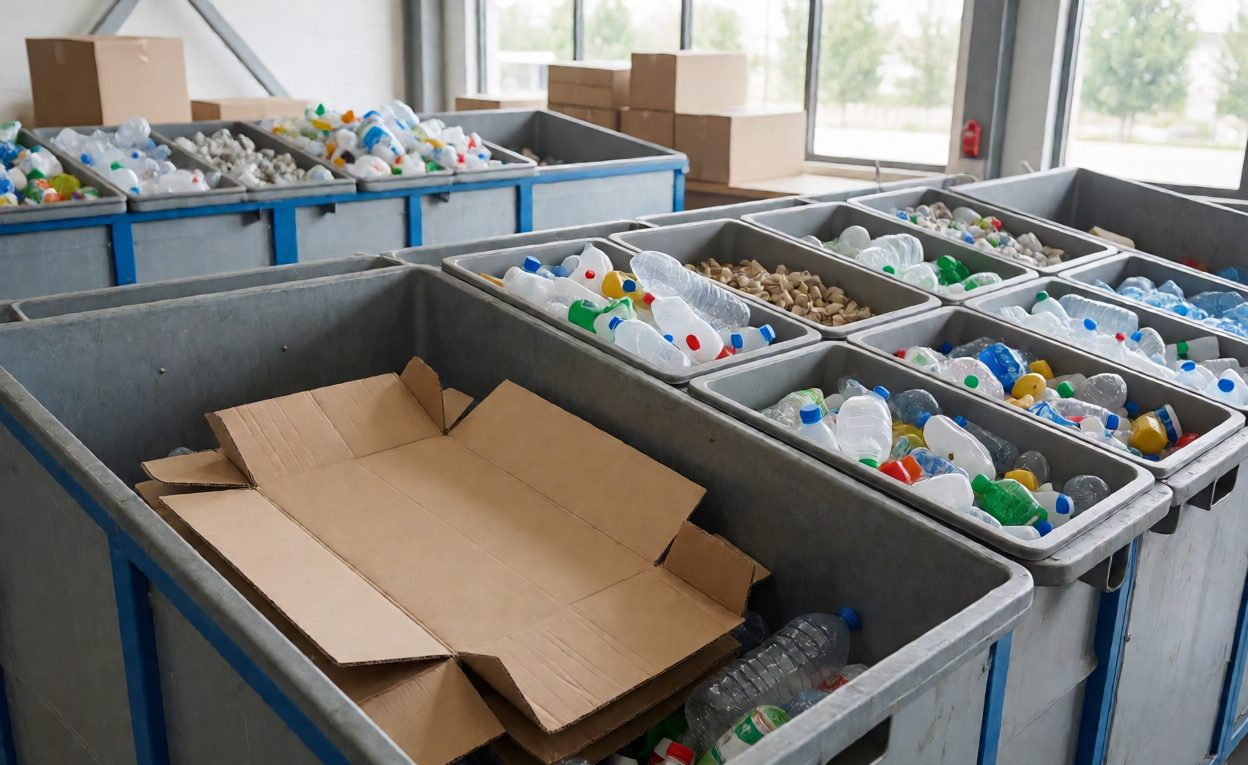
A second group is only slightly better. “Recyclable” is meaningless where the local collection system does not accept the material, and it should say which part is recyclable and where. “Biodegradable” without a timeframe and conditions is untestable. “Compostable” implies industrial composting capacity that most disposal systems do not have, so the honest version names the standard met and the facility type. “Plastic-free” fails as soon as a single internal component, coating or adhesive contains polymer, which in toys is common.
Material Claims in Toy Terms
Toy buyers meet these questions in specific materials. Wood carries forest-origin expectations, so a claim needs certified fibre with chain-of-custody documentation tied to the supplier rather than a general assurance. Textiles and plush raise recycled-fibre and dye questions, where a percentage claim must be traceable to the fibre supplier’s own records. Bioplastics are frequently presented as a sustainability answer when their end-of-life performance depends entirely on industrial facilities, so the claim should describe the material, not imply a disposal outcome. Recycled plastics in moulded parts need a stated percentage and a document showing the source stream, and they interact with mechanical and chemical safety testing because a different input stream changes what the laboratory certified.
Coatings, paints and surface treatments deserve their own line. A water-based claim for paint is a formulation statement, and it has to match the formulation in the bill of materials that the compliance file relies on. Where a sustainability change alters the material, the safety report has to be revisited, because testing follows the material rather than the marketing.
Technical Background
The practice being policed is greenwashing, meaning environmental claims that overstate or misrepresent actual performance. The method used to test whether a claim holds across a product’s life is life-cycle assessment, which is why broad claims are so hard to support. Materials marketed as substitutes are typically bioplastic, whose environmental benefit depends on disposal infrastructure rather than on the label alone.
The File to Hold Before Printing
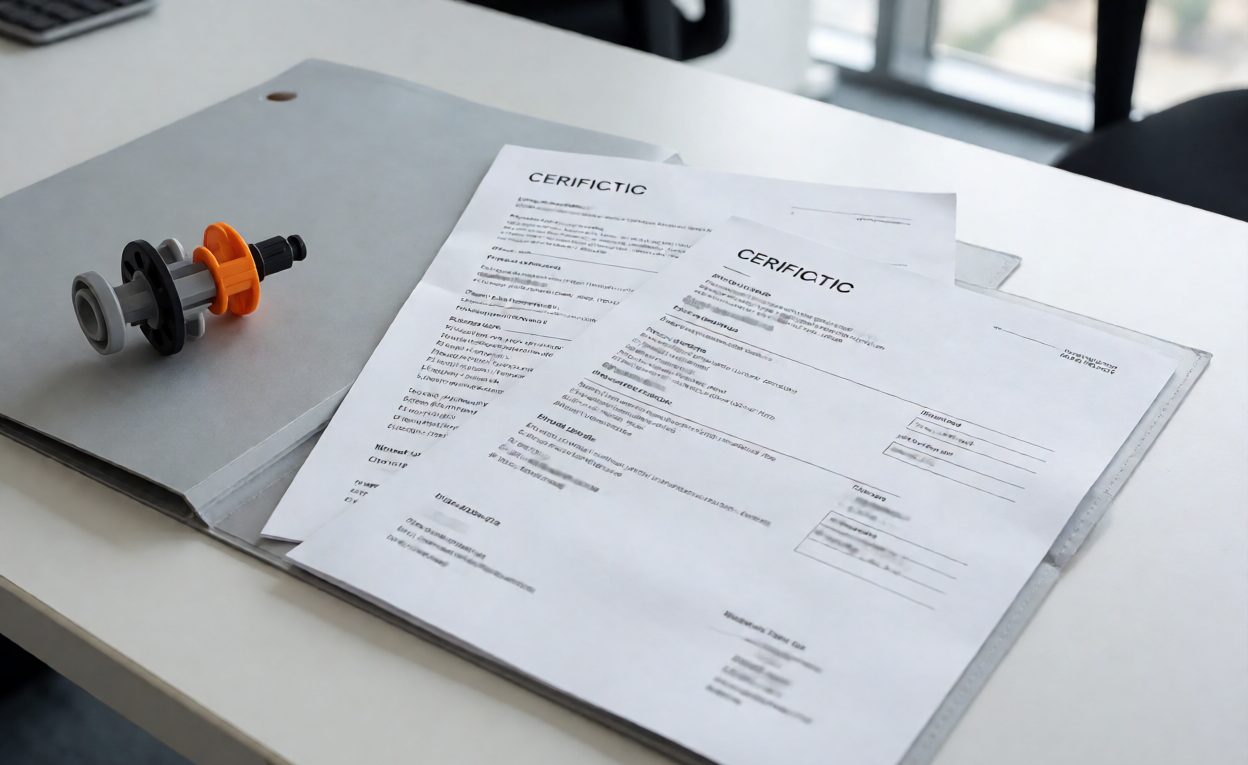
Build a claim file per product line: the exact wording on the artwork, the evidence for each element of that wording, the issuing body and certificate numbers, the dates, and the batch range the documents cover. When a retailer asks or a complaint arrives, the answer is a lookup. When the claim cannot be supported, change the artwork before production, because changing it after is a relabelling exercise across stock already in a warehouse.
It is risky. Unqualified environmental terms imply an overall benefit and are the most common trigger for complaints, so deletion is usually cheaper than substantiation.
Is recyclable enough on its own?
Only where collection exists in the market of sale. Name the part that is recyclable and the system that accepts it.
Do bioplastic toys count as sustainable?
Not automatically. Their benefit depends on industrial composting or recycling facilities that most disposal systems do not have.
Who holds the substantiation file?
The brand or importer placing the product on the market, even when the evidence originates with the factory or material supplier.
Does a forest certificate cover the whole pack?
No. It covers certified fibre with a documented chain of custody, not print inks, laminates, adhesives or plastic components.
Can a supplier certificate replace my own evidence?
It is an input, not a substitute. You must be able to link it to the specific product, batch and wording you publish.
What happens when a claim is challenged?
Enforcement bodies ask for the evidence first. Without it the outcome is withdrawal or relabelling of stock, plus the retailer relationship cost.
OEM & ODM TOY MANUFACTURING
Ready to Develop Your Custom Toy Line?
10+ years factory experience • EN71, ASTM F963 & CPC compliance support • Flexible MOQ for toy brands, importers, and Amazon sellers.