Age grading looks like a marketing decision and is actually a documented safety one. The grade on the box determines which safety requirements apply, which markets the toy can be sold into, and what warnings must appear. A grade assigned by guesswork is a grade that cannot be defended, and when a market authority questions it, the importer – not the factory – usually answers.
Key takeaways
Age grading looks like a marketing decision and is actually a documented safety one.
The grade on the box determines which safety requirements apply, which markets the toy can be sold into, and what warnings must appear.
Age grading is supported by test data and a documented rationale, and that documentation should travel with the product rather than living only in the factory’s records.
The buyer’s protection is the evidence file. Age grading is supported by test data and a documented rationale, and that documentation should travel with the product rather than living only in the factory’s records.
How Grading Is Determined
Age grading is driven by the product’s characteristics rather than by the intended customer. Small parts, magnets, cords, projectiles, chemical content and the skills a toy requires all feed the decision. A toy with a removable small part is graded for the age at which that part is no longer a choking consideration, regardless of how appealing it is to younger children.
Physical characteristics – small parts, sharp points, cords, projectiles and magnets each carry their own age implications.
Chemical content – material restrictions can force a higher grade even where the design is simple.
Skill requirements – the age at which a child can operate the toy as intended, supported by testing.
Documentation – the rationale and the test results that support the assigned grade.
What the Labelling Must Show
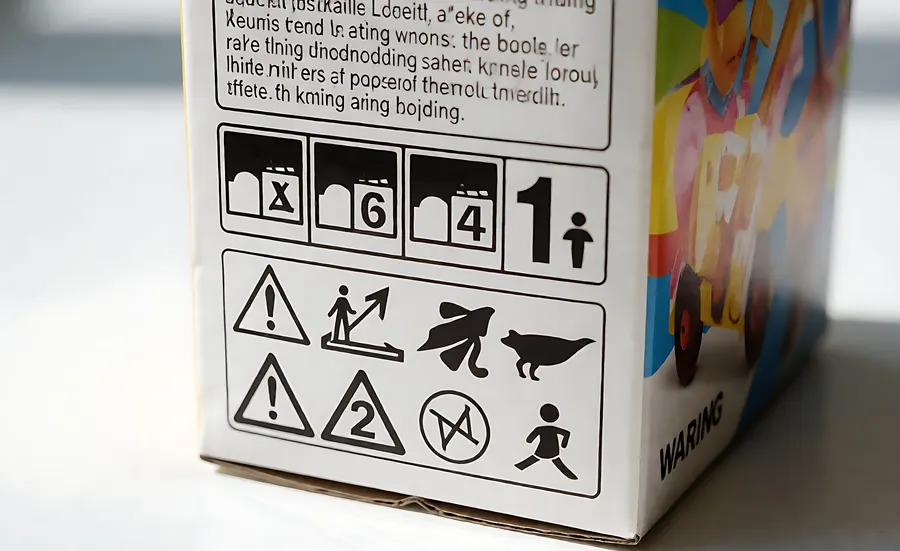
The grade drives the label, and the label is what a market authority inspects. Requirements differ by market but the pattern is consistent: the age grade, the appropriate warnings, and identification of the responsible party. Missing or inconsistent labelling is one of the most common findings in toy import inspections, and it is almost always a documentation failure rather than a product one.
Where a range shares a design with different variants – colours, sizes, pack counts – each variant needs its own grading and labelling record, because a change in size can change the small-parts assessment.
Records the Buyer Should Keep
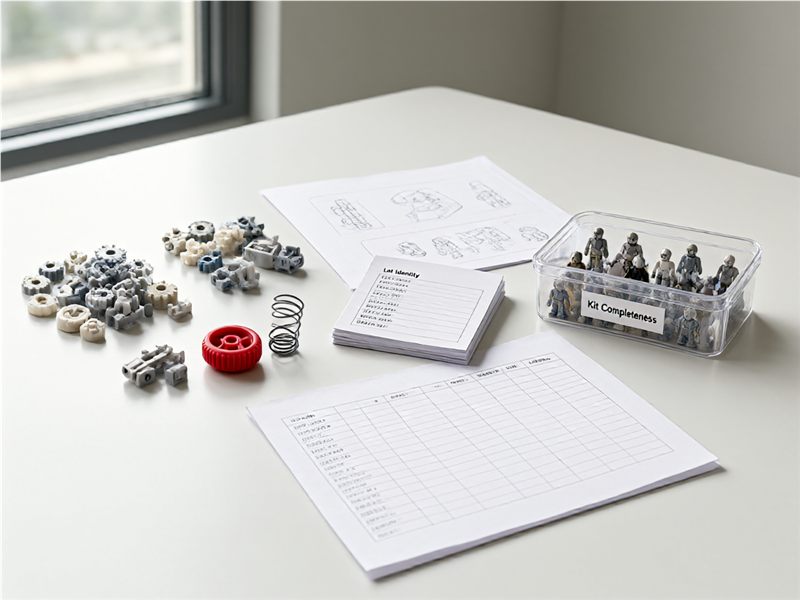
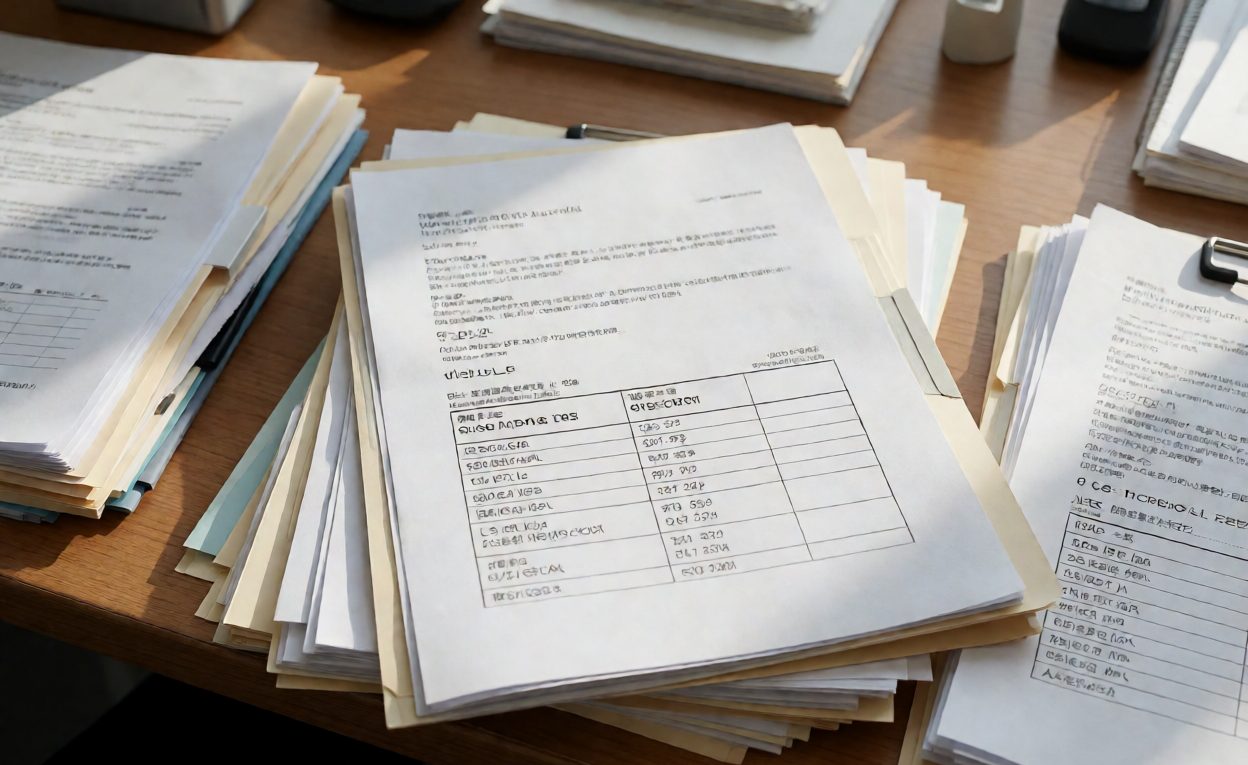
The file that protects an importer is short: the grading rationale, the test reports behind it, the label artwork as applied, and a record of which SKU each applies to. Keep them per SKU rather than per range, and keep the version history, because a grade revised for one market must not be silently applied to another.
The toy safety documentation that supports grading is usually already in existence at the factory; the buyer’s task is to obtain it and keep it aligned with what was actually shipped. Misalignment between the file and the shipment is worse than no file, because it suggests the documentation was assembled rather than used.
Defending a Grade
When a grade is questioned, the answer is the rationale and the data. A documented decision survives scrutiny; an undocumented one is revised by whoever asks, and the revision usually comes with a relabelling cost. Importers who keep the file aligned with shipments respond to a query with evidence; those who do not respond with a recall programme.
One more practical point: keep the label artwork as applied rather than as approved. The approved artwork and the artwork that reached the carton are not always the same, and it is the applied version that a market authority will compare against the file. A single retained sample carton per shipment settles that comparison permanently.
Where a range is sold into several markets, label the records by market rather than by product alone. A product labelling record that covers one market is incomplete for another, and the incompleteness usually surfaces at the worst possible moment.
It is also worth keeping the grading rationale in plain language alongside the test data. A rationale that explains why a particular characteristic drove the grade is far more useful in a discussion with a market authority than a file of test results that requires interpretation, and it is the explanation that usually resolves a query quickly.
Where a grade changes for a market, record the change and its date. Grades revised without a record are grades that get quietly applied to the wrong market later, and the certification trail that supports each market’s grade is what an inspector will ask to see.
The factory or brand owner assigns it, supported by test data and a documented rationale. The importer is responsible for holding that evidence in the destination market.
Can the same toy have different grades by market?
Yes. Requirements differ, and a grade valid in one market may be insufficient in another. Keep the records per market rather than assuming one grade travels.
Does a size variant need its own grade?
Often yes, because size affects small-parts assessment. Treat each SKU as needing its own record unless the rationale explicitly covers the range.
What is the most common labelling failure?
Inconsistency between the artwork shipped and the artwork on file, usually from a late design change that updated one and not the other.
How long should grading records be kept?
For the product’s market life plus the applicable limitation period. Records are cheapest to keep and most expensive to reconstruct.
What happens if a grade is questioned?
The documented rationale and data answer it. Without them the grade is revised by the authority, usually with relabelling cost attached.
Should the buyer verify labels at receipt?
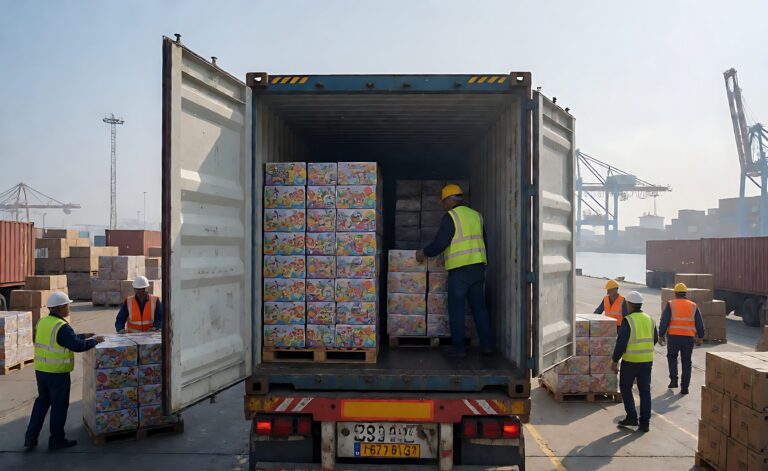
Yes, against the file. A single check per shipment catches artwork mismatches before the goods reach a marketplace or a shelf.
OEM & ODM TOY MANUFACTURING
Ready to Develop Your Custom Toy Line?
10+ years factory experience • EN71, ASTM F963 & CPC compliance support • Flexible MOQ for toy brands, importers, and Amazon sellers.