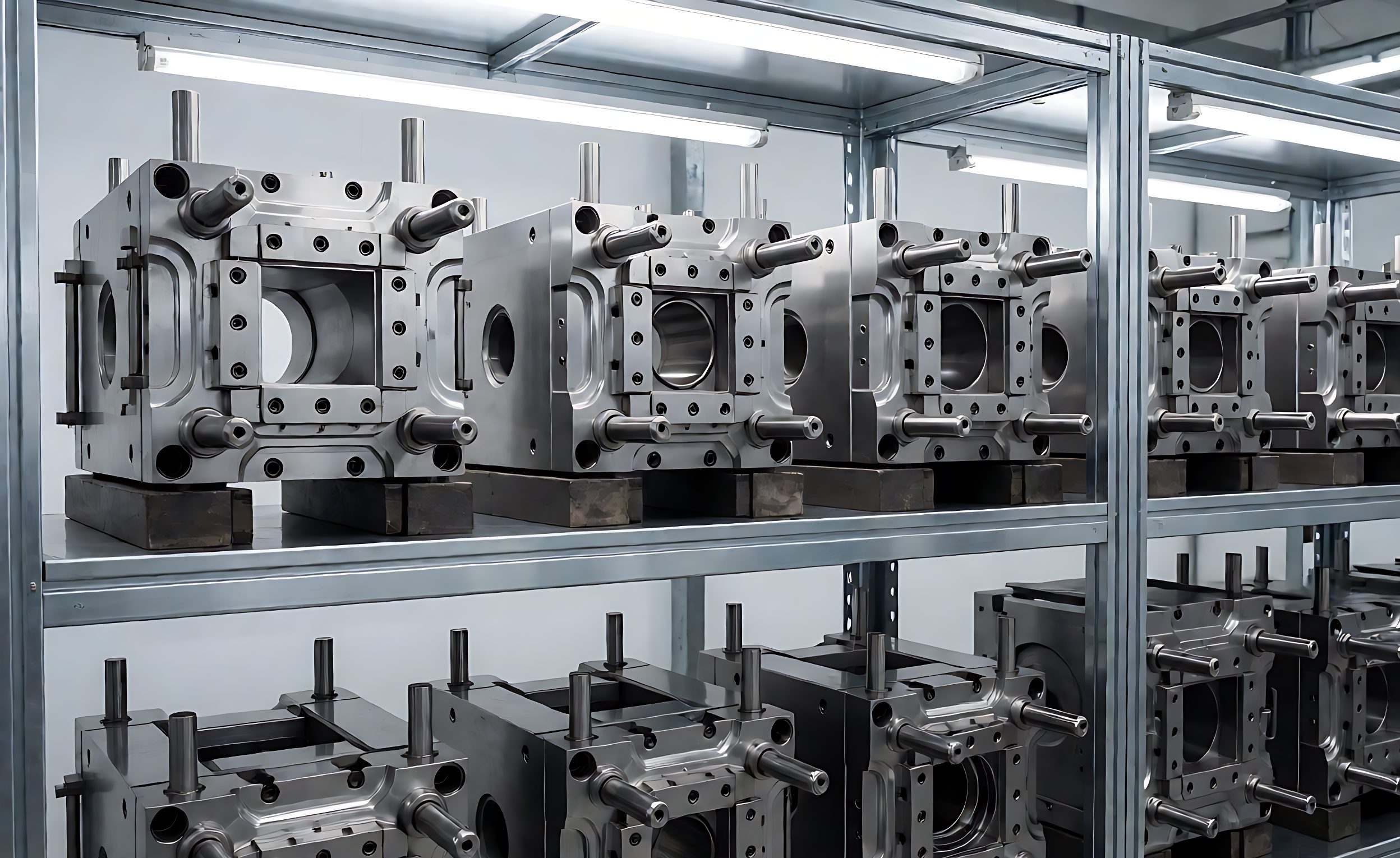
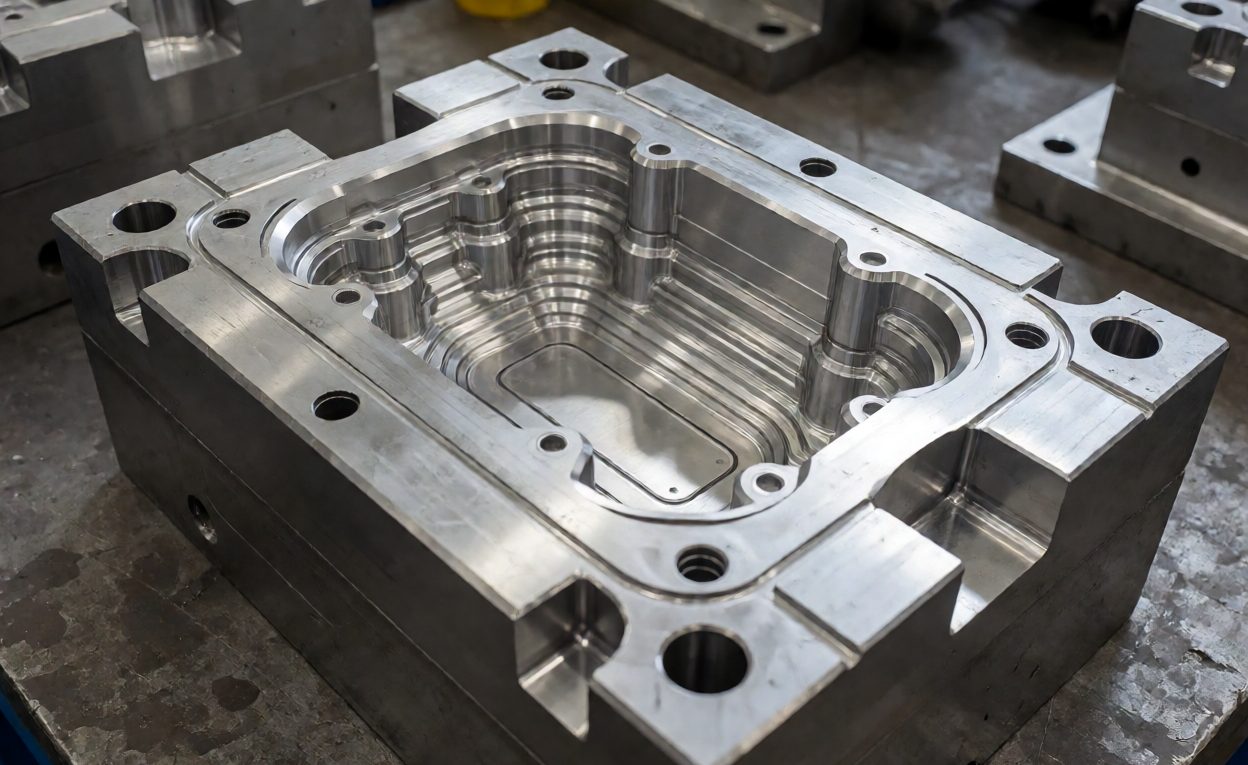
Custom toy tooling is rarely paid as a separate line. It is amortized: the factory adds a fixed amount to the unit price until the tool cost is recovered, and the buyer pays it inside the product price. That structure is convenient and it hides a risk – if volumes fall short of the amortization assumption, the buyer either pays a balance, continues paying an inflated unit price, or renegotiates from a weak position.
Key takeaways
It is amortized: the factory adds a fixed amount to the unit price until the tool cost is recovered, and the buyer pays it inside the product price.
Options include paying the balance, continuing the surcharge until recovery, or capping the buyer’s exposure.
A buyer who funds tooling should own it, and ownership should be documented rather than assumed.
The protection is to make the amortization explicit. A buyer who knows the tool cost, the assumed volume, the per-unit surcharge and the recovery schedule can see when the tool is paid off and negotiate the surcharge away at that point. A buyer who does not is paying it indefinitely.
How the Maths Works
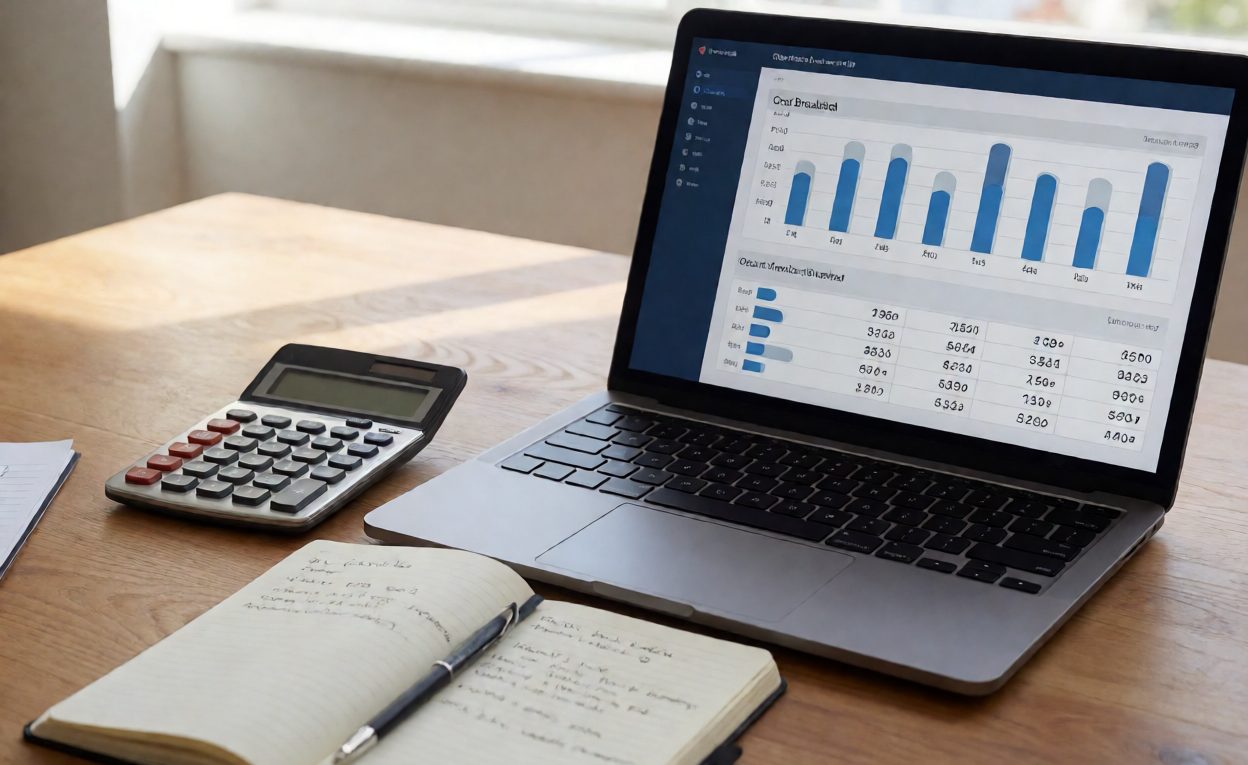
Amortization is simple division. Tool cost divided by the expected lifetime volume gives the surcharge per unit, added to the ex-works price until the tool cost is recovered. The assumptions that matter are the volume and the lifetime, because both determine whether the surcharge is small or large.
Tool cost – the actual tooling investment, which should be a stated figure rather than an allowance.
Assumed volume – the quantity over which recovery is planned; too low and the surcharge is large, too high and recovery takes years.
Recovery schedule – how the surcharge steps down or ends once the tool is paid off.
Ownership – who owns the tool, and on what terms it is released.
The amortization structure that works for both parties is a surcharge with a stated end point, because an open-ended surcharge is a permanent margin the factory keeps.
The Shortfall Problem
Shortfall is the common case. A tool amortized over a projected volume that is not achieved leaves an unrecovered balance, and the factory will ask for it. The negotiation that follows is predictable: the factory wants the balance, the buyer wants the surcharge continued or waived, and neither has an agreed answer because the order never specified one.
Specifying the shortfall treatment in advance is the whole solution. Options include paying the balance, continuing the surcharge until recovery, or capping the buyer’s exposure. Any of the three is workable; the failure is leaving it unstated.
Ownership and Release
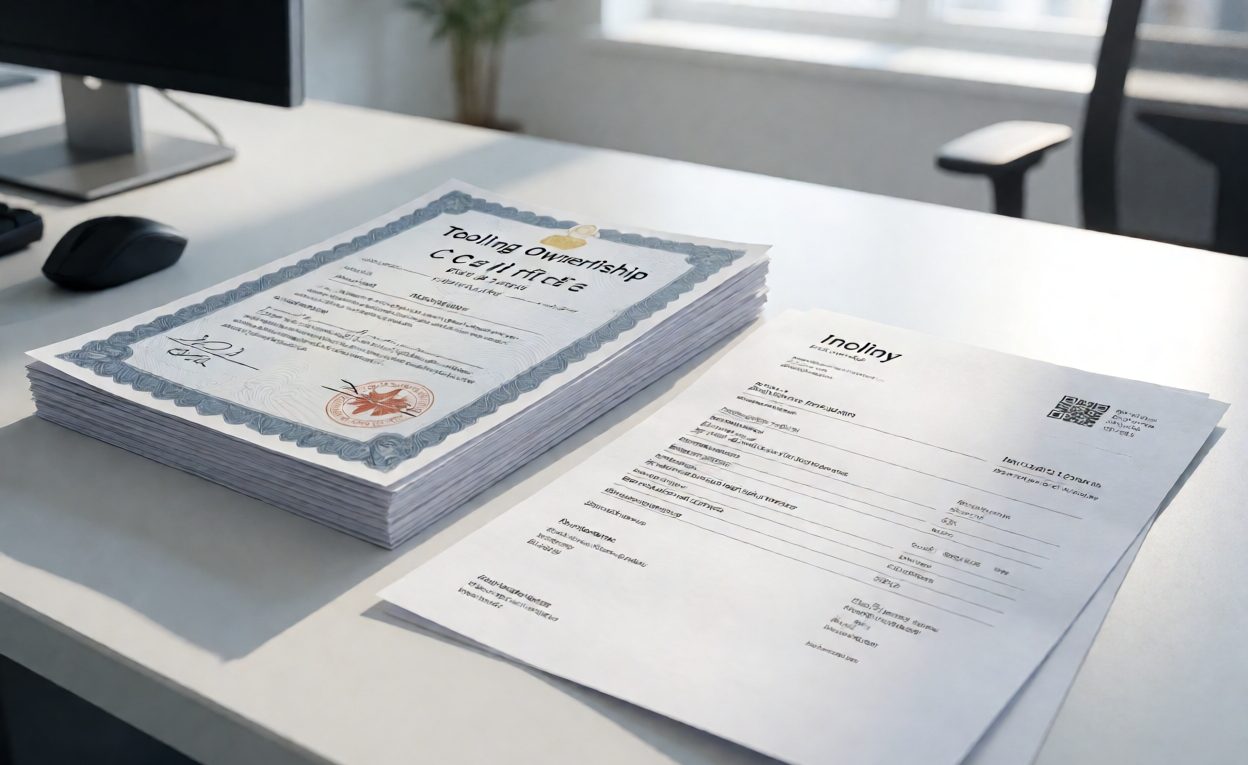
A buyer who funds tooling should own it, and ownership should be documented rather than assumed. The document should state the tool cost, the buyer’s ownership, the factory’s right to use it for the buyer’s orders only, and the conditions under which it is released – typically payment in full and a reasonable notice period.
Release terms matter more than ownership language, because a tool the factory will not release is not an asset. Where a buyer may move production, the release clause should specify condition, packaging and timing rather than leaving it to goodwill.
Reading a Quoted Price
When a quote includes an amortized surcharge, ask for the split: the ex-works unit price and the tooling surcharge separately. The split reveals whether the surcharge is small and temporary or large and permanent, and it is the number that determines whether the unit price will fall after the tool is paid off. A quote that will not separate the two is telling you the surcharge is not temporary.
One further protection is the amortization statement in the order itself: tool cost, assumed volume, surcharge per unit, cumulative quantity at which the surcharge ends, and the shortfall treatment. Five lines, and they convert an invisible cost into a managed one. Without them the capital expenditure the buyer funded becomes a permanent price the buyer cannot see.
It is also worth asking whether the tool can be used for other products. A tool designed with interchangeable inserts or a family of variants recovers its cost over more volume, which lowers the surcharge per unit for everyone, and that conversation is far easier to have before the tool is cut than after.
Finally, keep the amortization statement with the commercial file rather than the technical one. It is a commercial term with a technical input, and the people who need to check whether the surcharge has ended are the ones reviewing the price, not the ones reviewing the tool.
Where several tools serve one range, list them separately in the order. Tool costs lumped together recover at different rates and end at different points, and a bill of materials that shows the tooling line per component makes the recovery schedule checkable by anyone.
It preserves cash flow but usually costs more in total, because the surcharge continues until recovery and recovery depends on hitting the assumed volume.
What if volumes fall short?
The shortfall treatment should have been specified in the order. Without it, expect to negotiate a balance payment or a continued surcharge.
How do I know when a tool is paid off?
Only if the order stated the tool cost, the assumed volume and the surcharge. With those three figures the recovery point is arithmetic.
Should the buyer own the tooling?
If the buyer funds it, yes – and the release conditions should be written down, because ownership without release rights is not an asset.
Can a factory refuse to release a tool?
Where the order is silent, effectively yes. Where release conditions are specified, refusal is a breach, which is why the clause is worth negotiating.
What is a fair amortization period?
Long enough that the surcharge is small relative to the unit price, and short enough that recovery completes within the product’s expected market life.
Should the surcharge end automatically?
Yes, at a stated cumulative quantity. An automatic end point is what converts the surcharge from a permanent margin into a recovery mechanism.
OEM & ODM TOY MANUFACTURING
Ready to Develop Your Custom Toy Line?
10+ years factory experience • EN71, ASTM F963 & CPC compliance support • Flexible MOQ for toy brands, importers, and Amazon sellers.