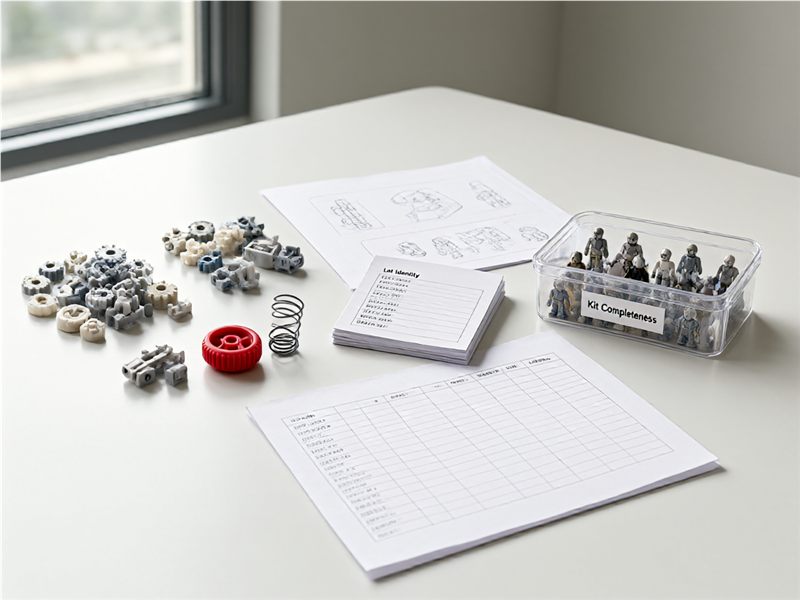
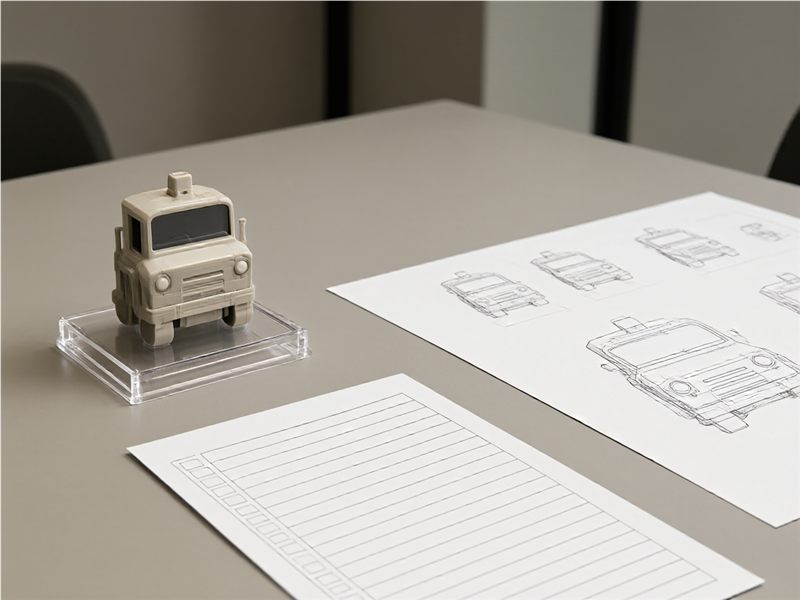
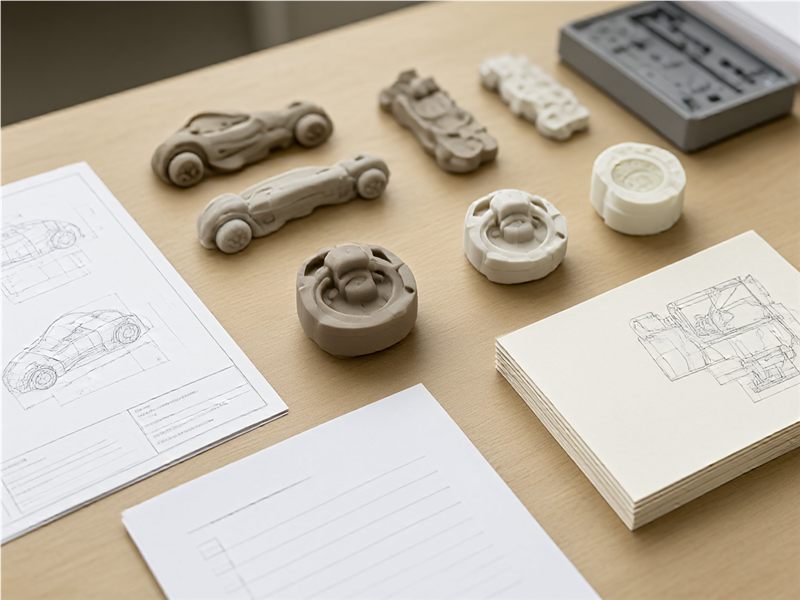
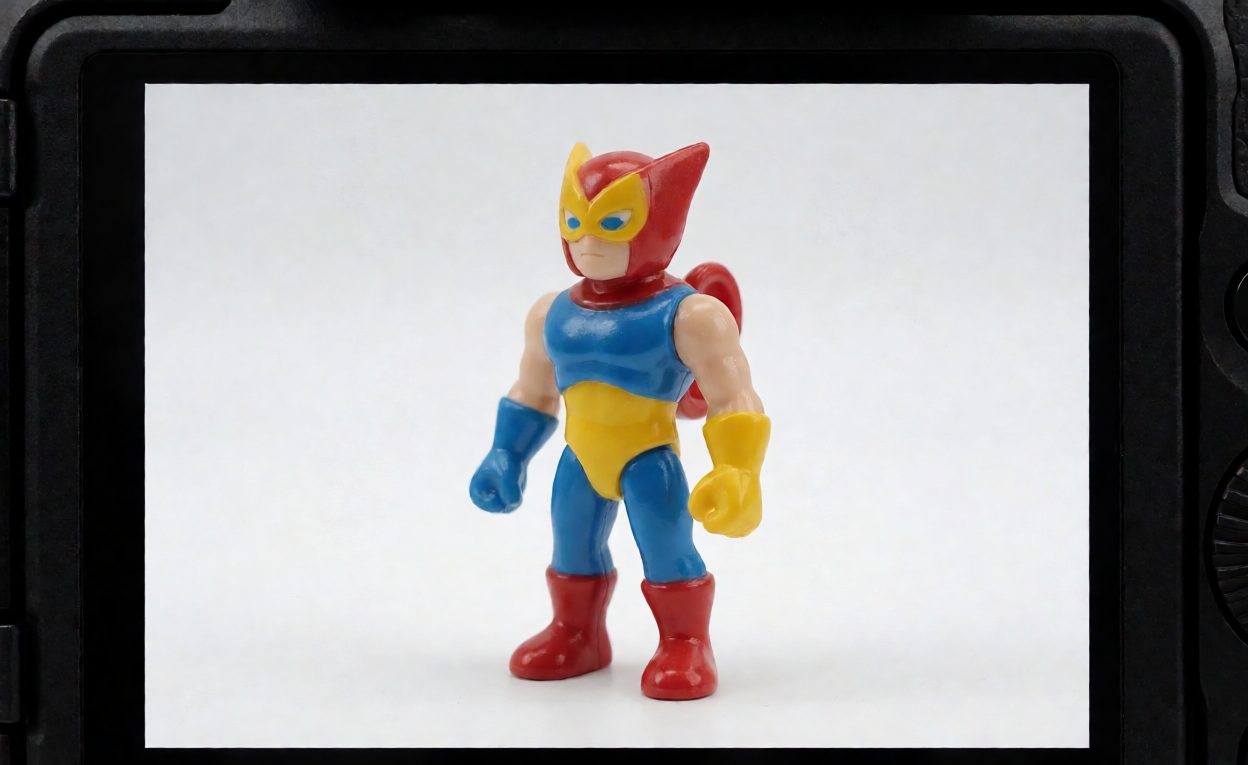
For toy wholesalers selling through marketplaces and their own stores, the asset package is as much a product feature as the product itself. A listing with three clean images and a short function clip converts differently from one with a single supplier photograph, and the difference compounds across a whole catalogue. The cost of producing those assets properly is trivial compared with the revenue they influence.
Key takeaways
For toy wholesalers selling through marketplaces and their own stores, the asset package is as much a product feature as the product itself.
The buyer’s leverage is that assets are cheapest to produce at the factory, where the product, the lighting and the people who know it are all in one place.
Asking for the asset package as part of the order costs almost nothing and removes the most common reason a good product under-sells online.
The buyer’s leverage is that assets are cheapest to produce at the factory, where the product, the lighting and the people who know it are all in one place. Asking for the asset package as part of the order costs almost nothing and removes the most common reason a good product under-sells online.
The Minimum Asset Set
Every toy listing needs a small set of images that answer the questions a buyer asks before clicking add to cart. The set is short enough to specify precisely, and precision is what gets it delivered rather than debated.
Hero shot – the product alone on a clean background, correctly exposed, filling the frame.
Scale shot – the product with a hand or a familiar object so size is unambiguous.
Function shot – the product in use or demonstrating the mechanism that justifies the price.
Detail shot – close-up of the material, finish or safety feature that distinguishes it.
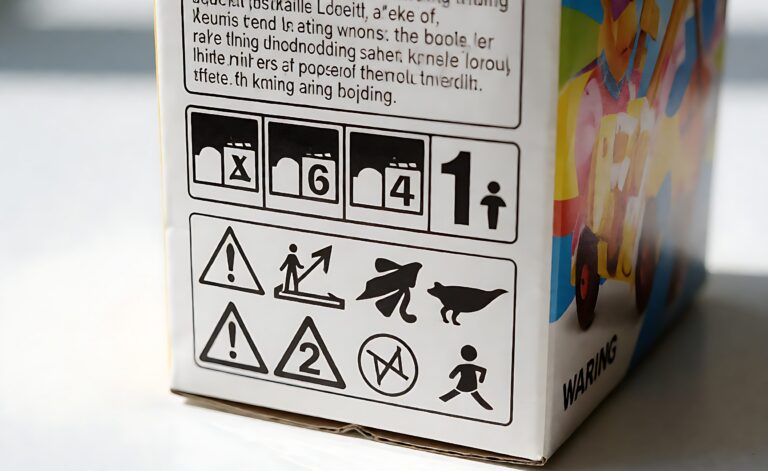
Pack shot – the retail packaging, which is what the buyer actually receives.
The product photography standard that matters is consistency: the same background, lighting and angle across the range, because inconsistent sets make a catalogue look unreliable even when individual shots are good.
What Video Adds
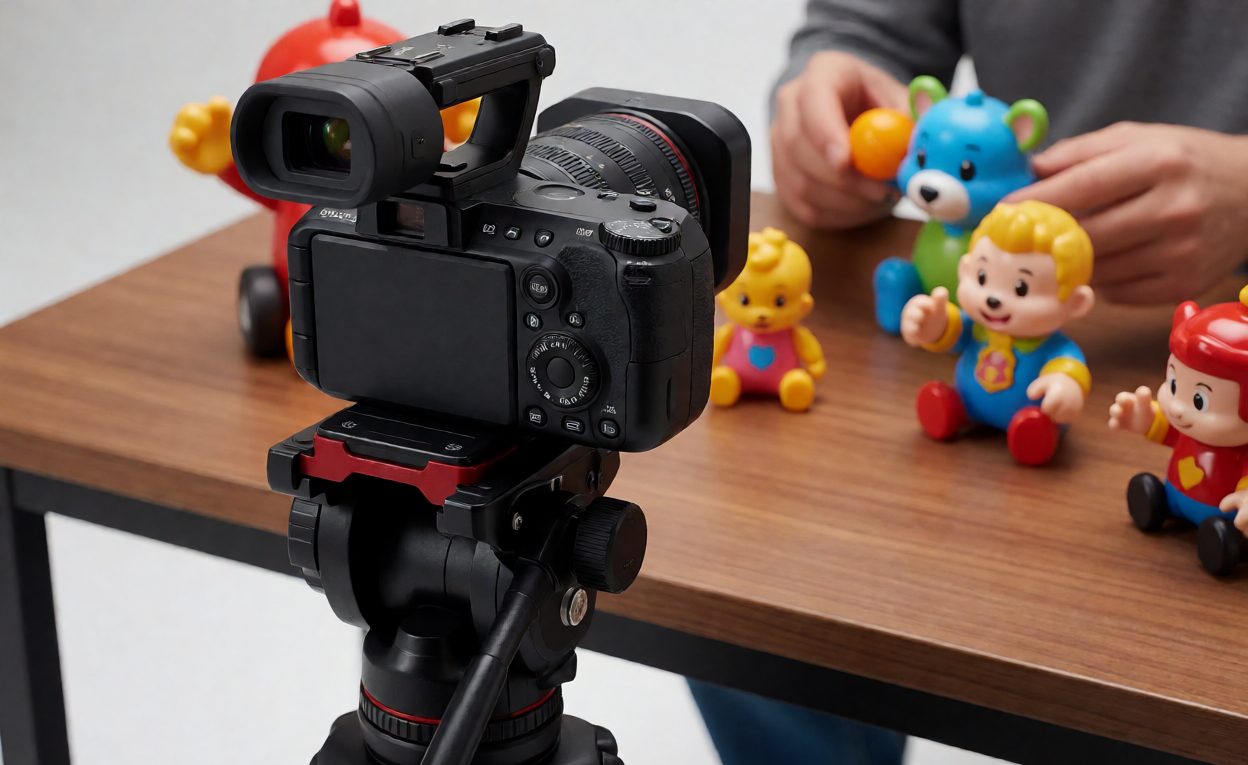
A short clip answers the question a photograph cannot: does it work, and does it work the way I expect? For toys with a mechanism – a wind-up, a magnetic connection, a stacking feature – fifteen seconds of function is worth more than any description. For plush and simple items, video matters less and the image set carries the listing.
Specify the clip in seconds rather than asking for “a video”. A fifteen-second silent function clip, shot vertically for short-form channels and horizontally for listings, is a deliverable a factory can produce; “some video” is not.
Specifying Assets in the Order
The asset requirement belongs in the purchase specification, with the same status as the product itself. State the number of images, the shots required, the background standard, the resolution, the file format and the delivery date. State also who owns the assets – in most wholesale arrangements the buyer retains the right to use and edit them, and that should be explicit rather than assumed.
Where the factory already produces images for its own catalogue, the ask is smaller: permission to use the existing assets, plus the few additional shots the buyer’s channels need. That version of the request is even easier to get agreed.
Quality Control on Assets
Check assets against the specification on receipt, exactly as you would inspect product. The common failures are colour drift against the actual product, reflections on glossy surfaces, and packaging shots that show a superseded design. Each is cheap to fix at the factory and expensive to fix after listing.
There is also a channel-specific overlay worth planning for. Marketplace requirements differ on background, image count and minimum resolution, and a set built for one channel usually needs re-cropping for another. Shooting slightly wider than the requirement leaves room to crop without reshooting, which is the cheapest insurance available in asset production.
Finally, store assets against the SKU rather than in a shared folder. A folder organised by photoshoot date is a folder nobody can find anything in six months later, and the digital asset discipline that matters is retrieval, not storage.
A short note on file naming, because it saves more time than any other habit: SKU, shot type and version in the filename, applied consistently. An asset library that can be searched by SKU is an asset library that gets used, and one that cannot becomes a folder of files nobody opens twice.
It is also worth agreeing who pays for re-shoots. Where the buyer requests additional shots beyond the specified set, the cost allocation should be stated in the order rather than discovered later, and the service level expectation for asset delivery belongs in the same clause as the product lead time.
Five is the practical minimum: hero, scale, function, detail and pack. Fewer leaves questions unanswered; more has diminishing returns.
Should the factory or the buyer shoot the assets?
Usually the factory, because the product and the lighting are there. The buyer’s role is to specify the shots precisely and check them against the specification.
Who owns the asset rights?
Negotiate it explicitly. Most buyers want the right to use, edit and re-crop; most factories are happy to grant that when it is asked for in the order.
What resolution is enough?
Enough for the largest channel requirement, which is usually a zoomable main image. Ask for the original files rather than channel-compressed versions.
Is video worth specifying for every SKU?
For items with a mechanism yes; for simple plush and basic items the image set carries the listing and video adds little.
How do I check colour accuracy in assets?
Compare against a physical sample under the same lighting. Colour drift between asset and product is the most common and most damaging asset failure.
Can existing factory assets be reused?
Often yes, with permission and a few additional shots. This is the cheapest route and the easiest to get agreed in the order.
OEM & ODM TOY MANUFACTURING
Ready to Develop Your Custom Toy Line?
10+ years factory experience • EN71, ASTM F963 & CPC compliance support • Flexible MOQ for toy brands, importers, and Amazon sellers.