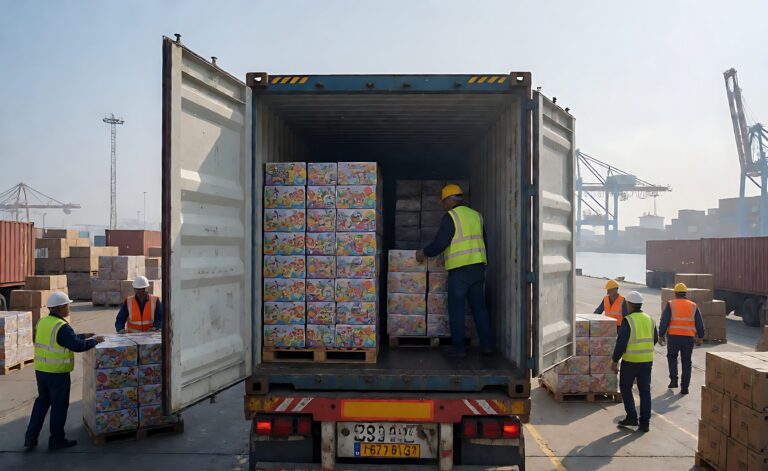
Toy importers meet product liability insurance first as a commercial obstacle and only later as a financial instrument. A retailer’s vendor onboarding asks for a certificate with a named limit before anyone looks at the product itself, and programmes that cannot produce one do not reach the sample stage. That is the practical reason cover exists in the file. The better reason is the one that arrives unexpectedly: an injury allegation, a claim letter, and the discovery that defending it costs real money whether or not the toy was defective.
Key takeaways
Toy importers meet product liability insurance first as a commercial obstacle and only later as a financial instrument.
When a claim arrives, the insurer’s first move is to test whether the product was placed on the market responsibly.
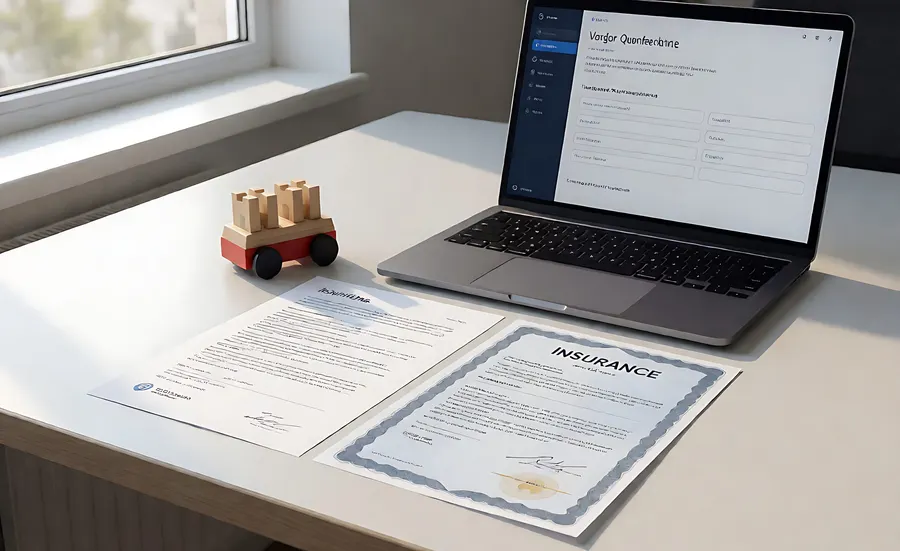
Check the certificate against the retailer’s wording before the onboarding deadline rather than on the day.
Cover is not a substitute for compliance. It pays defence costs and settlements; it does not make a non-compliant product compliant, and an insurer that finds the underlying documentation missing will argue about the claim rather than settle it.
What the Policy Is Actually Responding To
Product liability responds to three things, and buyers should read the policy for each:
Bodily injury or property damage alleged to have been caused by a product you placed on the market, including the legal cost of defending the allegation even where it is unfounded.
Defence costs, which in practice are often the largest single component of a small claim and the reason even modest limits have value.
Settlements and judgements, up to the stated limit, usually expressed per occurrence and in aggregate for the policy year.
The trigger is an allegation, not a proven defect. That distinction matters commercially: a claim that is ultimately dismissed still consumed legal time, and a policy that responds to allegations rather than to findings is the one that helps.
The Specification Lines That Decide Whether a Claim Pays
Four terms determine whether a policy is useful when it is needed, and each is negotiable at placement and impossible to fix after a claim:
Limits: per occurrence and aggregate. Retail programmes state a minimum, commonly one to two million in the destination currency, and their figure should be the floor rather than a target.
Territory and jurisdiction: cover must name the markets where the goods are actually sold. A policy written for one country does not follow a shipment to another.
Products and operations covered: the declared product schedule must describe toys as sold, including categories added later, because an undeclared line is an uncovered line.
Recall and withdrawal costs: usually excluded from standard product liability and available by endorsement. Without it, the cost of pulling stock is entirely yours.
Ask also who is insured. Retailer vendor terms frequently require the retailer to be named as an additional insured, and a certificate that cannot be amended to include them will be rejected at onboarding regardless of the limit.
Documents the Insurer Will Ask For
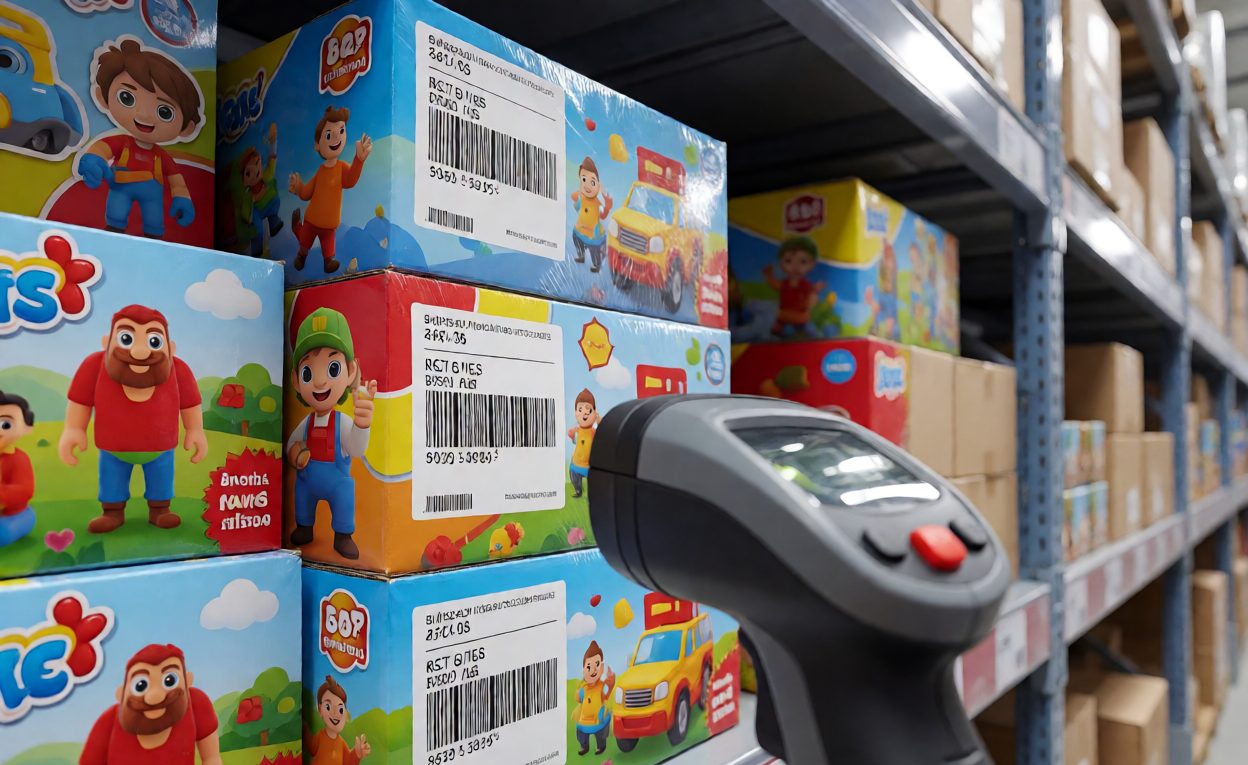
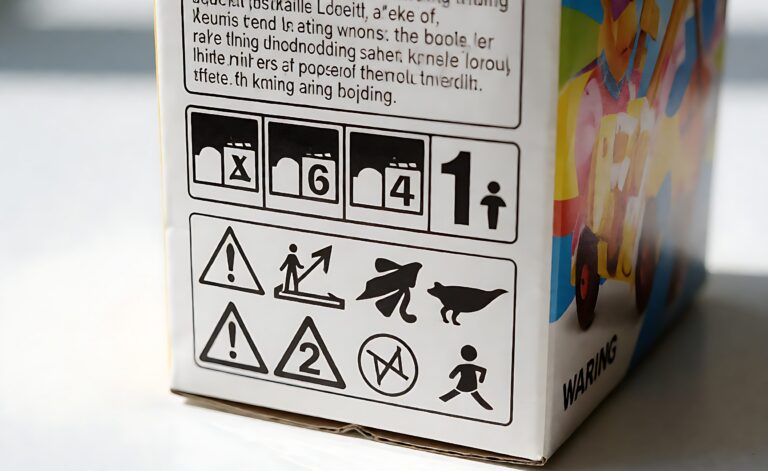
When a claim arrives, the insurer’s first move is to test whether the product was placed on the market responsibly. The file they ask for is the compliance file: test reports against the applicable standards, the declaration of conformity, traceability records linking the specific unit to a batch and a production date, the age grading and warning label evidence, and the complaint history for that SKU. Importers who can produce these within days see claims assessed on facts; those who cannot see them assessed on suspicion, and suspicion is expensive.
Complaint records deserve more attention than they usually get. A pattern of minor complaints that was never escalated becomes, after an injury, evidence that the risk was known. Log every complaint, investigate the ones involving breakage or small parts, and date the actions taken.
Technical Background
The exposure being insured is product liability, under which the party placing a product on the market can be held responsible for harm it causes. In several jurisdictions that responsibility does not require proof of negligence, operating instead as strict liability, which is why documentation rather than intent decides outcomes. The operational event that follows a defect finding is a product recall, whose costs are usually outside standard cover and need their own arrangement.
Buying It Without Overpaying
Give the broker a real picture: categories imported, annual volume by market, destination countries, retail customers and their stated requirements, and the safety testing already in place. Under-declaring volume produces a cheap premium and a difficult renewal; over-declaring produces an unnecessary one. Where several related lines are imported, consolidate them into a single programme so limits and documentation sit in one place.
Check the certificate against the retailer’s wording before the onboarding deadline rather than on the day. Small mismatches – a missing additional-insured clause, a territory that omits one country, a limit stated in the wrong currency – are the most common reason a submission bounces, and each bounce costs a week of a listing calendar.