The shelf review was booked for half an hour. A buyer for a regional convenience chain had printed the proposed small-fidget list and spread it across the table: thumb spinners, push bubbles, sliders, twist cubes, clickers, textured keyrings, each in several colours. The category manager wanted facings for all of them. The merchandising lead wanted the list cut to a handful that a part-time clerk could describe without reading a card. Two hours in, the argument had stalled, because nobody had agreed on what made one small fidget different from another.
That meeting is the real starting point for a compact assortment. The constraint is not supply; it is explanation. A short shelf can only carry items whose differences survive a ten-second conversation. Add more SKUs that fail that test and you do not add choice — you divide the same attention across more boxes.
Why a small-fidget list grows faster than a shelf can hold
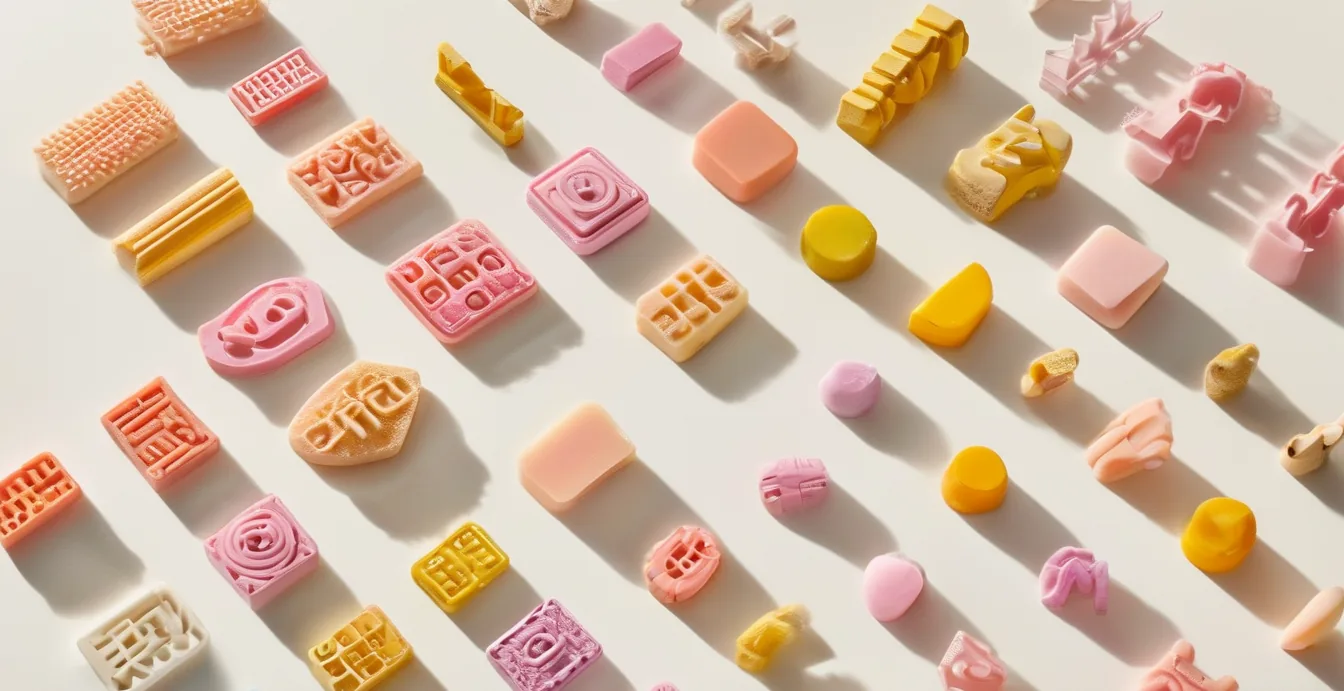
SKU creep in this category rarely comes from a deliberate decision to add a new toy. It comes from the way suppliers present ranges. One mould in six colours arrives on the quote as six lines. Two approved shapes return as four, split into a large and a small. A list that began with four items becomes twenty with very little real difference between them.
The buyer in that meeting was not wrong to want choice. She was reacting to a sheet that treated every colourway as a separate decision. Separate the idea of a product family from the idea of a stock-keeping unit and the list shortens without the shelf getting poorer. The families are the play patterns you want to offer; the SKUs are the items you actually buy and count.
The distinction matters because in small fidgets the physical differences are slight and the functional differences are large. Two items can share a shell and a price yet answer completely different impulses. Two others can arrive in different shells and quietly compete for the same shopper. Sorting by what the hands do — not what the mould looks like — is the only reliable way to tell which is which.
Sort the list by motion, not by mould
Build the taxonomy around interaction. Every small fidget rewards a specific motion, and that motion is what a shopper is buying. Start a working list with the verbs: spin, push, slide, twist, click, squeeze. Within the fidget sensory range, those verbs map to product types that can share a shelf without cannibalising each other.
A thumb spinner rewards sustained rotation. A push-bubble pad rewards repeated, directional pressing. A slider or toggle rewards linear movement with a clear start and end. A twist cube rewards the search for the next face. A clicker or fidget pen rewards short, quiet actuation that fits under a desk. Each is a different answer to “what do my hands want to do right now?” A colour variant of the same item is not a new answer.
Organise the list this way and redundancy becomes obvious. Three spinners in different colours are one entry with three variants. A slider and a toggle that both move left to right are probably one entry too. You are not trying to own every object in the category; you are trying to own one clear option for each motion a customer might seek.
A selection grid that settles the planogram argument
The table below is the working document that ends the dispute. It gives each SKU role one interaction, one target user, and one packaging form. No two rows share an interaction — deliberately. If a proposed item cannot be placed without duplicating an existing motion, it does not belong in a compact range.
SKU role on shelf
Interaction
Target user
Packaging form
Traffic builder
Sustained spin (thumb spinner)
Desk workers, older teens
Blister card, single unit, pegged
Impulse item
Repeated push (bubble pad)
Families, younger shoppers
Header polybag, pegged near till
Core mover
Linear slide (track or toggle)
Older kids, commuters
Window carton, shelf-standing
Margin item
Multi-face twist (puzzle cube)
Teens, puzzle-minded adults
Printed box with unboxing panels
Stationery crossover
Short click (fidget pen or clicker)
Students, office buyers
Sleeve or hang card beside pens
Tactile add-on
Texture rubbing (keyring)
Younger kids, gift add-on
Bulk bag with header, counter bin
Each row implies a position too. Pegged items belong on a hook strip, cartons can stand, and counter bins catch the add-on purchase. Deciding pack and position together shifts the conversation from how many facings to allocate to where each item belongs.
Give every SKU a one-sentence job
The merchandising lead had a fair test: a clerk should explain an item in one sentence. Turn it into a written rule. For every approved SKU, write one sentence that names the motion and the person it suits. “This one spins for people who want something to do with one hand at a desk.” “This one you push, and kids like the sound.” If the sentence needs a second clause to separate the item from its neighbour, the SKU is doing two jobs and should be reconsidered.
Post those sentences where staff can see them and repeat them in onboarding. A short script beats a feature list at the point of sale. Shoppers rarely want a specification; they want help choosing between two similar-looking objects. A motion-based sentence gives that help without making a clerk memorise product names.
The sentence also becomes the acceptance test at the next review. If you cannot still write it six months after launch — because the pack changed or the supplier quietly altered the mechanism — something in the program has drifted. That is a cheap, effective guard against silent change.
Set price bands as tiers, not a race to the bottom
A compact range still needs price architecture, or it collapses into a single “cheapest wins” message. Think in three tiers instead of individual price points. The entry tier earns the glance and the first purchase: a simple single-motion item in a light pack. The core tier is what most shoppers leave with — a sturdier mechanism, a clearer pack, the broadest appeal. The top tier justifies itself through a more complex interaction or a gift-ready box.
Keep the tiers close enough that a shopper can move up without a debate, but far enough apart that the difference is visible in the hand. The mistake is filling each tier with several near-identical items. One entry, one core, one top item per motion is plenty for a short shelf. Beyond that, the bands stop signalling quality and start signalling clutter.
Brief the supplier on tiers in terms of construction and pack, not a target number invented in a meeting. Ask what changes between a lighter build and a heavier one, which components drive the difference, and where the pack adds cost. That produces a defensible structure; a handed-down price list produces a range that looks uniform and disappoints at the till.
Four ways a compact range overlaps itself
Overlap rarely announces itself. It arrives through four doors. First, the colourway-as-SKU habit: one mould, several colours, several lines. Second, the same motion in a different shell — a spinner sold as a disc and the same spinner sold as a ring are still one interaction. Third, pack-size confusion, where a single and a two-pack take separate facings while serving the same shopper. Fourth, seasonal versus core, where a limited edition sits beside the permanent item and splits its sell-through.
Each door has the same fix: compare items by the job they do, not by how they read on a quote. If two entries would earn the same one-sentence job, merge them. The discipline of planning SKU count against assortment depth helps here — it forces you to state how much variety the shelf absorbs before each new item takes sales from its neighbour rather than from a competitor.
Do not confuse a shorter list with a thinner range. Six motions well covered is deeper than twenty entries repeating three motions. Coverage is measured by the verbs in your taxonomy, not by the rows in a spreadsheet.
Let the pack do half the explaining
On a convenience shelf the pack is often the only salesperson present. A header polybag lets a shopper see the mechanism and reads as cheap, quick, try it. A window carton protects a more complex item and supports a shelf-standing display. A printed box with interior panels turns a twist cube into a small gift. A sleeve beside the pens tells a student that the fidget pen belongs in the stationery basket, not the toy aisle.
Match the pack to the role, and check that it does not hide the interaction. A slider sealed in an opaque box cannot demonstrate movement; a push bubble in a thick blister may be impossible to press through. Where the pack blocks the demonstration, the clerk’s sentence has to work harder, and the item has probably been given the wrong form.
Label content belongs in this decision as well. Age information, warnings, and supplier identity all have to fit the chosen format and the markets you serve. Settle that before artwork is final, because a pack designed for one language rarely absorbs another without a redesign.
Keep one controlled record per item
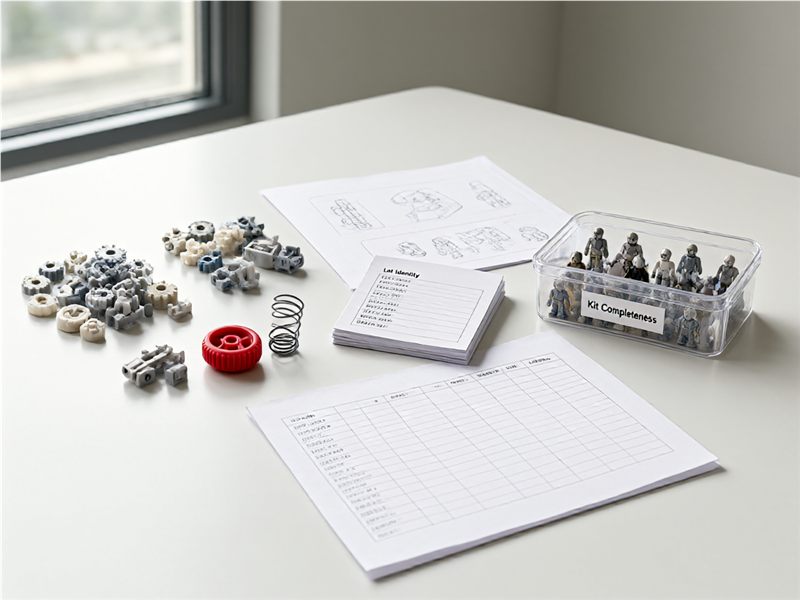
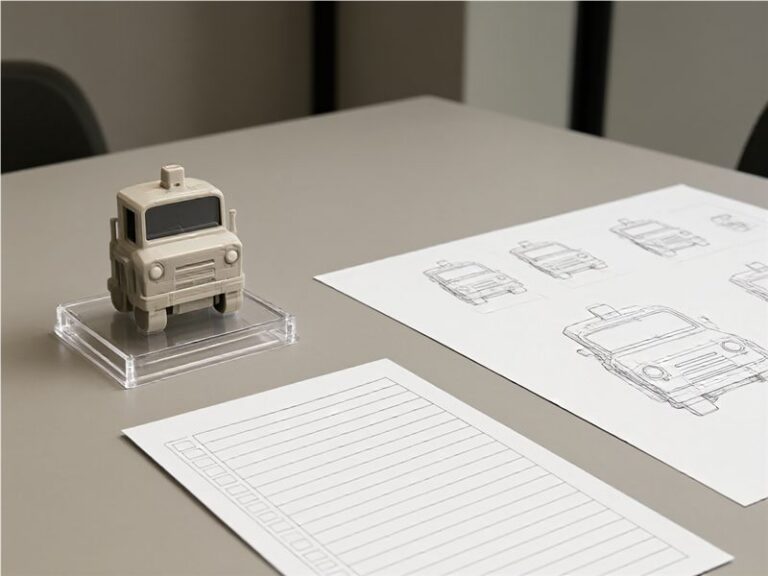
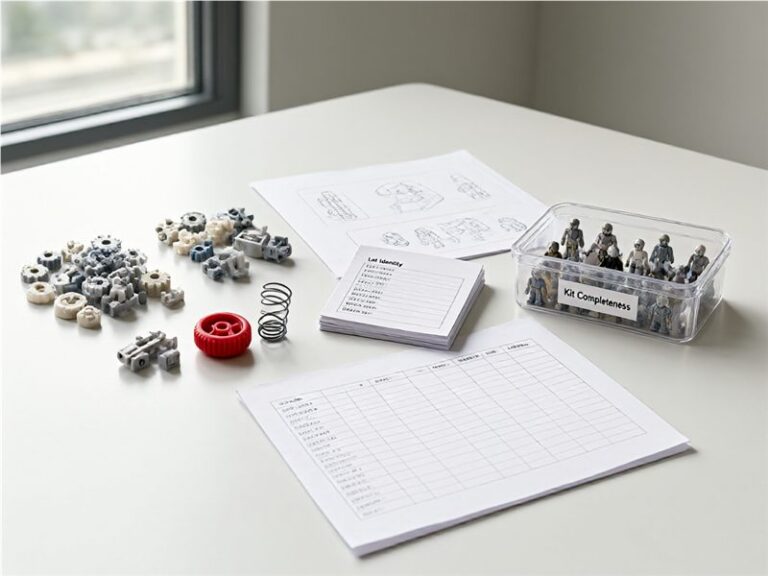
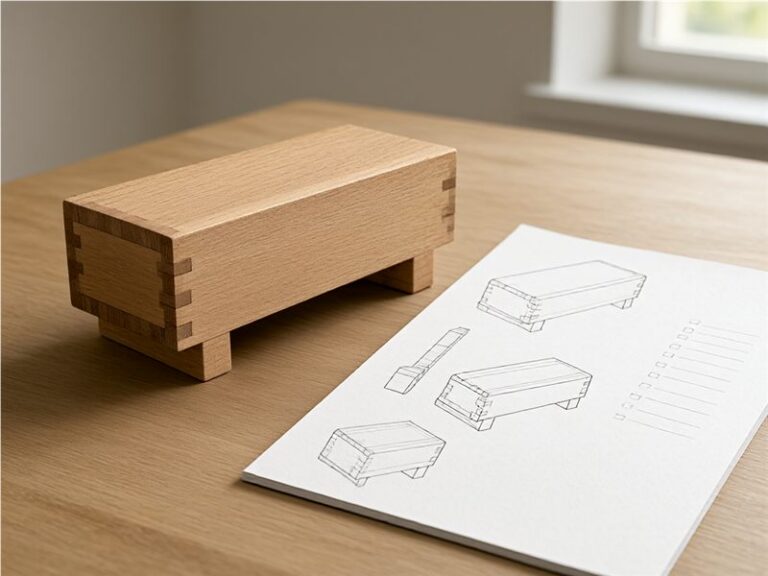
Once the list is cut, every approved item needs a short record — not a brochure, a data sheet. It should carry the parent item name, the variants, unit and retail-pack dimensions, carton count, packaging form, and the age-grading decision. The point is not paperwork for its own sake; it is giving the next person who touches the program one place to confirm what was actually approved. A current data sheet for variants, dimensions and packaging lets a buyer answer a floor question in minutes.
Variants are where this earns its keep. Record the base colour, the alternates, and whether each carries its own minimum. Note which variants ship in a mixed carton and which must be ordered alone. A buyer reconstructing this from email threads will eventually approve the wrong item. Keep the record alive too: when a supplier changes a component or pack, update it before the next order, not after the next complaint. An out-of-date sheet is worse than none, because it lends false confidence.
Compliance notes that travel with the program
Small items attract small-item questions. Age grading comes first: decide who the item is for, record the reasoning, and make sure the pack carries the decision. The reasoning matters as much as the label, since it is what you rely on when a retailer or inspector asks why an item was placed in a particular aisle. File that reasoning with the data sheet, not in someone’s memory.
Labels and supporting documents must travel with the goods rather than follow them later. If you ship into more than one market, confirm what each destination expects before the first order and keep the documents assembled per item, not per shipment. One missing file can hold a compact program at the border, and a short list has no spare SKU to ship around the problem.
Transit conditions deserve a place too. Small fidgets in mixed cartons can be crushed or rubbed against harder components on a long container journey. Agree on an inspection standard that names the defects that matter here — deformed shells, scuffed faces, failed mechanisms — so a shipment is judged against something written down. Inspectors working from a clear standard protect a compact range especially well, because there is nowhere to hide a bad batch.
Review the shelf, not just the buy
Cutting the list is the start of a cycle, not the end of the work. Set a review point after a full selling period and judge each SKU against the sentence you wrote for it. Is it still delivering that job? Does the pack still protect and demonstrate the mechanism? Has a variant quietly become the real seller while the parent struggles?
Measure by facing where you can, not only by total units. A high unit count on a heavily stocked item can hide weak performance per facing, while a slower item on a prime hook may be earning its place. Bring store staff into the review: they hear the questions shoppers ask and know which explanations still work. When an item is cut, archive its record rather than deleting it. Questions about a past shipment surface long after the shelf changes, and the archive stops the next buyer from re-approving a SKU that was removed for a reason.
Questions buyers ask before cutting the list
How many small fidget SKUs should a convenience store carry?
Size the range to the facings you can actually give it. One SKU per distinct motion — spin, push, slide, twist, click — is a sensible starting point; add a second only where a real price tier or audience calls for it. Six facings covering six motions are easier to explain than twelve facings that repeat three motions in different colors. Revisit the count after a full selling cycle using sell-through by facing, not total units.
How do I stop colorways from inflating my SKU count?
Treat a colorway as a variant of one SKU unless it earns its own facing. Record the parent item and its variants on one product data sheet, listing the base color, the alternates, and the minimum for each. Ask the supplier to quote the family rather than pricing each color separately, so a re-order does not restart the negotiation. If a colorway cannot hold shelf space on its own, fold it into the parent and stop listing it as a separate line.
What should staff say when a customer asks how two fidgets differ?
Give staff a motion-based script, not a feature list. A workable line is: “This one spins, this one you push, this one slides, and this one clicks — they each keep hands busy in a different way.” Post that sentence at the shelf and repeat it during onboarding. Avoid descriptions built on color or character, which do not help a shopper choose between two similar objects. If a clerk cannot finish the sentence in one breath, the SKU is probably redundant and belongs in the next review.
What records should I keep for a compact fidget program?
Keep a one-page record per SKU: the approved sample reference, the motion category, the target user, the packaging form, the age-grading decision with its supporting reasoning, and the carton dimensions. File the label artwork and any test reports beside it. When you cut a SKU, archive rather than delete the record — questions about a past shipment can surface long after the shelf has changed. The file also turns the next buyer’s review into an afternoon’s work instead of a week of emails.
OEM & ODM TOY MANUFACTURING
Ready to Develop Your Custom Toy Line?
10+ years factory experience • EN71, ASTM F963 & CPC compliance support • Flexible MOQ for toy brands, importers, and Amazon sellers.