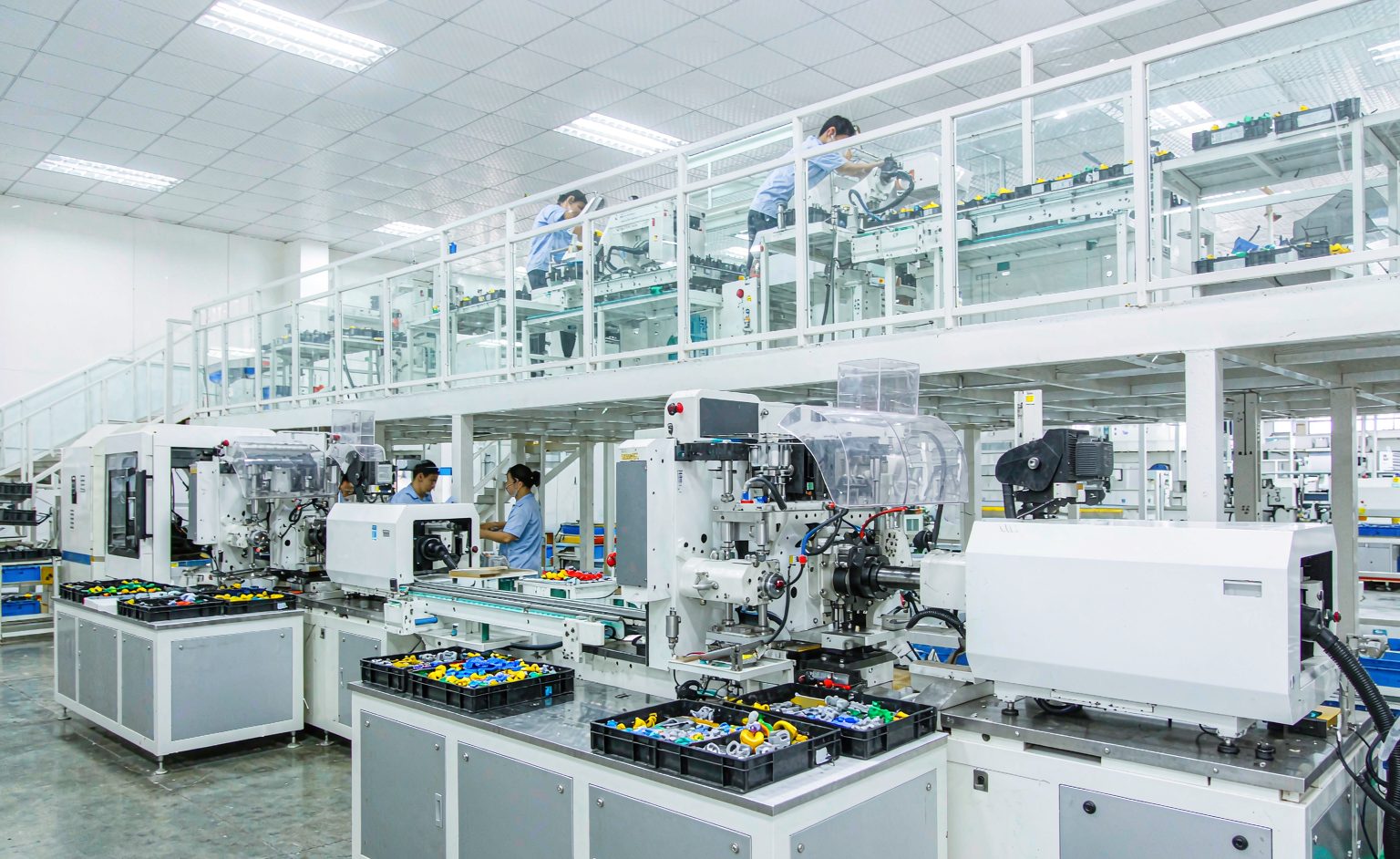
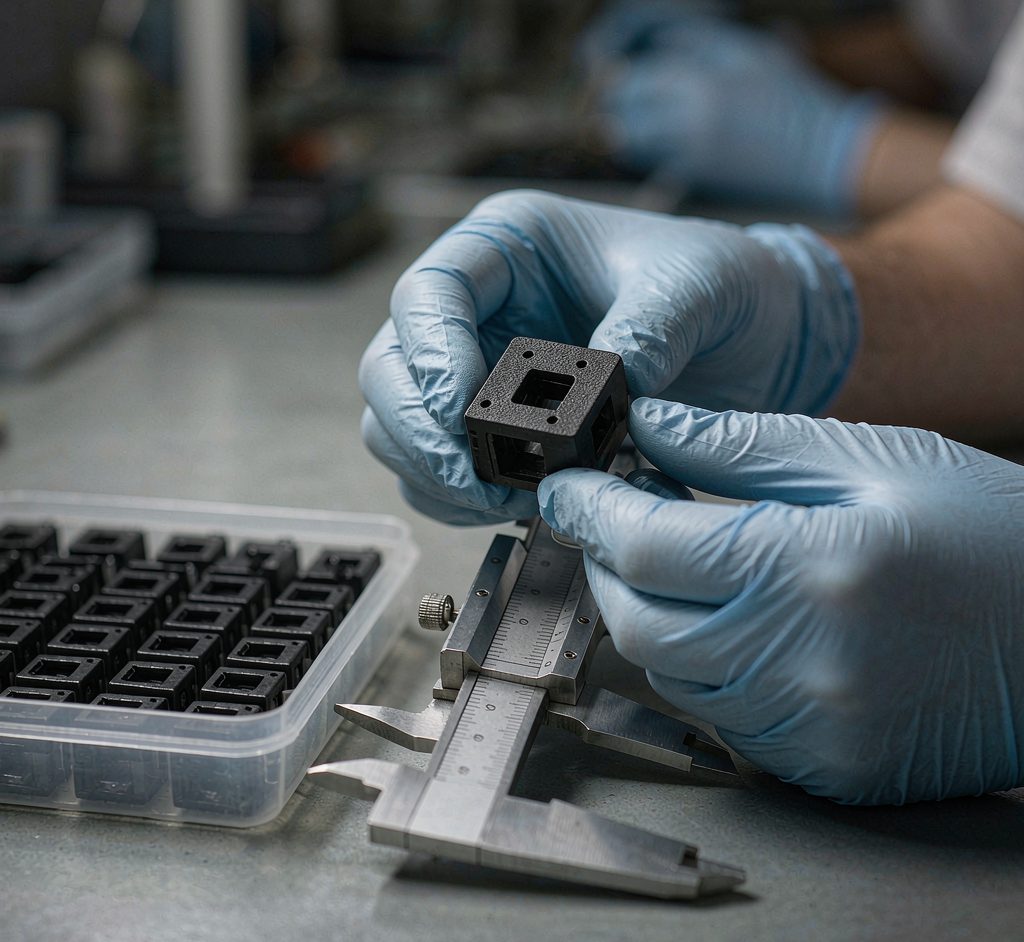
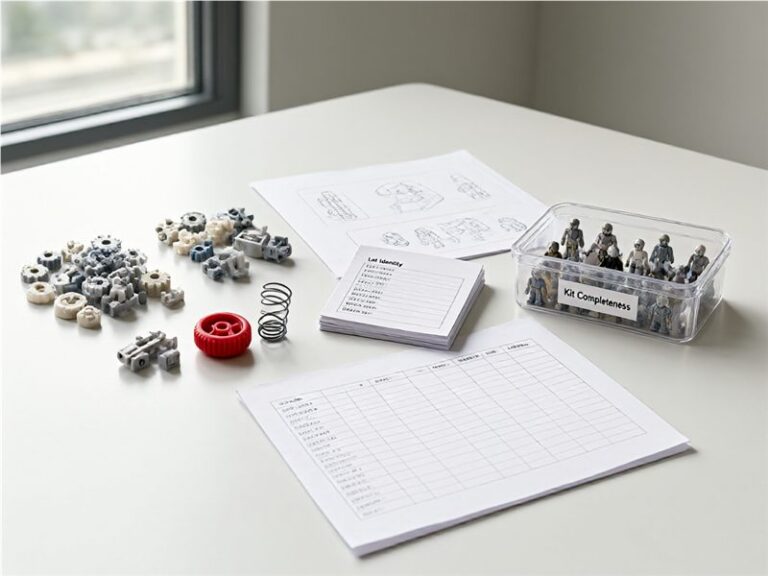
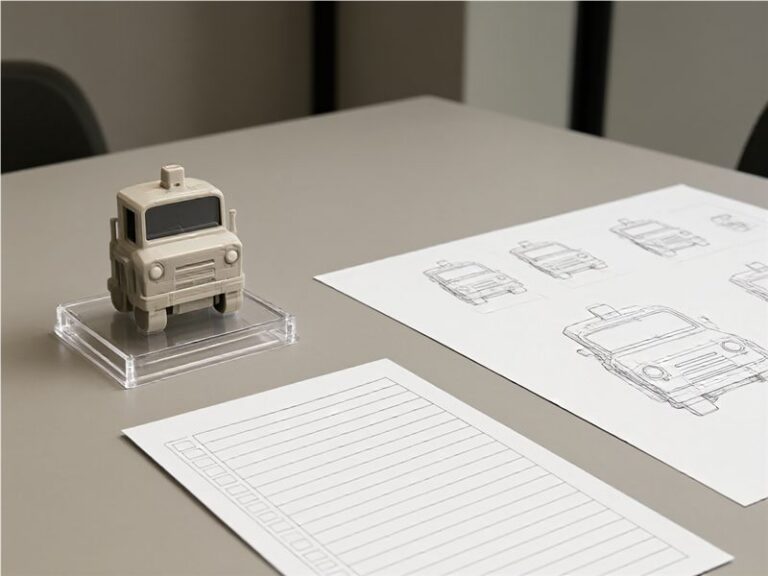
A factory audit is the highest-value hour a toy buyer can spend before a bulk order, and it is wasted when it is run as a tour. The point is not to see the facility; it is to verify twelve specific things that decide whether the order will be compliant, repeatable and delivered. This checklist is written for buyers who may be auditing remotely or on a short visit.
Key takeaways
A factory audit is the highest-value hour a toy buyer can spend before a bulk order, and it is wasted when it is run as a tour.
The point is not to see the facility; it is to verify twelve specific things that decide whether the order will be compliant, repeatable and delivered.
The first three checks establish whether you are dealing with a manufacturer you can hold to an order.
Key Takeaways
Audit for evidence, not impressions: every claim should have a document or a physical check behind it.
Confirm what is made in-house versus subcontracted — subcontracted steps are where control is lost.
Material control and traceability decide whether compliance documents mean anything.
QC records show whether quality is managed or inspected; look for trends, not just pass rates.
Capacity and changeover time decide whether your delivery date is real.
Company and Legal Standing
The first three checks establish whether you are dealing with a manufacturer you can hold to an order.
#
Check
Evidence to request
1
Business licence and legal entity
Licence matching the contracting entity and the factory address
2
Export and production scope
Whether the licence covers toy production and export
3
Factory vs trading company
Whether they own the line or buy from it
Check three is the one most often skipped. A trading company can be an excellent partner, but the audit questions change completely: you need to know which factory actually produces, and whether you can audit that factory. The sourcing model differences are discussed in our OEM and ODM sourcing guide.
Production and Process Control
The next four checks establish whether the factory can make your product repeatably.
#
Check
What good looks like
4
In-house vs subcontracted steps
A named list of which steps leave the building and who performs them
5
Material control and traceability
Incoming inspection records and batch traceability from resin to finished unit
6
Mould and tooling management
Mould register, maintenance schedule, and where your mould is stored
7
Process documentation
Written parameters per product, not technician memory
Material traceability is the check that most directly protects you. If the factory cannot trace which batch of resin went into which production run, its compliance documents are claims rather than evidence. Ask to follow one batch backwards from a finished unit — the exercise reveals more than any document. The specification framework that makes this traceable is in our kit specification guide.
Quality and Compliance Capability
The next three checks establish whether quality is managed or merely inspected.
#
Check
Evidence to request
8
Incoming, in-process and final inspection
Records for all three stages, with defect categories
9
Testing capability and lab relationship
In-house test equipment list and the accredited lab they use
Look for trends, not pass rates. A factory with a 98% pass rate and no defect categorisation is inspecting; one with a lower pass rate and a documented downward trend in a specific defect category is managing. The second is the better supplier. Document expectations for suppliers are covered in our supplier documents guide.
Capacity and Delivery
The final three checks establish whether the delivery date is real.
#
Check
What to establish
11
Capacity and current load
Whether the line can take your quantity in your window
12
Changeover time and MOQ logic
What a changeover costs in time, and which layer sets the minimum
Capacity claims should be tied to a schedule, not a statement. Ask what is on the line now and when your slot would start. A factory that answers with a schedule is planning; one that answers “no problem” is not. The MOQ structure behind the changeover question is covered in our private-label OEM guide.
Frequently Asked Questions
What is a toy factory audit?
A verification exercise covering licences, production control, material traceability, quality records and capacity, run before a bulk order to confirm the supplier can deliver a compliant, repeatable product.
What is the most important thing to check?
Material traceability. If a factory cannot trace which material batch went into which production run, its compliance documents are claims rather than evidence.
Can I audit a factory remotely?
Partly. Documents, licences and records can be verified remotely; material control, mould management and capacity are much harder to confirm without being on the floor.
What if production is subcontracted?
Identify which steps leave the building and who performs them, then extend the audit to those parties. Subcontracted steps are where process control is most often lost.
How do I tell a good QC system from a weak one?
Look for defect categorisation and closed-loop corrective action with trends over time. A high pass rate without categories means inspection, not management.
Should I require ISO 9001?
It is a useful signal of a documented quality system, but it is not a substitute for the twelve checks. A certified factory can still fail material traceability.
How do I verify capacity claims?
Ask what is on the line now and when your slot would start. A factory that answers with a schedule is planning; one that answers “no problem” is not.