The photograph in the ticket showed a cracked wheel, a strip of blue carpet and, in one corner, the edge of a printed batch label. That was everything we had. A parent had written a single line — the front wheel came off, can you send a new one — and the retailer who sold the set forwarded it without an order number. Nine days later the ticket was still open, not because the part was unavailable, but because nobody could say which wheel, from which version of the product, was being asked for. I was asked to design the service catalog that would have closed it in one reply.
What arrived in the ticket, and what did not
The attachment list was short: one phone photograph, no retailer order reference, no picture of the carton, no close-up of the marking on the underside. The agent on duty searched the catalogue by product name and got three visually similar wheels back, each tied to a different production revision. Sending the wrong one would have produced a second complaint and a second parcel, so the agent did the safe thing and asked for more information. The reply never came, and the ticket aged.
The root cause was structural. Our service catalogue was organised around the sellable product, not around the parts that fail. A wheel was a line of prose inside a product description rather than an item with its own identity. That forces customer service to translate a photograph into a natural-language guess, and every guess becomes a round trip. Nine days was not a slow agent; it was the predictable cost of a catalogue with no addressable part rows.
Reading a part from a photograph
A photograph settles some questions and quietly leaves others open. It confirms shape, colour, surface finish, the type of damage and, if there is a familiar object beside it, approximate scale. It cannot confirm the mould revision, the fit tolerance at the axle, or which material lot the component came from. Two wheels can be indistinguishable in a three-quarter view and still not be interchangeable once one of them is pressed onto a shaft.
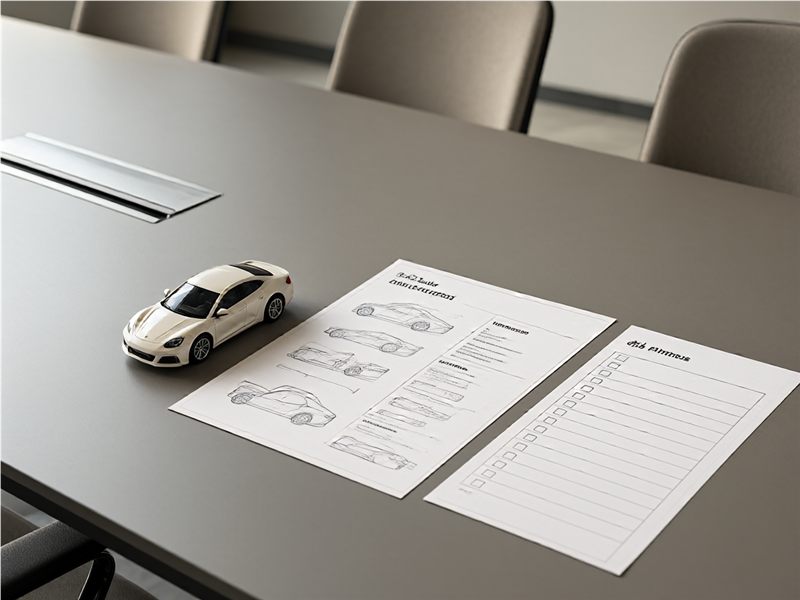
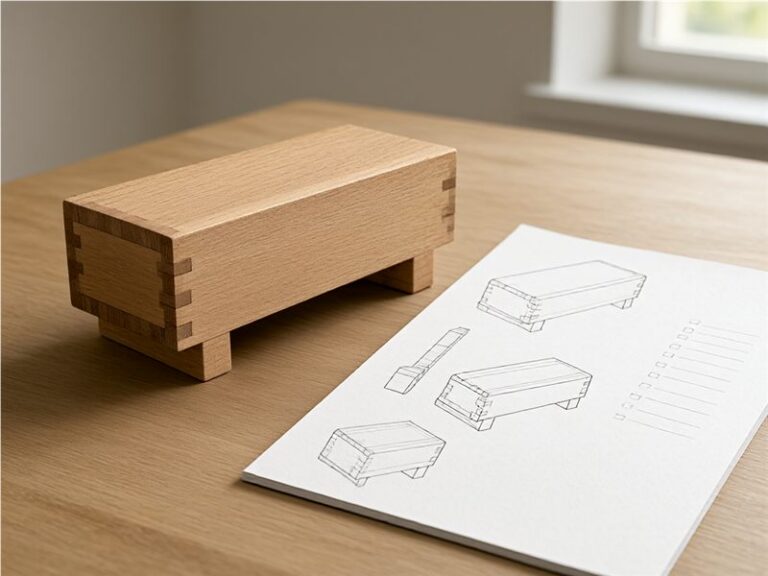
We rewrote the request template around that distinction. The customer is now asked for three frames: the part front and back, the underside or battery bay where the batch marking sits, and one shot with the part next to the intact assembly. A short illustrated guide goes out with the request, because people photograph what they think matters, not what the catalogue needs. Even with all three, the photograph stays a lead; the identification is completed against a record, never against an agent’s impression of a shape.
The batch code on the underside, and how to decode it
The marking is usually moulded into the base, printed on a label inside the battery compartment, or stamped on the carton flap. Its value is that it resolves to a production version and a date window, which in turn resolves to a parts list. What matters operationally is that a maintained crosswalk exists between the code format and the version it denotes, with an owner and a revision date. An agent should look the code up, not interpret it from habit.
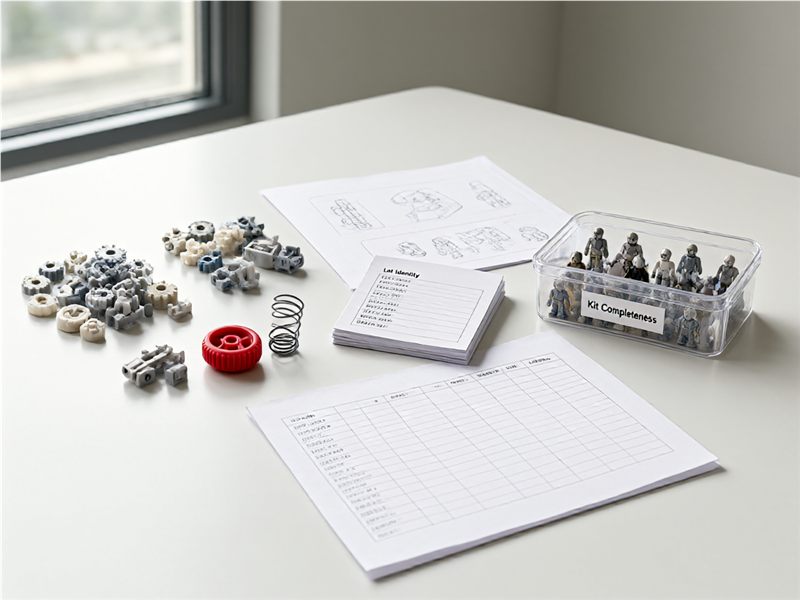
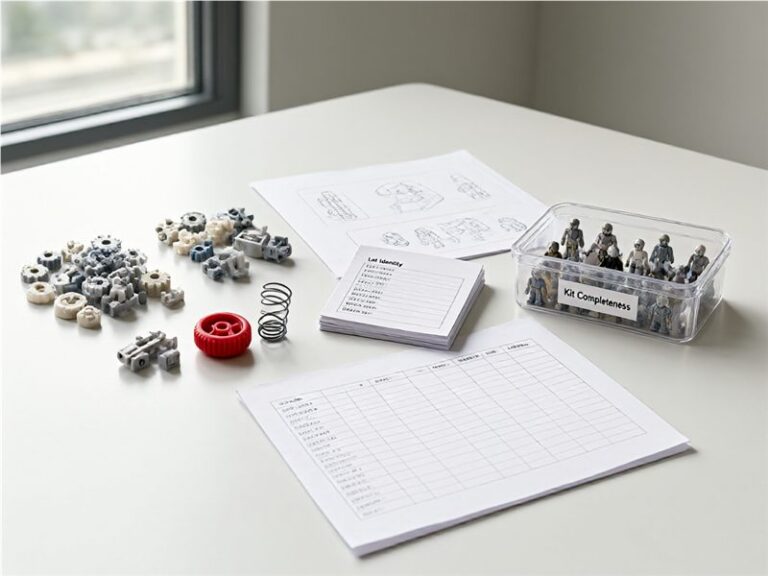
Three failure modes recur. The code is rubbed off a handled toy. It was printed on the insert that the customer threw away. Or the same code appears on packs configured differently for two markets. Each needs a documented fallback: order history, an outer-carton label photograph, or comparison with the retained sample photograph for that lot. The table below records what each piece of evidence can and cannot close.
Evidence the customer can send
What it resolves
What it cannot resolve
Next action if insufficient
Photo of the loose part
Shape, colour, damage type
Mould revision, fit tolerance
Request underside and scale shots
Batch code from the base
Production version and date window
Which individual unit failed if code is worn
Cross-check retailer order history
Retailer order number
Which sellable SKU shipped
Which version was inside that carton
Ask for the outer-carton label
Outer-carton label
Version mark and market configuration
The exact geometry of one small part
Resolve through the parts catalogue
Part moulded mark
Exact part identifier
Whether that part is still supplied
Check the supply-status field
Why a product name is not a part identifier
Retail names move with the channel. A marketplace shortens a title, a distributor relabels a pack for a promotion, and a rebrand trims a word that engineering used in the drawing. “Front wheel” then means one component in the first production run and two different components after a tooling change, all under a name nobody versioned. Asking a customer to name the part is asking them to guess which era of the product they own.
The fix is a stable identifier of its own, linked explicitly to the versions it fits. That identifier should live in the same structured data that describes the saleable variants, so the commercial document and the service document cannot drift apart. Buyers who specify this early usually fold it into the product data sheet covering variants, dimensions and packaging, which is the natural place to declare that a variant change also creates a service-part change.
Building the service catalog around identifiable parts
The redesigned catalogue treats the identifiable part as its atomic row. Each row carries an identifier, a plain-language name, the versions it fits, the versions it must never be used with, standard photographs, substitute relationships, a field stating whether the part can be supplied on its own, a supply status, and an approver for any change. That last field matters more than it looks: a beautifully described part that cannot be shipped separately is a dead end for the agent and a broken promise for the customer.
We kept the service catalogue deliberately separate from the sales catalogue. A sellable SKU describes what a buyer orders; a service part describes what a technician replaces. The two are joined by an applicability matrix, not merged into one list. Merging them is tempting and it fails the moment a gift set contains six components but is sold as one unit — the service view needs six rows where the sales view has one.
The identifier scheme we settled on
Naming rules were chosen to be boring and unambiguous. An identifier encodes the part family, the geometry revision, the surface or colour variant, and a supply-status flag; it never encodes the retail name, the customer, or the season. One role allocates identifiers, and a part keeps its identifier for life even when its status changes. Nothing is renamed to make a spreadsheet tidier, because a renamed part breaks every historical ticket that references it.
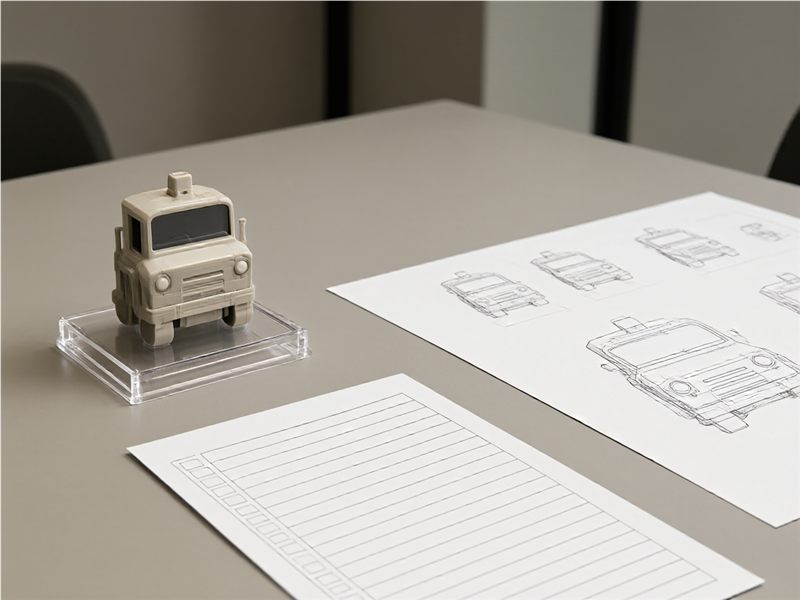
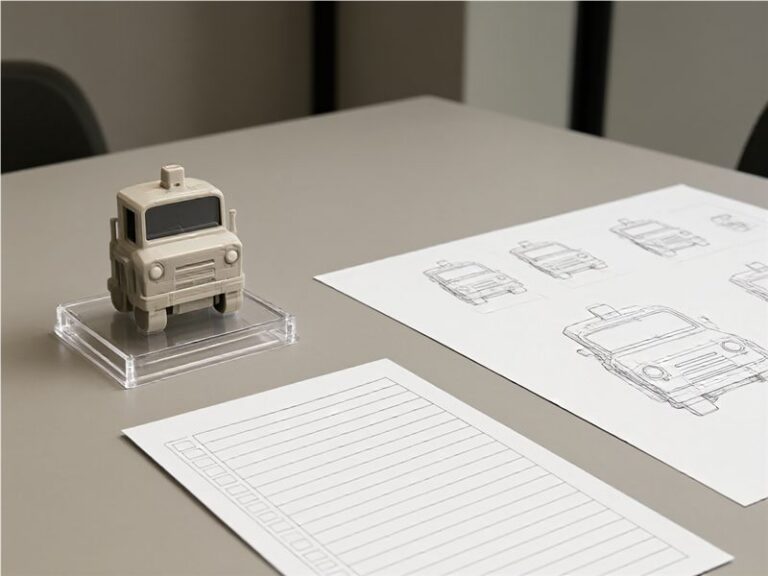
Each identifier is paired with a small photograph set: front, reverse, and the part shown fitted in its assembly. Agents compare rather than describe. Substitute relationships are explicit values — direct replacement, replacement only as a matched pair, or not interchangeable — so the system can refuse a wrong combination instead of relying on a note in a margins column. Where two parts are visually identical but geometrically different, the photograph set carries a callout marking the distinguishing feature.
Version forks that break part lookup
The nine-day ticket turned out to be a version fork. A tooling modification had changed the wheel’s hub interface, so the earlier wheel would not seat on the later axle; the retail name, the carton artwork and the printed model number had all stayed the same. A colour refresh caused a second, milder fork: the new pigment ran on the same tool, so the part fitted, but sending it as a spare produced a visibly mismatched set that the customer read as a fault.
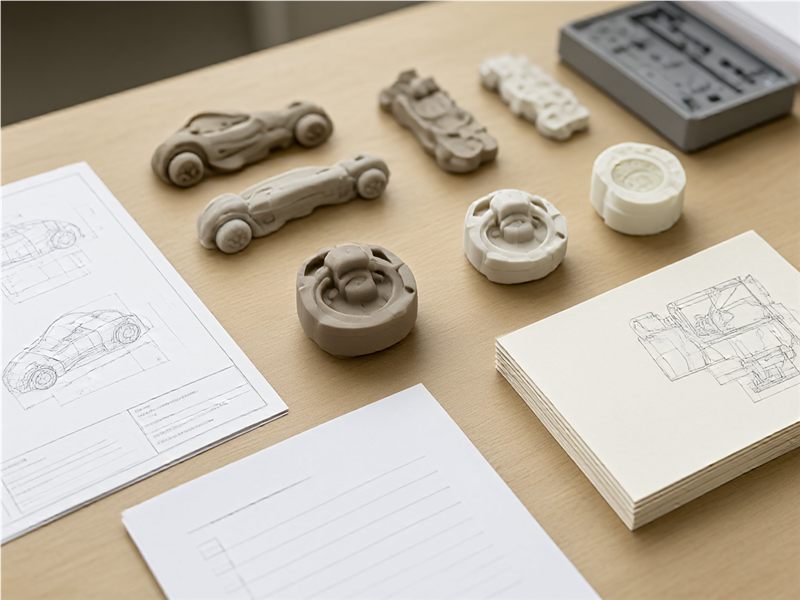
The catalogue expresses this as an applicability matrix with explicit exclusions, and the lookup is routed by batch code rather than by product name. Where a fork originates in a tool that the brand does not own, the ability to keep making the old part is a commercial question as much as a technical one; our note on mould and tooling ownership for custom shapes explains why that ownership has to be settled before anyone promises long-term spare availability.
What the customer service agent actually sees on screen
The screen asks for evidence, not for an opinion. The agent enters the batch code, or the part mark, or the sellable SKU plus a market, and the system returns either exactly one row or an explicit request for a specific missing photograph. There is no free-text box in which a confident agent can type a guess and attach it to a shipment. Ambiguity is surfaced as a question to the customer, not resolved as a decision by whoever happens to be on shift.
Three hard rules sit behind the interface. Do not dispatch a part that is not uniquely identified. Do not substitute across an exclusion, even if the parts look alike. Do not promise stock verbally when the status field says otherwise. Each rule writes a line to the ticket, so a supervisor reviewing a week of ageing tickets can see whether the delay came from missing evidence, an ambiguous version, or a genuinely unavailable part.
Spare stock: what to hold and what to order on demand
Spare inventory is split by evidence from the tickets themselves. Small parts that are handled constantly, clipped in and out, or exposed to drops appear often enough to justify holding stock. Decorative pieces, large mouldings and anything tied to a short seasonal artwork are ordered on demand against a confirmed request. The split is reviewed from complaint data, not from intuition, and it changes when the failure pattern changes rather than when someone reorganises a shelf.
Spare stock is fenced off from sellable inventory so a large retail order cannot consume the parts reserved for service. Transfers between markets need approval because a spare legal in one configuration may not be right for another. The last-buy decision before a tool is retired belongs with the same role that signs the end-of-life notice, and it should be recorded with the reasoning, not just the quantity. Wholesale partners are told which parts they may stock themselves through the wholesale toy supply terms rather than discovering it during a complaint.
The end-of-life promise we can honestly make
A vague promise to “support the product” is worse than no promise, because it commits nothing and still raises an expectation. We write the commitment as a set of verifiable states: part still supplied, part superseded by a functionally equivalent replacement, or part no longer available, with the date each state took effect and the role that approved the change. The customer gets a state, not a reassurance, and the agent can read the same state on screen.
For B2B buyers the same wording belongs in the supply agreement, along with the notice period for a status change and the approval path for an equivalent replacement. A substitute that fits but looks different must be accepted by the brand owner before it is offered, because a mismatched spare generates a return even when it functions. Where the original tool is no longer available, the agreement should say plainly whether an equivalent will be qualified or the part simply retired, and who bears the cost of that decision.
When a request falls outside the catalog
Some requests have no row: a batch older than the catalogue’s start date, a unit modified by a third party, or a component such as an insert that was never sold as a spare. These go to an escalation path with named destinations — technical for identification, quality for a possible defect pattern, commercial for anything involving cost or a contractual promise. The agent’s job is to route and record, not to improvise an answer.
One-off exceptions are still written into the catalogue as temporary rows with an expiry and an owner. Otherwise the same unusual request ages for nine days again the next time it arrives, handled by a different agent with no memory of the earlier fix. An exception that is granted twice is no longer an exception; it is a missing part row, and the catalogue should be amended rather than the workaround repeated.
Writing the answer back and closing the loop
The reply template now states the identified part identifier, the versions it fits, the current supply status, exactly what information is still needed, and the boundary of what we will provide. It attaches the standard photograph so the customer can confirm the identification before anything ships. Nothing in the message says “we think” or “should fit”. A reply that cannot name the part is returned to the queue as incomplete rather than sent as a courtesy.
Closed tickets feed back into two places. Failure counts by part identifier drive the stocked-versus-on-demand split, and identification failures are written back to the master data so a version fork that confused an agent gets fixed at source. The cracked wheel on the blue carpet would now resolve to one row on the first morning. That is the whole point of a service catalogue: not faster typing, but one fewer guess between a photograph and a parcel.
What should an agent be able to identify from a photo and a batch code?
A photograph confirms shape, colour, damage type and approximate scale; it cannot confirm mould revision or fit tolerance. A batch code resolves to a production version and date window, which resolves to a parts list through a maintained crosswalk. The agent looks both up rather than interpreting either from habit. Where the code is worn, fall back to order history, the outer-carton label or the retained sample photograph for that lot.
How should spare parts inventory be split between stocked and on-demand items?
Use ticket evidence, not intuition. Small parts that are handled constantly, clipped in and out, or exposed to drops justify holding stock; decorative pieces, large mouldings and seasonal artwork items are ordered on demand against a confirmed request. Fence spare stock away from sellable inventory so a large order cannot consume it, require approval for cross-market transfers, and review the split whenever the failure pattern changes.
What is an honest end-of-life promise for replacement parts?
State verifiable conditions rather than a vague assurance: part still supplied, superseded by a functionally equivalent replacement, or no longer available, each with an effective date and an approving role. Put the same wording in the supply agreement with a notice period and an approval path for equivalents. Say plainly whether an equivalent will be qualified when the original tool is gone, and who bears that cost.
How should a service catalog handle two versions of one model with different parts?
Give each part its own stable identifier and express compatibility as an applicability matrix with explicit exclusions, routed by batch code rather than by product name. Mark substitute relationships as direct, matched-pair-only, or not interchangeable so the system can refuse a wrong combination. Keep the service catalogue separate from the sales catalogue and join the two through that matrix, so a version fork never depends on an agent’s memory.
OEM & ODM TOY MANUFACTURING
Ready to Develop Your Custom Toy Line?
10+ years factory experience • EN71, ASTM F963 & CPC compliance support • Flexible MOQ for toy brands, importers, and Amazon sellers.