


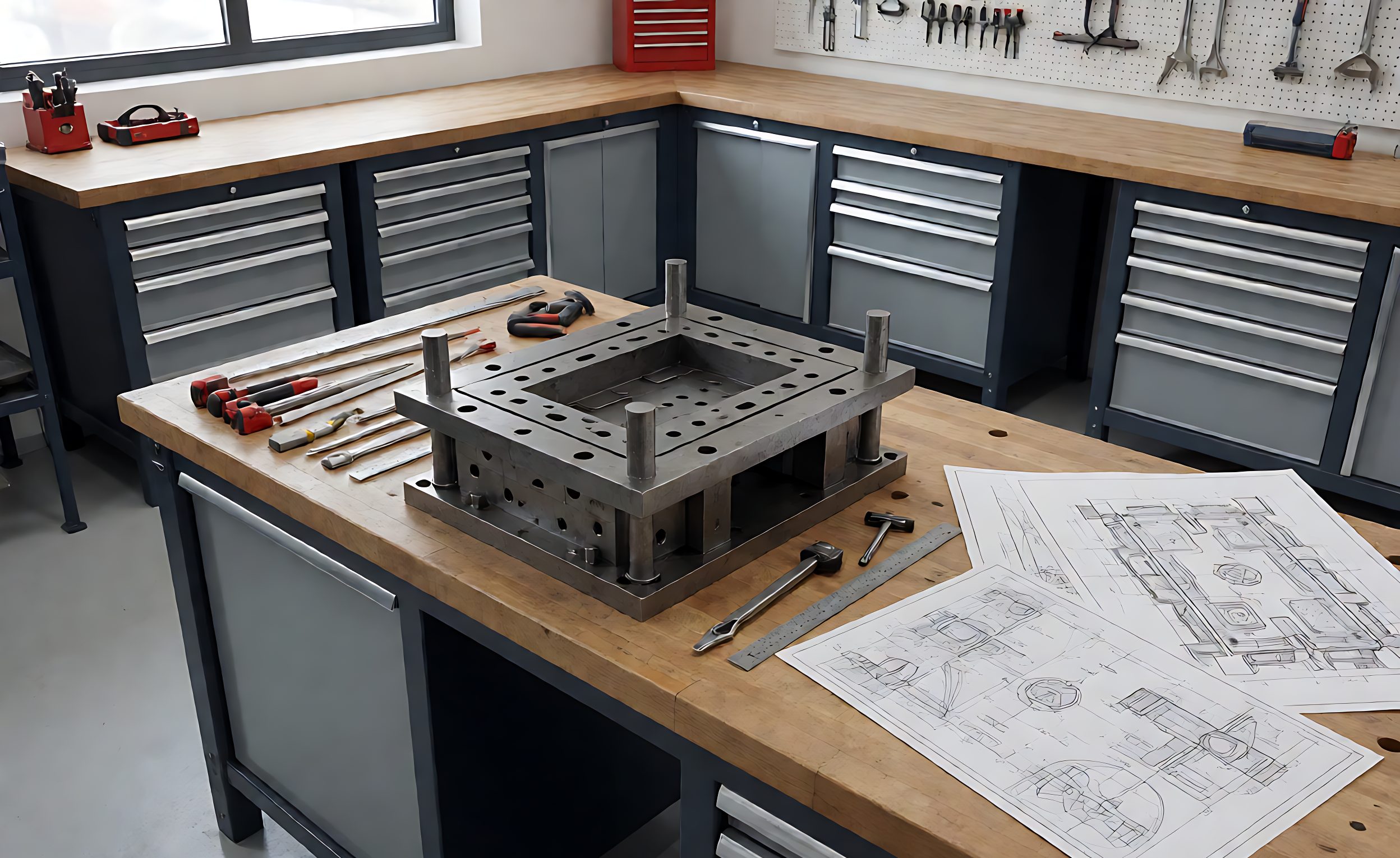
A custom shape is the clearest way to differentiate a toy programme, and tooling is the bill that comes with it. Buyers are often surprised twice: first by the amount, then by discovering that paying for a mould does not automatically mean controlling it. Both surprises are avoidable, because tooling cost has a fairly predictable structure and ownership is a contract term rather than a physical fact.
Understanding the structure also changes the commercial conversation. Tooling can be amortised into the unit price or charged separately, and which is chosen affects cash flow, commitment and what happens if the programme ends early.
What Drives Tooling Cost
Five variables explain most quotations:
- Cavity count. A multi-cavity mould produces more parts per cycle and costs more to build. The right count depends on volume: too few and unit cost stays high, too many and the tooling is over-specified for the order.
- Steel versus aluminium. Hardened steel lasts far longer and costs more. For a long programme steel is cheaper per unit over time; for a short run or a test launch, aluminium can be the rational choice.
- Complexity and surface finish. Undercuts, side actions, textured or polished surfaces each add machining time and fitting work.
- Tolerance. Tighter tolerances mean more machining and more trial fitting, and the cost rises faster than the tolerance tightens.
- Number of components. A set with six distinct shapes needs six tools, which is why piece count drives tooling budgets more than buyers expect.
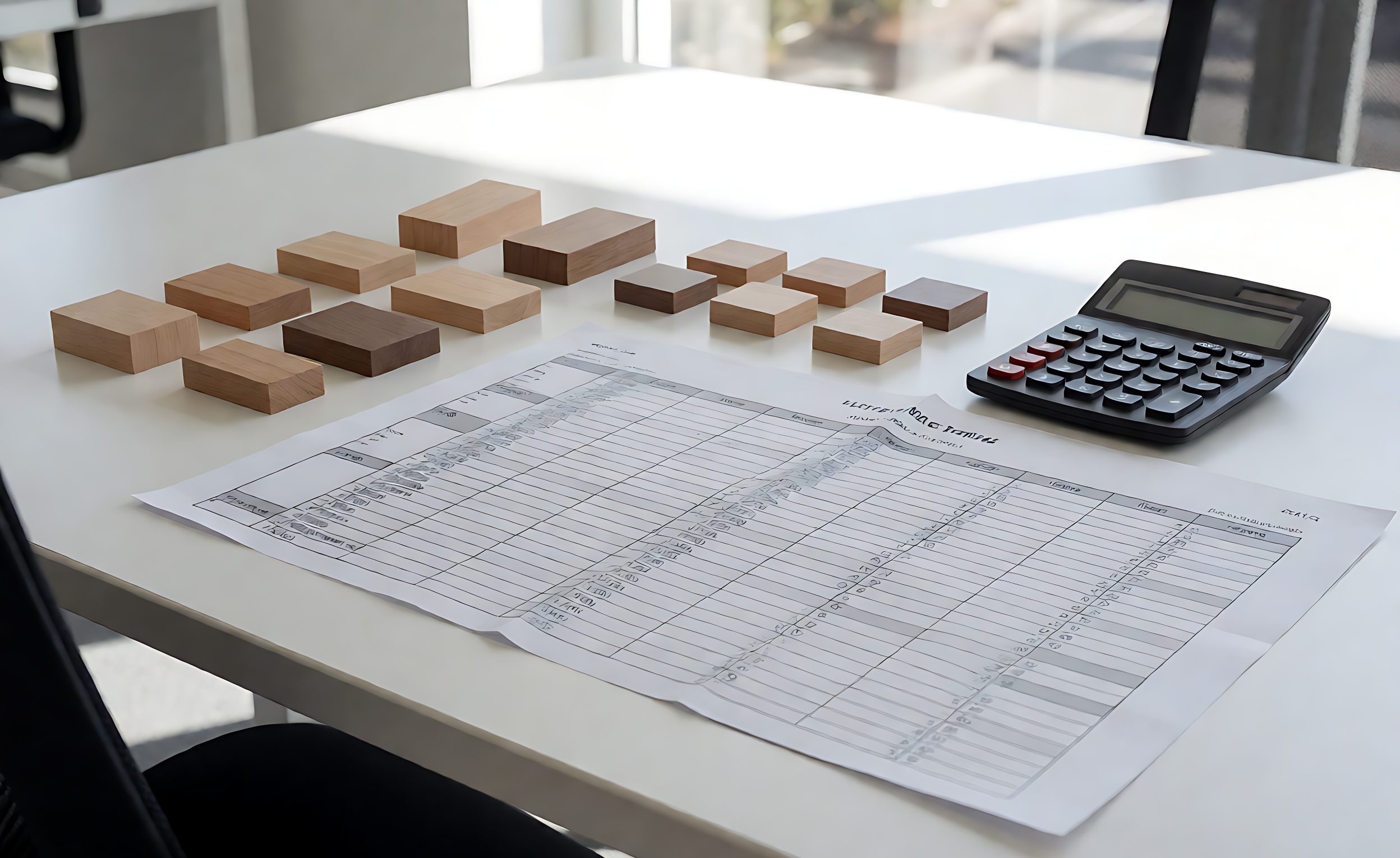
Ask for the quotation split by these variables. A single figure hides the trade-offs and makes it impossible to value-engineer the design.
Amortisation: Two Ways to Pay
Charged separately, amortised in the price. The buyer pays nothing upfront and the factory recovers tooling through a slightly higher unit price, usually against a committed volume. Lower initial cash, higher unit cost, and an implicit commitment: if the volume is not reached, the factory has not recovered its cost and will want to renegotiate.
Paid upfront. The buyer pays for the tool and gets a lower unit price. Higher initial cash, better unit economics at volume, and a stronger claim on ownership – provided the contract says so.
The decision is a cash and confidence question. Programmes with firm volume commitments and repeated reorders favour paying upfront; first launches and uncertain demand favour amortisation, with the volume commitment understood on both sides.
Ownership, Storage and Maintenance
Ownership is a contract term. A buyer who paid for tooling should have that recorded, together with:
- Exclusivity: whether the shape can be produced for other customers.
- Custody: where the tool is stored, and what happens if production moves.
- Maintenance and life: who pays for repair, and what the expected shot life is.
- Return or transfer: whether the tool can be moved to another factory, and on what terms.
The transfer clause is the one buyers forget and later need. A tool held without a transfer right effectively locks the programme to one factory, which removes the leverage that competitive quoting depends on.

Technical Background
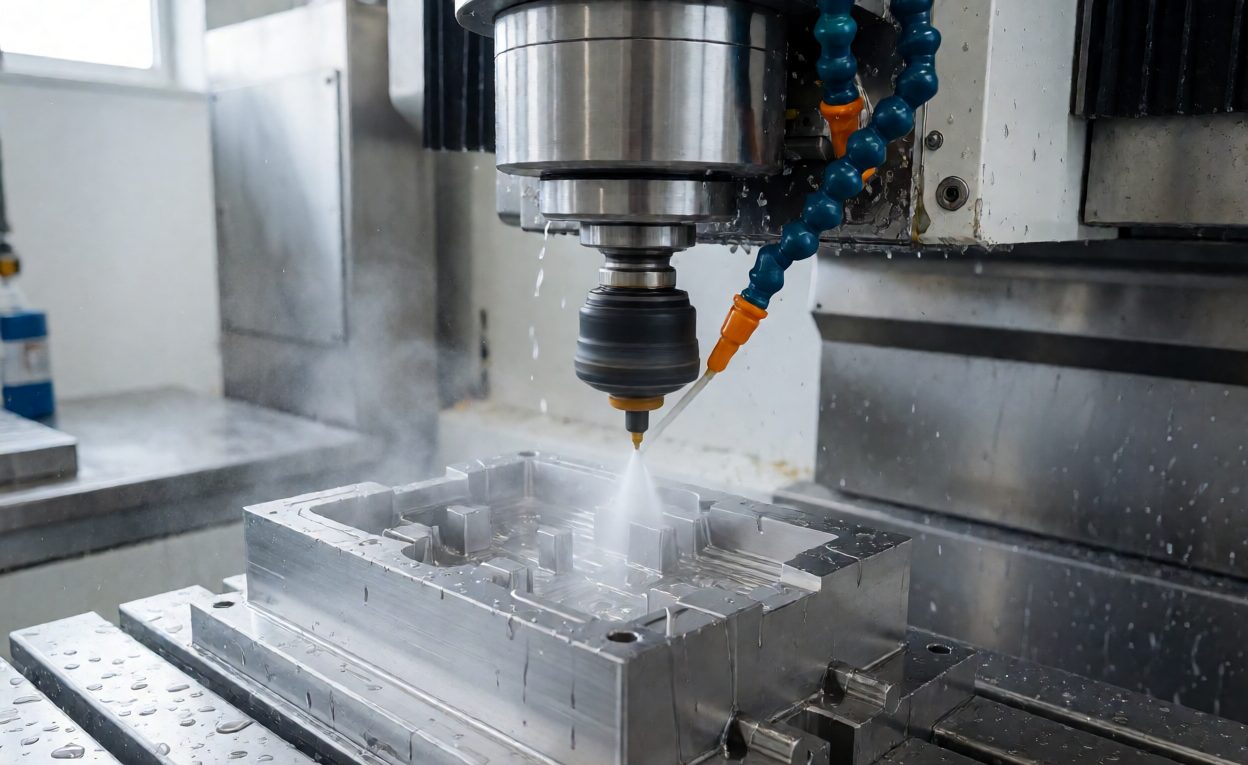
Shaped polymer parts are usually produced by injection moulding, where the tool determines both geometry and cycle efficiency. The tool itself is built through precision machining, which is why complexity and tolerance dominate cost, and it is one instance of the wider category of tooling used to make production repeatable.
Settling It Before Payment
Put six items in writing before paying: the cavity count and material, the quoted shot life, the ownership statement, exclusivity terms, maintenance responsibility, and the transfer or return terms. Then photograph the tool and record any identification stamped on it, because a tool is easier to argue about when it is physically identifiable.
Where a programme is uncertain, consider a staged approach: a softer, cheaper tool for the first production run, then a hardened production tool once demand is demonstrated. The extra step costs a little and removes the risk of buying long-life tooling for a product that never reorders.
Value engineering is worth doing before the drawing is frozen rather than after the quotation arrives. Reducing the number of distinct shapes in a set, accepting a coarser surface finish on non-visible faces, and relaxing a tolerance that has no functional purpose all reduce machining time. Buyers who ask for these changes after tooling has started pay for rework instead of saving it.
Tooling decisions connect to taking an OEM project from artwork to sample and to the OEM and ODM sourcing guide. Packaging tooling is discussed in toy retail packaging, and programme budgeting in the wholesale guide to MOQ and private label.
FAQ
Why is tooling so expensive?
Because it is precision-machined hardened steel or aluminium, and cost rises with cavity count, complexity, surface finish and tolerance.
Should I pay upfront or amortise?
Upfront for firm volume and repeat reorders, amortised for first launches or uncertain demand, accepting the higher unit price.
Does paying for a mould make me the owner?
Only if the contract says so. Ownership, exclusivity and transfer rights are contract terms, not consequences of payment.
What is a shot life?
The number of production cycles a tool is expected to survive before refurbishment or replacement, which should be stated in the quotation.
Why does the transfer clause matter?
Without it a tool effectively locks the programme to one factory, removing the ability to re-quote competitively.
Steel or aluminium tooling?
Steel for long programmes where its life amortises across many units; aluminium for short runs or test launches.
How do I reduce tooling cost?
Reduce distinct shapes, relax tolerances where function allows, simplify surface finish, and match cavity count to real volume.