Every custom toy project carries three numbers that fight each other: the tooling cost, the per-unit material cost, and the stock you have to hold when the container lands. Buyers usually negotiate the second and ignore the other two — and then discover that the cheapest per-unit quote became the most expensive program once the mold, the minimum run and the warehouse were added up. This is the arithmetic we walk through with buyers before a custom project is quoted, so the MOQ is a decision instead of a surprise.
For a brand starting with a small first run, those three numbers decide whether the project is viable at all — so the launch stock question is settled before the tooling brief is drawn. That route is set out on our private label toys for new brands page.
The tooling line: one-time, but never zero
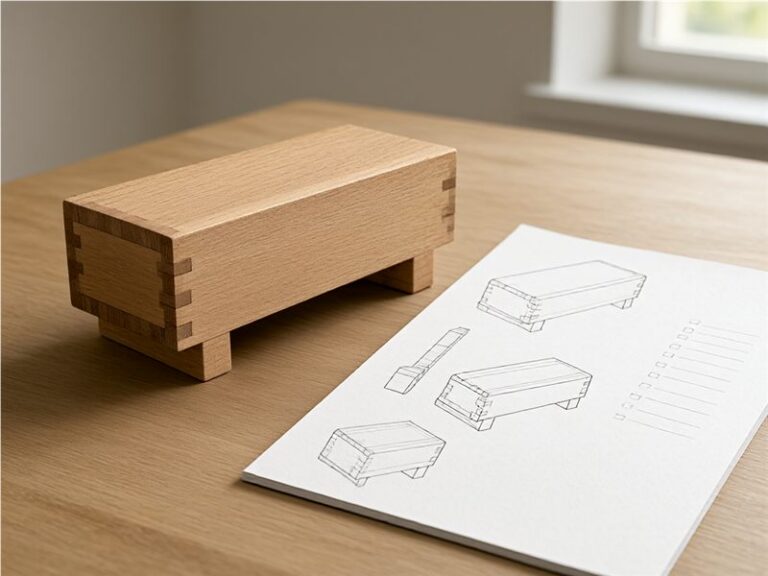
A custom shape needs a mold, and the mold cost is fixed the moment steel is cut. What moves afterwards is how many units share it. Spread across 3,000 pcs, a mold is a reasonable line on the cost sheet; spread across 800, it is a third of your unit cost and a reason the quote looks high. The honest question to ask is not “what does the mold cost” but “how many units will this shape realistically sell across its life” — because that number decides whether custom tooling is an investment or an expensive experiment. Stock molds remove the line entirely, which is why 300–500 pcs stock programs are the standard way to test a concept before paying for steel.
Material cost and the volume curve
Per-unit material cost drops with volume, but not evenly. The first price break usually arrives between 1,000 and 3,000 pcs, where material purchasing and line setup reach an efficient plateau; beyond that, the curve flattens until the next meaningful jump. Buyers who ask for “the best price” get the plateau price — which requires the volume to justify it. Buyers who ask for the price at their actual quantity get a quote they can compare honestly. Both numbers are real; only one of them matches the order you are about to place.
Launch stock: the number nobody budgets
The container that lands is not the end of the cash outflow — it is the beginning of warehousing, fulfillment and the slow process of selling through. Launch stock that overshoots demand becomes a discount line within two seasons; undershooting means air freight or a stockout at the moment the listing has momentum. The planning tool we use with buyers is simple: realistic monthly sell-through multiplied by the lead time to replenish (20–30 days production plus 25–35 days shipping), with a buffer for the first reorder. That product — sell-through times replenishment window — is the maximum sensible launch stock for a first custom order. Anything above it is a bet on marketing that has not happened yet.
The three MOQ structures compared
Structure
How it works
Best for
The trade-off
Per-SKU minimum
Each design hits its own floor
Proven designs, broad ranges
Deep cash per SKU
Family minimum
Total across variants
New collections, color tests
Slow SKUs ride along
Mixed container
Categories share one shipment
Risk spreading, first orders
Planning complexity
A family minimum of 2,000 with a per-SKU floor of 100 lets a buyer launch six variants without six tooling-scale orders — the same total quantity, arranged differently, carries a range a single-SKU buyer could not test. Mixed containers go further: squishies, fidget and clay sets sharing one shipment, each meeting its own category minimum while the freight is shared. The structure is chosen per program, not per industry.
Timing: the calendar behind the numbers
Sampling runs 7–10 days per round; production 20–30 days after approval; shipping 25–35 days to most destinations. A custom program therefore spans roughly four months from brief to shelf, and the peak seasons compress every stage. Buyers planning for Christmas are booking molds and slots in spring; buyers planning for back-to-school are in the lab in winter. The MOQ conversation is easiest when the calendar is honest — a compressed timeline forces bigger minimums, because the factory must reserve capacity for an order that cannot wait for a slower, cheaper slot.
The practical answer, in three lines
Test on stock molds at 300–500 pcs. Commit custom tooling at 1,000–3,000 pcs when the sell-through justifies steel. Plan launch stock as sell-through times replenishment window, and let the mixed-container structure carry the first assortment. Buyers who follow that ladder rarely carry dead stock — and the ones who break the ladder deliberately, with data, usually know exactly why.
Where custom MOQ planning actually fails
The failures are consistent enough to list. The first is the shape that is designed before the market is asked: a mold is cut on the strength of an internal meeting, and the order size is chosen to make the mold math work instead of the sales forecast. The second is the color plan that grows after quoting — a two-colorway program becomes five, and the per-SKU floors multiply silently. The third is ignoring the second order: a first run sized to the tooling math leaves no room for the correction every first order teaches, and the correction then arrives as a small, expensive emergency order instead of a planned replenishment.
Each failure has the same cure: decide the shape, the color plan and the launch quantity in that order, with the quotation revisited at each step. The sequence costs a week. Skipping it costs a container.
Materials choice as an MOQ lever
Material selection is not just a feel decision — it is an MOQ decision in disguise. A TPR shape, a PU foam shape and a silicone version of the same design may run on different lines with different minimums, because the material batches and curing windows set the efficient run length. A buyer who is flexible on material can reach a lower effective MOQ by accepting the material the line is already running that week; a buyer locked to one material pays for the changeover. Neither is wrong — but the trade should be made knowingly, and the hand-feel difference should be judged on samples of each material, not on a datasheet.
Negotiating the minimum without damaging the relationship
Factories do not lower minimums out of charm — they lower them when the structure of the order compensates. The levers that work: fewer colors per SKU (a setup, not a unit cost), standard packaging instead of custom at first launch, a deposit structure that reflects the tooling risk, and a scheduled replenishment that turns a one-time minimum into a program. Buyers who bring a twelve-month plan to the MOQ conversation get better floors than buyers who bring a single PO, because the factory is pricing the relationship, not the container.
Three questions buyers ask about custom MOQs
Can the tooling be paid separately from the production order? Usually yes — and paying it separately makes the per-unit comparison honest, because the mold is then a fixed asset on your side rather than an amortization hidden in the unit price.
What happens to the mold between orders? It stays at the factory under the ownership terms in the quotation — clarify the storage, maintenance and transfer rights before the first PO, because a mold held without a transfer right ties the program to one factory.
Is a smaller first run available for a completely new brand? The stock-mold route at 300–500 pcs exists exactly for that — prove the channel with stock designs, then bring the custom shape when the data supports steel.
A worked example: the 2,400-piece decision
Consider the program that actually landed on our floor last quarter, in outline. A buyer with an established store wanted a custom squishy shape and a matching fidget variant. The tooling for both shapes was quoted; the honest sales forecast supported 2,400 pcs of the hero and 1,200 of the variant. The family-minimum structure covered both under one total with per-SKU floors met, the mold costs were paid separately so the unit prices stayed comparable, and the launch stock was sized at sell-through times the ten-week replenishment window — which came to less than the forecast, so the forecast stood. The program shipped on schedule, and the second order, placed eight weeks later, was larger and cheaper per unit because the first order had already paid for the learning.
The arithmetic is not complicated; the discipline is. Buyers who run this calculation with the factory before quoting — forecast, structure, tooling, launch stock, calendar — get programs that hold their margin. Buyers who skip it get quotes, plural, and a decision made on the wrong number.
The checklist we hand across the table
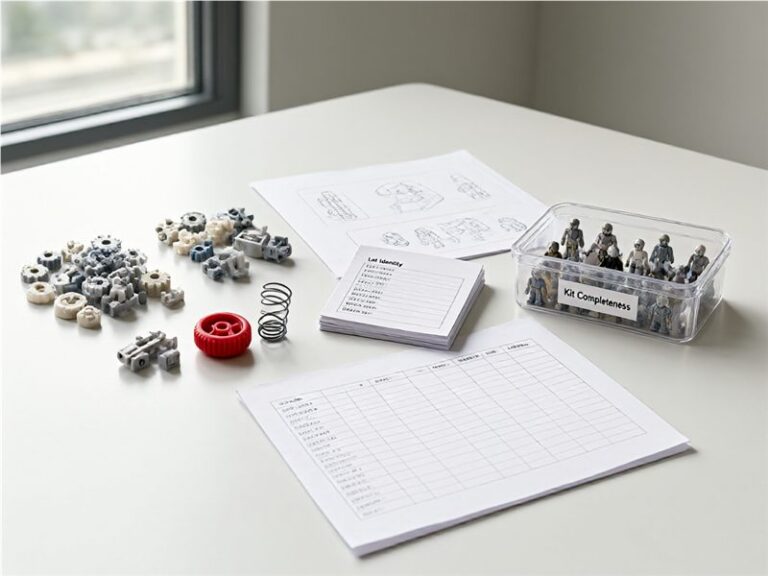
Before a custom MOQ conversation, the buyer should have: the realistic sell-through estimate (even a range), the launch date working backwards from the shelf, the material preference with a sample-based confirmation, the color plan fixed, and the packaging format chosen. With those five answers, the MOQ quoted is the MOQ that ships — and the negotiation is about terms, not about surprises.
Where the material conversation changes the plan
Materials sometimes redirect the whole MOQ plan rather than just the price. A buyer planning a soft, slow-rising line in TPR may discover that the fidget variant they wanted in the same order runs better in silicone — different line, different minimum, different curing window. The family minimum survives if both materials can be scheduled into the same shipment window; otherwise the program splits into two POs and the freight is planned twice. This is the kind of structural surprise that a material-flexible buyer avoids by asking one question at the brief stage: “which materials can run together in the same production window?” The answer shapes the range before it shapes the price.
How the peak season rewrites every minimum
The same program quoted in March and in September can carry different effective MOQs, and the reason is capacity, not policy. In peak windows, factories allocate lines to confirmed programs, and the minimum that protects a slot is higher than the one that fills a quiet week. Buyers whose launch dates fall into the Christmas window are effectively booking capacity five to six months ahead, and their MOQ conversation happens in that context. Buyers with flexible dates can run the same program in a shoulder season at the standard floor. Neither is a discount or a penalty — it is the calendar pricing its own scarcity, and the buyers who understand that plan their launches against it.
What we need from you to quote the program
Five items turn an MOQ conversation from a negotiation into a quotation: the shape concept (even a sketch), the realistic sell-through range, the launch date working backwards from the shelf, the destination market, and the packaging format. Buyers who send those five in the first email get a complete MOQ structure back — tooling line, unit curve, family or per-SKU structure, and the loading calculation — in one reply. Buyers who send a logo and a question get questions back. The factory side is ready either way; the program is faster when the arithmetic starts honest.