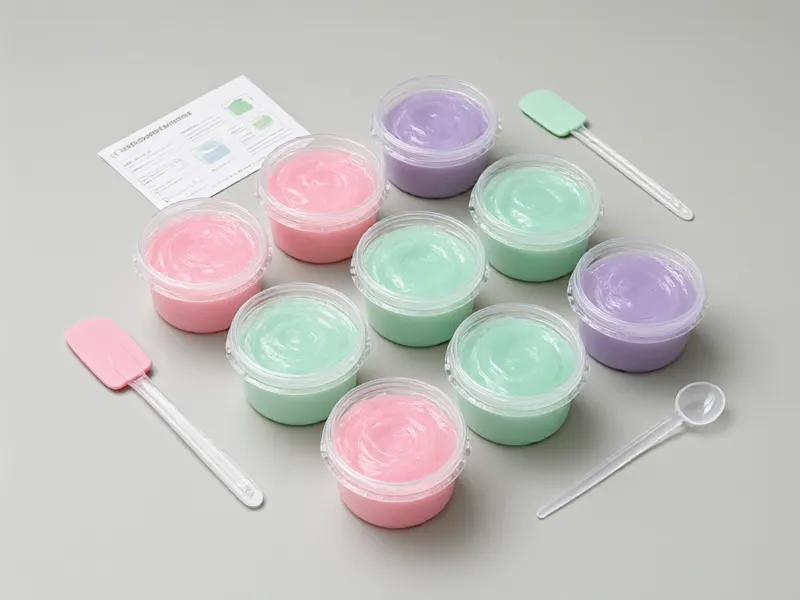
Two days before a packaging sign-off, a carton of slime kit samples came back to my bench with a red rejection tag on it. Three things were wrong at once. The container lids had not been torqued down; two had backed off far enough that powder shifted when I tilted the unit. The powder sachet and activator bottle did not carry the fill weights on the approved spec, and the ratio was printed as a loose range instead of a fixed measure. The instruction card said to add the activator in three stages, but the sample only needed two. Nobody had cut corners. The kit had been built from parts each signed off on their own.
That is the central problem with a slime kit in a compliance review. To a factory it is components moving down separate lines. To the buyer, and to whoever inspects the goods at the destination port, it is one product that a child opens, pours, mixes and handles. The fault usually sits between the parts, not inside any single one. A sachet that is acceptable on its own becomes a defect when the card beside it describes a different ratio.
What follows is the review sequence I use for a slime kit OEM sample, the variables I freeze before releasing artwork, and the evidence behind every printed claim. For background on how the base material is positioned, the borax free slime page is where most buyers start, but a product page is not a substitute for a sample file.
Treat the kit as one system, not a pile of parts
The first habit to break is component-by-component thinking. The powder, the liquid, the printed card and the carton are usually owned by different teams, and each team can hit its target while the finished kit fails. A kit has interfaces: powder meets activator, activator meets container, container meets lid, and the printed instructions meet all of them when a customer follows them.
In my review the unit of analysis is one sealed retail unit, exactly as it leaves the carton. I do not accept a loose sachet or a pre-mixed sample as proof of anything. A mixed lump tells me what the material can do, not what the customer receives. This framing also settles responsibility: if the card says three steps and the sample needs two, it is a kit-level mismatch, and someone must own the fix at kit level before the review continues.
The component-by-component review sheet
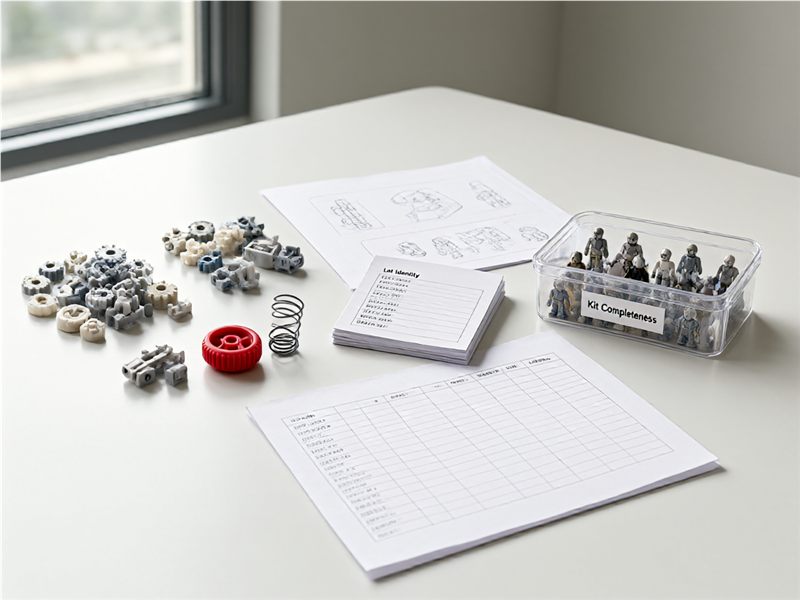
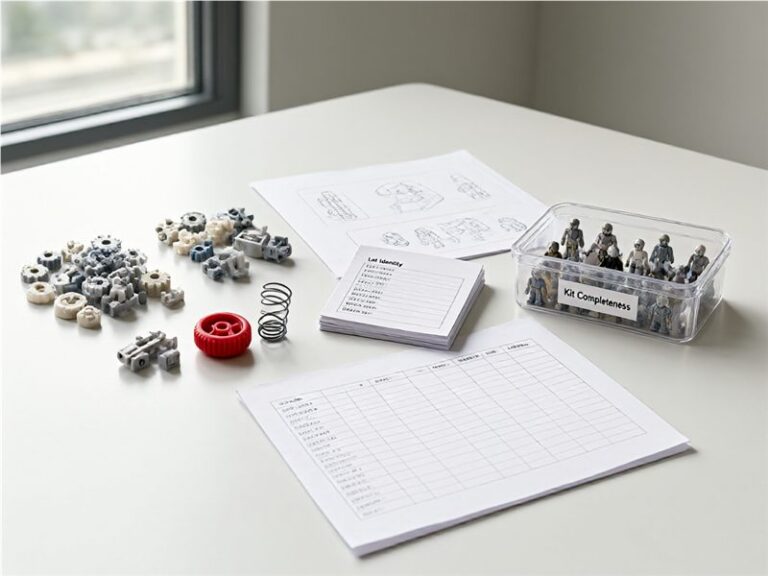
A review sheet works only if each row ends in a decision and a retained piece of evidence. “Looks fine” is not a decision, and a verbal assurance is not evidence. This is the skeleton I use on a first submission. I fill the judgment column during the bench check, photograph anything that fails, and keep the evidence column attached to the sample record. The same rows are reused at pre-shipment, with a fresh date and fresh photos.
Component
Checkpoint on the bench
Pass / fail criterion
Evidence to retain
Container and lid
Lid seating, liner, behaviour after inversion
Pass only if the lid seats fully, shows no back-off and the liner is intact
Closure torque record, seated-lid photo, cap lot
Powder sachet
Net fill, seal, printed ratio
Pass only if fill is inside tolerance, seal unbroken and ratio matches the card
Weigh ticket, sachet proof, seal check
Activator bottle
Net fill, closure, seepage
Pass only if fill matches the spec and no liquid seeps at the closure
Fill record, leak check, bottle lot
Stirrer
Presence in each unit, edge finish
Pass only if present in every kit and free of sharp edges
Pack list, close-up photo
Instruction sheet
Steps and quantities versus the sample
Pass only if steps, quantities and order match what the sample needs
Signed proof, reconciliation note
Retail carton
Claim and warning wording
Pass only if every claim matches the approved evidence file
Artwork sign-off, claim file
Age mark
Presence and legibility
Pass only if the correct market mark is visible and not obscured
Label proof, pack-face photo
What changes between first sample, golden sample and pre-shipment is not the questions but who signs. A first sample can be annotated by the reviewer; a golden sample needs a named buyer approver; a pre-shipment check should be signed by whoever physically inspected the goods, not by the sales contact.
Torque and closure deserve their own check
The lid that backed off on my bench is the most under-rated defect in a slime kit. Sachets and bottles travel in the same carton, and a container that is merely closed rather than properly closed will shift in transit. The liner can be fouled, the seal compromised, and the customer opens a unit that looks used. None of that appears in a formulation test.
I ask to see closure as a controlled step: a defined method, a record that it was applied to the batch, and an in-line check that catches a loose cap before cartoning. On the bench I invert a sample, tap it lightly and look for movement or seepage at the threads. Any sign sends the batch back for a closure review rather than a single replacement. I also want the closure material declared and a reasonable storage test done, since caps can deform on a hot shipping route.
Powder and activator fill weights must be fixed
A ratio printed as a range is a warning sign. “Add between 15 and 20 ml” hands the decision to the customer, which is exactly where a kit should never leave it. At the top of the range the result may be too wet; at the bottom the powder may not hydrate. Either way the complaint lands on the brand, not the packing line.
My check is blunt: I weigh the powder, measure the liquid, then follow the card using those real quantities. If the result contradicts what the card promises, the kit fails even when both parts are inside their own specs. I then ask for one target fill per component with a tolerance, printed as a single measure on card and sachet. Artwork, spec and physical sample must say the same thing. I also watch the fill method, because a weighed fill and a volumetric fill behave differently over a long run.
Make the instruction card match the sample
The mismatched card in the returned carton was not a typo. It was a leftover from an earlier formulation, kept because the layout had already been approved. This is a common way a slime kit OEM project fails: the material is adjusted during development, the artwork is not, and nobody reconciles them before the print run.
I follow the card line by line — step count, order of addition, quantities, resting time and described texture — and tick or challenge each. Anything the card promises that the sample cannot deliver is a claim, the same as a claim on the box. Localisation adds risk: a translation can change a measure or drop a warning because the approver only reads the source language. I ask for a native review of the final card and keep it with the sample record. The multilingual packaging and label requirements guidance is worth reading alongside this step, since card and label errors travel together.
The evidence file behind a “borax free” claim
“Borax free” sells kits, which is exactly why it must never be printed on a verbal assurance. Before the words appear on a carton I expect three linked items: the ingredient declaration for the activator, a supplier declaration naming the product and stating the substance is not used, and a test result on the finished material from a competent laboratory.
The declaration must identify what it describes. A letter covering one product does not cover a revised formulation or a second SKU. I check that the model name and date match the artwork being approved, and that wording is identical across markets — a softer phrase in one language creates an inconsistency a regulator will question. I also check what replaces the excluded ingredient: removing one component is not the same as making a material safer. The claim proves the absence of one substance, so artwork that implies a broader safety certification needs correcting before sign-off.
Preservatives and shelf life need a stated position
Water-based slime material supports microbial growth, so a kit sitting in a warehouse for a season is a different proposition from a fresh sample. Buyers should not discover that through a mould complaint. I ask for the preservative system to be declared and the expected shelf life to be stated in writing, with the storage conditions assumed. That pair has to agree with any durability marking on the pack.
“It lasts a year” is not a specification. A usable answer names the controlling approach, states the storage assumption and points to a supporting record. Shelf life also connects to packaging: a lid that backs off changes the storage reality, so the chemical spec and closure spec must be read together. The shelf life and preservative specification guidance for clay and slime sets out how to frame that conversation with a supplier.
Age grading and warning wording on the pack
Age marking is often treated as a layout detail for the designer. It is not. The grade must follow the real risk profile of the kit, including small parts such as the stirrer, the behaviour of the material if mouthed, and the supervision the instructions assume. Once set, the warnings must match it and the requirements of the market where the carton is sold.
On the bench I check that a grade has been assigned with an explainable basis, that the required warning wording appears in the correct language and a legible position, and that no artwork contradicts it — an image of a very young child using the kit unaided undermines a grade that assumes older users. I keep the age-grade discussion with the sample record, because a component swap or a new market means the grade is reconsidered, not copied forward.
Variables to lock before artwork is released
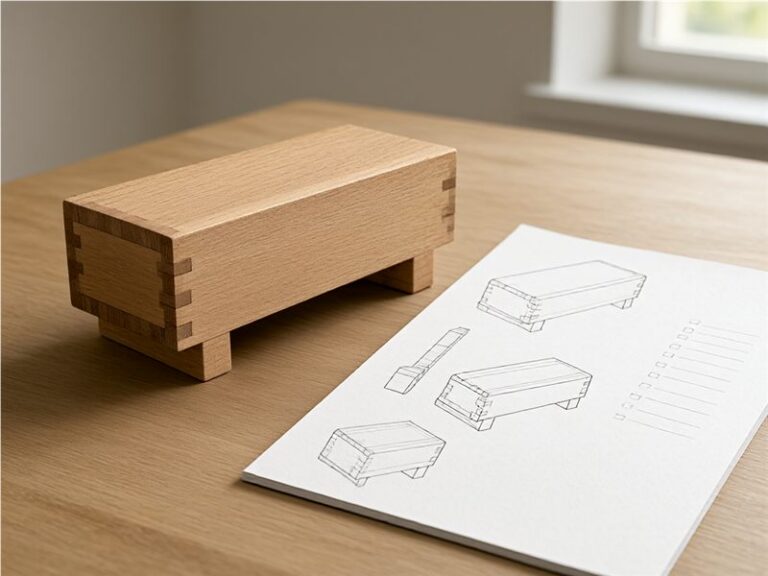
Artwork release is where flexibility disappears. Once plates are made and cartons printed, every unresolved variable becomes a cost. So before I sign, I list what is now frozen and mark each item locked or still open. A release with three open variables is not a release; it is a promise to fix things later at someone else’s expense.
The list covers the kit name and model, component count, fill quantities and printed measures, claim wording, age grade and warnings, language set, pack dimensions and the reference to the approved sample. Each item should point to a document — a spec, proof, declaration or signed sample record. If it points nowhere, it is not locked. I also record who approved each line, so that a later question from an inspector or importer is answered with a file reference rather than a recollection.
Golden sample sign-off and the reference unit
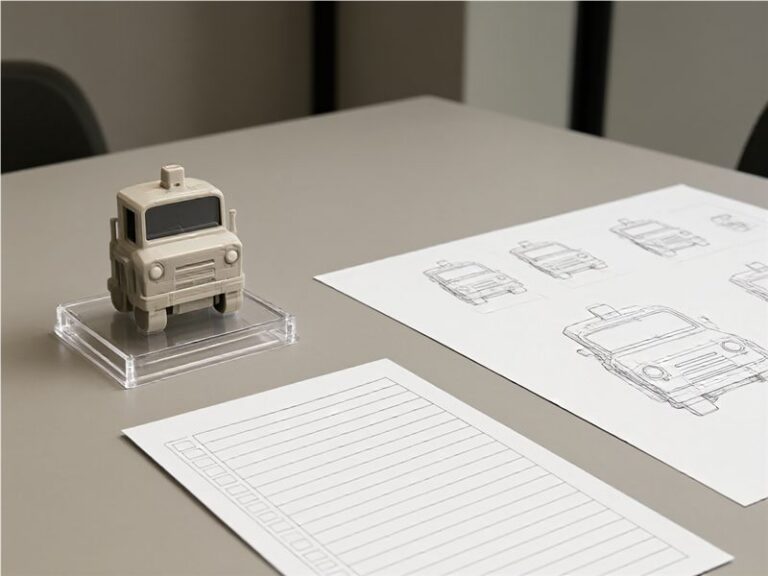
The golden sample is the physical definition of the agreement. It is not the prettiest unit from development or a hand-finished show piece. It is a sealed retail unit taken from the intended packing process, with final components, card and carton. Both sides sign it, and one unit from that set is retained in a controlled place rather than shipped.
That unit settles later arguments: an inspector compares against it instead of a photograph or a memory. I have it labelled with date, model, approver and version, and ask the supplier to keep a second unit under the same reference. A component source changed after sign-off triggers a fresh review; it is not minor simply because the part looks identical. Store the reference away from heat and light, since both material and print age.
Questions buyers ask before sign-off
Can I approve the carton artwork before the final kit sample arrives?
You can approve a layout for planning, but the release should stay conditional. Fill quantities, step counts, claim wording and the age grade all depend on the physical kit and can change during sampling. Mark the proof layout-approved only, then require a signed reconciliation against the sealed unit before the print run. Without that second step, a formulation tweak made during development leaves printed instructions that contradict what the customer receives, which is a kit-level defect rather than a printing error.
What should I keep as evidence for a borax free statement?
Keep three linked items: the ingredient declaration for the activator, a supplier declaration naming the product and stating the substance is not used, and a test result on the finished material from a competent laboratory. Check that the product name and date on each document match the carton you are approving. The claim proves the absence of one ingredient, so avoid artwork implying a broader safety certification, and use identical wording in every market version.
Why does the instruction card cause so many rejected samples?
Because the card is approved with the artwork while the formulation is still changing. Steps, quantities and resting times are copied from an earlier version, then the sample is adjusted without updating the print. On review, follow the card using the actual contents of the sealed unit and note every mismatch. Treat each as a kit-level defect with a named owner. Fix the card, the sachet print or the fill spec, then re-sample instead of relying on a verbal correction.
Who should sign the golden sample on a bulk order?
Signing should involve a named buyer approver and a named responsible person at the supplier, with date, model and version written on the unit. One retained unit belongs to the buyer and one to the supplier, both stored away from heat and light. The signature confirms that the sealed retail unit — components, card, carton and closure — is the batch reference. Any later component change should trigger a fresh review rather than being assumed equivalent.
OEM & ODM TOY MANUFACTURING
Ready to Develop Your Custom Toy Line?
10+ years factory experience • EN71, ASTM F963 & CPC compliance support • Flexible MOQ for toy brands, importers, and Amazon sellers.