




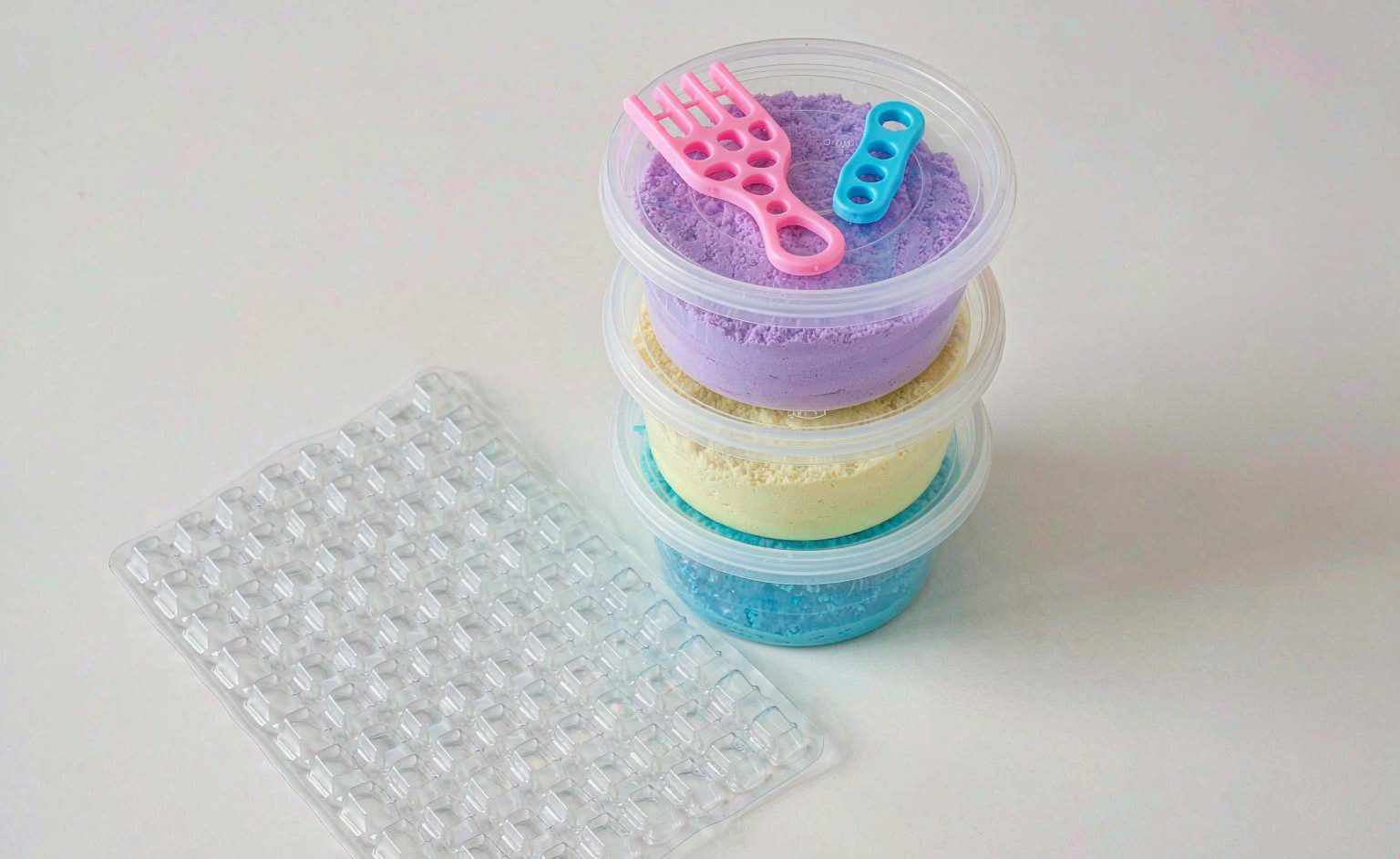
Sensory sand and play dough are sold by weight and volume, and that is exactly where wholesale orders go wrong. The nominal net weight is not the filled weight, the nominal piece count is not the count in the box, and the moulding behaviour that looks perfect in a sample does not survive a different humidity. Distributors who verify the specification rather than the sample avoid the returns that come from under-filled packs and inconsistent texture. This guide covers the checks.

Key Takeaways
- Verify filled weight and piece count against the specification, not the nominal figure.
- Moulding and non-stick behaviour are specification values driven by the formula ratio.
- Test reports apply to a specific formula; a texture variant is a new scope.
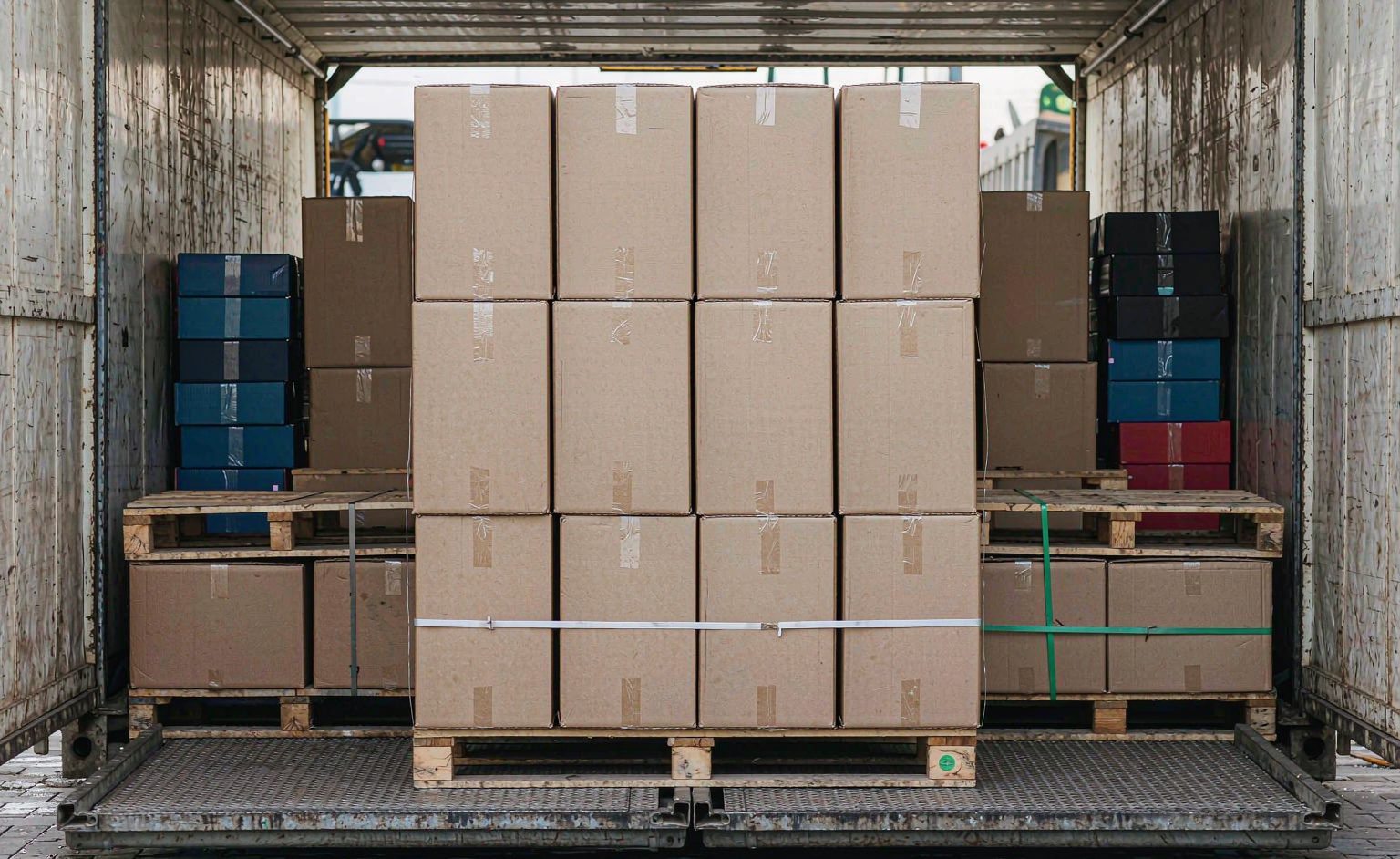
- Packing density drives freight, and sand is heavy for its volume.
- Mixed-batch programs are how smaller distributors reach component MOQs.
What to Verify in the Specification
Four specification fields decide whether the product behaves in the customer’s hands.
| Field | What it decides | How to verify |
|---|---|---|
| Sand-to-binder ratio | Moulding behaviour and crumble | Written ratio or a defined behaviour test |
| Filled weight per unit | Whether the pack matches the label | Weigh a sample batch; check the tolerance |
| Piece / mould count | Whether the kit matches its claim | Count a sample batch against the spec |
| Non-stick behaviour | Whether it stains hands and surfaces | Written specification value |
The filled-weight row is the one that generates retail complaints. A pack labelled at a nominal weight but filled below it is a consumer-protection problem in most markets, not just a quality issue. Weigh a sample batch rather than trusting a single unit. The specification framework for these fields is set out in our kinetic sand supplier guide.
Safety Documents and Scope
Sand and dough are handled directly and often mouthed, so chemical scope matters more than mechanical.
| Item | What to verify | Why |
|---|---|---|
| Standard and edition | EN 71 / ASTM F963 named in the report | Defines what was tested |
| Formula match | Report references your formula and colour | A different texture is a different product |
| Additive disclosure | Fragrance, colourant and preservative list | These drive the chemical results |
| Bill of Materials | Every input with grade | Makes the report traceable |
Fragrance deserves a specific question. Scented variants use additives that change the chemical profile, and a report for unscented sand does not cover a scented version. The document requirements are covered in our toy certification guide.
Packing, Weight and Freight
Sand is dense, and the packing decision moves freight cost more than most buyers expect.
| Packing factor | Effect | What to confirm |
|---|---|---|
| Unit format | Tubs, pouches and boxes pack at different densities | Format and cases per carton |
| Carton configuration | Determines cases per pallet | Carton dimensions and pallet pattern |
| Transit compression | Soft packs deform under load | Whether units are protected in the carton |
| Gross versus net weight | Freight is billed on gross | Packaging weight as a share of total |
Ask for the pallet pattern and cases per pallet, because that is the number that determines your landed freight per unit. A format that looks cheaper per unit but packs at half the density is more expensive to ship. The bulk sourcing considerations are covered in our kinetic sand bulk sourcing guide.
Mixed Batches and MOQ
Smaller distributors rarely reach a single-product MOQ, and mixed batches are the standard answer.
| Approach | How it works | Trade-off |
|---|---|---|
| Mixed container | Several categories in one shipment | Reaches minimums; complicates receiving |
| Mixed format | Same product in several pack sizes | Covers retail tiers; adds packaging minimums |
| Mixed colourway | One formula, several colours | Broadens assortment; adds test scope |
The mixed-colourway row is where compliance and merchandising collide: each new colour needs to be inside the report’s scope. Confirm the tested colour list before building an assortment around it. The set-level specification approach is described in our sensory sand set specification guide, and the piece-count and packaging fields in our kit specification guide.
Frequently Asked Questions
What should distributors verify before ordering kinetic sand?
Filled weight and piece count against the specification, moulding and non-stick behaviour as written values, the test report’s formula and colour scope, and the pallet packing density.
Why does filled weight matter?
Because a pack labelled at a nominal weight but filled below it is a consumer-protection problem in most markets. Weigh a sample batch, not a single unit.
Does a scented variant need separate testing?
Yes, in practice. Fragrance additives change the chemical profile, and a report for unscented product does not cover a scented version.
How does packing format affect cost?
Through freight. Sand is dense for its volume, so cases per pallet and carton dimensions determine landed freight per unit more than the unit price does.
How do smaller distributors reach MOQ?
Mixed batches — several categories in one shipment, or one formula across formats and colourways. Confirm each colourway is inside the report’s scope first.
What causes texture inconsistency between batches?
Drift in the sand-to-binder ratio or moisture content. A written specification with tolerances is what makes the texture repeatable across orders.
Is kinetic sand the same as play dough?
No. Kinetic sand is a coated sand that holds shape through cohesion; play dough is a dough that holds shape through its binder. The moulding behaviour and specification fields differ.
Technical background: kinetic sand, play dough and non-Newtonian behaviour explain the product behaviour referenced above.
If you are shortlisting products rather than writing a spec, the kinetic sand and magic sand range lists what is currently available for bulk and private label orders. For a product that is not in the catalogue yet, custom development covers sampling, moulding and packaging.