

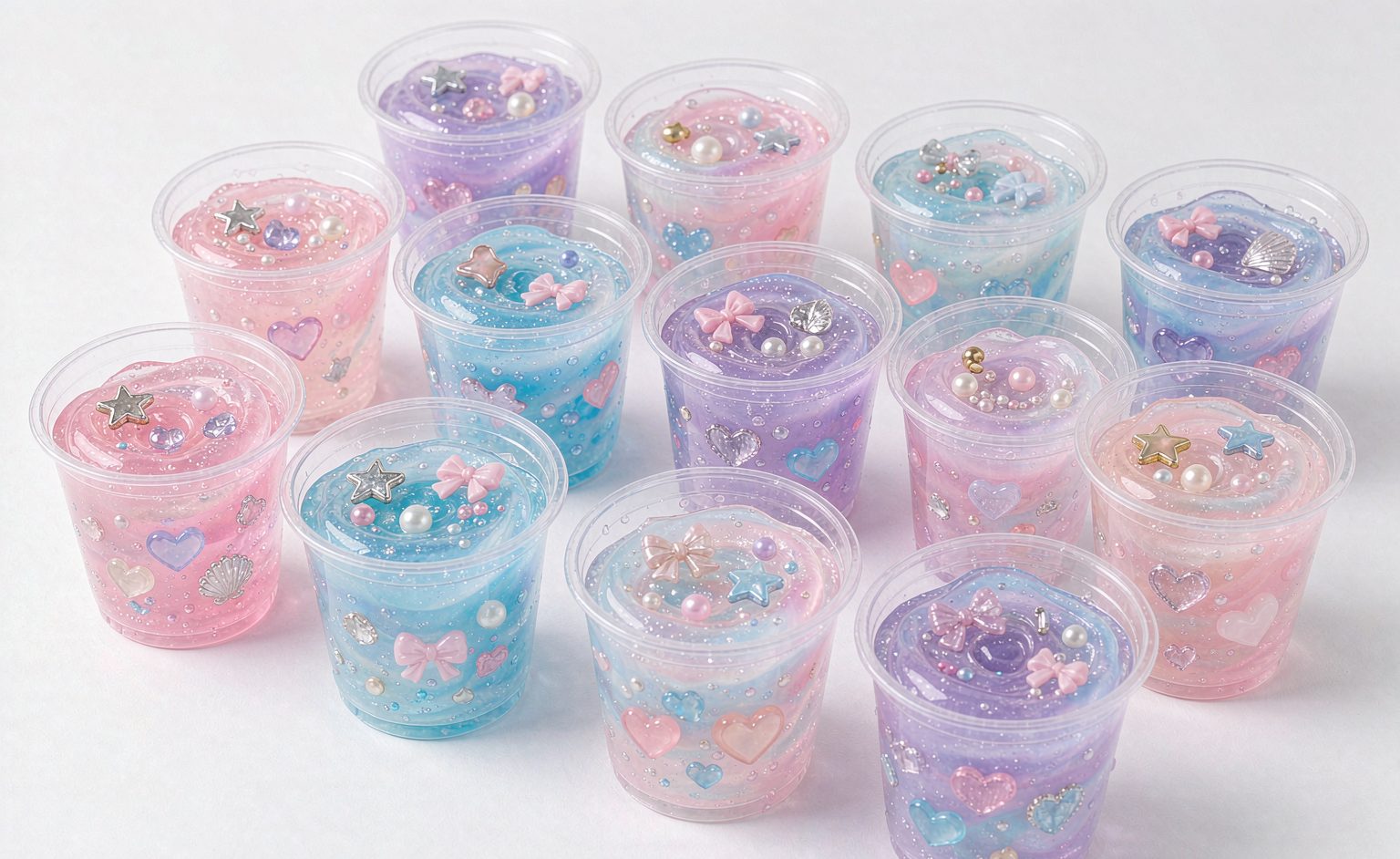
Slime is one of the few toy categories where the buyer’s specification work matters more than the product itself. The same nominal kit can be built from a dozen glue-and-activator combinations, filled into six different container formats, and documented to three different safety regimes — and each combination changes the MOQ, the test report and the retail price. Distributors who treat slime as a commodity and buy on unit price alone end up with compliance documents that do not match their market and rework costs that erase the margin. This guide breaks down how wholesale slime programs are actually structured.
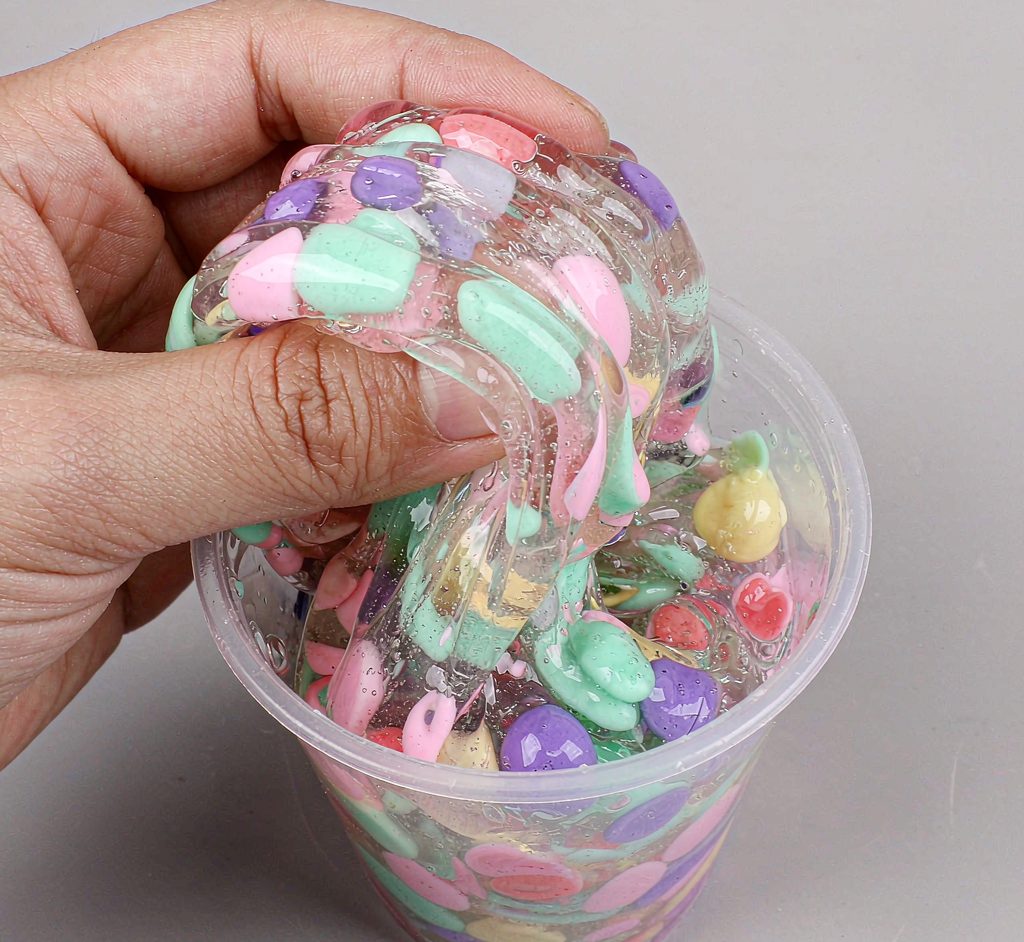
Key Takeaways
- MOQ in slime is structured per component, not per finished kit — glue, activator, filler and container each carry their own minimum.
- The compliance document set (EN71 / ASTM F963 / CPC) is the first thing to request; a supplier who cannot produce it is not a supplier.
- Formula safety and the crosslinker ratio drive both the test results and the feel — specify them, do not assume them.
- Private label is a packaging decision more than a product decision; artwork approval is the step that sets the timeline.
- Mixed-container programs let small wholesalers reach component MOQs by combining categories.
What a Slime Kit Actually Contains
Before pricing anything, separate the kit into its components, because each is sourced and minimum-ordered separately. A typical retail slime kit is not one product; it is an assembly.
| Component | What it is | Buyer decision |
|---|---|---|
| Slime base | Glue (PVA) plus crosslinker and water, pre-mixed or mixed in-pack | Pre-mixed in cup vs dry mix the user activates |
| Activator | The crosslinking solution that turns glue into slime | In-pack bottle vs pre-blended into the base |
| Fillers / additives | Foam beads, glitter, charms, clay, sand | Which textures, and how many per kit |
| Tools / accessories | Spatula, measuring spoon, stir stick, tray | Include or exclude — a major cost lever |
| Container / packaging | Cups, jars, sachets, and the outer retail box | Bulk bag vs finished retail unit |
The distinction between pre-mixed and mix-it-yourself formats matters more than most buyers expect. Pre-mixed kits have a shorter shelf life and higher freight cost per unit but a far better out-of-box experience; dry-mix kits ship flat, store longer and cost less to freight, but require the user to add water and mix. Which one suits your channel depends on whether you are selling a retail experience or a value product.
How MOQ Is Structured
Slime MOQs are component MOQs. A supplier quoting a kit MOQ is quoting the assembly minimum, but the binding constraints sit underneath it.
| Layer | Typical minimum driver | How buyers hit it |
|---|---|---|
| Formula / colour | One production run per formula and colour | Limit the colour count per order |
| Container | Mould or cup minimum from the packaging supplier | Standard containers over custom moulds |
| Outer box / label | Print run minimum | One artwork across multiple SKUs |
| Finished kit | Line setup and changeover time | Fewer SKUs, deeper quantities |
The practical rule: SKU count drives MOQ more than volume does. A wholesaler who wants twelve colour variants will hit a minimum twelve times; one who orders four variants at triple the quantity usually lands inside a single run. When a supplier quotes a high MOQ, ask which layer is binding — the answer is often packaging, and packaging is the layer a buyer can most easily standardise.
Safety Standards and the Document Set
Slime sits in the most scrutinised corner of the toy category, because it is a chemistry product handled by children. The compliance conversation is not optional and it is not a formality — it determines whether the product can legally be sold in your market at all.
| Standard | Market | What it tests |
|---|---|---|
| EN 71 series | EU / UK | Mechanical, flammability and chemical migration requirements |
| ASTM F963 | US | The US toy safety standard, including chemical requirements |
| CPC | US | Children’s Product Certificate backed by third-party lab testing |
| REACH / SVHC | EU | Substance-level chemical compliance of every input |
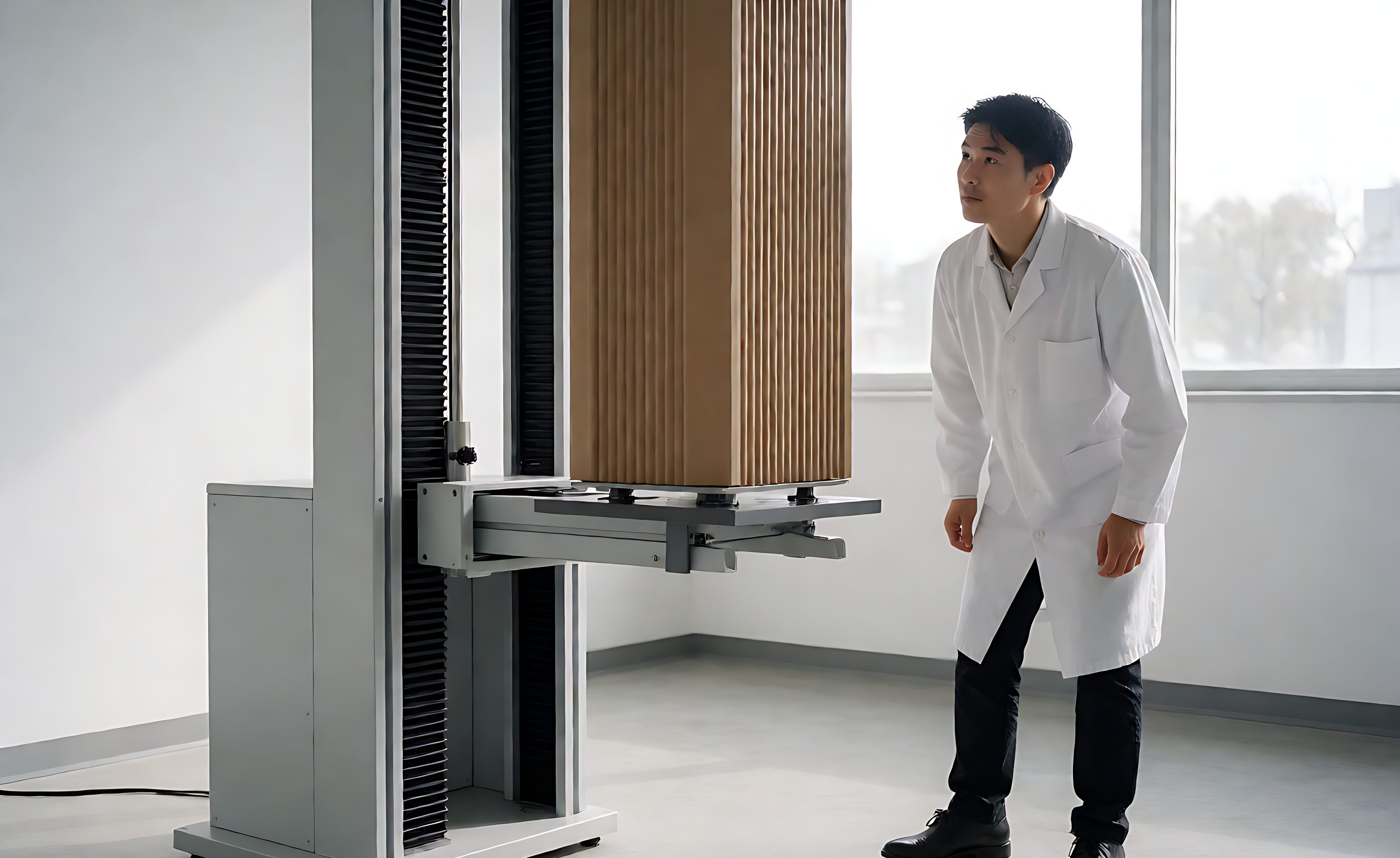
Request the full document set, not a summary claim: test reports from a named accredited lab, the Bill of Materials with every input’s grade, and the certificate itself. Cross-check the lab report against the exact formula and colour you are ordering — a report for a different colourway does not cover yours. If a supplier cannot connect report to formula to production batch, treat that as the finding it is.
Formula Specifications to Pin Down
Two specification questions separate a repeatable product from a batch that varies. First, the base chemistry: PVA glue grade, the crosslinker type and its ratio. Second, the sensory profile: viscosity target, stretch behaviour and how it holds that profile over the stated shelf life. Neither is visible in a sample photo, and both are the reason two “identical” kits behave differently on a retail shelf.
Ask for a written specification sheet with tolerances — the specification framework in our slime sourcing guide covers the fields to request. A supplier who works to a spec can reproduce your kit next year; one who works to “the same as the sample” cannot, and the second order becomes a re-development project.
Private Label and Packaging Options
Private label in slime is primarily a packaging exercise. The product is specified and tested once; the brand identity lives on the cup, the label, the insert card and the outer box. That makes it one of the more accessible private-label categories for a first-time brand owner — the artwork is the project, not the chemistry.
| Option | What changes | Lead-time impact |
|---|---|---|
| Label only | Your brand on a standard container | Lowest — print run only |
| Printed cup / sachet | Brand printed directly on the container | Medium — adds print approval cycle |
| Custom outer box | Full retail box with your design | Highest — structural design plus print |
| Full kit design | Custom insert, tool, accessory selection | Highest — tooling and component sourcing |
The timeline is set by artwork approval, not production. Build one revision round into the plan and freeze artwork before the production slot is booked — changes after the print run starts mean reprinting, not adjusting. The end-to-end flow from artwork to bulk production is covered in our private-label OEM guide.
Verifying a Supplier Before the First Order
Three checks close most of the risk. Verify the document set connects report to formula to batch. Verify the sample you approved matches the specification sheet in writing, including shelf life. Verify the packaging minimums, because packaging — not product — is usually the binding MOQ. A supplier who clears all three is a supplier; one who resists any of them is quoting a price for a product they cannot reproduce.
Frequently Asked Questions
What is the typical MOQ for slime kit wholesale?
It is set by the binding component layer — usually the container mould or the print run — rather than by the finished kit. Reducing SKU count and using standard containers is the fastest way to bring the effective minimum down.
Which safety standards apply to slime kits?
EN 71 for the EU and UK, ASTM F963 for the US, with a Children’s Product Certificate for US retail. REACH applies at substance level in the EU. The exact set depends on your destination market.
What documents should a slime supplier provide?
Test reports from a named accredited lab, a full Bill of Materials with grades, and the relevant certificate — all traceable to the exact formula and colour you are ordering, not a generic sample.
Is pre-mixed or mix-it-yourself slime better for wholesale?
Pre-mixed gives a better out-of-box experience but costs more to freight and has a shorter shelf life. Mix-it-yourself ships flat, stores longer and costs less — the right choice depends on your channel and price point.
How does private label work for slime kits?
Mostly as a packaging project: the formula is specified and tested once, and your brand is applied via label, printed container or outer box. Artwork approval, not production, sets the timeline.
Can I combine categories to reach MOQ?
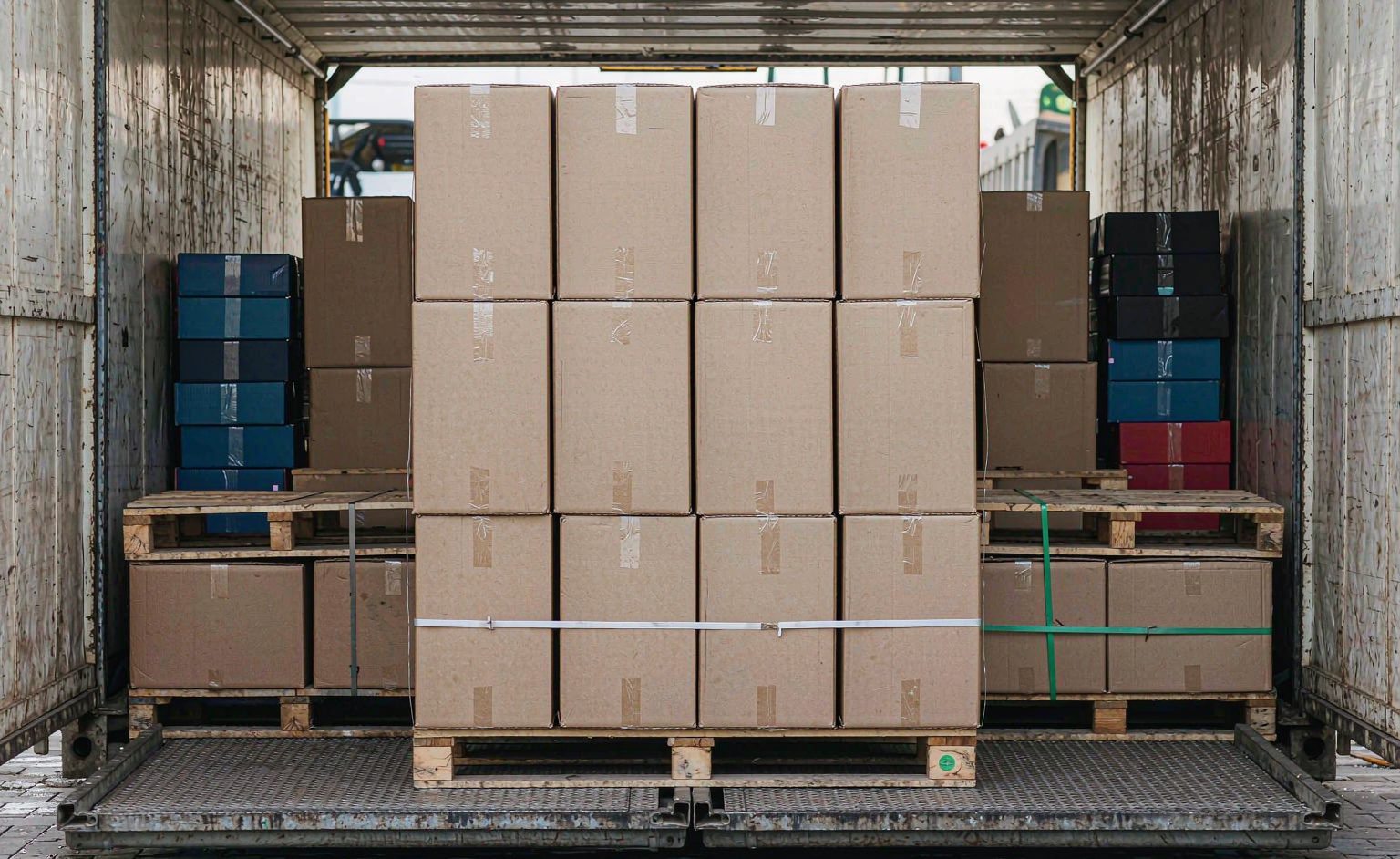
Yes — mixed-container programs let smaller wholesalers reach component minimums by combining several toy categories in one shipment, spreading the packaging and print minimums across a wider order.
What causes slime quality to vary between batches?
Drift in the crosslinker ratio, filler moisture content, or mixing time. A written specification with tolerances and a shelf-life statement is what makes a kit reproducible across orders.
Technical background: slime as a toy category, polyvinyl alcohol chemistry and the EN 71 toy safety standard explain the product category, base chemistry and compliance framework referenced above.
To compare finished kits instead of specifications, see the slime and slime kit range with current piece counts and pack formats. If you need your own formula, colours or packaging, start from ODM/OEM development.