


Bulk buyers ask the safety question constantly: is kinetic sand actually safer than play sand, or just trendier? The honest answer is that they are different materials with different failure modes, and the right choice depends on the age group, the venue, and the documents your supplier can produce. This comparison covers composition, dust, applicable standards, and the paperwork that separates a defensible purchase from a liability.
Two Sands, Two Binding Systems
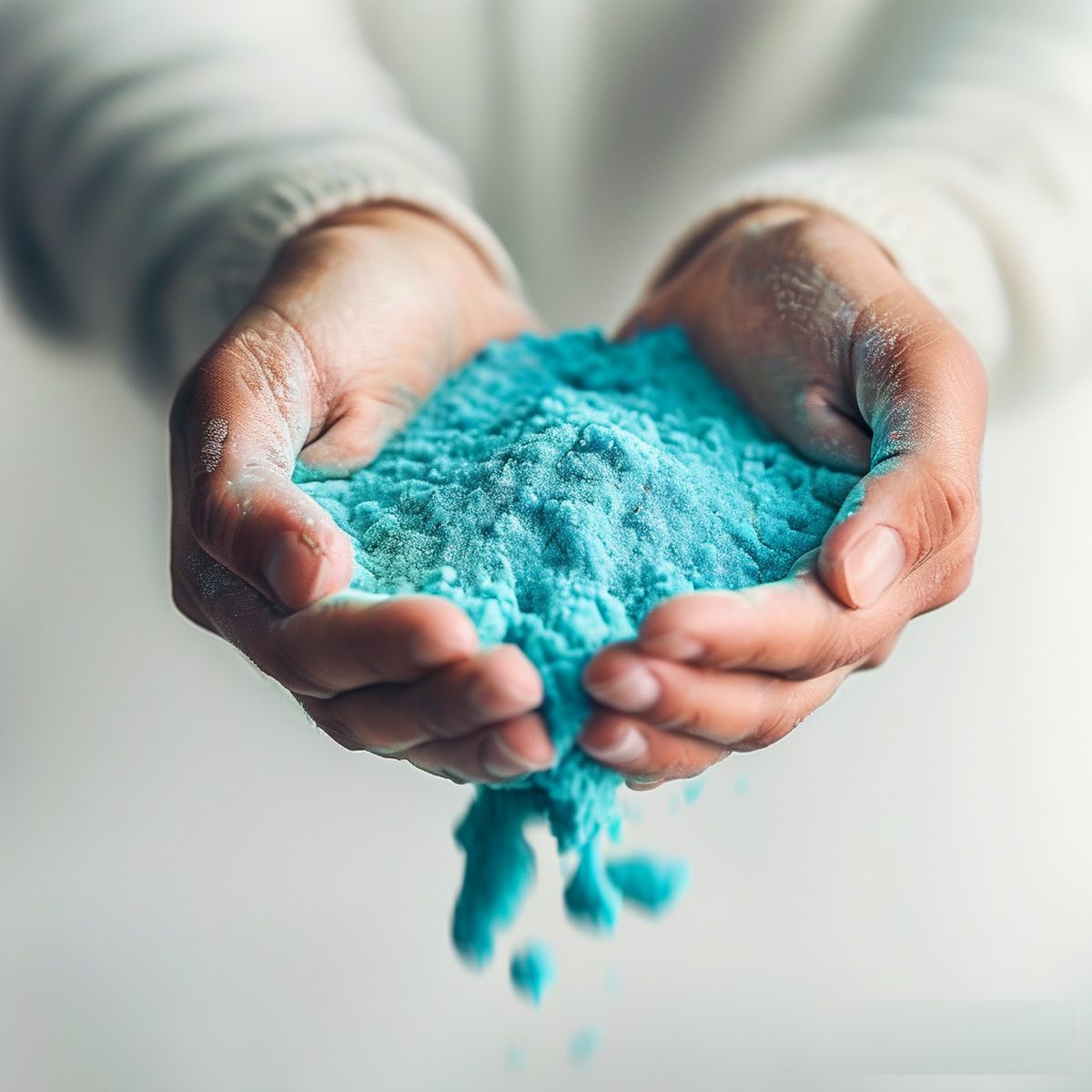
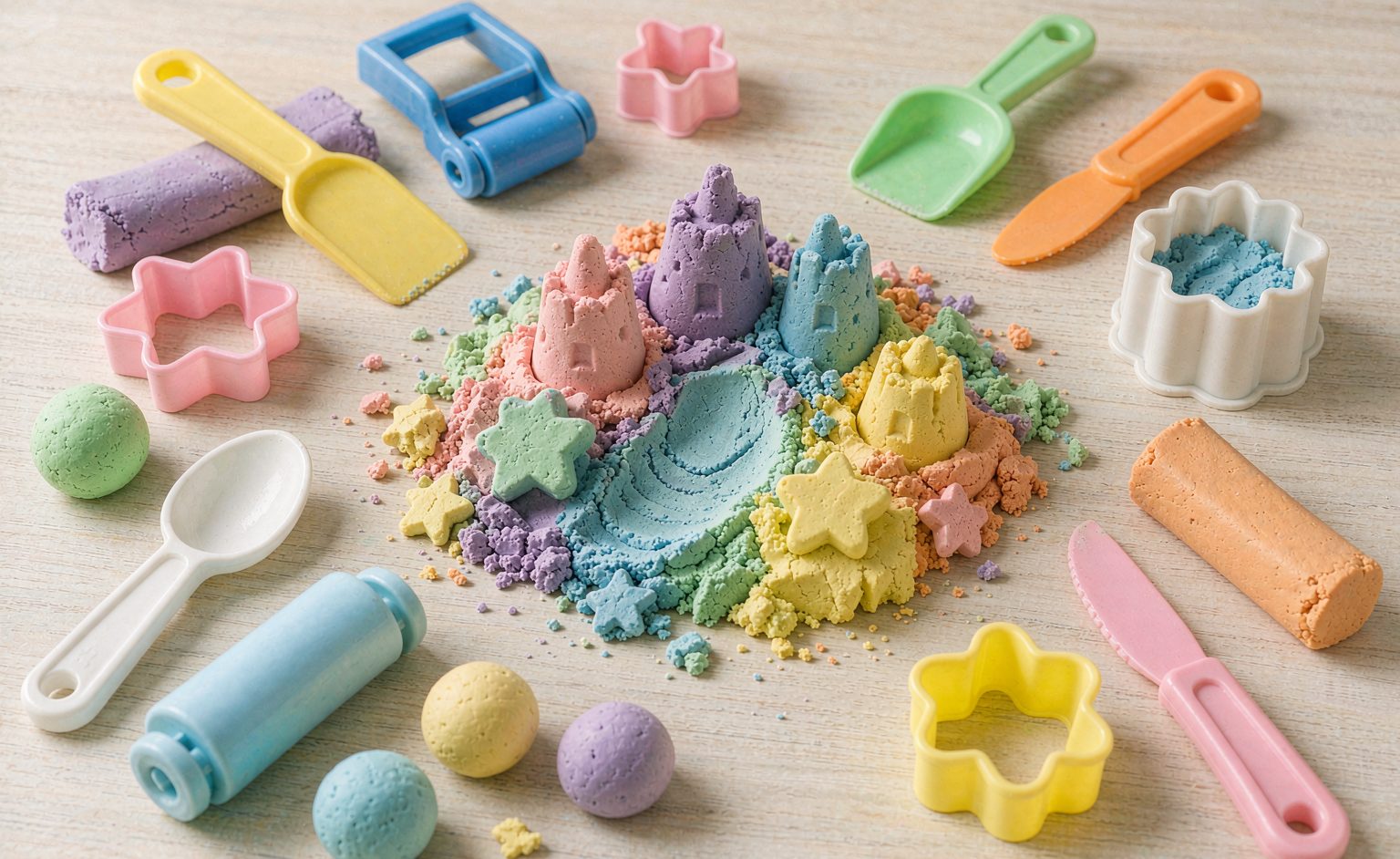
Play sand is natural silica or quartz sand, washed and sieved. Its safety profile depends almost entirely on what is not in it: crystalline silica dust, asbestos traces, and biological contamination. Kinetic sand is roughly 98% sand coated with a silicone polymer that makes it moldable and nearly dust-free in use — the binding agent, not the sand, is where formulation quality varies between suppliers.
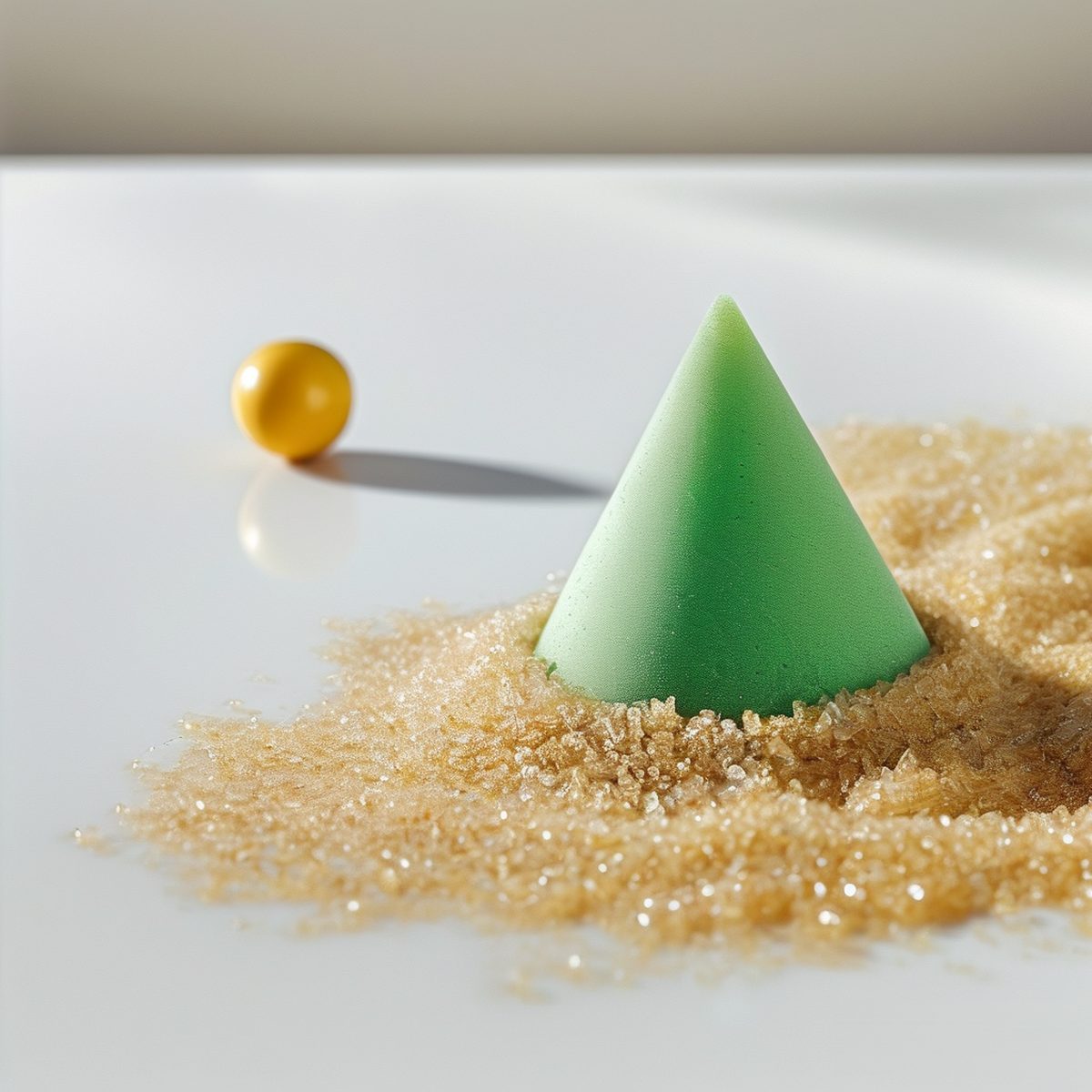
| Property | Play sand | Kinetic sand |
|---|---|---|
| Composition | Washed silica/quartz | Sand + silicone binding coat |
| Dust when poured | Visible dust cloud possible | Near-zero dust |
| Moldability | Only when wet | Always, holds shape |
| Cleanup | Brush or wash | Clumps, picks up easily |
| Typical failure mode | Dust, contamination | Binding-agent chemistry |
Dust and Respiratory Considerations
Indoor use is where the two diverge most. Dry play sand in an enclosed classroom produces airborne dust that sensitive children and staff notice immediately; occupational limits for respirable crystalline silica exist for a reason. Kinetic sand releases essentially no dust during normal play, which is why indoor sensory rooms migrated to it. Neither material should be heated, burned, or mixed with unknown liquids — the binding polymer is stable in normal use but is not designed for thermal abuse.
Safety Standards That Actually Apply
For toys, two frameworks dominate purchase decisions. EN 71 is the European toy safety standard; Part 3 governs migration of certain elements, and kinetic or play sand sold as a toy in the EU must comply. ASTM F963 is the US toy safety standard, similarly covering heavy metals and mechanical hazards. Sand sold for sandboxes or construction rather than play may fall outside these scopes entirely — which is exactly why a buyer must pin down the intended use in writing.
Documents to Request From a Supplier
Before any bulk order, request the same set regardless of sand type: a recent third-party test report for EN 71-3 or ASTM F963 (dated within 12 months, covering the exact formulation), a material safety data sheet, and the production batch traceability policy. Our supplier-side checklist in the kinetic sand supplier guide lists these alongside MOQ and spec considerations. A supplier who cannot produce a current test report for the specific product is telling you the report does not exist.
| Document | What it proves | Red flag |
|---|---|---|
| EN 71-3 / ASTM F963 report | Heavy metals within limits | Older than 12 months, or wrong model name |
| MSDS / SDS | Composition and handling | Generic “sand” listing without polymer details |
| Batch traceability | Recall is possible | “No batch system” answers |
| Age grading statement | Intended age on the label | Missing small-parts warning for under-3s |
Choosing by Age Group and Venue
Under three years old: both products are a swallowing risk, and the label decides legality more than the chemistry. Preschool and sensory rooms: kinetic sand’s dust-free behaviour and easy cleanup win. Outdoor sandboxes: washed play sand with a documented silica content, covered when idle. Age grading statements and warning labels are part of the toy compliance picture in both EN 71 and ASTM F963, so verify them against your market before shipment rather than at the port.
Frequently Asked Questions
Is kinetic sand non-toxic if a child eats some?
The polymer binder is formulated to be non-toxic, and small incidental amounts pass through the digestive system. It is not food, and intentional ingestion of any sand is a medical question — check the product’s age grading and keep it away from children who mouth objects.
Does play sand contain harmful silica dust?
All quartz sand contains crystalline silica; the question is whether fine, respirable particles are present. Request a silica content and particle-size statement, choose washed and sieved play sand, and avoid pouring it dry in enclosed spaces.
Which standard should I demand for the EU and US markets?
EN 71 for the EU, ASTM F963 for the US. Many manufacturers test to both — ask for both reports if you ship to both markets, and confirm the report names the product and formulation you are actually buying.
Can kinetic sand grow mould or bacteria?
Its low moisture content resists microbial growth in normal use, but mixing in water or leaving it in sealed damp containers changes that. Keep it dry, store it sealed, and replace product that develops any odour.