



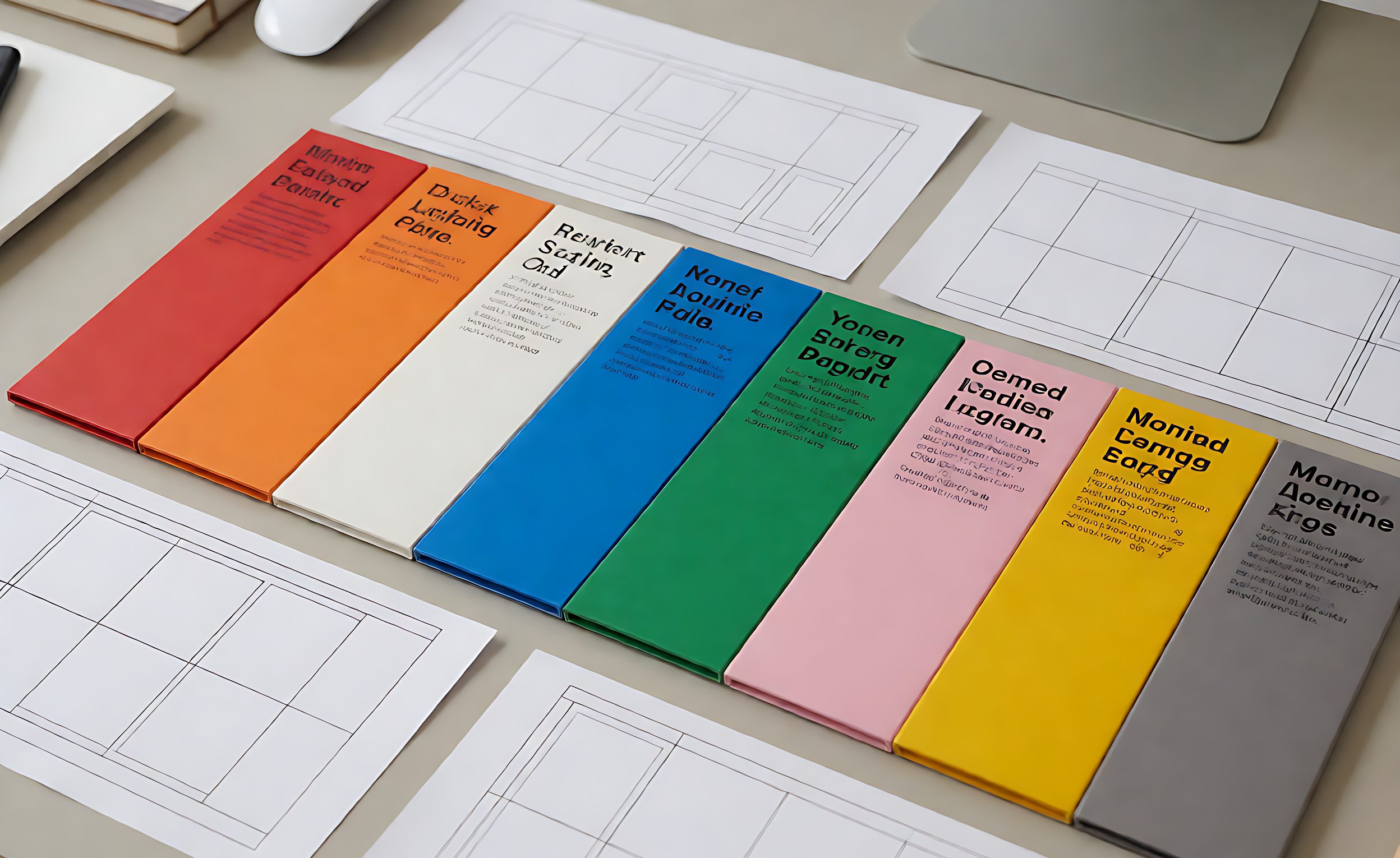

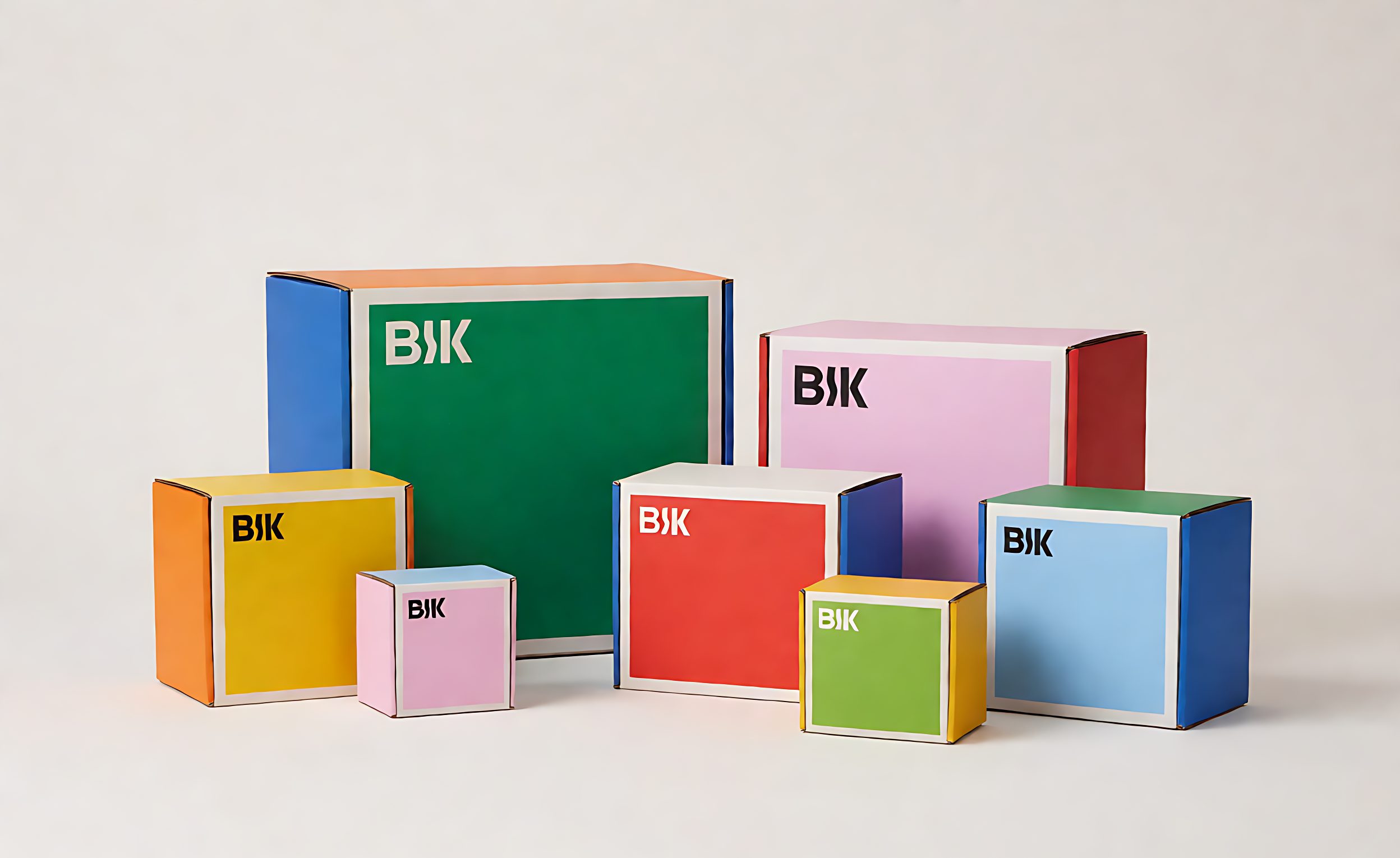
A private label program puts the buyer’s name on somebody else’s product, and the logo is the part of that decision that touches compliance. Placement is not purely an aesthetic question: a mark positioned badly can obscure a mandatory warning, cover an age grade, or sit on a surface the standard treats as part of the product’s instructions. Buyers who approve artwork by eye alone tend to discover this at the receiving dock.
The rules are not complicated, but they are positional. Once the pack and the product leave the drawing board, minimum size, contrast, durability and proximity to mandatory text all have to hold on the physical item, under store lighting, after a transit cycle. This guide covers where the mark can go, what it must never cover, and how placement is locked before bulk printing begins.

Placement Is a Compliance Decision
Every regulated text element on a toy pack carries a location expectation, even where the standard does not spell out coordinates. Warnings must be visible before purchase, which in practice means the principal display panel. The age grade must be legible where a parent looks. Traceability information has to survive to the bin. A brand mark occupying any of that space competes with a legal requirement, and the legal requirement wins.
- Principal display panel: the face a shopper sees on shelf, where mandatory warnings generally belong or sit adjacent.
- Secondary panels: side and back faces, which usually carry the importer address, batch code and barcode.
- Product surface: the toy itself, where a permanent mark supports traceability on categories that require it.
- Inserts and hangtags: attached material that can carry brand story but should never be the only home for mandatory text.
What the Logo Must Never Cover
- Warning statements: choking hazard text, age warnings and battery warnings cannot be partially overprinted.
- The age grade: the stated age band must stay readable at normal viewing distance.
- The conformity marking: it carries minimum height and visibility rules and must not be visually crowded by adjacent artwork.
- Barcode and batch code: these are scanned rather than read, and a mark bleeding into the quiet zone breaks the scan.
- Importer or manufacturer address: required contact details stay legible, even on small packs.
The recurring failure is not deliberate covering but crowding. A mark enlarged during a design review pushes a warning to a smaller type size, and nobody rechecks legibility at the actual pack scale.

Choosing Where the Mark Sits
On a printed pack, the brand mark normally occupies the upper third of the principal panel, with a clear margin from any mandatory text block. On a window box or blister card, the printed card carries the mark rather than the transparent window, whose contents shift. On a hanging pack, the mark should read correctly when the hook is up, which is not always the orientation of the artwork file.
Size should be specified as a proportion of panel area rather than a fixed millimetre value, so the same artwork scales across a family of pack sizes. Contrast matters as much: a light mark on a light background can meet a size rule and still be unreadable on a shelf. Durability matters most of all, because a mark that rubs off in transit removes the buyer’s traceability along with their branding.
Branding on the Product Itself
Product-level marking is where a private label program meets manufacturing reality. Pad printing suits hard, slightly curved surfaces; heat transfer suits flat panels and larger areas; woven labels and printed tags suit plush and textile items; embroidery holds up on fabric but loses fine detail. Each method has a minimum line width below which a logo’s fine strokes disappear, and each brings a setup cost and a minimum run that should be negotiated before the artwork is finalised.
Placement on the product must also respect the safety case. A mark applied over a seam can weaken it, a hard printed patch on a plush surface can become a peelable fragment, and any decoration on a mouthable part is assessed like any other accessible material. Ask the factory which process it proposes, then ask where on the assembly line it happens, because a mark applied after final inspection has no inspection at all.

Locking Placement Before Bulk
Placement should be approved on a physical proof, at scale, on the actual substrate, under retail lighting. Digital approvals hide three things: how small the mandatory text has become, whether the mark’s contrast survives the board varnish, and whether the mark still reads once the pack is shrink-wrapped or hung. A printed proof costs a day; reprinting a carton run costs the margin on the order.
Then make the approved proof the reference. Seal it, photograph it, and require the factory to compare the first hundred printed cartons against it before the line continues. Where the program spans several pack sizes or a family of SKUs, approve one proof per size, because a mark that scales cleanly from a large box to a small one is the exception rather than the rule.
Technical Background
The commercial model is described under private label, where a retailer or brand owner sells a manufacturer’s product under its own name. The mark itself is a logo, and the usual method for applying it to an irregular plastic surface is pad printing, which is why fine line widths matter more on curved parts than flat ones.
Working Placement Into the Order
State on the purchase order: the marking process per surface, the placement coordinates or an approved proof reference, the size as a proportion of the panel, the color reference, and the durability check the mark must pass. Require the factory to declare any change of printing subcontractor, since a different press changes the result even when the file is identical.
The wider program is covered in the private label OEM guide, and the mandatory text the mark must not crowd is treated in the age grading and warning label guide and the multilanguage packaging guide. Getting from artwork to a sealed placement reference follows the golden sample approval workflow.
Frequently Asked Questions
Can my logo cover part of a warning?
No. Warning text must remain fully legible, and partial overprinting is treated as a missing warning rather than a design compromise.
Is there a minimum logo size?
No minimum for the brand mark itself, but the mandatory text around it has legibility expectations, so crowding is what actually fails.
Where should the logo go on a hanging pack?
Where it reads correctly with the hook up, which is often rotated relative to the artwork file, and away from the barcode quiet zone.
Can the logo be printed only on an insert?
It can, but mandatory text should not rely on a removable insert, so the pack itself still carries the required information.
Which printing method suits plastic toys?
Pad printing for curved hard surfaces, heat transfer for flat panels, and woven labels or embroidery for plush and textile items.
Does the logo need to survive rubbing?
Yes. A mark that abrades away takes traceability with it, so specify a durability check appropriate to the surface.
Who owns the printing plates and screens?
Whoever paid for them, if the contract says so. Tooling ownership should be settled in writing before the first run, not after a supplier change.