

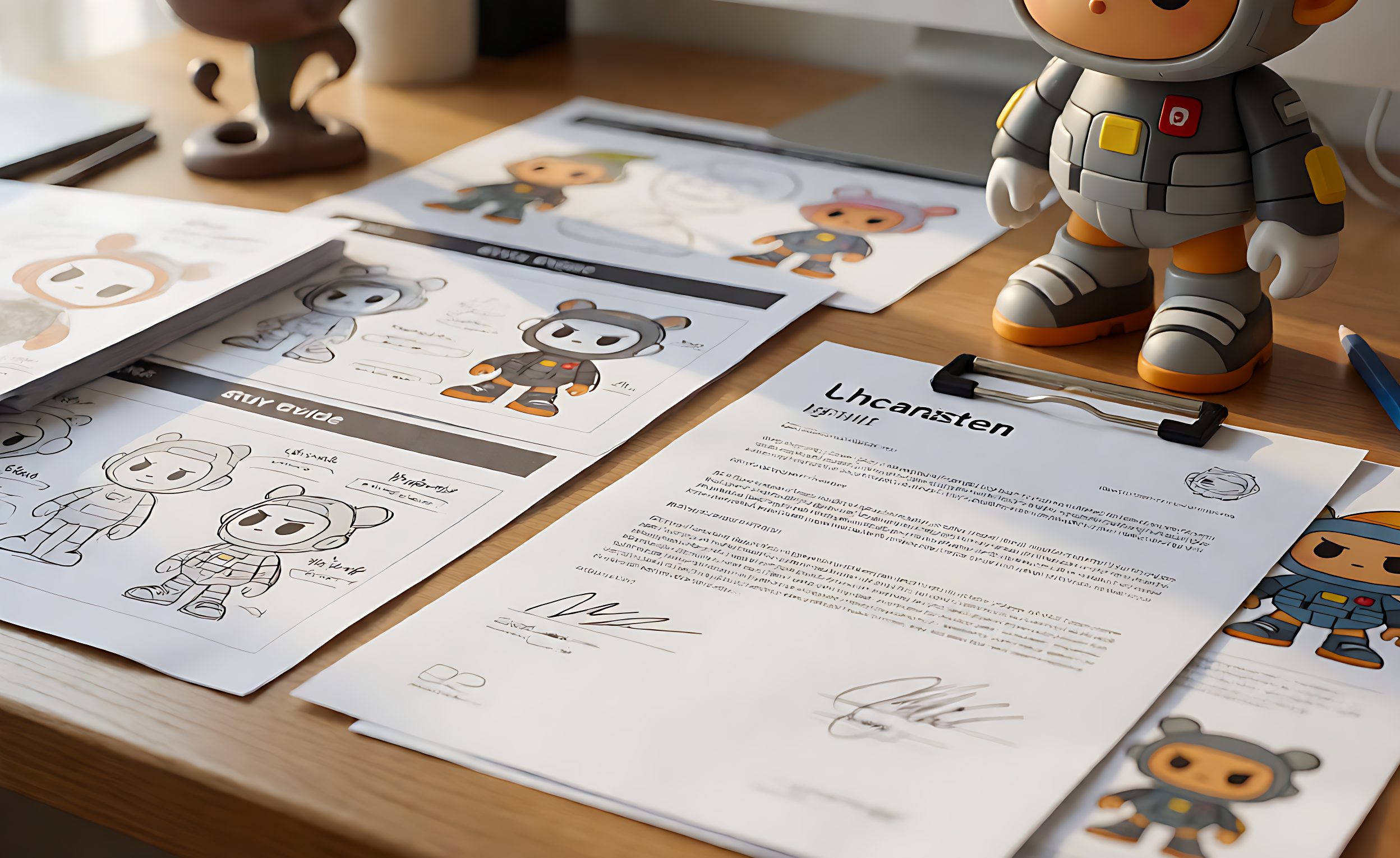
A licensed character turns an ordinary toy into a product with a second owner. The factory builds it, the brand owner controls the name and the artwork, and the importer selling it inherits obligations that a generic SKU never carries. Most problems in licensed production are not quality problems; they are documentation problems that surface at the moment a retailer, a marketplace or a customs officer asks who authorised this product.
Licensing compliance is therefore a manufacturing discipline as much as a legal one. It decides how artwork is released, how units are counted, how overruns are handled, and who holds the mould. Getting it right is mostly a matter of writing the rules into the production order before the first shot is moulded.

What the Licence Actually Grants
A licence is a list of permissions, and the discipline is to read it as one. The lines that carry the most weight in production are:
- Scope of rights: which characters or marks are covered, which product categories they may appear on, and the territories where the finished goods may be sold. A licence for one market does not authorise an export container.
- Term: the production window and the sell-off window, which are separate things. Units produced after the production term ends are unauthorised even when they are flawless.
- Artwork approval: a named approval route for the character art, the packaging and any advertising use, with the approved files stored as the reference every department works from.
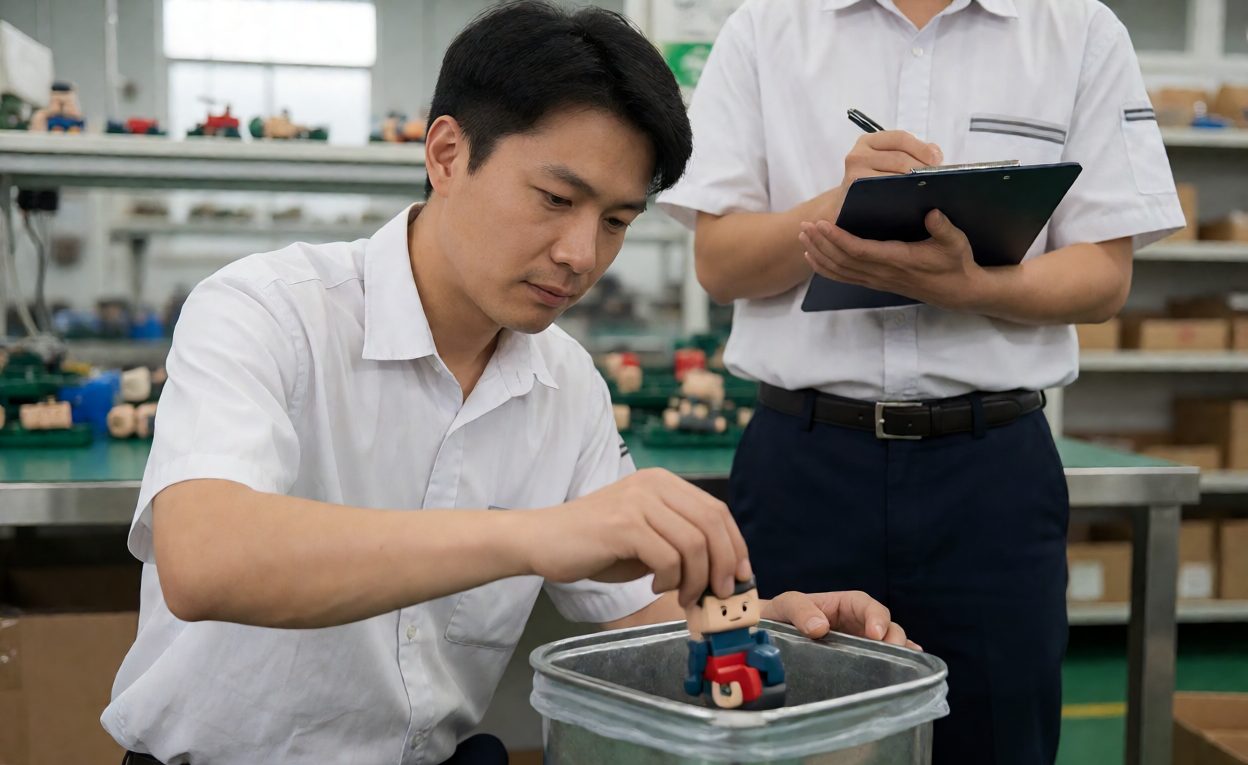
- Quality and audit rights: the licensor’s right to inspect the line, to approve a pre-production sample, and in most agreements to require witnessed destruction of refused units.
The practical reading is narrow: anything not on the list is not licensed. Category creep is the common failure – a licence covering figures does not extend to the plush line, and a licence covering retail packaging does not cover a display shipper assembled later.
Royalty Reporting Is a Counting Problem
Royalties are usually calculated on units produced or units sold, and the difference is significant in toy manufacturing, where production, shipment and sale can sit months apart. The agreement names the basis, and the factory then has to produce a count the brand owner can audit. That means a per-production-order unit count taken from the line, not reconstructed from the commercial invoice, and scrapped units recorded separately, because most agreements treat them differently.
Overruns are where relationships break. Moulding and packing lines produce a natural surplus, and the handling of that surplus must be stated in the agreement: a permitted overrun percentage, with the excess either destroyed under witness, held for the next authorised order, or declared and royaltied. An undeclared surplus sold through a clearance channel is the single fastest way to lose a licence, and it is discoverable because the production count and the royalty report stop reconciling.
Where the Contract Meets the Production Line
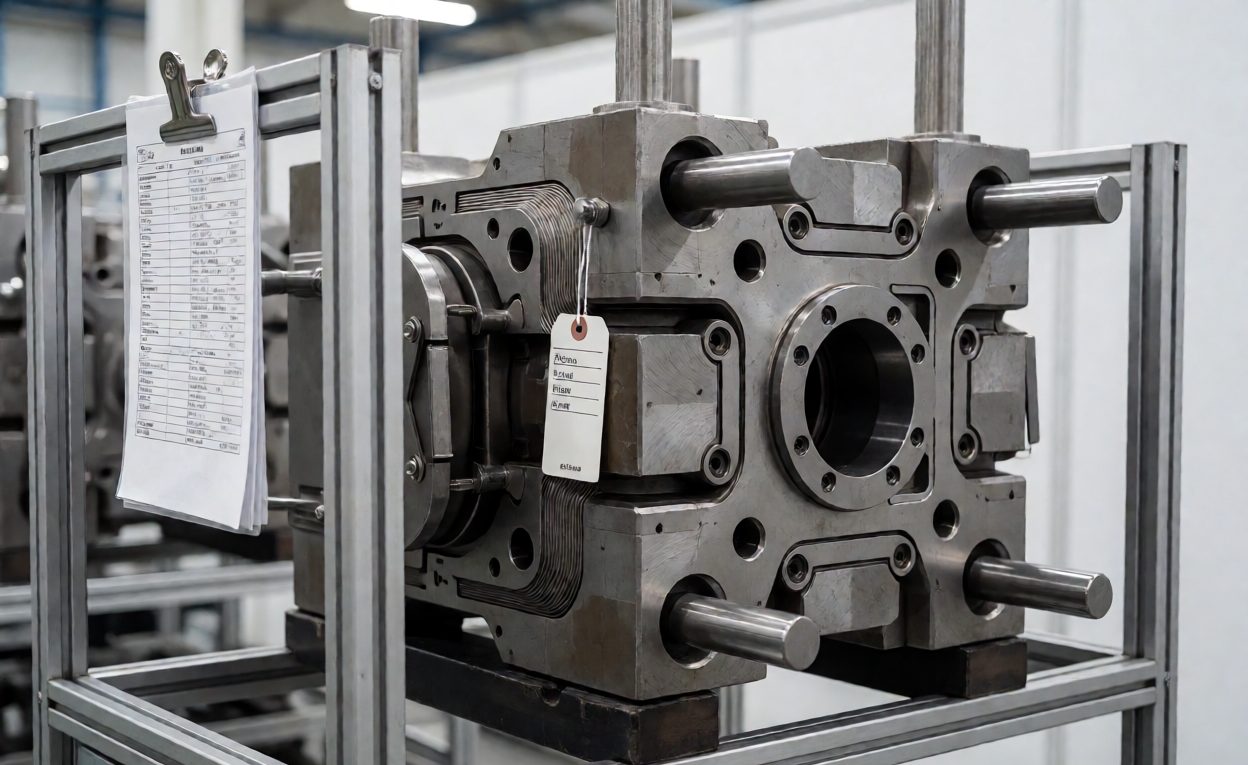
Three physical decisions carry the contract onto the floor. Moulds and tooling for licensed shapes are typically acknowledged as the licensor’s property or made subject to a disposal clause, so a tool cannot be quietly moved to another customer when the programme ends. Packaging carries the licensor’s legal notice, the authorised importer’s details and, in the EU, the same marking obligations as any other toy. Samples, overruns and refused units must be held under the same control as the licensed output rather than leaving the factory as souvenirs.
Enforcement visibility is what makes this matter. Brand owners and marketplaces trace unauthorised goods through batch codes and pack artwork revisions, so a licensed toy with an untraceable batch is indistinguishable from a counterfeit one once evidence is requested.
Technical Background
The commercial arrangement itself is a form of licensing, and the per-unit payment it generates is a royalty payment. Both sit under intellectual property law, which is why the characters, marks and artwork in a licensed programme are treated as assets with an owner rather than as design inputs a factory can reuse.
Running a Licensed Programme Cleanly
The operational checklist is short. Freeze the approved artwork and store it as the golden reference for the line. Record units produced per production order, with scrapped units on a separate line. Name a disposal method for refused and surplus units. Reconcile the production count against the royalty report before the report is sent.
Then keep the licensed programme separate from the ordinary catalogue in the compliance file: its own documents, sample record and disposal evidence, so an enquiry about one SKU does not require opening the whole factory’s history.
The manufacturing controls a licence assumes are set out in the toy factory audit checklist, and the document discipline behind traceability is described in the EU toy safety document pack. Where the licensed shape needs a new tool, ownership is treated in the mould and tooling ownership guide, and the wider brand route appears in the private label toy OEM guide.
Frequently Asked Questions
Can a factory produce a licensed toy without holding the licence?
No. Producing, holding or disposing of licensed goods without the rights is infringement, and tooling, artwork and finished units can all be seized or destroyed once it is found.
What is the difference between units produced and units sold?
The agreement names the basis. A produced-unit basis is payable before the goods sell, so overruns and scrap need recording separately from saleable output to avoid overpayment.
Who owns the mould for a licensed shape?
Usually the brand owner, or the tool is subject to a disposal clause. The agreement should state it, and the factory should not move the tool to another customer after the programme ends.
How should overruns be handled?
Within the stated overrun allowance, then declared and royaltied, or destroyed with a witnessed record. Undeclared surplus sold on the side is a licence-ending event.
Do licensed toys need the same safety testing as others?
Yes, and often more. A licensed product carries the ordinary EN 71 or ASTM obligations plus any additional test scope the licensor requires in the agreement.
What should a royalty report contain?
Units produced per production order, scrap and defective units recorded separately, the calculation basis used, and the period covered, all reconciled with the factory’s production records.
Can unsold licensed units be sold after the term ends?
Only within a sell-off window if the agreement grants one. Otherwise they must be disposed of under the agreed method, and the disposal should be documented.
Safety and documentation questions usually come up alongside commercial ones. If you are checking what a supplier should provide before an order, the sourcing and MOQ FAQs cover the common cases, and ODM/OEM development sets out how testing and approvals fit into the sample stage.