

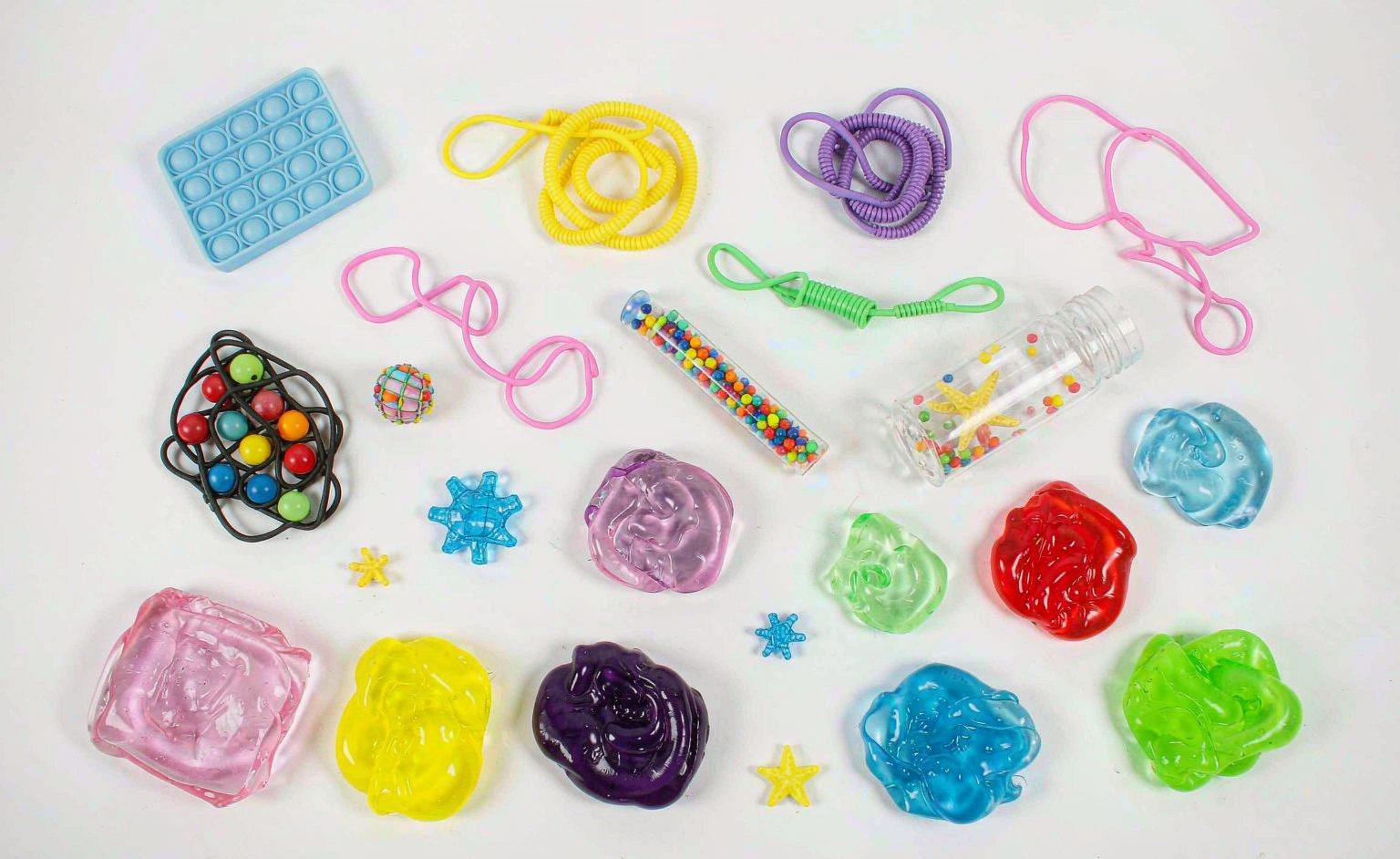
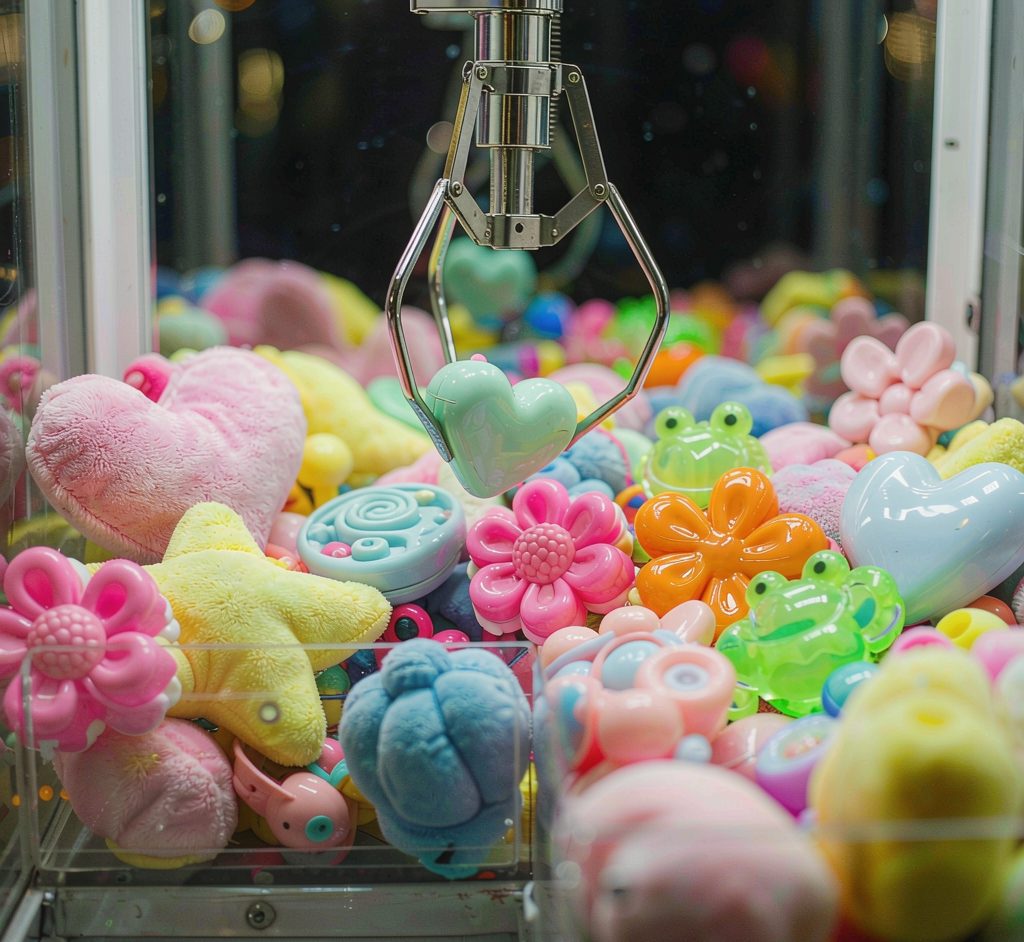
Buying toys for vending and claw machines is a different discipline from retail wholesale, and applying retail logic to it loses money. The unit of decision is not the case price but the cost per play, the SKU is selected for turnover and claw-grip rather than for shelf appeal, and the reload cycle has to fit the machine’s location traffic. Operators who buy on case price alone end up with stock that jams, will not grip, or sits in the machine for months. This guide covers the buying logic.
Key Takeaways
- The unit of decision is cost per play, not case price.
- Machine limits — size, weight and claw aperture — eliminate SKUs before price does.
- Turnover rate is the primary selection criterion; slow stock is dead capital.
- Prize value tiering is what keeps players engaged across locations.
- Reload rhythm should follow location traffic, not a fixed calendar.
The Machine Constraints First
Physical limits eliminate SKUs before any commercial comparison starts.
| Constraint | What it eliminates | What to confirm |
|---|---|---|
| Prize aperture | Anything that cannot be lifted through it | Maximum prize dimensions |
| Claw grip force | Items too heavy or too smooth to grip | Weight ceiling and surface requirements |
| Prize bin depth | Items that stack and jam | Bin geometry and stacking behaviour |
| Vending column size | Packaging that will not feed | Package dimensions per column |
The grip constraint is the one operators underestimate. A smooth, hard-surfaced toy slips from the claw, and the player who loses three times in a row does not return. Textured or soft-surfaced items grip far better. The material behaviour behind grip is covered in our sensory toy materials comparison.
Cost per Play, Not Case Price
The commercial comparison is per play, and it changes the ranking completely.
| Metric | What it tells you | How to use it |
|---|---|---|
| Cost per unit | The landed cost of one prize | Input only; not the decision metric |
| Plays per unit | How many plays it takes to win one | Drives revenue per prize |
| Cost per play | Prize cost divided by plays | The number to compare SKUs on |
| Turnover rate | How fast a prize leaves the machine | Decides whether capital is working |
A cheap prize that takes sixty plays to win can be more expensive per play than a dearer prize that takes fifteen. Model the plays-per-unit figure from your own machine’s history rather than from a supplier’s estimate, because it varies by location and claw setting.
SKU Selection for Turnover
Selection criteria for machines differ from retail criteria.
| Criterion | Why it matters in a machine | What to prefer |
|---|---|---|
| Instant recognisability | Players choose the machine by what they can see | Bright, simple, immediately identifiable items |
| Grip reliability | Determines win rate and repeat play | Textured or soft surfaces over smooth hard ones |
| Size uniformity | Mixed sizes cause jams and unfair odds | Uniform sizes within a tier |
| Durability | Prizes are dropped, crushed and handled repeatedly | Robust construction over delicate detail |
| Broad appeal | Machines serve all ages, not a target segment | Universal appeal over niche interest |
Durability matters more than in retail because a machine prize is handled dozens of times before it is won. A fragile item arrives broken and generates complaints rather than plays. The set-level specification approach is covered in our sensory set specification guide.
Loading Cost and Reload Rhythm
Reloading is a labour cost that has to be part of the economics.
| Factor | What it drives | How to manage it |
|---|---|---|
| Prizes per machine | Reload frequency | Match to location traffic |
| Reload labour and travel | Cost per reload visit | Batch visits across nearby locations |
| Prize mix per machine | Player engagement over time | Tier the mix rather than single-SKU loading |
| Dead stock risk | Capital tied in unsold prizes | Rotate slow SKUs between locations |
Prize tiering within one machine is the standard way to sustain engagement: a mix of easy-to-win small items and harder high-value items keeps both casual and committed players engaged. Set the reload rhythm from the machine’s own depletion rate rather than a fixed calendar, and rotate slow SKUs to a different location before writing them off.
For operators combining several categories in one shipment to reach minimums, the mixed-container approach is covered in our mixed container guide.
Frequently Asked Questions
What toys work best in claw machines?
Textured or soft-surfaced items of uniform size that grip reliably, are instantly recognisable, and survive repeated handling. Smooth hard items slip from the claw and lose players.
Should I compare vending toys on case price?
No. Compare on cost per play — prize cost divided by plays per unit. A cheap prize that takes many plays to win can cost more per play than a dearer one.
What machine limits eliminate SKUs?
Prize aperture, claw grip force, prize bin depth and vending column size. These are physical constraints and they apply before any price comparison.
How many prizes should a machine hold?
Enough to last between reload visits at that location’s traffic. Too few means frequent visits; too many means dead capital and stale assortment.
Should I mix prize tiers in one machine?
Yes. A mix of easy small items and harder high-value items keeps both casual and committed players engaged, and it is the standard way to sustain play.
How do I handle slow-moving stock?
Rotate it to a different location before writing it off. A SKU that is dead in one site often performs in another with different traffic.
How do small operators reach wholesale MOQ?
Mixed-container orders combining several categories in one shipment. The approach and its trade-offs are covered in our mixed container guide.
Technical background: fidget toys, vending machines and claw machines explain the product and the operating model referenced above.
The fidget and sensory toy range shows the current shapes, sizes and materials available for wholesale. For a custom shape, hardness or retail packaging, see custom toy manufacturing.