



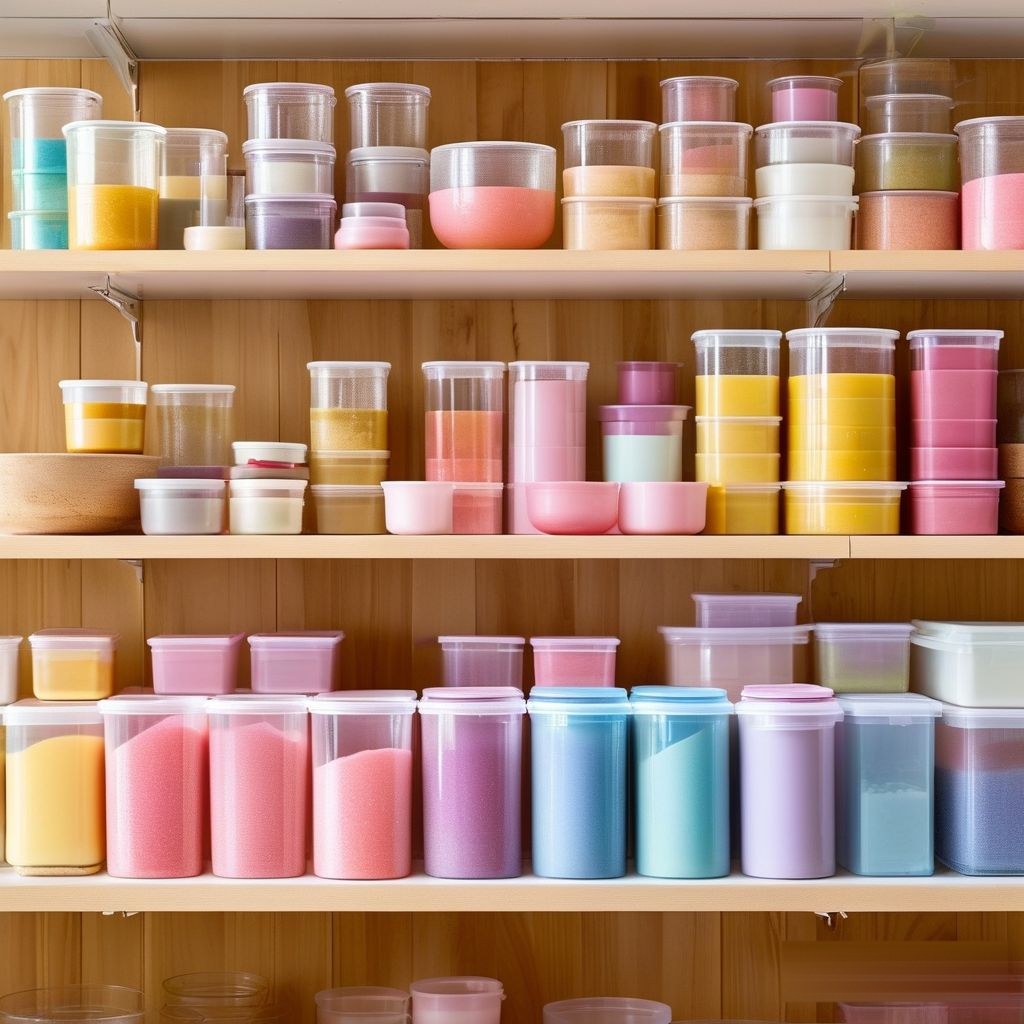
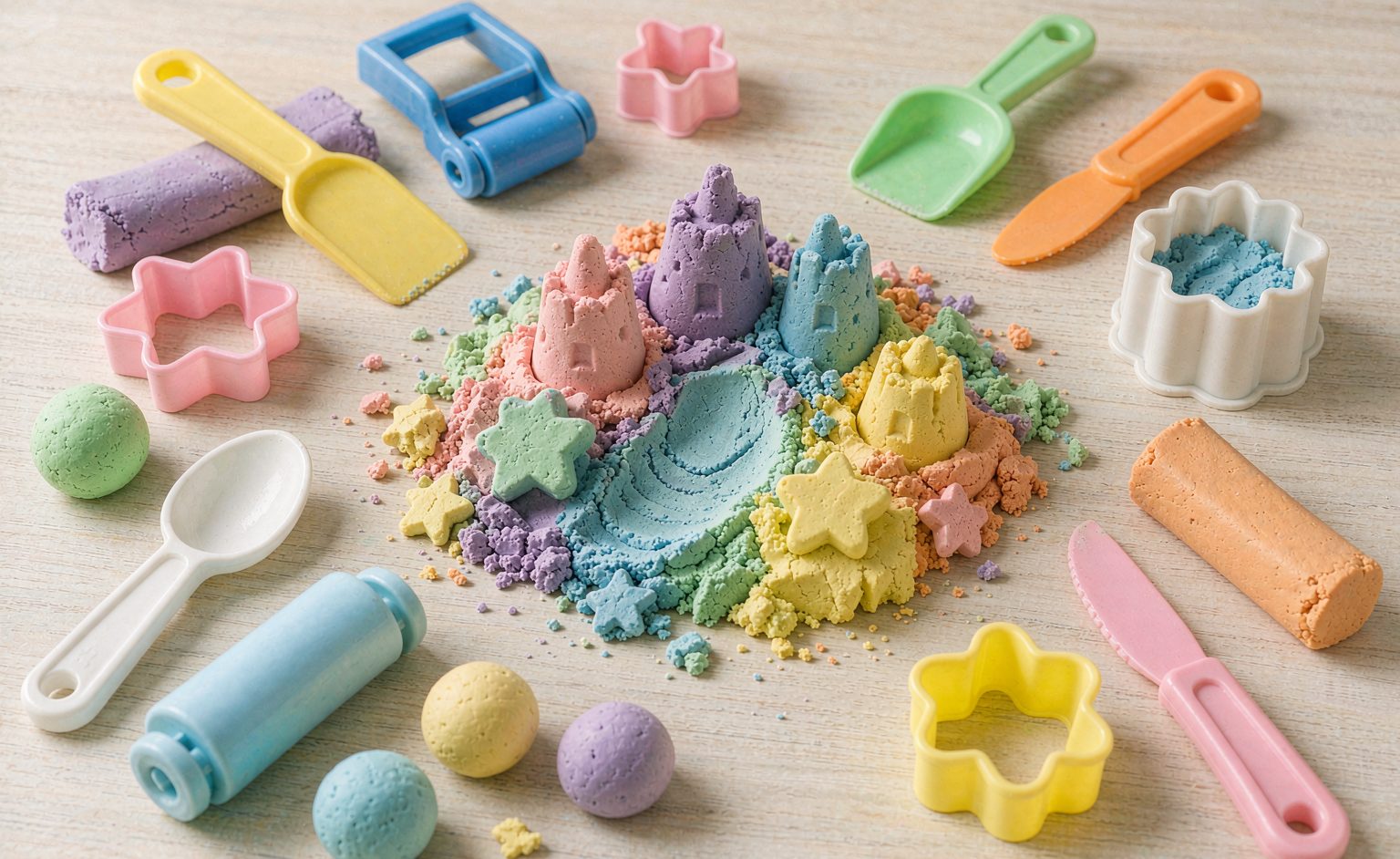
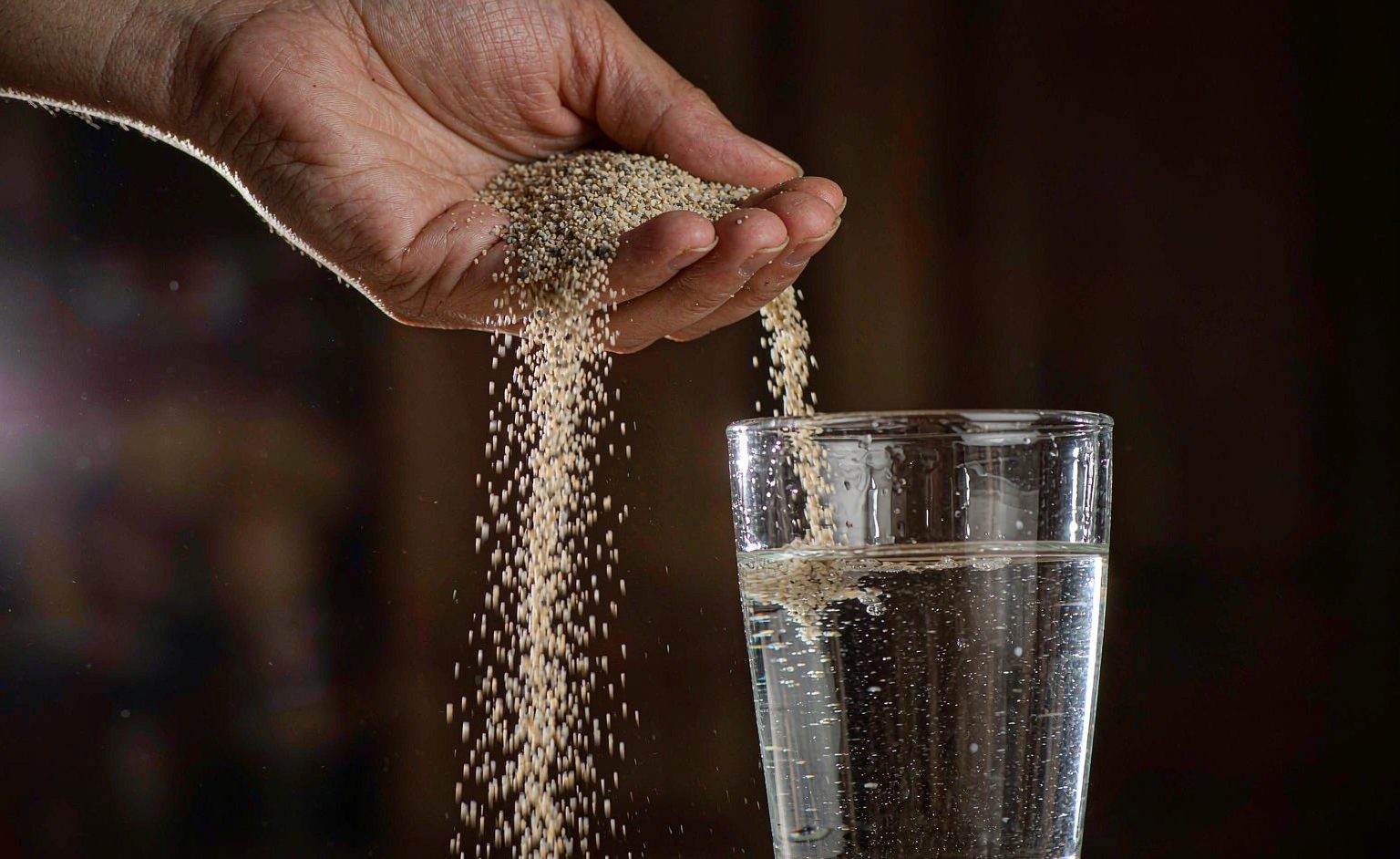
Magic sand appears to defy water: dunk it and it stays dry, emerging in a clump that pours clean. The trick is a hydrophobic coating on each grain — a thin layer that water cannot wet. That same coating is also where safety and durability questions live, because a coating that flakes or off-gasses is not a product you want near children. This guide explains the coating chemistry, the limits on reusability and safety, and the specs buyers should require.
Key Takeaways
- Magic sand repels water because each grain carries a hydrophobic coating.
- The coating is the safety and durability risk — specify inert, non-off-gassing, child-safe coatings.
- Reusability is finite: the coating degrades with handling and contamination.
- Require EN71 / ASTM / CPSIA screening plus heavy-metal and phthalate tests.
- Standard sand and magic sand are different SKUs with different spec sheets.
The Hydrophobic Coating Chemistry
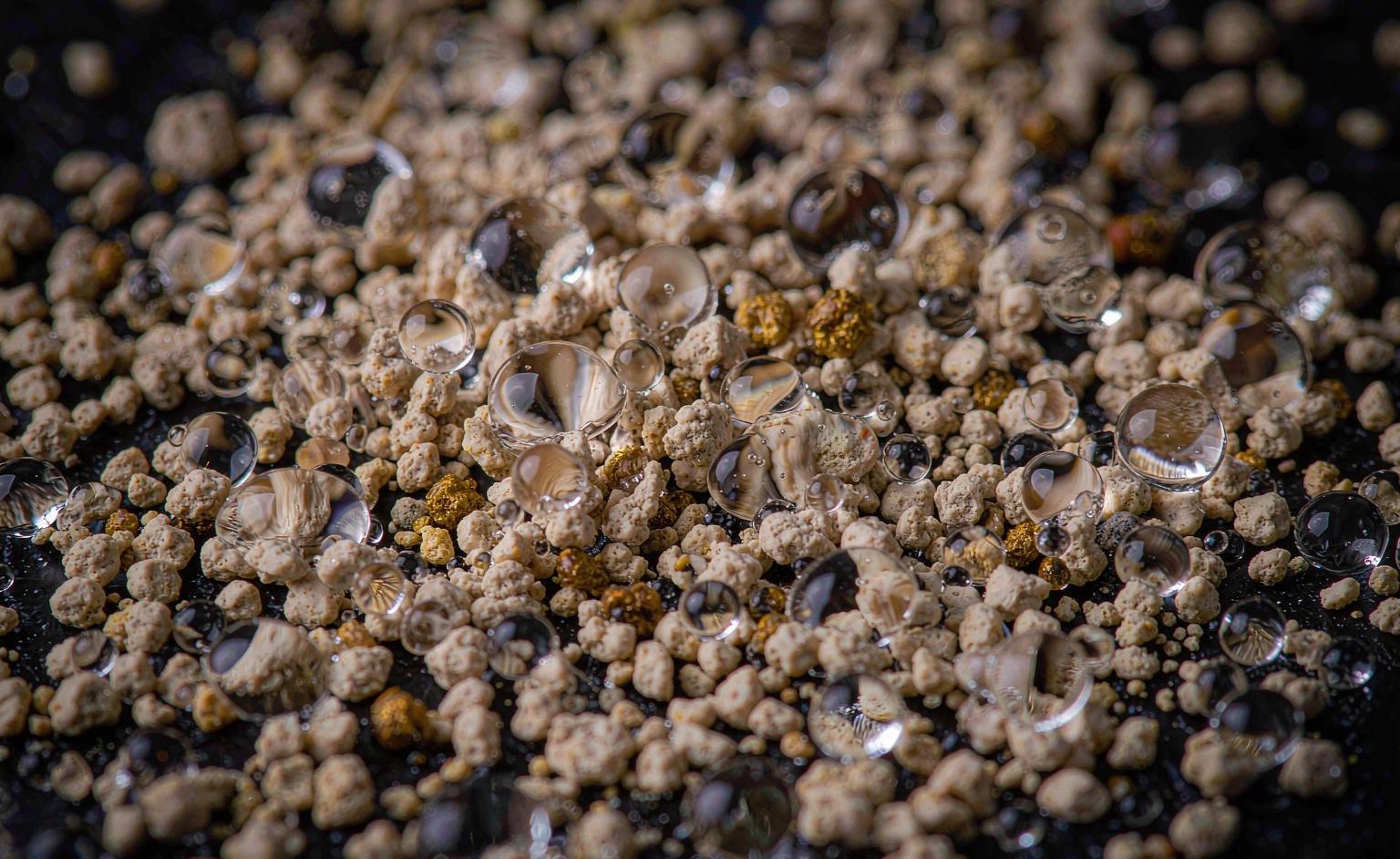
Ordinary sand is hydrophilic — water wets and clings to it. Magic sand is coated, typically with a silane or similar hydrophobic agent, so water beads and rolls off, and the grains pack into a dry clump underwater. The coating is what makes the effect; it is also the variable that decides whether the product is safe and durable. The broader buyer spec is in our sensory sand spec guide, and play ideas that test the effect are in our sensory-bin ideas.
| Property | Uncoated sand | Magic (coated) sand |
|---|---|---|
| Water behavior | Wets, clumps wet | Repels, stays dry |
| Safety focus | Inert mineral | Coating chemistry |
| Reusability | Long (if clean) | Finite (coating degrades) |
| Spec sheet | Particle size | Coating + particle size |
Safety and the Coating
Because the coating is the differentiator, it is the safety focus. Require coatings that are inert and non-off-gassing, and screen the finished product for heavy metals and phthalates against the target market’s standard (EN71, ASTM F963, CPSIA). A supplier that cannot document the coating chemistry should not be sourcing a children’s product. The material comparison — including PVA and other sensory media — is in our materials compared.
Reusability Limits
The hydrophobic effect degrades with handling and contamination: oils from hands, dust and mixing with other media break the coating’s integrity, and eventually the sand stops repelling. Buyers should set expectations on reusability and avoid over-claiming “infinite reuse.” Creative reuse that extends life is in our creative-play ideas.
Frequently Asked Questions
Why does magic sand repel water?
Each grain carries a hydrophobic coating that water cannot wet, so the sand clumps dry underwater.
Is the coating safe for children?
Only if it is inert and non-off-gassing and the product passes EN71/ASTM/CPSIA screening — require documentation.
Can magic sand be reused forever?
No — the coating degrades with handling and contamination; reusability is finite.
How is it different from normal sand?
Normal sand wets and clumps wet; magic sand is coated to repel water — a different spec sheet.
What tests should I require?
Heavy-metal and phthalate screening against the target market standard, plus coating documentation.
Why specify the coating at all?
Because the coating is both the effect and the safety/durability risk; unspecified coatings are the source of bad batches.
Technical background: sand, hydrophobicity and sensory play cover the concepts.