


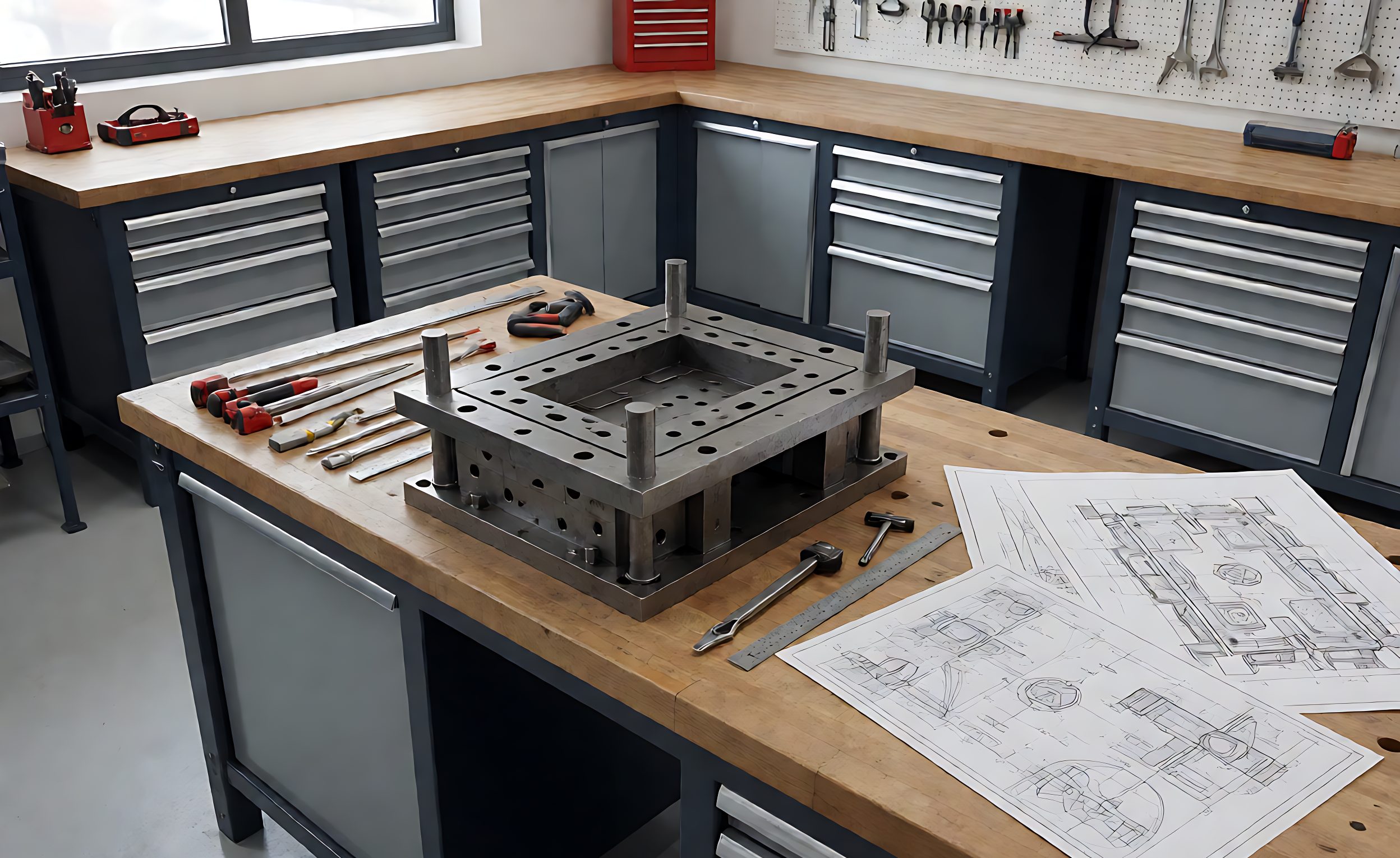


Buying toys for one market is a compliance task; buying for three is a planning task. The European Union, the United States and Great Britain share broadly the same safety intent and express it through different documents, different markings and different signatories. Importers who run the three as separate projects pay for the same physical test twice, discover a divergence after the carton artwork is printed, and end up holding stock that is legal in one warehouse and unsellable in the next.
The workable alternative is one certification calendar that produces three sets of documents. Design freeze, pre-production sampling, laboratory scope, artwork review and document issue each happen once. What differs is which standards the laboratory reports against, which marking goes on the pack, and who signs. That difference is small when it is planned and expensive when it is discovered.

Why One Plan Beats Three
Most of the effort in toy certification is not the laboratory hour. It is describing the product precisely enough that a laboratory knows what it is assessing, producing a pre-production sample that genuinely represents the bulk run, and keeping that sample tied to the batch that eventually ships. None of those steps is market-specific, which is why three parallel projects waste the same work three times.
- One technical specification covering materials, coatings, age grade and electrical features, submitted unchanged to every market’s assessor.
- One sample set from a single production-style build, sent as one laboratory job with several standard scopes attached.
- One artwork freeze, so warnings, markings and importer addresses for all destinations are positioned before plates and cutting dies are made.
- One change-control rule, under which any material or supplier change triggers a review against every market at once rather than the one being shipped that month.
What remains genuinely separate is the output paperwork, and that is a clerical difference, not a technical one. Buyers who internalise this book one test and write three documents; buyers who do not book three tests and still write three documents.

Where the Three Rulebooks Overlap
The substantive safety requirements have converged over decades of standardisation, and the overlap is larger than most first-time importers expect:
- Mechanical and physical properties: sharp edges, small parts for the declared age, projection hazards, and the pull and torque forces applied to components.
- Flammability: surface flame spread, with tighter expectations for fabrics, masks and materials a child wears or enters.
- Chemical migration: limits on certain elements in accessible materials, plus organic chemical restrictions that vary more by market than the elements do.
- Electrical safety and batteries: temperature rise, secured compartments, and short-circuit protection for anything powered.
A laboratory accredited for the main toy standards can usually run the overlapping tests once and report them against several scopes, provided the buyer asks for that structure when booking rather than after the report has been issued.
Where They Diverge
The divergence is documentary, and it is where importers get caught. The EU expects a declaration of conformity drawn up by the manufacturer or by the importer acting as one, supported by a technical file and a conformity marking applied under the marking rules, with documents retained for a decade. The United States expects a children’s product certificate backed by testing at an accepted third-party laboratory, plus permanent tracking information on the product and its packaging. Great Britain runs its own marking regime with its own designated standards and, in practice, expects a UK-based responsible person for many categories.
Those are three different signatories and three different documents, but they can sit on top of one test report. The mistake is assuming that a single certificate exists which satisfies all three; it does not, and no laboratory will issue one.

Sequencing the Calendar
Order matters more than speed. Freeze the specification first, because every later document references it. Build the pre-production sample from production tooling rather than by hand. Book the laboratory with a written scope naming every destination market and every standard, and ask for the reports in the format each market’s declaration will cite. Only then approve artwork, because the warnings, the age grade and the importer address all depend on what the report says and where the goods are going.
Two calendar points deserve explicit dates. The laboratory slot should be booked before the sampling build, since accredited labs queue and a two-week wait after the sample exists is pure delay. And the artwork freeze should be a hard gate: printing cartons before the reports land means reprinting them when a warning phrase or an address line changes.
Technical Background
The European baseline for toy safety testing is the EN 71 series, whose parts cover mechanical, flammability and migration requirements. Great Britain applies its own conformity marking, described under UKCA marking, alongside designated standards that largely mirror the European ones. The mechanism common to all three destinations is conformity assessment, which is why the document sets differ while the physical tests overlap.
Keeping Three Files Alive
A multi-market file decays faster than a single-market one, because a change in one jurisdiction’s standard list does not move the other two. Keep an index per market with the report numbers, the standard versions cited and the batch ranges covered, and review it annually whether or not anything changed. When a supplier swaps a coating or a plastic grade, the review has to run against all three markets before the next shipment, not after it.
The underlying test scopes are set out in the EN71, ASTM and CPC certification guide, and the budget and lead time behind a multi-scope booking in toy testing budget and timeline planning. The documents each market expects are assembled in the EU document pack guide, and the consequences of getting the sequence wrong in the recall readiness guide.
Frequently Asked Questions
Can one test report cover the EU, US and UK?
The physical testing can usually be shared, since the overlapping requirements are similar, but each market needs its own declaration or certificate citing that testing in its own format.
Do I need three separate certificates?
Yes in document terms. One laboratory report supports three documents, but no single certificate satisfies all three markets at once.
Who signs the declaration in each market?
Whoever places the product on that market under their own name, which for imported private label goods is usually the importer rather than the factory.
Is UK paperwork the same as the EU’s?
No. The standards are largely parallel, but the marking, the designated standard list and the responsible person requirement are separate and must be handled separately.
How long does a multi-market cycle take?
The laboratory stage is similar to a single market; the added time is clerical and scheduling, so booking all scopes at once keeps it close to one cycle.
What if a supplier changes a material mid-program?
Treat it as a change event against all three markets. Reassess whether the existing report still describes the product, and retest where it does not.
Can I add a market after the first shipment?
Yes, by commissioning the additional scope, but the artwork may need reprinting for that market’s marking and address, which is the costly part.