


Plush toys concentrate a buyer’s specification problems into a single soft object. The fabric carries the colour, the filling carries the shape, the seams carry the safety, and the whole surface is flammable by nature, which is why plush has its own testing culture inside the toy standards. A buyer who specifies only “super soft plush, 30 cm” has specified nothing that a factory can reproduce and a laboratory cannot certify.
The specification is not long, but every line in it has to be settled before bulk, because the materials drive the compliance file as much as the design does.
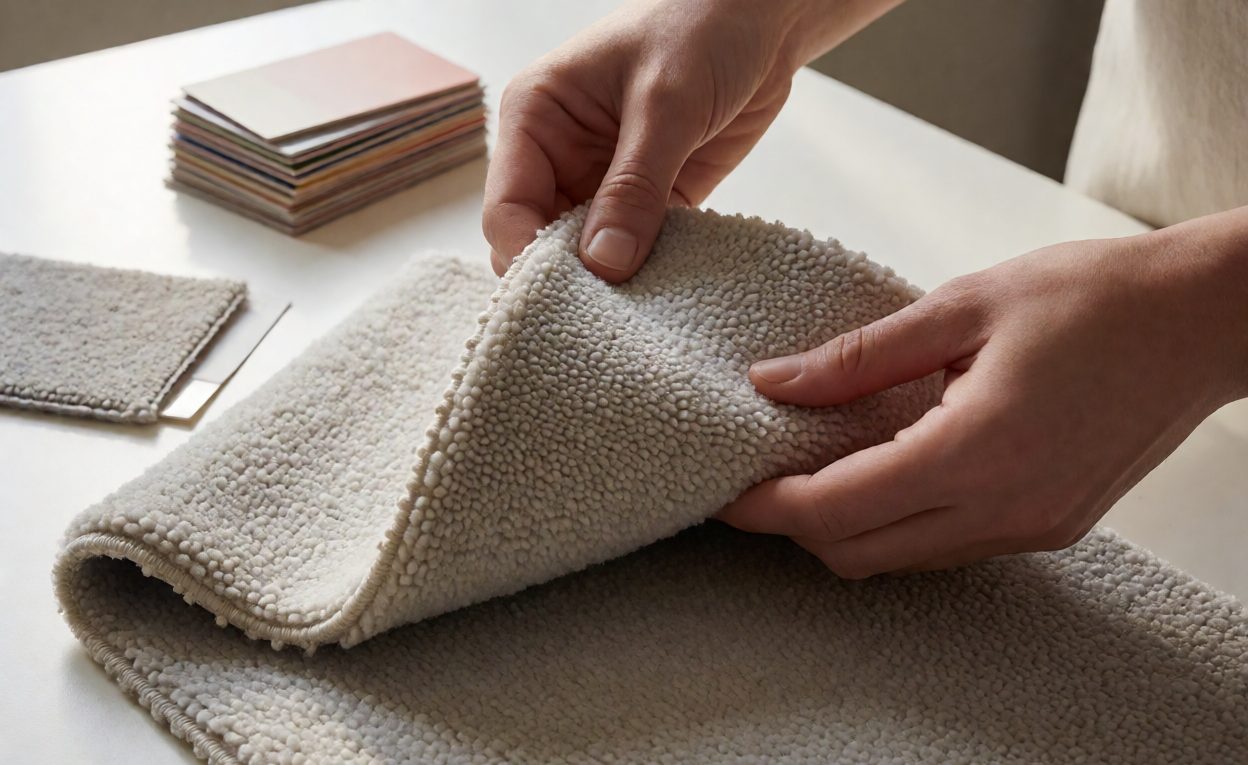
Fabric: What to Pin Down
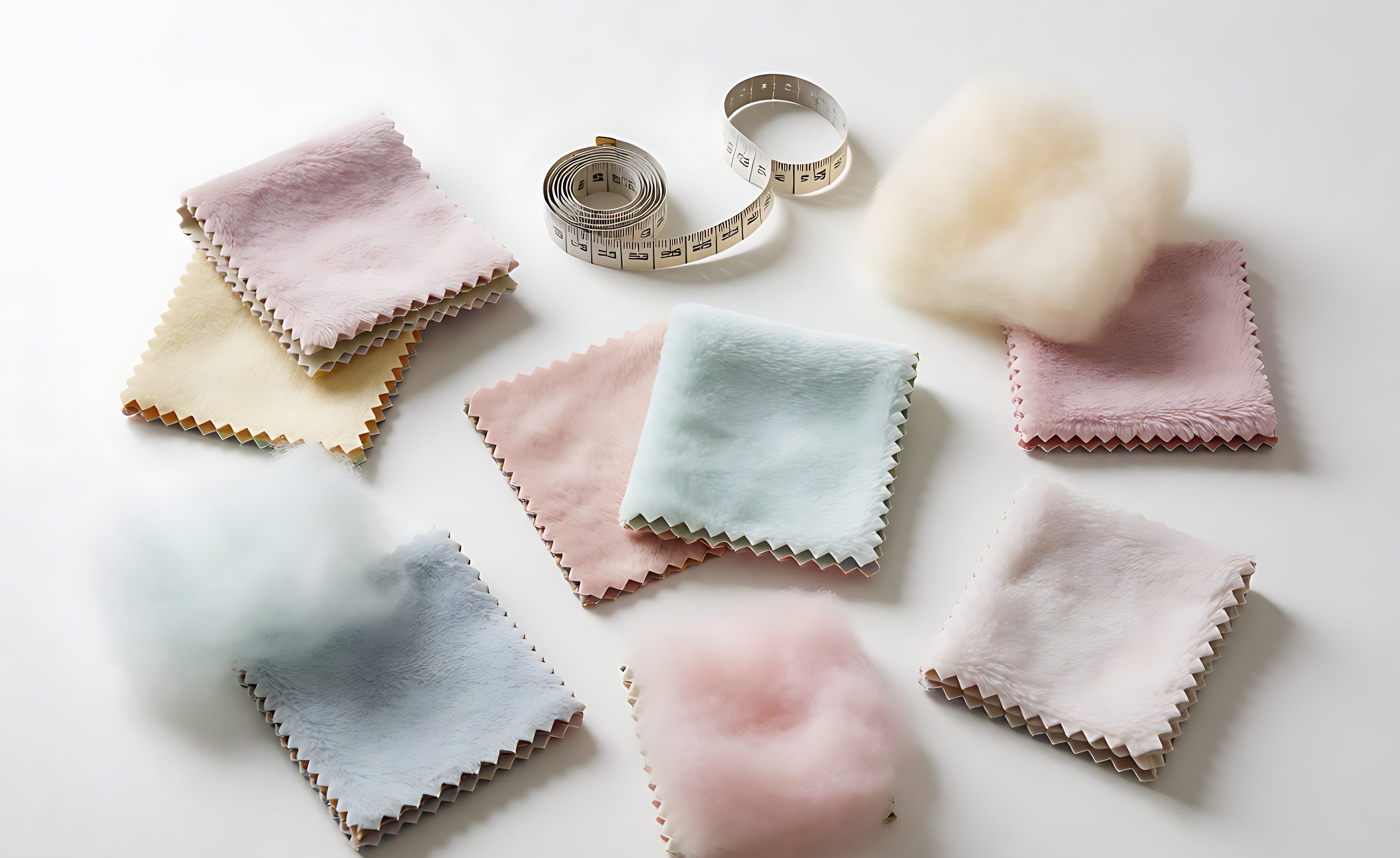
The surface fabric is where samples and bulk runs drift apart most often, so put these in writing:
- Composition and pile: fibre type, pile height and weight in grams per square metre, since two fabrics with the same hand feel can differ thirty percent in weight.
- Backing and knit density, which decide stretch, seam strength and whether stuffing migrates through the pile.
- Dye and fastness: azo-free dyes as a floor requirement, with colourfastness to rubbing and saliva where the market demands it, because mouthing is how toddlers actually test fabric.
- Colour reference: a physical swatch sealed per colour, not a digital file, since plush reads colour differently under every light source.
Ask the factory to declare the fabric mill and to notify any mill change. The same knit from a different mill can pass every laboratory test and still look visibly different in a bulk carton next to the approved sample.
Filling and the Details That Get Swallowed
Fibre filling is usually polyester staple fibre, and the specification should state new material rather than reclaimed, cleanliness requirements, and weight per unit with a tolerance. Weight per unit is the quiet cost line: filling is priced by weight, and a five-gram difference per unit across ten thousand units is a real invoice.
The small components carry disproportionate safety weight. Eyes, noses and embroidery are the classic failure points, so require attachment strength – a pull test to the standard’s force – plastic parts that meet the small parts rules for the declared age, and locked or knotted backing washers that cannot detach into a chokeable shape. Seam strength belongs here too: a seam that opens under the standard’s force exposes the filling, and filling wadding is itself assessed as a potential small-part hazard.
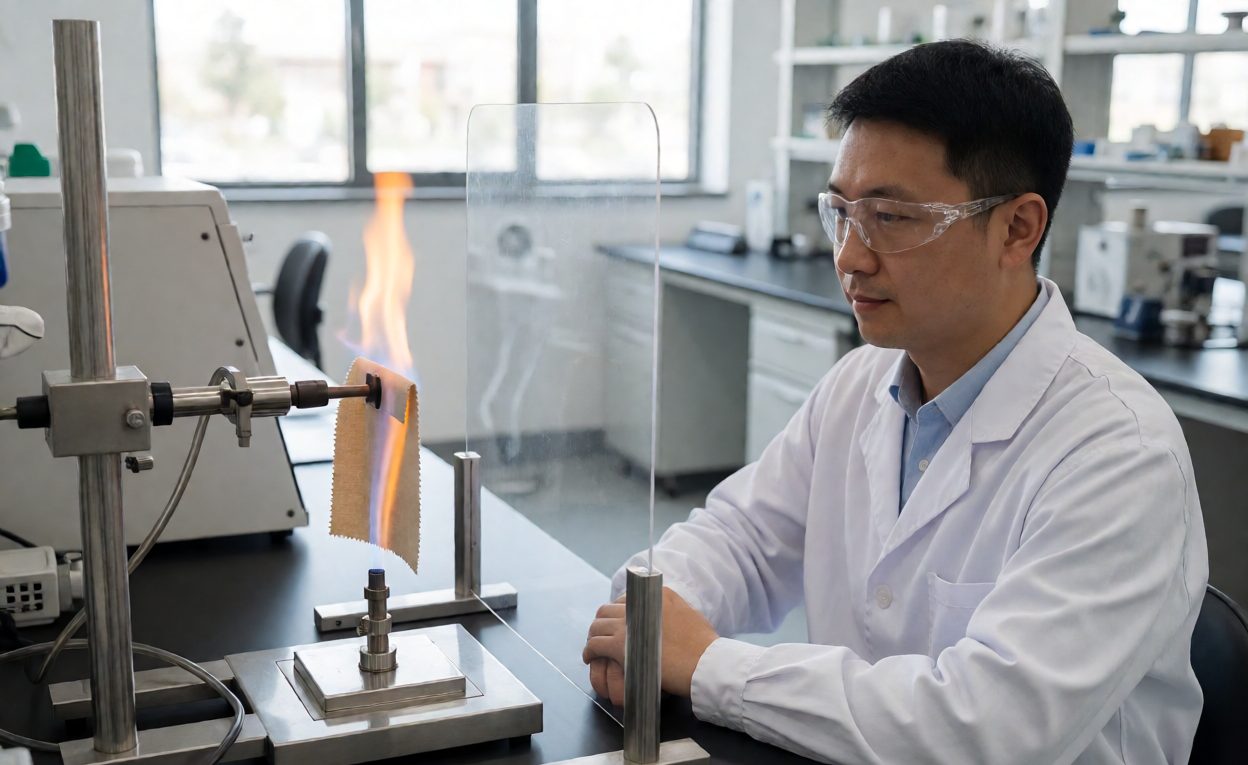
Flammability: The Two Regimes
Plush surfaces face two different test regimes depending on destination. In the EU, EN 71-2 assesses how fast flame spreads across the surface and whether molten debris drips; the requirement for typical plush is a surface flash spread rate below the stated limit, which ordinary fabrics meet and heavily treated or long-pile fabrics can fail. In the United States, the general flammability rules for textiles apply, and a toy that fails cannot be cured by labelling – it is a material problem.
Buyers should also understand what flammability testing does not do: it does not certify the fabric’s other properties, and a flame-retardant treatment applied to pass one market’s test may raise chemical questions under another’s migration limits. The honest order of operations is to choose a fabric that passes naturally, and treat chemical treatment as a last resort with its own test evidence.
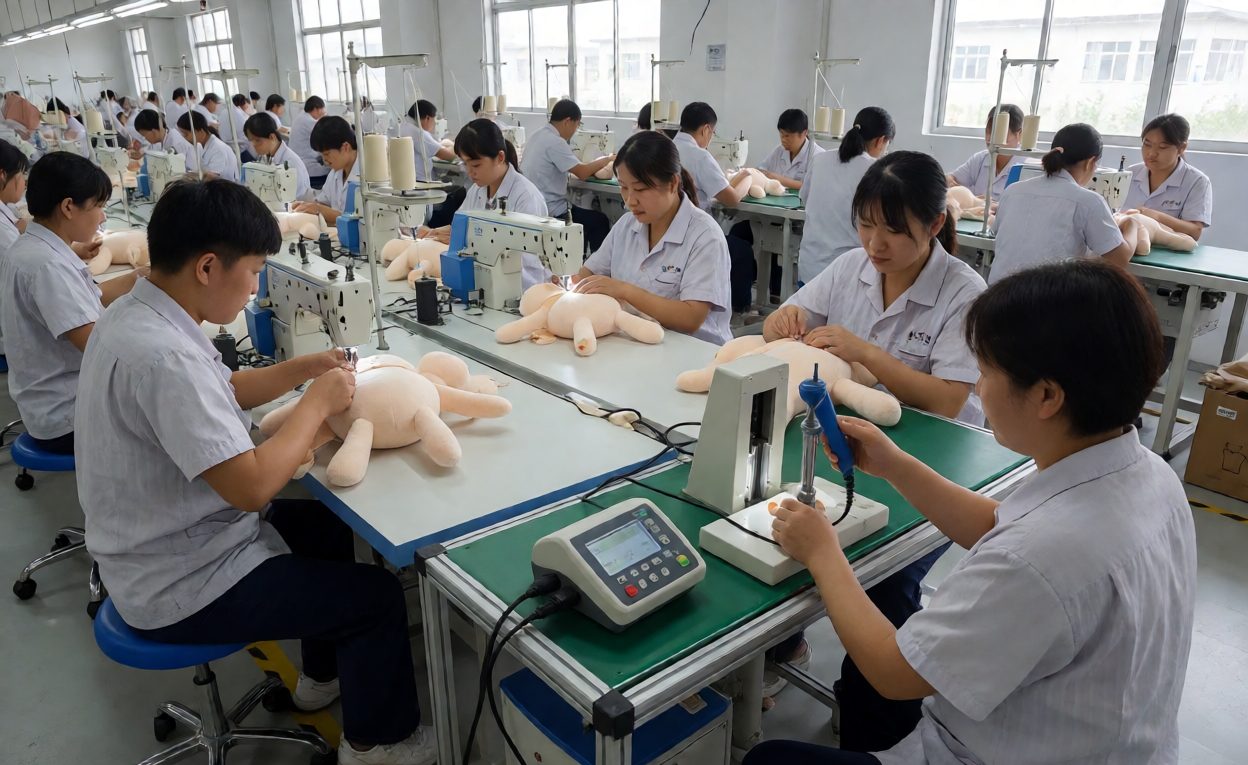
Technical Background
The material itself – a fabric with a soft raised surface – is described under plush, and the dominant fibre in both pile and filling is polyester. The property being tested is flammability, expressed in toy standards as surface flame spread rather than ignition resistance.
Keeping Ten Thousand Units Consistent
Approval discipline is what converts a specification into a bulk run. Seal a golden sample per colourway, keep fabric roll samples from the actual production lot, and require a new pre-production sample if the mill, filling supplier or dye lot changes. On the line, the checks that catch drift early are weight checks on filling, periodic pull tests on eyes and seams, and a daily visual comparison against the sealed sample under the same light.
The fabric and filling choices belong inside the wider material comparison in the sensory materials guide, and plush-specific sourcing is expanded in the plush sourcing and branding guide. The tests behind the specification are set out in the certification guide, and the documents those tests generate are assembled in the EU document pack guide. Sample control across the run follows the golden sample workflow.
Frequently Asked Questions
Does plush fabric need flame-retardant treatment?
Usually not. Most standard plush fabrics pass EN 71-2 naturally; treatment is a fallback for long-pile or specialty fabrics and brings its own chemical evidence burden.
What fabric specification line matters most?
Weight per square metre with a tolerance, because it drives both the hand feel and the price, and it is the line most often left vague.
Can recycled filling be used?
Where the market allows it, yes, but the specification must say so explicitly and the cleanliness requirements must be tested, not assumed.
Why do plush eyes fail inspection?
Attachment force below the standard’s pull test, or backing washers that can detach. Locked washers and verified pull-test force solve both.
Is the filling itself tested?
Yes, in effect: an open seam exposes wadding, which is assessed like any other material, so seam strength and filling cleanliness are part of the same question.
How is colour consistency held across a bulk run?
Sealed physical swatches per colour, roll samples from the production lot, and daily line comparison against the golden sample under the same light.
What changes force a re-test?
A new fabric mill, dye lot change, different filling supplier or any added treatment – each changes the material the report describes.