

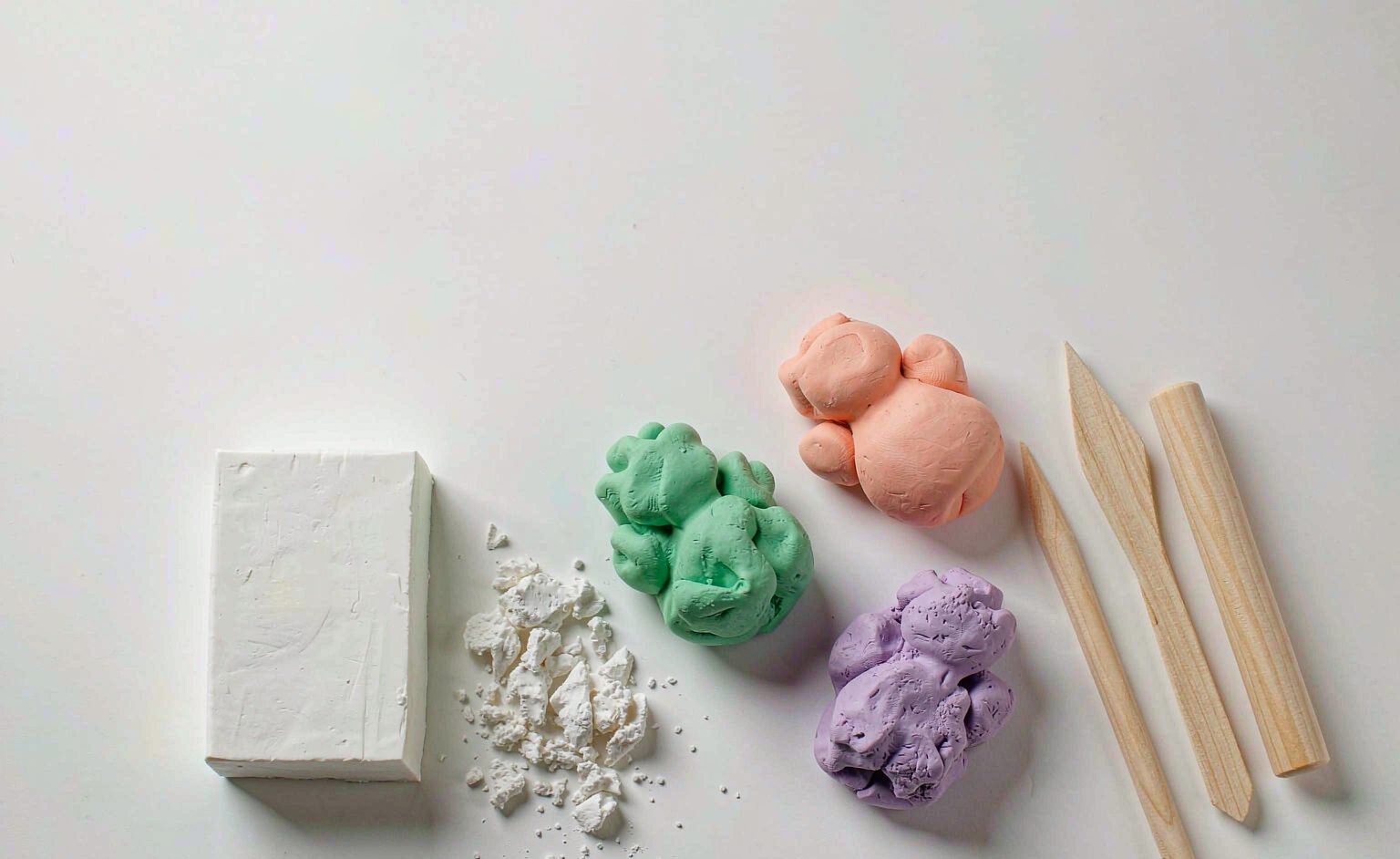
Air dry clay looks like the simplest product in a toy catalogue and behaves like one of the most specification-dependent. It is a formulated material — binder, filler, water and additives in a defined ratio — sold in a pack that has to survive shipping, storage and a child’s hands. Two products with the same name can differ in drying time, cracking behaviour, colour stability and, critically, in what the test report actually covers. This guide covers what to verify before ordering.
Key Takeaways
- Air dry clay is a formula product; the written specification, not the sample, is what makes it repeatable.
- Drying behaviour and cracking resistance are specification fields, not marketing claims.
- Test reports apply to a specific formula and colour — a colour addition is a new scope.
- OEM capability is packaging and artwork capability more than clay capability.
- Ask which layer sets the MOQ; with clay it is usually packaging, not the formula.
The Formula and What to Specify
The formula determines how the product behaves in use, and the behaviour is what customers judge.
| Specification field | What it decides | What to request |
|---|---|---|
| Binder system | Drying mechanism and final hardness | Binder type and the drying mechanism |
| Filler content | Texture, weight and shrinkage | Filler type and percentage range |
| Water content | Workability and shelf life | Water content and the sealing method |
| Additives | Mould resistance, colour, feel | Full additive list with function |
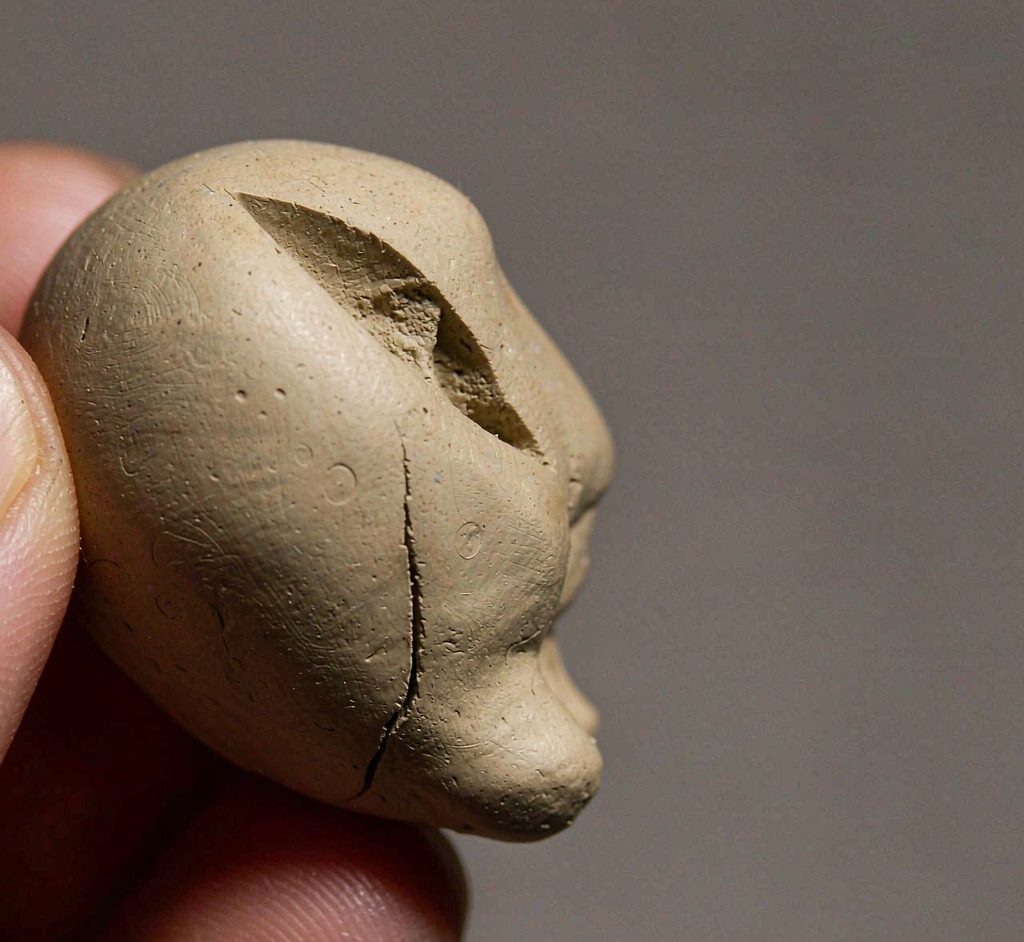
The two fields that matter most commercially are drying behaviour and cracking resistance, because they drive returns. A clay that cracks on every model generates refunds regardless of how it tests. Ask for both as written specification values, not as impressions from a sample. The material trade-offs against polymer clay are set out in our air dry versus polymer clay guide.
Certification: What Applies and What to Check
Clay is handled directly by children, so the chemical requirements are the strictest in the category.
| Item | What to verify | Common gap |
|---|---|---|
| Standard and edition | EN 71 / ASTM F963, named in the report | Report cites an old edition |
| Formula match | Report references your exact formula | Report covers a different formula |
| Colour scope | Every colourway is in scope | Only the base colour tested |
| Bill of Materials | Every input with grade | Summary claim with no BOM |
The colour-scope row is the one that most often invalidates a report. A clay sold in eight colours has been tested as one formula only if the pigments are within the tested scope; adding a pigment later puts that colourway outside the report. The document set and the regime differences are covered in our toy certification guide.
Packaging and Shelf Life
Packaging is a functional requirement for clay, not a cosmetic one.
| Packaging factor | Why it matters | What to confirm |
|---|---|---|
| Seal integrity | Prevents drying before first use | Seal type and its shelf-life effect |
| Unit format | Blocks, tubs or pouches ship and store differently | Format and its transit behaviour |
| Stated shelf life | Determines how deep you can stock | Shelf life and the storage condition it assumes |
| Tool inclusion | Adds components and cost | Which tools, and whether they are in test scope |
Shelf life deserves particular attention because it constrains inventory depth. A short shelf life means you cannot build stock ahead of a season, which changes the whole ordering pattern. The kit specification framework covering formats and piece counts is in our kit specification guide.
OEM Capability and MOQ
For a private-label clay program, the capability that matters is packaging and artwork, not the clay itself.
| OEM element | What it covers | Timeline effect |
|---|---|---|
| Label and artwork | Your brand on the pack | Print approval cycle |
| Custom format | Your own pack shape or size | Adds tooling or format setup |
| Custom colour | A colour outside the standard range | Adds test scope and approval |
| Kit composition | Clay plus tools plus instructions | Adds component sourcing and kitting |
Ask which layer sets the minimum. With clay it is almost always the packaging print run rather than the formula, which means the lever is consolidating formats and reusing artwork. The private-label flow and its timeline drivers are covered in our polymer clay kit sourcing guide.
Frequently Asked Questions
What should I look for in an air dry clay manufacturer?
A written formula specification with drying and cracking values, a test report matching that exact formula and every colourway, and demonstrated packaging capability. Those three, not the sample, decide whether the product is repeatable.
How do I know if the clay will crack?
Ask for cracking resistance as a written specification value, not as a sample impression. It is driven by binder system and filler content, both of which should be in the specification sheet.
Do I need a new test report for each colour?
If the pigment falls outside the tested scope, yes. Adding a colourway later is the most common cause of a report that no longer covers what you ship.
What is the most important packaging requirement?
Seal integrity, because it determines shelf life before first use. A short shelf life also limits how deep you can stock ahead of a season.
What sets the MOQ for a clay program?
Usually the packaging print run, not the formula. Consolidating pack formats and reusing one artwork across SKUs is the fastest way to reduce the effective minimum.
Can I add a custom colour later?
Yes, but it adds test scope and approval time. Treat any colour addition as a new compliance item rather than a minor change.
How does air dry clay compare to polymer clay for wholesale?
Air dry clay needs no curing and is simpler for the end user; polymer clay needs baking. The choice follows your customer’s use case, and the trade-offs are set out in our air dry versus polymer clay guide.
Technical background: modelling clay, clay materials and the EN 71 toy safety standard explain the product category and the compliance framework referenced above.
Current clay and dough products, including air dry and polymer clay kits, are listed under play dough and modeling clay. For a private formula, colour count or pack size, see ODM/OEM development.