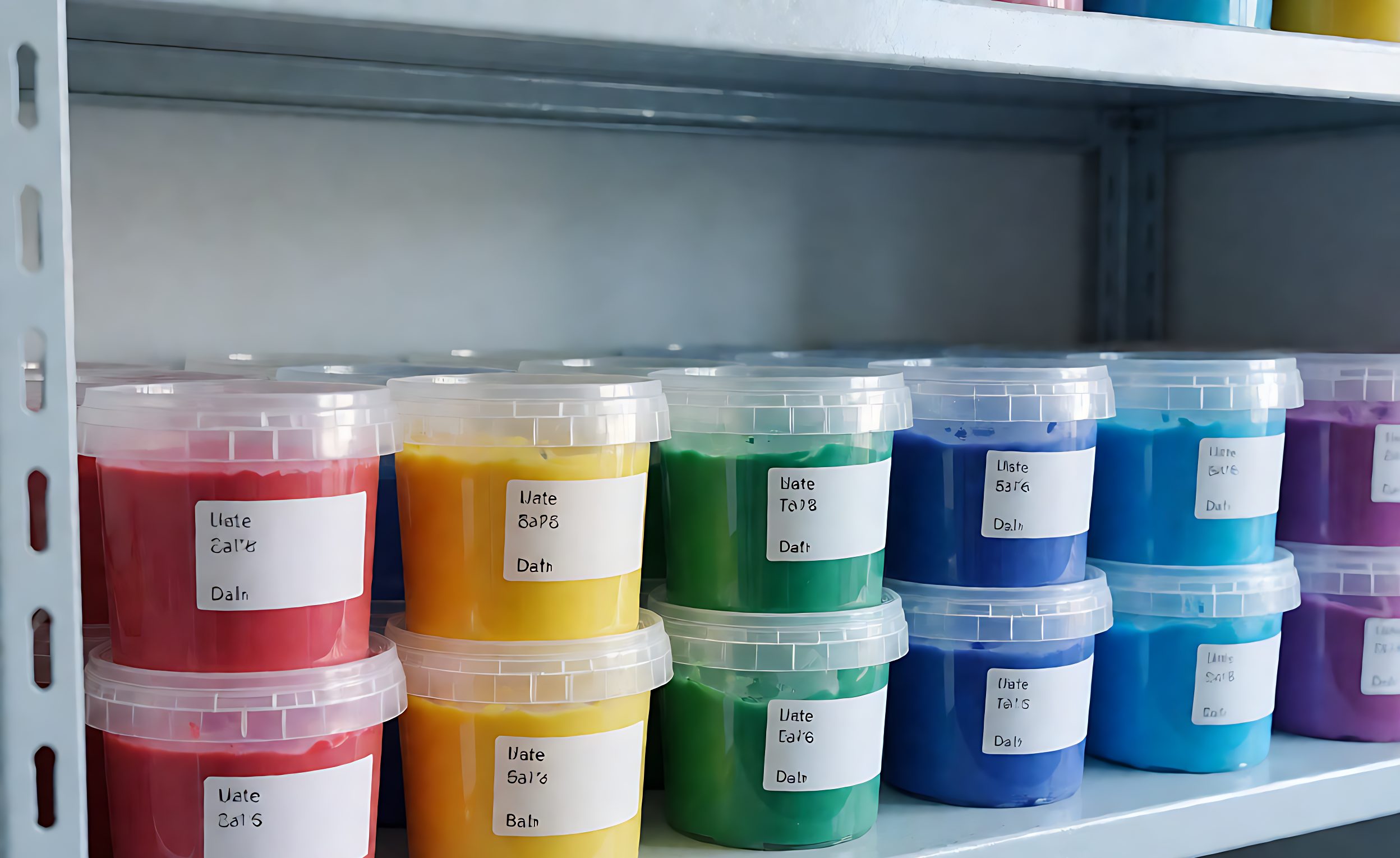
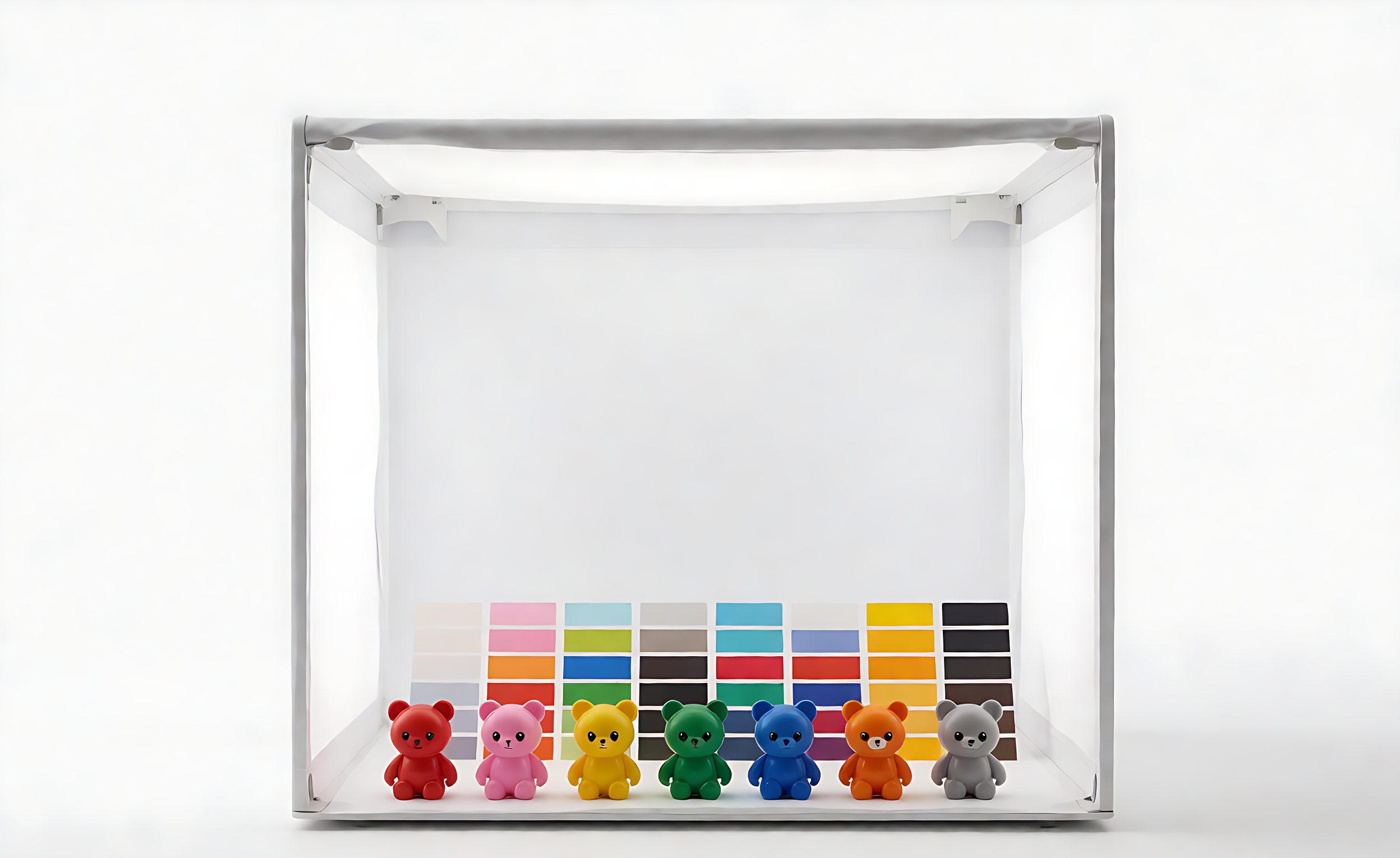
Colour Consistency Across Toy Production Batches: How Buyers Specify and Verify It
A shade difference between batches reads as a defect to a customer even when nothing is wrong. Here is how to specify colour so…


Monday to Sunday: 8.30am – 07.00pm
Email: stone@jitengtoys.com / sunny@jitengtoys.com
Phone: (+86) 13857972335
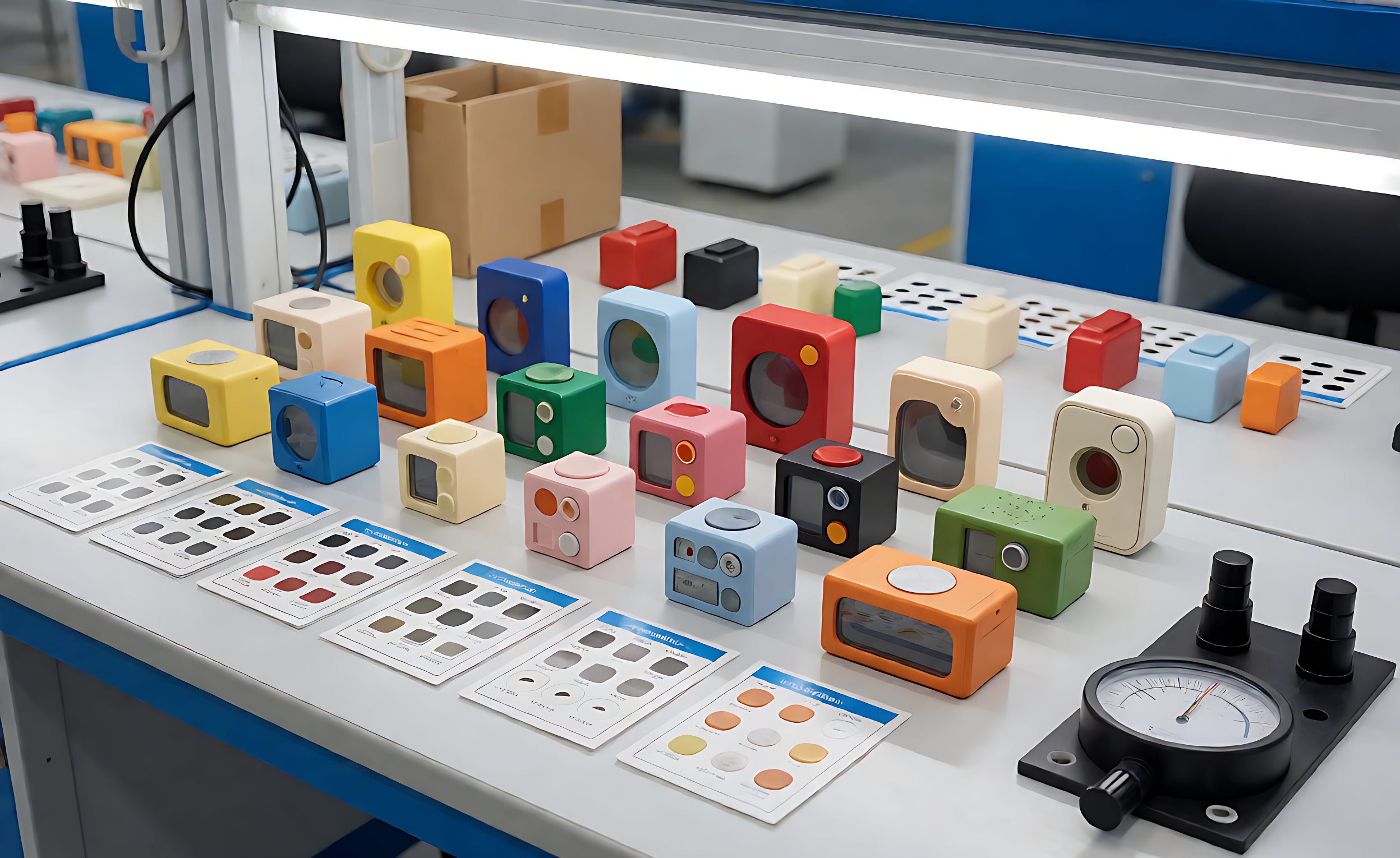
A shade difference between batches reads as a defect to a customer even when nothing is wrong. Here is how to specify colour so…
Inspection disputes are rarely about facts. They turn on which severity bucket a defect falls into, decided long before anyone opens a carton.
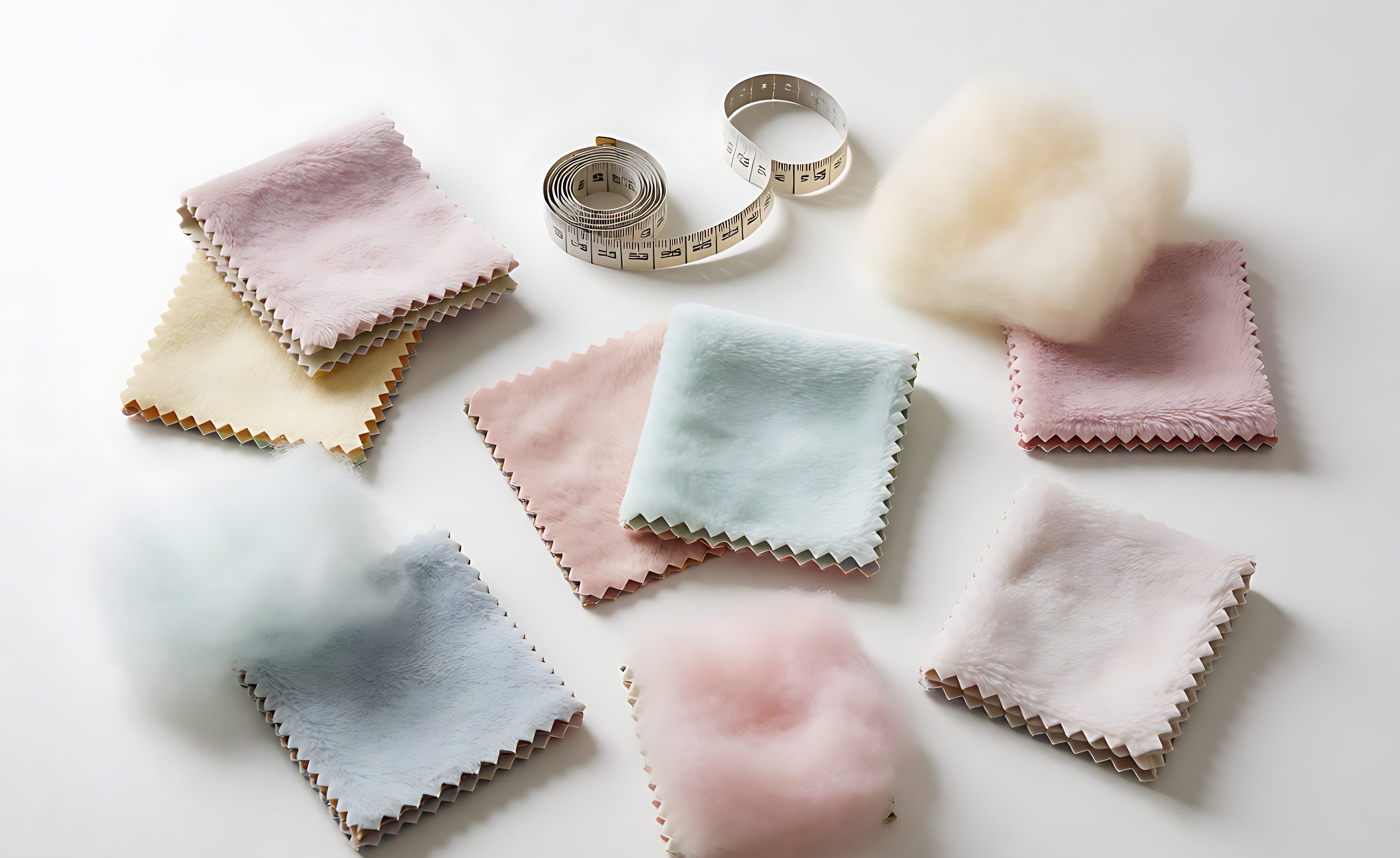
Plush lives or dies on fabric, filling and fire performance. Here is the specification to lock before a bulk run and the tests that…
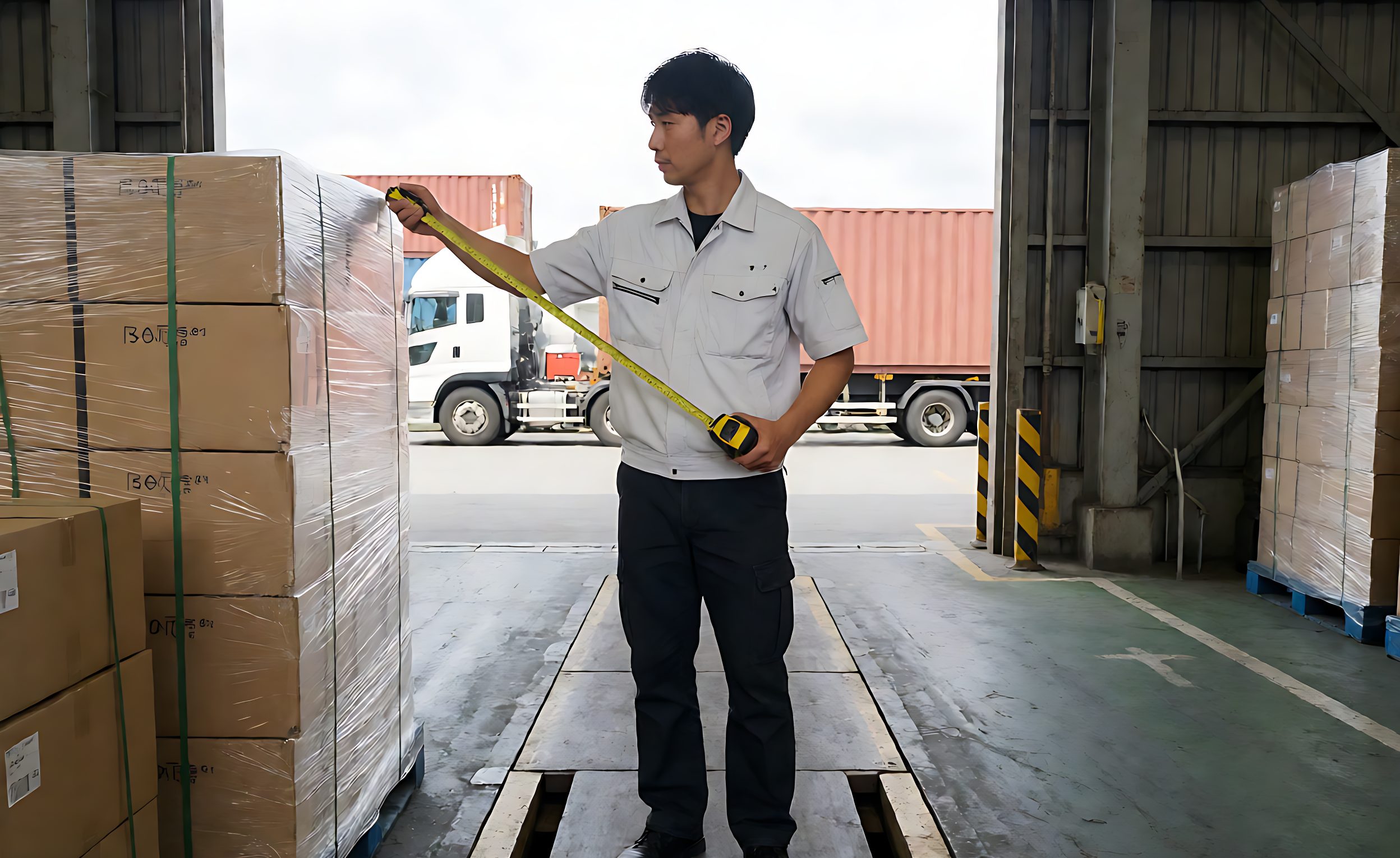
A plush toy shipper pays for air unless the carton is engineered. Here is how density decides freight class and where the cube savings…

Peak-season capacity is allocated months ahead. Here is the planning sequence that gets a bulk toy order produced, tested and shipped inside the retail…
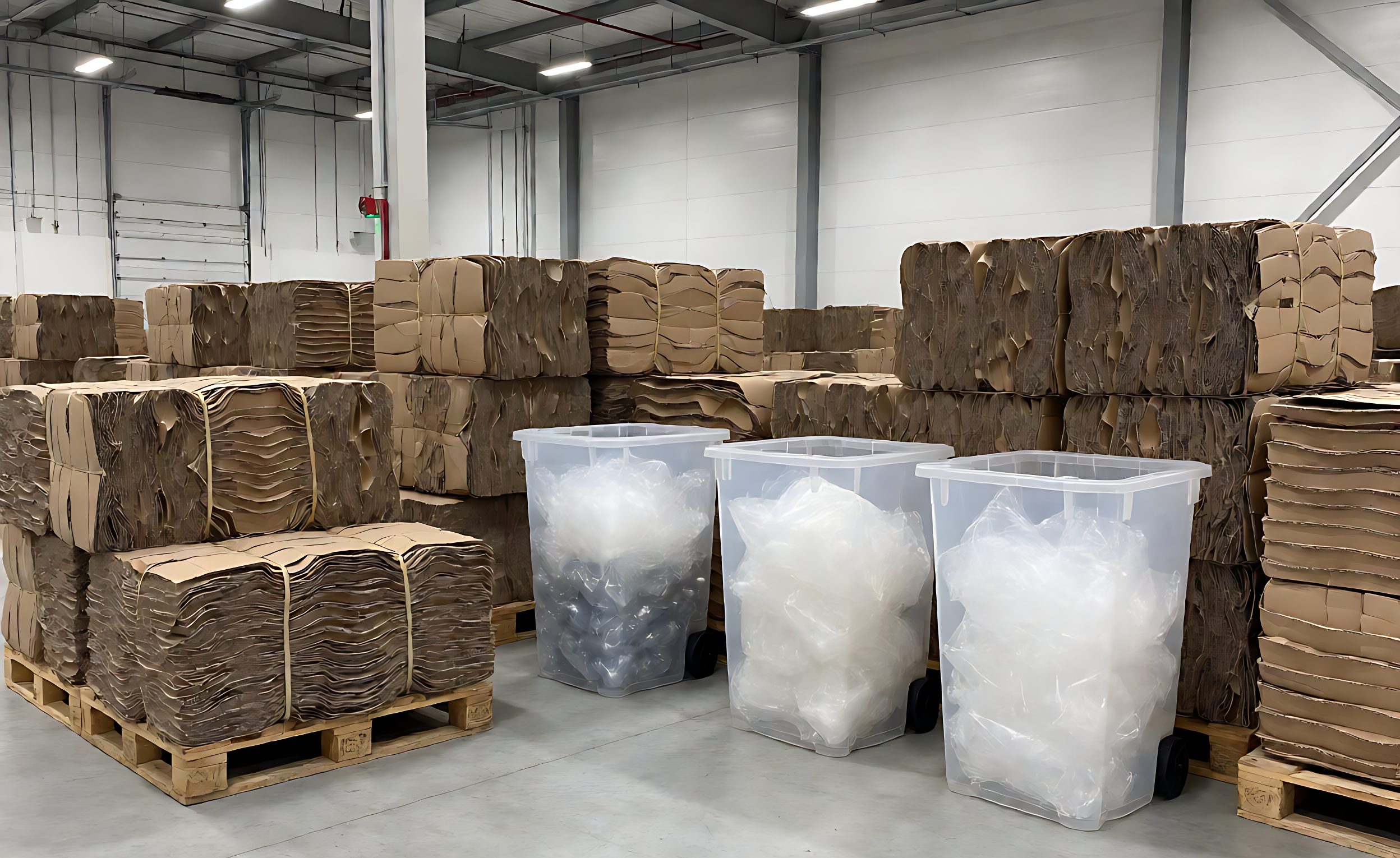
Under EPR the cost of collecting and recycling toy packaging lands on whoever places it on the market, usually the importer rather than the…
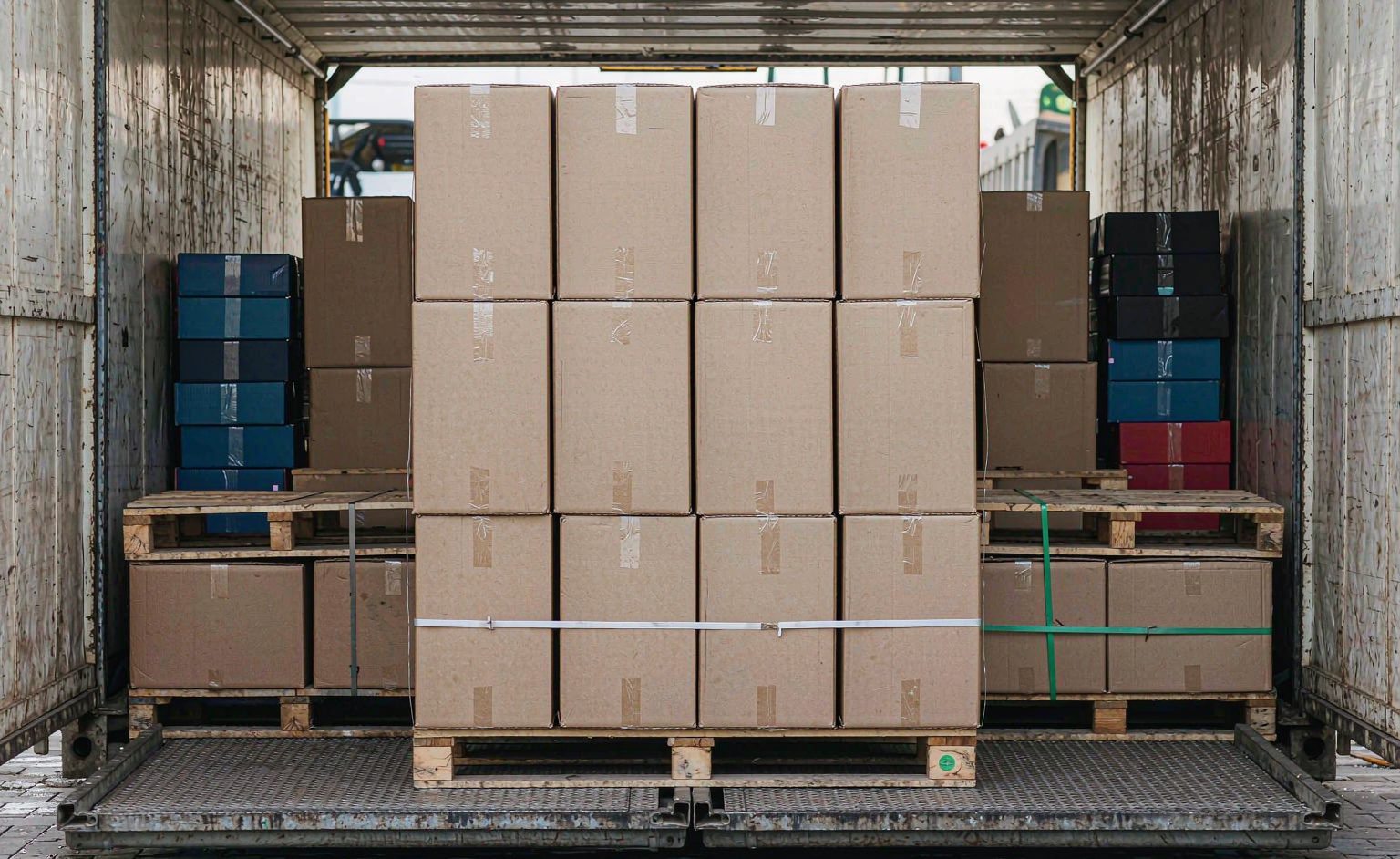
Mixed containers are how smaller wholesalers reach per-category minimums. This guide covers what combines well, what complicates the order, and how to plan a…

A toy that survives the playroom can still fail the loading dock. Here is how ISTA transit testing protects toy cartons through bulk distribution.
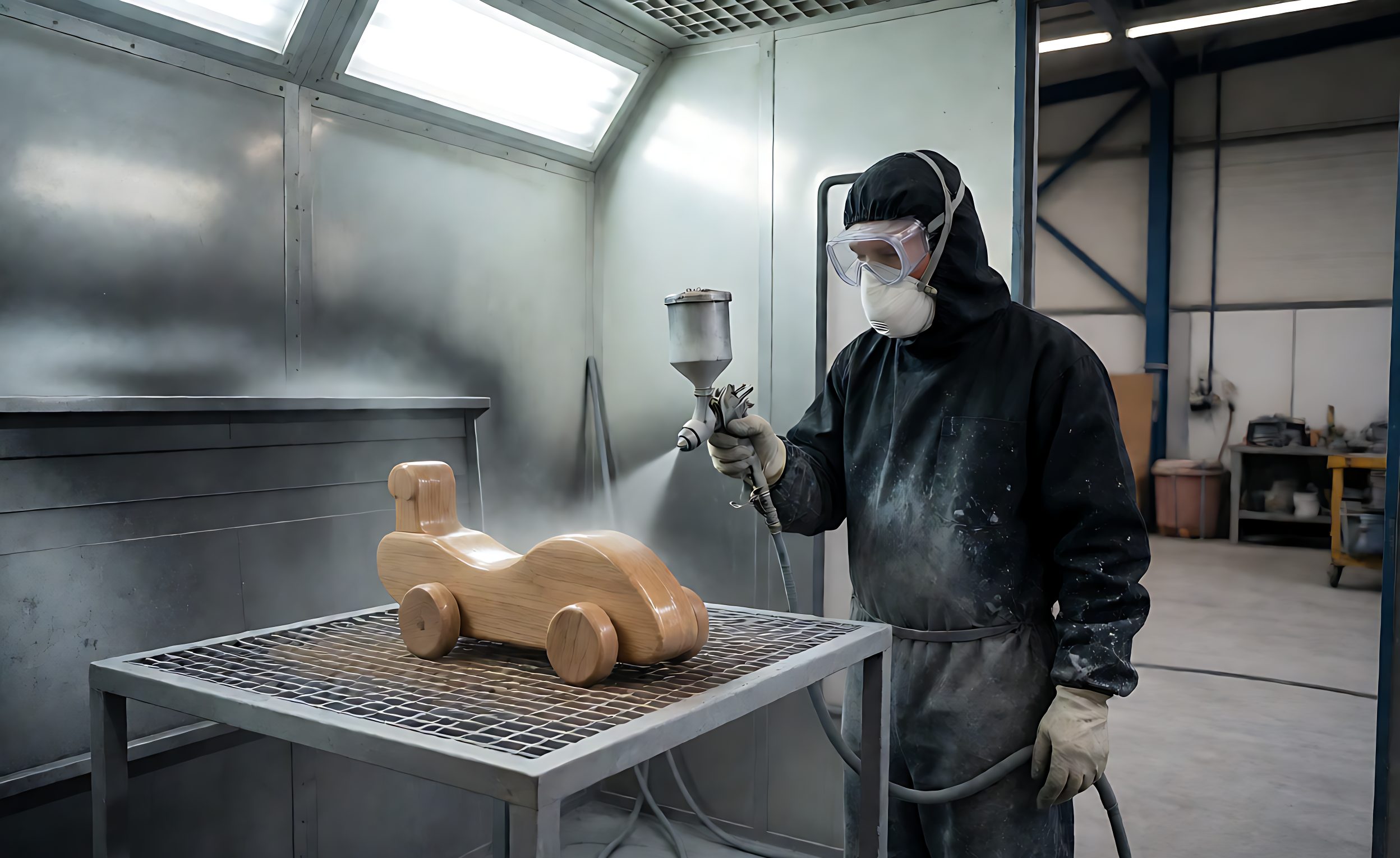
Most toy heavy metal findings are paint findings. Here are the migration limits, screening methods and specification lines that keep coatings compliant.
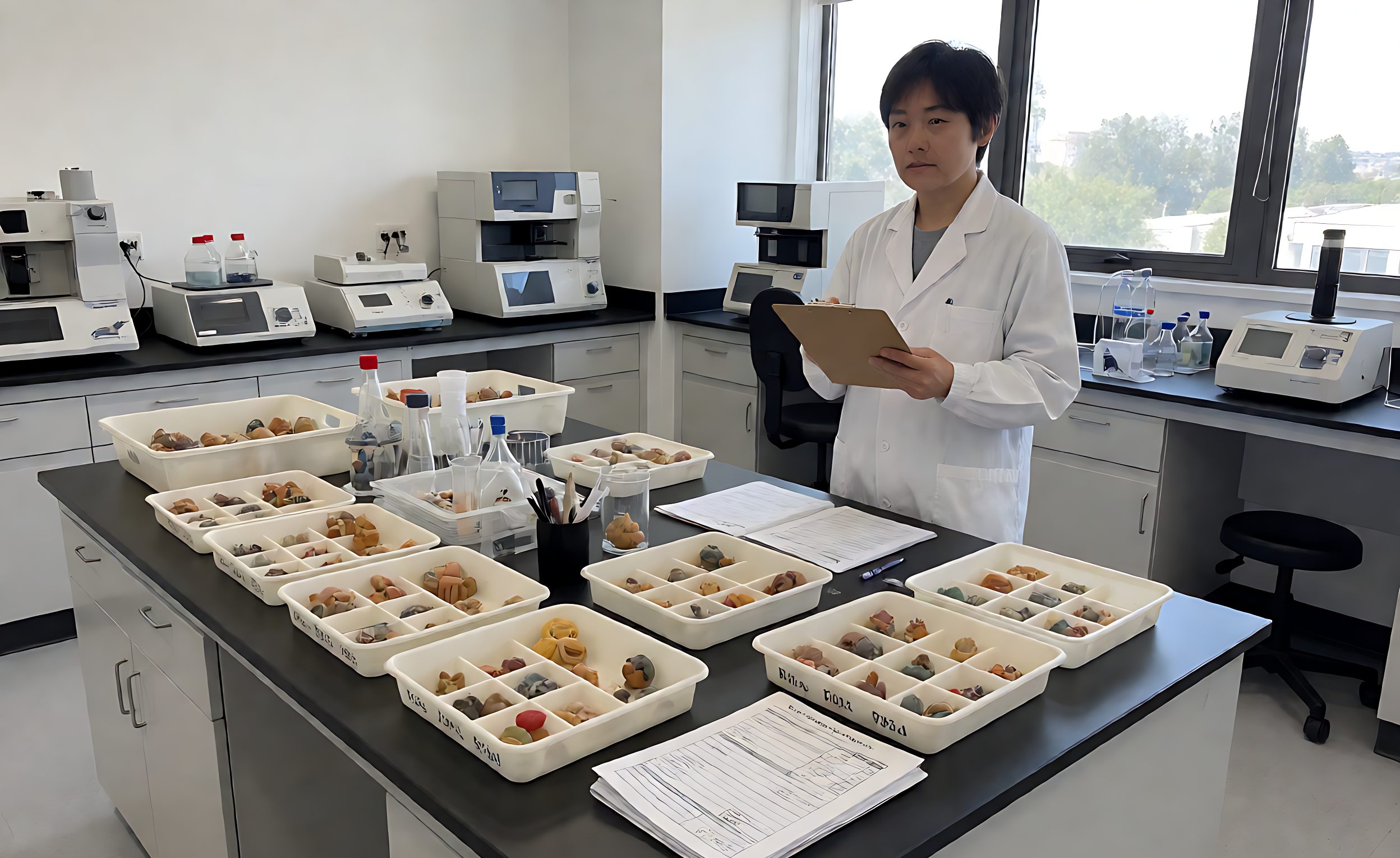
Testing is a schedule item, not a formality. Here is how to budget the cost and lead time, and the sequencing that keeps a…
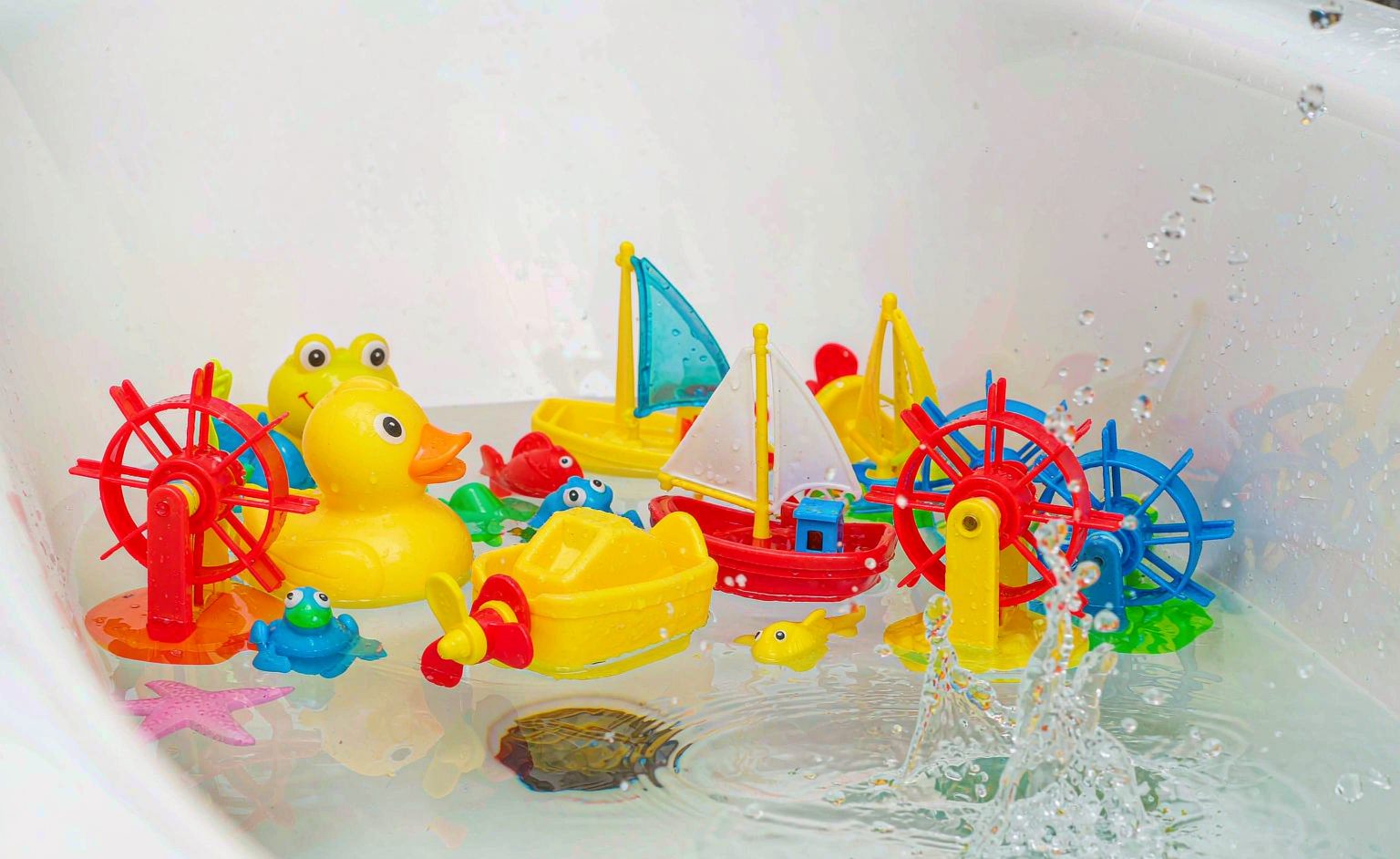
Bath toys fail in ways other toys do not: mould, water retention and suction. This guide covers the material, design and mould-cost decisions that…
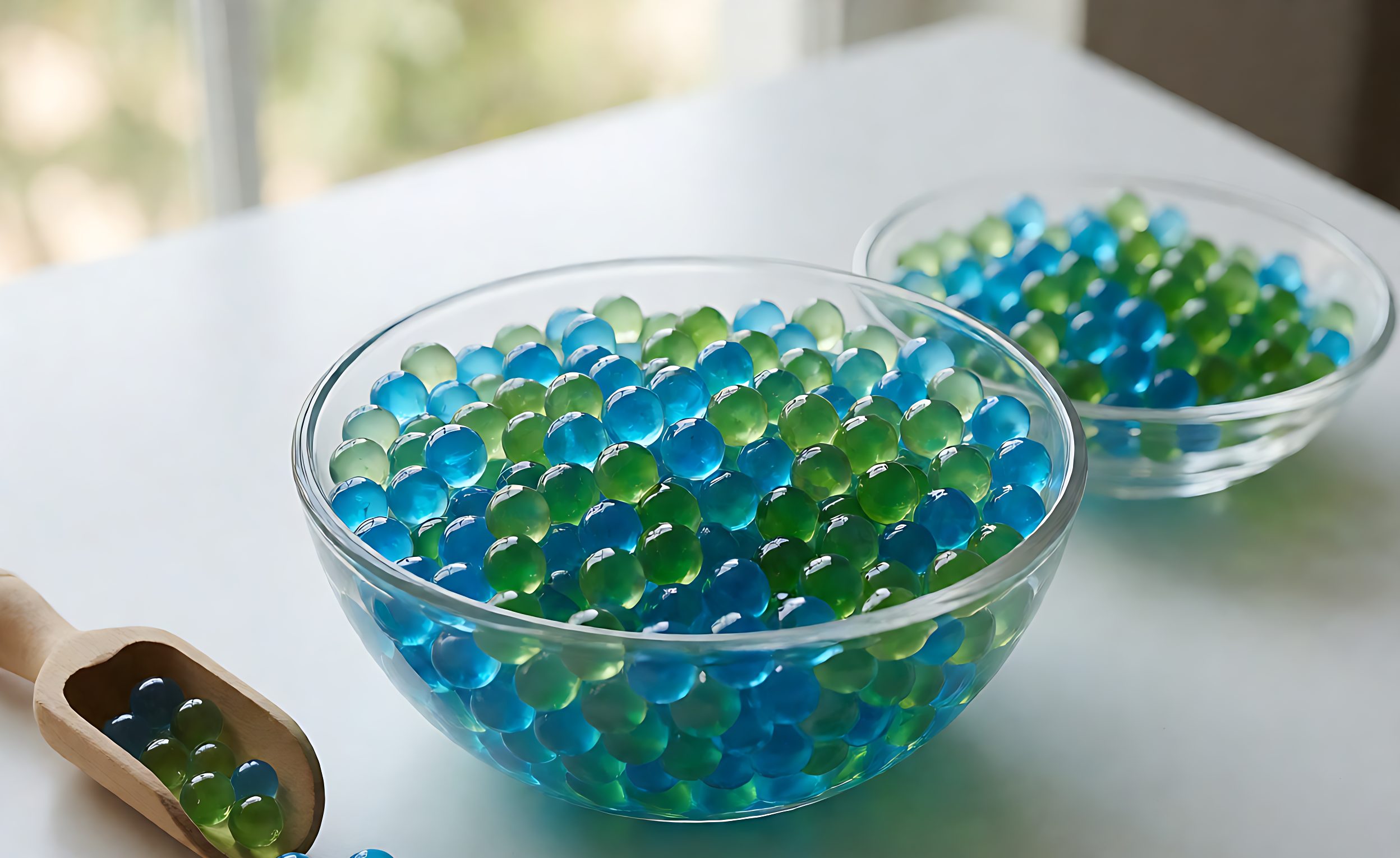
Water beads are one of the few toy categories where the compliance question is genuinely about harm, not paperwork. Here is what to verify…