



In toy wholesale a return is rarely a single event. It is a claim, a negotiation and a logistics movement rolled into one, and each part carries its own deadline. Buyers who treat returns as an afterthought discover the cost much later, in credits that were never recoverable from the factory, in freight paid twice on goods that should have been scrapped at origin, and in retail chargebacks that arrive long after the container was settled and the file closed.
The discipline that actually works is unglamorous. Define in advance what counts as a valid claim, capture evidence in one fixed format every time, decide the disposition of the goods before anything moves, and keep a ledger that ties every credit back to a named purchase order. Wholesalers who run that process recover most of the value of their claims. Those who improvise absorb the loss silently and then wonder where the season’s margin went.

Classify the Claim Before Discussing Money
Not every returned carton is the factory’s fault, and blending the categories is how disputes begin. Sort each claim into one of four buckets first:
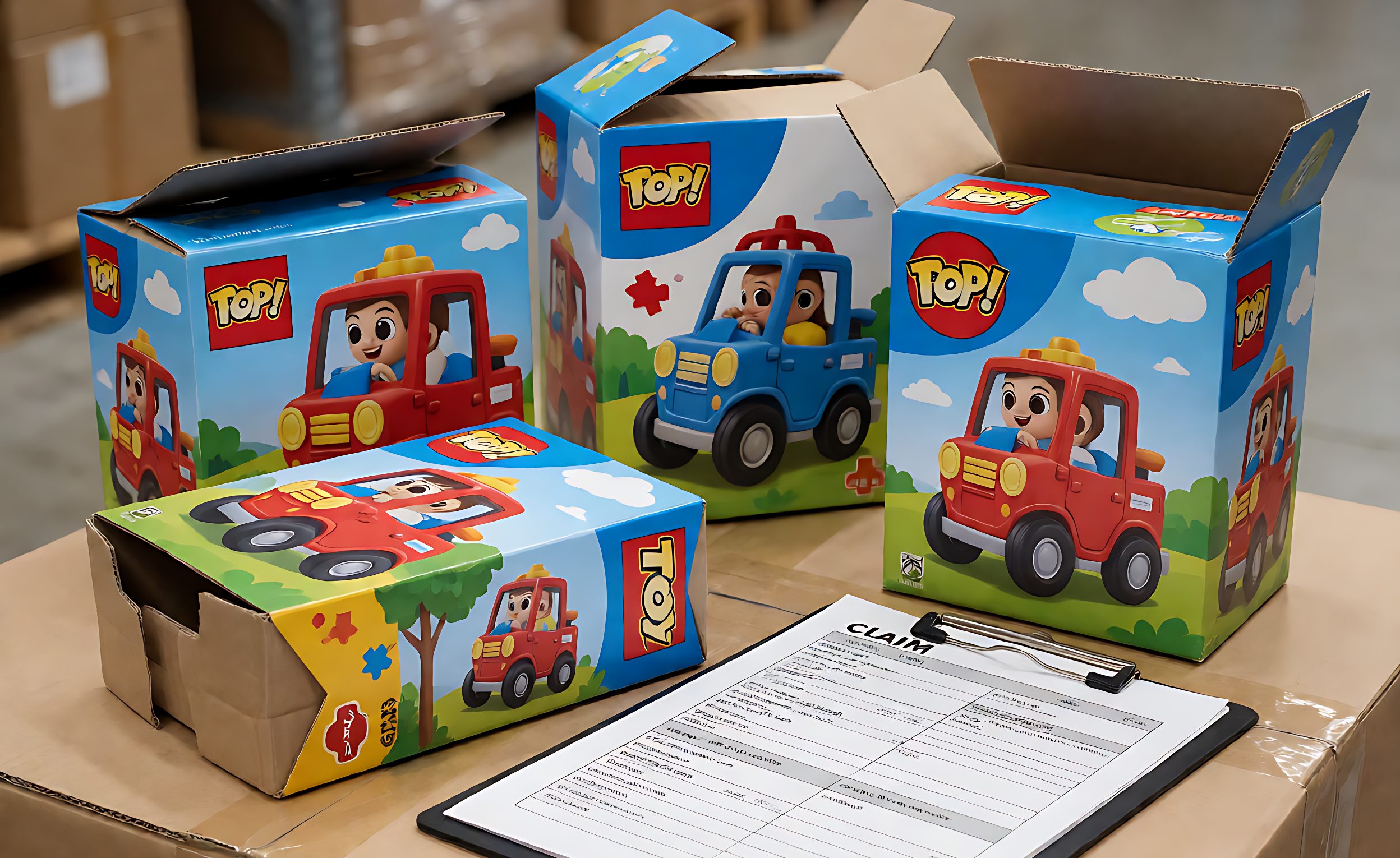
- Transit damage: crushed cartons, water ingress, container-rub abrasion. The evidence is the delivery receipt with exceptions noted, photographs taken at the dock, and carrier notification inside the carrier’s window.
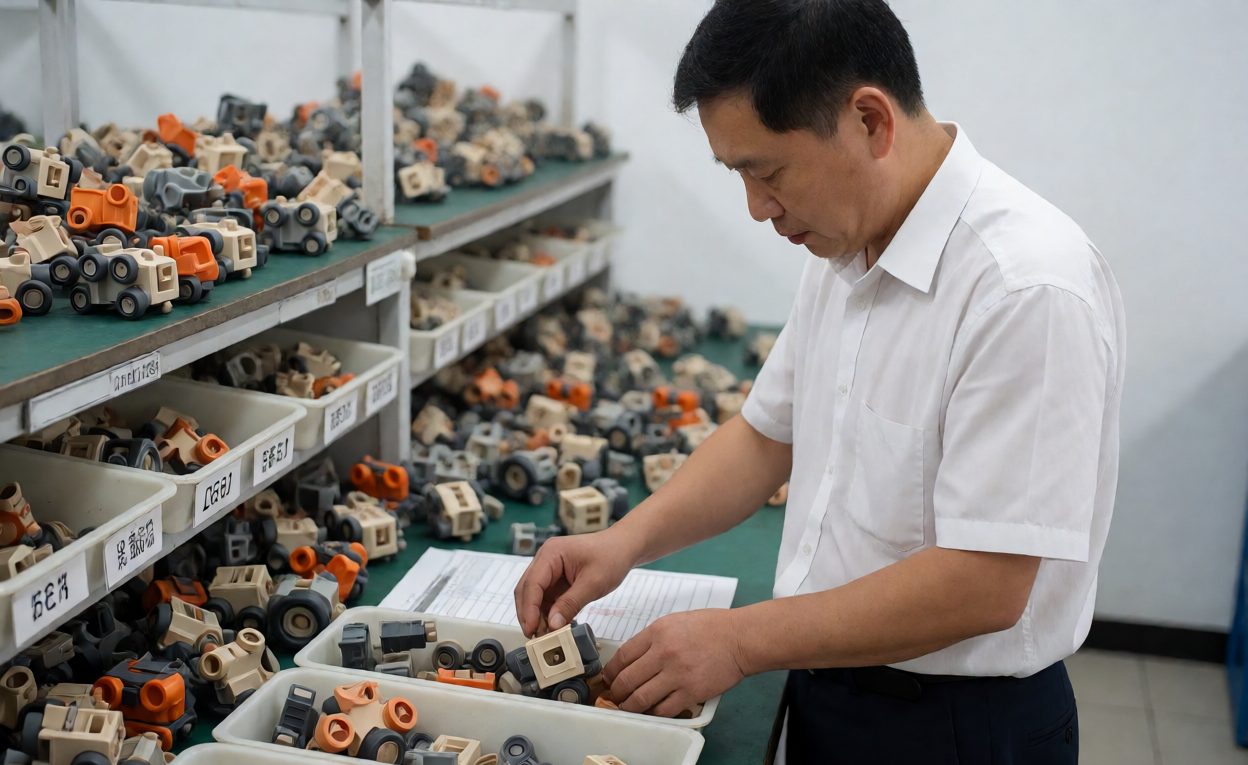
- Manufacturing defect: a defect rate above the agreed acceptance threshold, consistent across units rather than scattered. Evidence is the pre-shipment inspection report plus retained samples.
- Specification drift: goods that are perfectly saleable but differ from the sealed golden sample in colour, hand feel, printing or pack construction.
- Commercial returns: unsold stock a retailer wants to send back. That is a trading-terms question, not a defect claim, and it should never be funded as though it were one.
The classification decides who pays. Transit damage is a freight and insurance matter, manufacturing defect belongs to the factory, and commercial returns are settled by whatever the supply agreement said before the order was placed. Wholesalers who skip this step end up paying for other people’s problems and calling it customer service.
Evidence That Survives a Dispute
A claim is only as strong as the file behind it. The standard set is short and should be collected the same way every time: purchase order number and date, the factory packing list, photographs showing carton condition before opening and unit condition after, a defect count stating the sample size it came from, and the inspection report the goods shipped under. Photographs taken after goods have already been moved onto a warehouse shelf are worth very little, because custody cannot be proven from them.
Timing is part of evidence. Most supply contracts carry a claim window measured from delivery, and many factories honour a shorter notification period than buyers assume. Send written notice inside that window with the preliminary defect count attached, even if the full assessment is not finished. An early partial claim beats a late complete one almost every time, because the late one is answered with a single sentence about the deadline.
Retain samples. Keep a sealed box of the defective units from each claim until the credit is settled. More claims are lost to the absence of a physical sample than to any argument about standards, and a sample costs a few cubic centimetres of shelf space.
Disposition: Repair, Credit, or Scrap
Deciding what happens to the goods before moving them saves the most money. Three routes exist and the order matters. Local repair or rework makes sense where the defect is cosmetic and labour cost sits below the landed unit cost, which is common with scuffed retail packs and minor print faults. Credit against the next order works well for defects found at goods-in, provided the credit is written against a named purchase order and not recorded as goodwill. Scrap at origin is cheapest of all when the defect rate is high enough that return freight would exceed the recoverable value, and it avoids import duty, handling and disposal cost on goods that will never sell.
Wholesalers routinely ship defective stock back across borders out of habit. Doing the arithmetic first – freight, duty, handling, and the realistic probability of recovery – usually shows that documented destruction plus a negotiated factory credit is the cheaper path, and it closes the file in weeks rather than months.

Writing the Terms Into the Order
Returns are cheapest to manage at the contract stage. Four clauses belong on the purchase order: the defect acceptance threshold and the remedy when it is exceeded, the claim notification window with the required evidence format, whether the factory credits, replaces or refunds, and who carries freight on a validated claim. None of these clauses is unusual in the trade; buyers simply omit them and then negotiate from weakness when the container arrives short or wet.
Retail customers impose their own version of the same terms on the wholesaler, and the two should be aligned deliberately. A retailer chargeback for late delivery is not a factory defect, and a wholesaler who accepts it as one funds it personally. Map each retailer deduction to a category, and only pass through the ones that are genuinely upstream.
Technical Background
The movement of goods back up the supply chain is handled under reverse logistics practice, which treats returns as a managed flow with its own cost model rather than as an exception to be absorbed. Ownership and risk boundaries in these disputes are set by the Incoterms rule stated on the order, because that rule decides who owned the goods at the moment the damage occurred. The document that settles a transit claim is the bill of lading, whose exception notes at delivery are the carrier’s own contemporaneous record of condition.
Keeping the Ledger
One file per claim: purchase order, evidence, notification, disposition, credit received, and the date the file was closed. Review the ledger quarterly and the pattern becomes obvious – a factory whose defects cluster on one component, a lane that damages cartons every rainy season, a retailer whose returns track its own over-ordering rather than any quality problem. Those patterns are worth more than any individual credit, because they change the next order instead of settling the last one.
Feed the pattern back into specification. Transit damage is prevented upstream through the carton and testing standards in the ISTA drop test guide and the load planning in the container loading calculation. Defect rates are controlled by the golden sample approval workflow and by the pre-order checks in the factory audit checklist. Where a defect is a safety issue rather than a cosmetic one, the matter stops being a returns question and becomes recall readiness and product liability.
Frequently Asked Questions
How long do I have to file a damage claim?
Carrier windows are short, often measured in days from delivery. Notify in writing immediately with photographs, then follow with the full defect count once the assessment is complete.
Who pays freight on a validated defect claim?
Whoever the purchase order says. Without that clause it becomes a negotiation, and the party holding the goods usually loses it.
Should defective goods always be shipped back?
No. Compare freight, duty and handling against the recoverable value first; documented scrap plus a factory credit is often cheaper and closes faster.
What single piece of evidence matters most?
Photographs at goods-in before the goods move, backed by the pre-shipment inspection report and a defect count stating the sample size.
Can I claim for unsold stock a retailer returned?
Only if your trading terms allow it. Commercial returns are a negotiated arrangement and should not be funded as a defect claim.
What is a reasonable defect threshold?
The acceptance quality limit stated in the contract. Claims are valid above that threshold, not for a handful of isolated units in an otherwise conforming shipment.
How do I stop the same damage recurring?
Fix it upstream: carton grade, transit testing, pallet configuration and load planning, then verify on the next shipment rather than after the next claim.