


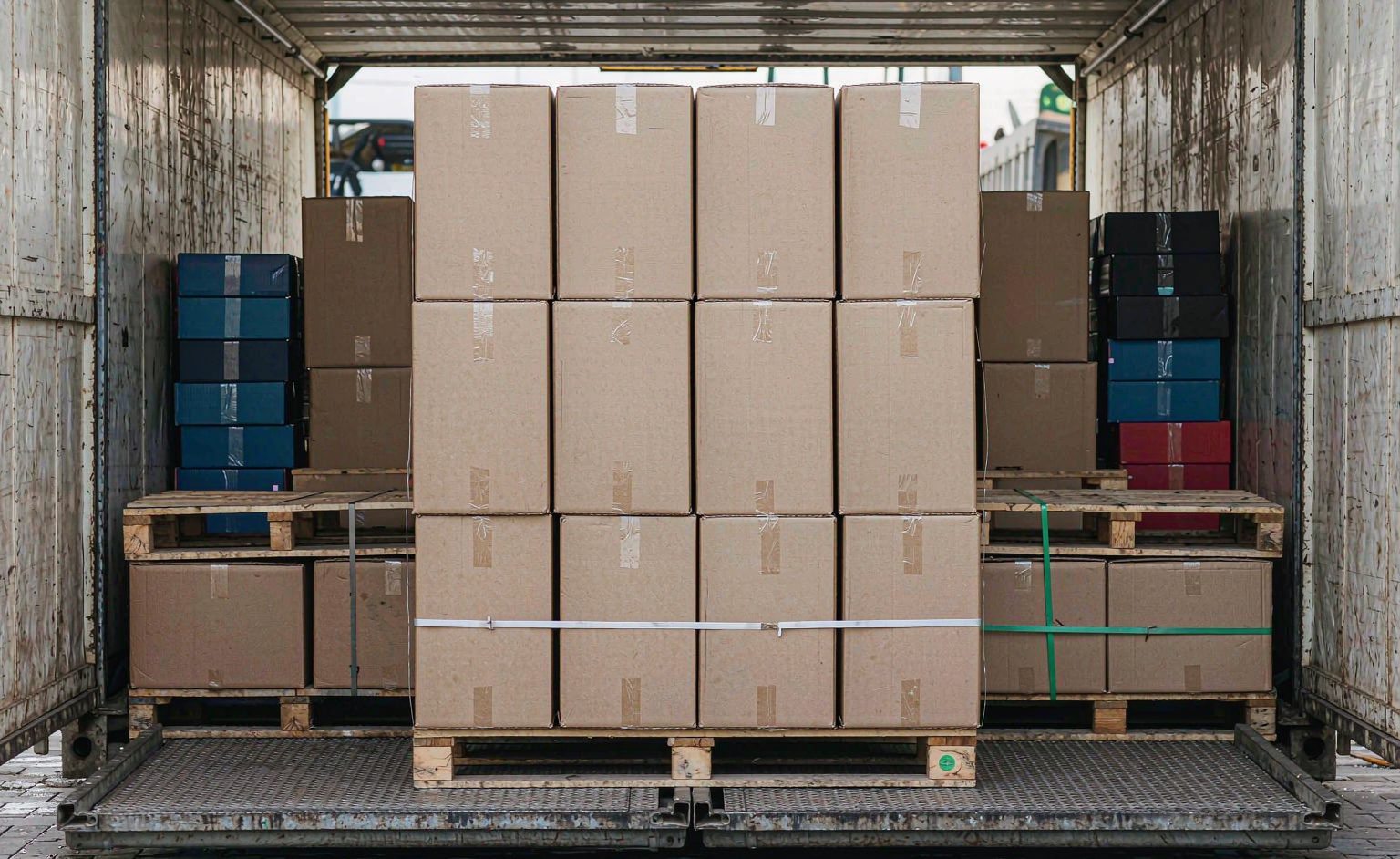


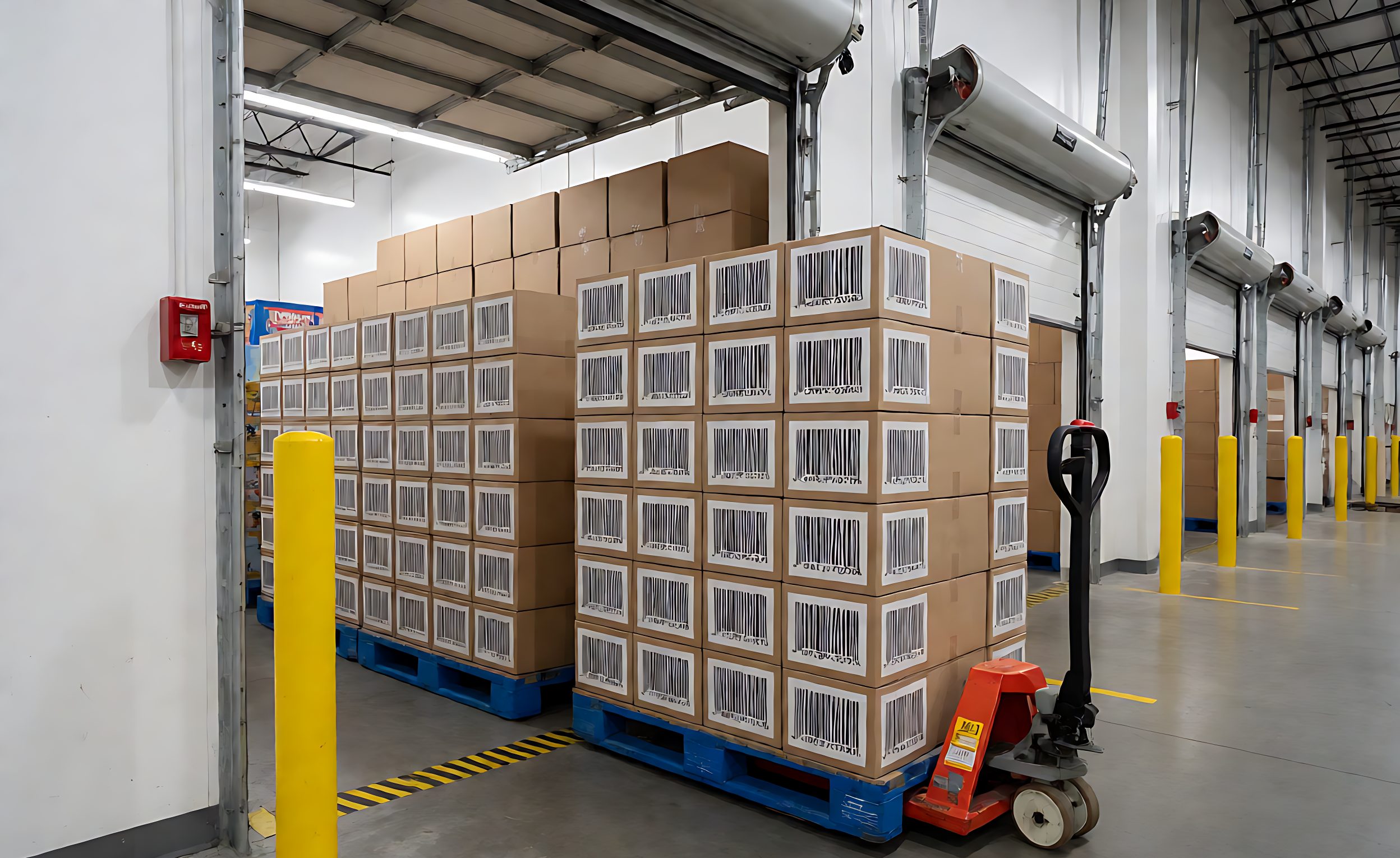
Selling toys through Amazon’s fulfilment network moves the packing decision upstream. Units that arrive unlabelled, in mixed cartons, or without the required warnings are charged back, delayed, or refused at the receiving door. The cheapest place to solve this is the factory floor, where labour is inexpensive and the packing line already handles every unit; the most expensive place is a third-party prep warehouse in the destination country, where each unit is touched twice and every error is invoiced.
FBA prep is therefore not an afterthought to the toy order. It is a specification, and it belongs on the purchase order next to the pack dimensions and the artwork.

The Carton Rules That Get Enforced
Amazon’s receiving requirements concentrate on the master carton, and the recurring rules are:
- Weight and size limits: cartons above the published weight threshold need a team-lift or heavy-package marking, and oversized cartons can be refused outright.
- Six-sided labelling: every carton needs its shipment and box identifiers accessible without opening the box, typically on the top or a side, not buried under tape seams.
- Uniform case packs: one SKU per carton wherever possible, with a stated unit quantity per box, because mixed cartons slow receiving and invite discrepancies.
- No bundled confetti: loose units inside a carton without an inner box are a frequent source of count disputes, so inners should be closed and consistent.
None of these are difficult, but all of them must be stated before packing starts. A factory that ships retail cartons in whatever arrangement suits the container has not made a mistake in its own terms; it simply was never told the destination rules.
Barcodes and Prep Types at Unit Level
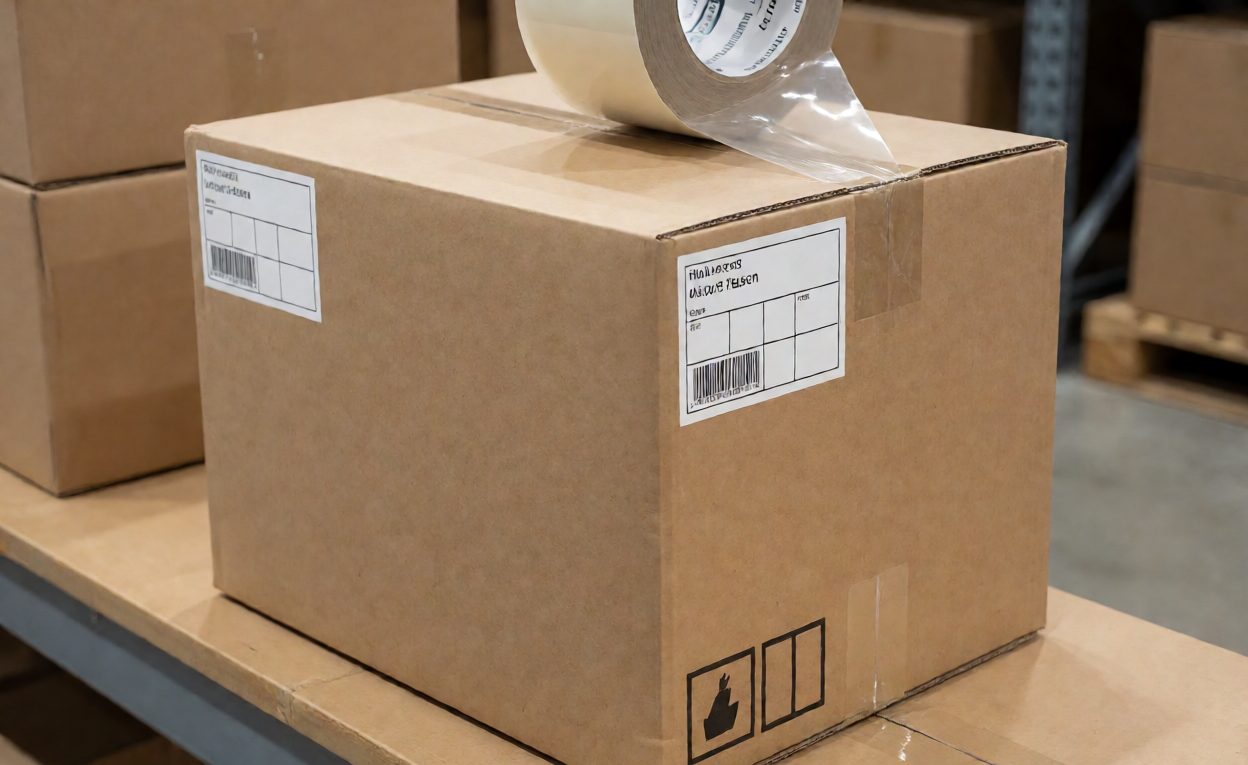
Each sellable unit needs a scannable barcode that the fulfilment centre can act on. Sellers choose between the manufacturer barcode, which relies on a GS1-registered retail number already on the pack, and an Amazon fulfilment centre barcode, which the seller prints and applies or has the factory apply. For toy products with multiple sellers sharing a listing, the applied barcode removes ambiguity at receiving.
Prep requirements follow the product’s physical form. Poly bags above the stated opening size need a suffocation warning printed or applied, and the bag must be transparent enough for the barcode on the pack inside to scan without removal. Sets and multi-packs need a clear “this is a set” marking so units are not split at receiving. Fragile items need bubble wrap or equivalent protection. Toys with sharp points or exposed edges need additional coverage. Every one of these operations is trivial on a factory packing line and expensive anywhere else.
Case Pack Quantities and the Shipping Plan
The shipping plan declares what is in each box, and receiving compares reality against that declaration. A mismatch – two units short here, three extra there – generates investigation charges that exceed the value of the discrepancy. The fix is procedural: fixed units per inner, fixed inners per master carton, and a count check at the end of the packing line rather than an estimate.
Case pack quantities also decide which listings can use case pack configuration, where the fulfilment centre receives whole cartons as a single sellable quantity. For slow-moving toy SKUs this is efficient; for fast movers it creates stranded inventory, so the case pack size should be a commercial decision, not a packing convenience.
Technical Background
The outsourced-packing model FBA replaces is the traditional fulfilment house, whose economics explain the per-unit prep charges. Retail identification rests on the International Article Number system, and the issuing body behind it is GS1, which is why barcode ownership should be settled before artwork is printed.
Writing Prep Into the Purchase Order
Specify, in writing: units per inner and per master carton, the barcode type and who prints the labels, poly bag sizes and suffocation warning placement, set markings for multi-packs, carton weight verification, and the carton marking for heavy boxes. Ask the factory for a photo of the first packed carton and its labels before the line continues – a two-minute check that prevents an entire pallet of errors.
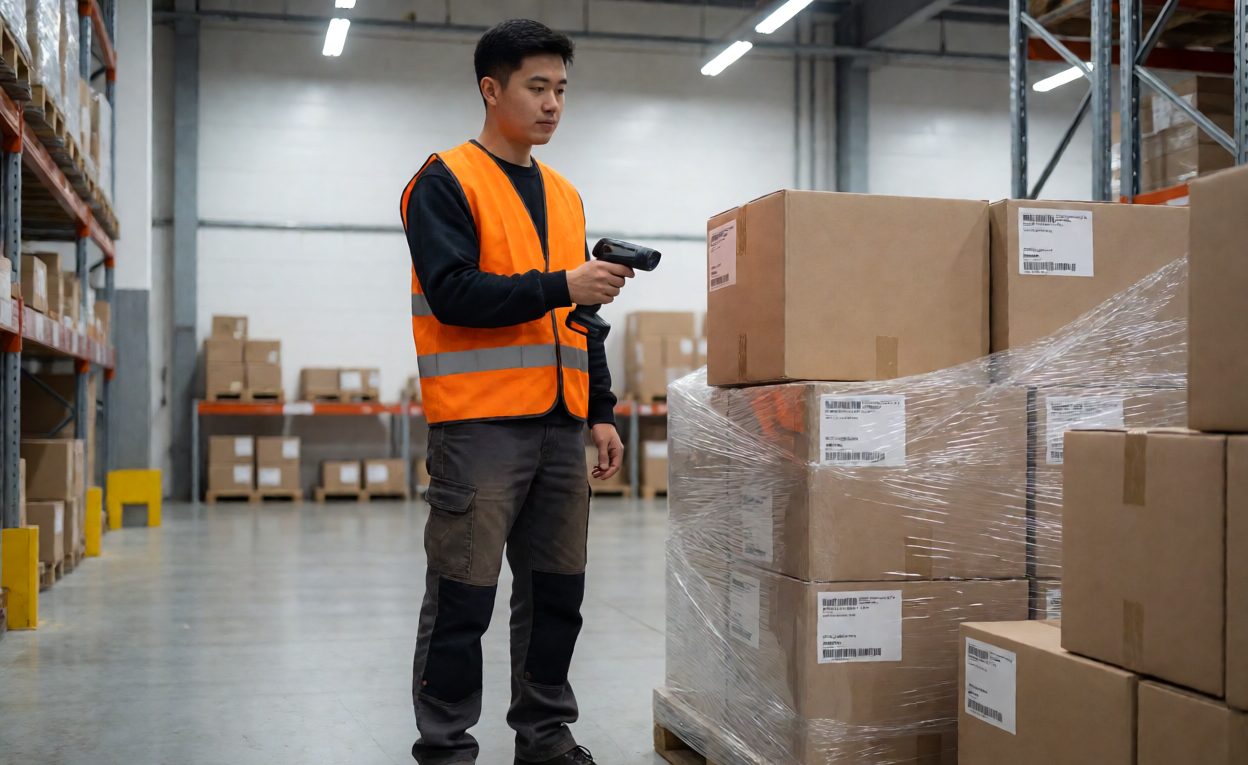
Then reconcile the plan against the physical load. Carton counts that match the shipping plan, labels that scan on the first pass, and inners that open cleanly are the difference between inventory visible for sale the day it arrives and inventory stuck in receiving for weeks.
Freight and cube planning around FBA cartons is covered in the container loading calculation guide, transit protection for those cartons in the ISTA drop test guide, and unit-level labelling languages in the multilanguage label requirements guide.
Frequently Asked Questions
Who should apply the FBA barcode, the factory or a prep centre?
The factory, wherever possible. The unit is already in hand on the packing line, so application cost is minimal, and it removes a whole downstream handling step.
Can different SKUs ship in one master carton?
Only when unavoidable. Mixed cartons slow receiving and raise discrepancy risk, so keep one SKU per carton and mix at pallet level instead.
What is the most common FBA receiving failure for toys?
Box content mismatches – declared quantities that do not match received quantities – usually caused by flexible case packing on the factory line.
Do poly bags always need the suffocation warning?
Bags above the stated opening size do, and the warning must be legible. Printing it on the bag at the bag maker is cheaper than applying warning stickers later.
Should I use the manufacturer barcode or an Amazon barcode?
Manufacturer barcodes work where the listing is clean, but applied barcodes remove matching ambiguity and are safer for shared or contested listings.
How do I prevent count discrepancies?
Fixed inners per carton, a count verification at the end of the line, and a carton-by-carton tally that reconciles with the shipping plan before the truck leaves.
Is FBA prep more expensive in China or at destination?
At destination. Prep at the factory uses the existing packing line and lower labour cost, while destination prep adds a facility touch, storage and re-handling to every unit.
If you are moving from planning to ordering, the wholesale toy supply page covers pricing tiers and capacity, and the product catalogue lists pack formats and carton details.