


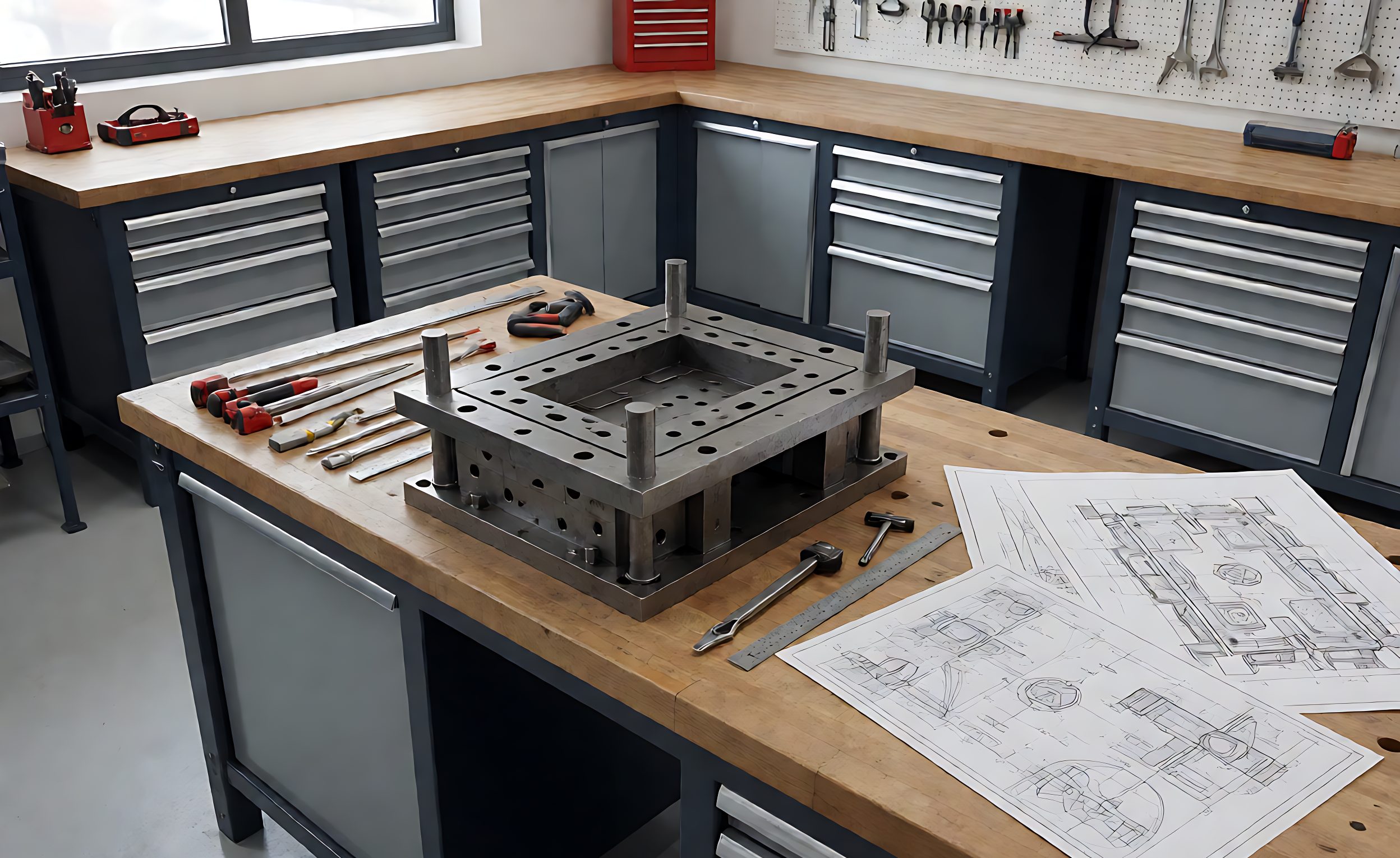
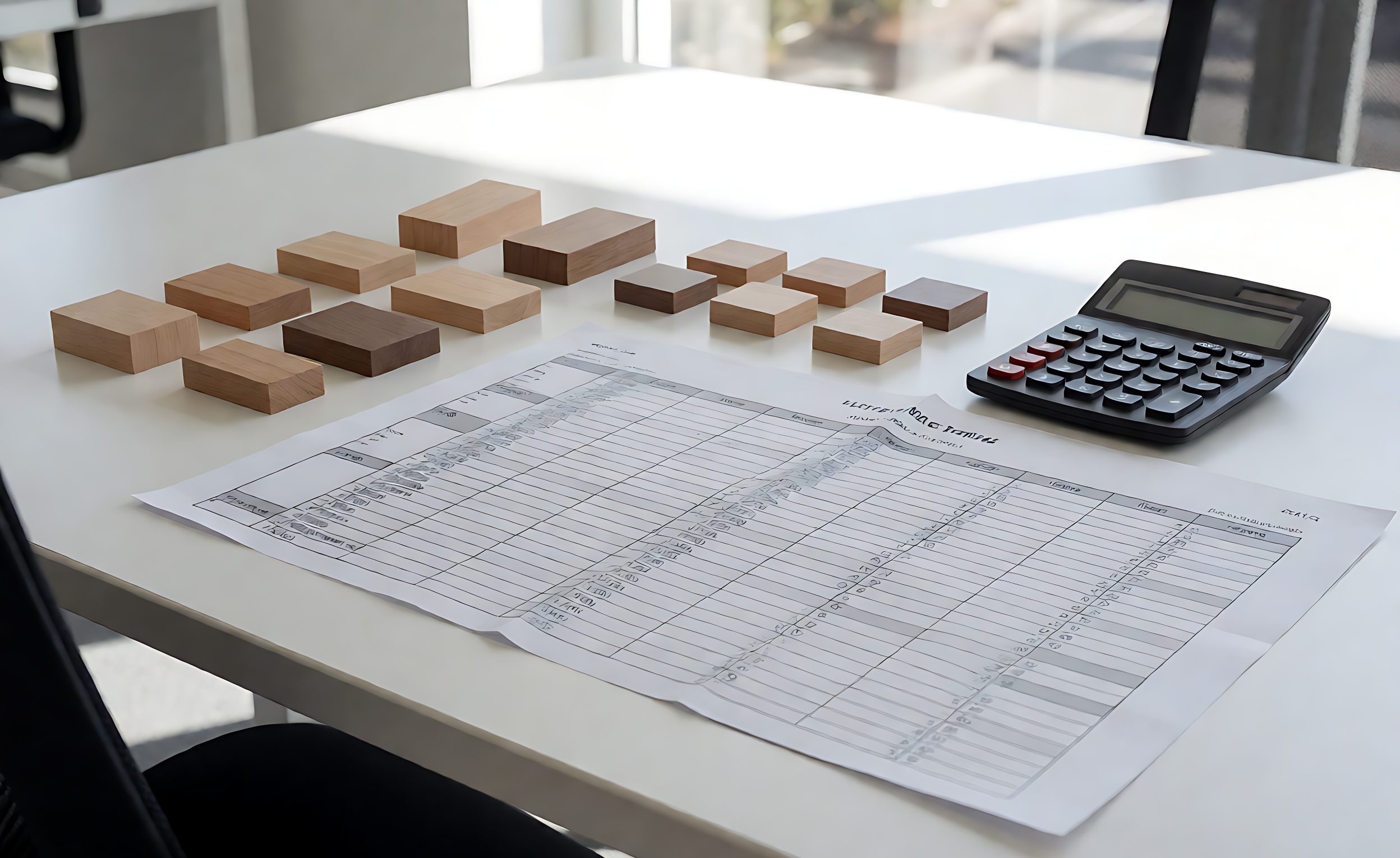

Seasonal toy demand is not spread across the year, and factory capacity is not either. A product that takes thirty days to make in March can take sixty in September, because the line is shared with everyone else’s seasonal volume. Buyers who plan peak orders the way they plan off-peak orders end up with stock that arrives after the selling window, which is worse than no stock because it carries all the cost and none of the revenue.
The mechanism is simple: capacity is allocated in advance, and the allocation is a commitment. Understanding what a booked slot actually obliges on both sides turns the peak from a scramble into a schedule.
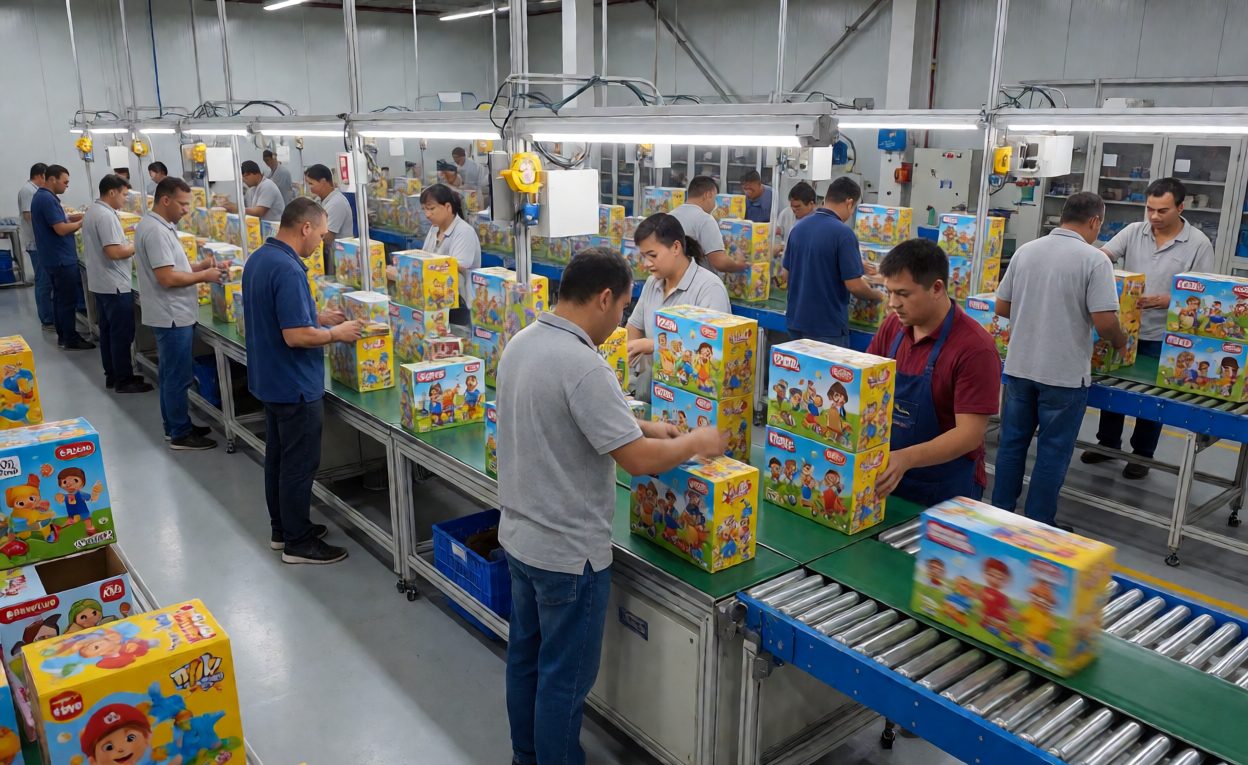
Plan Backwards From the Retail Window
Start from the date stock must be available to sell, then subtract each stage with realistic durations rather than optimistic ones:
- Retail or warehouse delivery date, minus inland transit at destination.
- Customs clearance and de-stuffing, which lengthen at peak.
- Ocean transit, plus the buffer for port congestion that reliably appears in peak months.
- Pre-shipment inspection and release.
- Testing turnaround, including a retest allowance.
- Producción, quoted at peak-season duration rather than at normal duration.
- Material procurement and packaging print, which need their own lead time before production starts.
The result is usually an order placement date two to four months earlier than intuition suggests. That gap is the plan, and the common failure is compressing the last three stages because the first two slipped.
What a Booked Slot Commits
A production slot is a reservation of line time. What the factory commits is a start date and a quantity per day; what the buyer commits is a deposit, a specification freeze, and a delivery date for materials and approved packaging.
The buyer-side commitments matter because they are the usual cause of a lost slot. Artwork that arrives late, a formulation that is still being adjusted, or a deposit that clears slowly all push the order out of its reserved window, and behind it is another customer’s order waiting. Factories protect their schedule by moving the unready order.
Ask what happens in that case, in writing: whether the slot is forfeited, whether a later slot is offered, and what the price implications are. Peak capacity rebooked at short notice rarely comes at the original rate.
Holding Capacity Without Overcommitting
Buyers face the opposite risk too: booking capacity for a forecast that does not materialise. Three techniques reduce it:
- Book the slot, stage the quantity. Reserve line time for the full forecast and confirm the final quantity at the last responsible moment before material purchase.
- Split the programme. Produce the core volume early on a firm forecast, and hold a smaller repeat slot for replenishment if the season runs hot.
- Standardise the slow parts. Custom packaging print and bespoke components are the long-lead items; standardising them shortens the plan more than negotiating production time.

Antecedentes técnicos
The interval being managed is lead time, which in a shared production environment expands when utilisation rises. Recurring annual demand concentration is seasonality, and it is the reason capacity, freight and port handling all tighten in the same weeks. Planning against both is a core part of managing a supply chain that serves a fixed retail calendar.
Questions to Ask in the Planning Meeting
Four questions produce most of the useful information: which weeks of the year are already committed, what the peak-season production duration is for this product, what the factory needs from the buyer and by when, and what the policy is if either side misses. A supplier who answers these concretely is describing a plan; one who answers vaguely is describing hope.
Freight needs booking on the same logic. Vessel space and container availability tighten in the same weeks as factory capacity, so a production slot without a corresponding booking can still miss the window. Confirm the booking window with the forwarder at the same time the slot is agreed.
Then put the dates in one document both sides hold, including the material and artwork deadlines that are easy to forget because they fall before the order feels urgent.
Peak planning interacts with order quantity in the container loading calculation and with approval timing in the golden sample workflow. Testing lead time is covered in testing budget and timeline, and combining lines to fill capacity efficiently is discussed in mixed container orders.
Preguntas frecuentes
¿Con cuánta anticipación debe realizarse un pedido de juguetes de temporada alta?
Work backwards from the retail delivery date with peak-season durations for every stage. The result is typically two to four months earlier than off-peak planning.
¿Por qué la producción tarda más en el pico?
Because line capacity is shared across many customers’ seasonal volume, so the queue for each stage lengthens.
What can cause me to lose a booked slot?
Late artwork, an unfrozen specification, or a deposit that clears slowly. The factory protects its schedule by moving unready orders.
Can I reserve capacity without fixing quantity?
Often yes. Reserve the slot against a forecast and confirm the final quantity before material purchase.
Should I ship the whole season’s volume at once?
Usually better to ship core volume early and hold a smaller repeat slot for replenishment if demand runs ahead of forecast.
What is the longest-lead item in a peak programme?
Typically custom packaging print and bespoke components, which is why standardising them shortens the plan most.
What should be documented after the planning meeting?
Production start and end dates, the buyer’s material and artwork deadlines, and the policy if either side misses.