


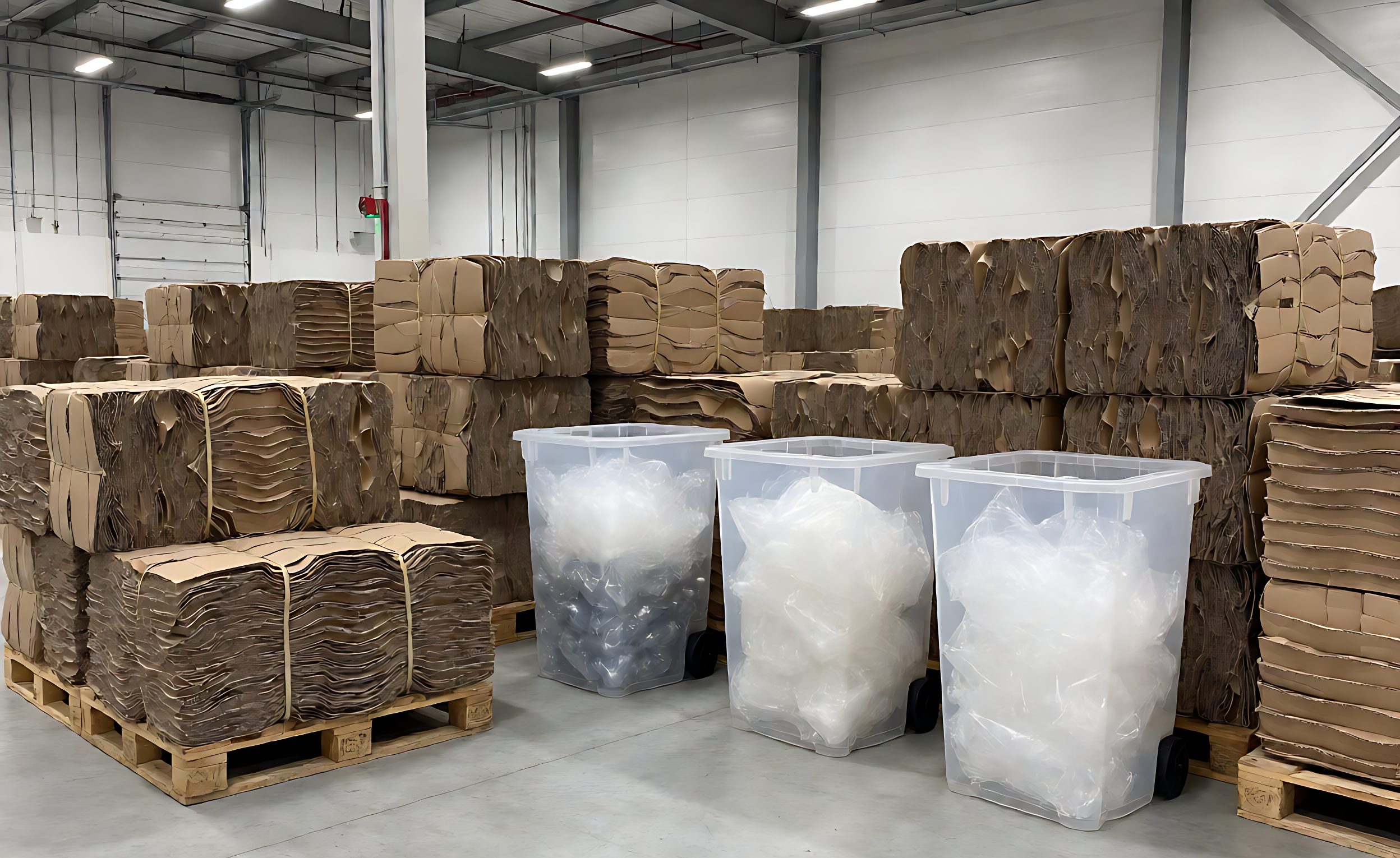
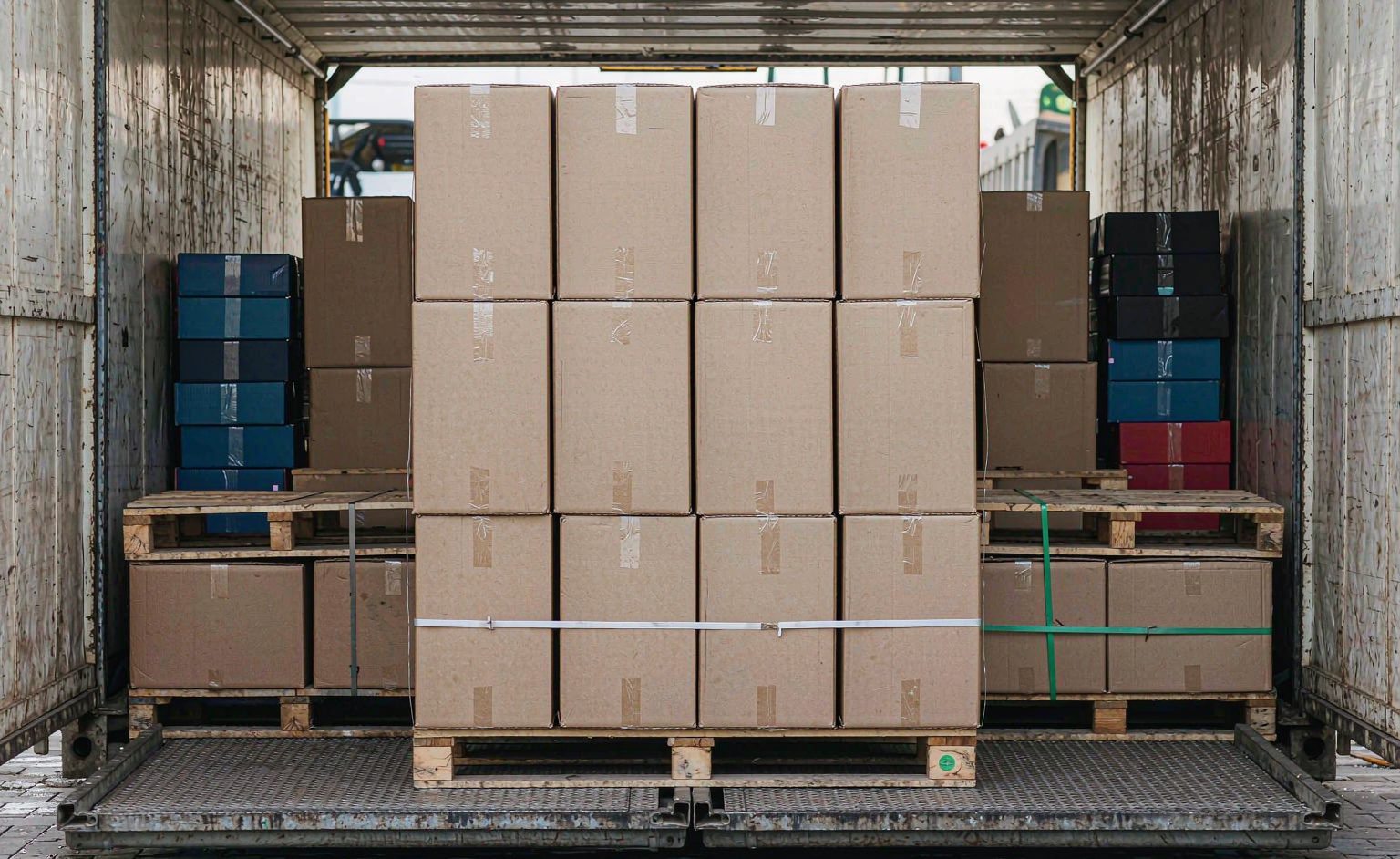

A toy order generates two kinds of packaging: the printed retail pack the customer sees, and the transport cartons, pallet wrap and void fill nobody photographs. Historically neither was a recurring cost line. Under extended producer responsibility that changed, because the collection, sorting and recycling of both is now funded by whoever first places the packaging on the market, and for imported goods that is normally the importer rather than the factory.
The obligation is administrative before it is expensive, which is exactly why it catches buyers out. Registration, material declarations and periodic reports arrive on a fixed calendar, and a company that misses them tends to discover the scheme at the worst possible moment.
Who Actually Holds the Obligation
Determining the responsible party is the first task, and it rarely resolves without checking the details:
- The importer of record is usually the producer in the eyes of the scheme when toys are placed on the market under that company’s own name, even if the factory designed and supplied every carton.
- Distance sellers shipping directly to consumers in another country can trigger registration in the destination country, so a single warehouse does not mean a single obligation.
- Marketplace fulfilment models often shift duties: where an operator stores and ships goods itself, some schemes treat that operator as the producer for the outer packaging it adds.
- Compliance schemes act as the paying agent, but joining one is not the same as being exempt; registration, declarations and invoices still carry the brand’s name.
The practical consequence is that every destination has its own answer. A toy brand selling into four countries may hold four registrations, four fee structures and four reporting calendars for the same carton.

What the Declaration Asks For
Declarations are made by material and by packaging category, expressed in kilograms placed on the market during the period. Sales packaging covers what the buyer throws away; transport packaging covers the master cartons, wrap and pallets; grouped packaging covers things like printed tray shrink. Each category is split into material streams – paper and board, plastics by polymer type where required, metals, glass, composites and wood – and the fee per kilogram differs sharply between them.
The numbers must come from somewhere traceable. The reliable method is weighed empties: weigh ten empty retail packs, take the average, multiply by units sold, and add a documented allowance for transport material. Guessing invites the scheme’s own estimate, which is generally higher, and slicing packs – taking off the laminated header and calling the rest paper – is precisely the kind of shortcut auditors look for.
Design Choices That Move the Fee
Fee structures are deliberately eco-modulated, so the design decisions that reduce waste also reduce cost. The changes that pay back fastest for toy packs:
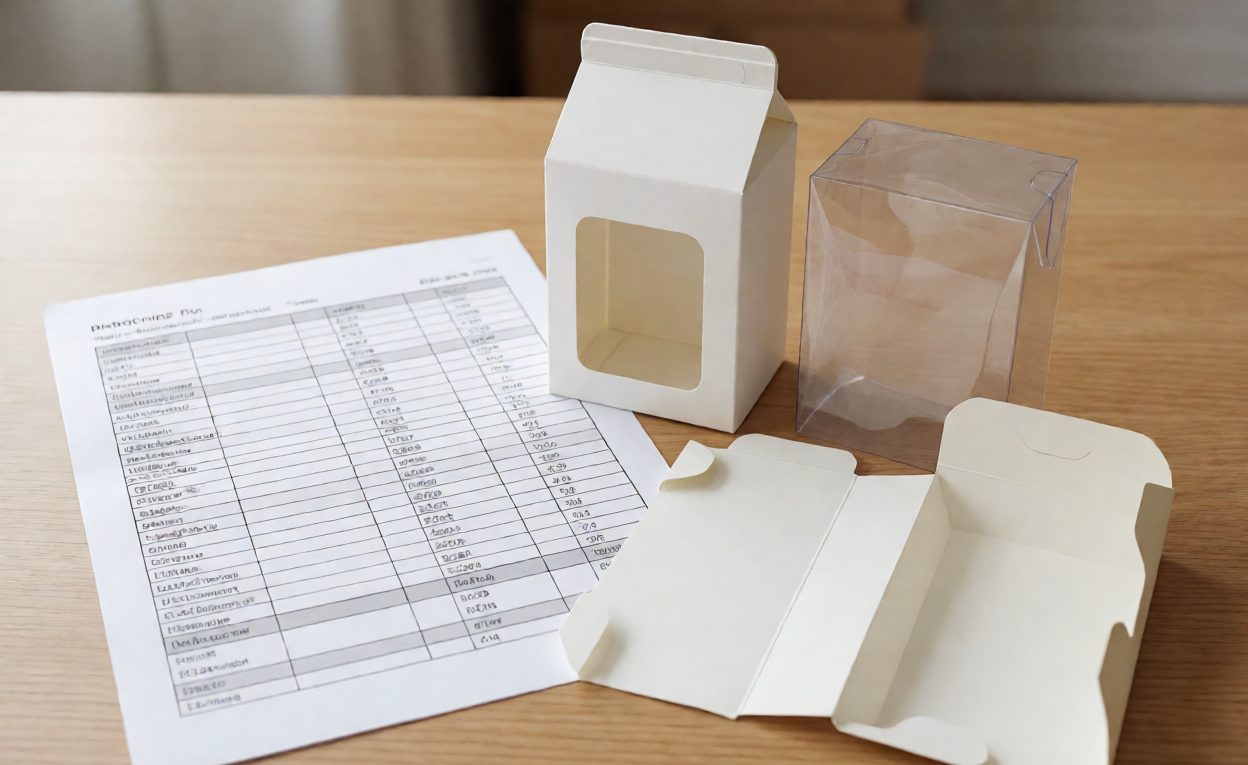
- Drop the window. A plastic window laminated to board makes the whole pack a composite, which is either rejected by the stream or charged at the highest rate.
- Avoid metallised film and foil blocking over large areas, since neither separates cleanly in paper recycling.
- Right-size the retail pack, because headroom built purely for shelf presence is material paid for twice, once in purchase and once in fee.
- Specify recycled content where it does not affect print quality, since several schemes discount it directly.
Recyclability claims on the pack itself must be defensible in the markets where it is sold, which is why marking decisions belong in the same review as the fee calculation.

Antecedentes técnicos
The policy instrument itself is extended producer responsibility, which moves end-of-life cost back to the producer. It exists to fund recycling rather than landfill or incineration, and it is a financing pillar of the circular economy framework that shapes modern packaging design rules.
Building the Annual Routine
Treat EPR as a calendar item, not a one-time registration. Before the season begins, ask the factory for declared empty-pack weights per component and keep them in the same file as the artwork. After each period, reconcile units sold against declarations and retain evidence, because schemes audit and the shortest way to pass an audit is a spreadsheet that explains every kilogram.
Then feed the packaging spec upstream. Fee savings compound when the same mono-material brief is applied to new lines rather than retrofitted to old ones, and pack changes should be tested for protection before they are adopted.
Material and marking choices sit inside the multilanguage packaging and label guide, and the retail pack formats that carry the most material are compared in the PDQ and display carton specification guide. Transport packaging volume is planned in the container loading calculation, and any reduction must still survive ISTA transit testing.
Preguntas Frecuentes
Who pays the EPR fee, the factory or the importer?
Whoever places the packaged product on the market in that country, which is usually the importer under whose name the toy is sold.
Do I need to register in every country I sell into?
Yes, per scheme. Selling into several member states generally means several registrations and separate reporting calendars for the same carton.
Is transport packaging included?
Almost always. Master cartons, pallet wrap and void fill are typically declared alongside the retail pack, each in its own category.
How should I calculate declared weights?
Weigh empties, average them, multiply by units placed on the market, and keep the measurements as evidence for a scheme audit.
Does removing the plastic window really lower the fee?
Usually significantly, because window board is a composite that sorts poorly and is often charged at the highest rate or rejected.
What happens if I miss a registration deadline?
Penalties vary by scheme, but sales can also be suspended on marketplaces that check registration status, so the commercial risk exceeds the fine.
Can the factory handle the filing for us?
It can supply weights and artwork evidence, but the legal obligation and the invoice stay with the party placing goods on the market.