


Toy freight exposes a structural problem: many products are large, light and empty. A licensed plush animal or a moulded plastic play set occupies space out of all proportion to its weight, and carriers price exactly that imbalance. Two mechanisms do the pricing. Less-than-truckload carriers assign a freight class largely on density, and parcel and air carriers bill the greater of actual or dimensional weight. In both cases the buyer is invoiced for volume, whether or not the carton is full.
The encouraging part is that most of the lost cube is recoverable without changing the toy. It is lost in the retail pack dimensions, in case pack quantities chosen for convenience, and in carton sizes nobody ever recalculated after the first sample.
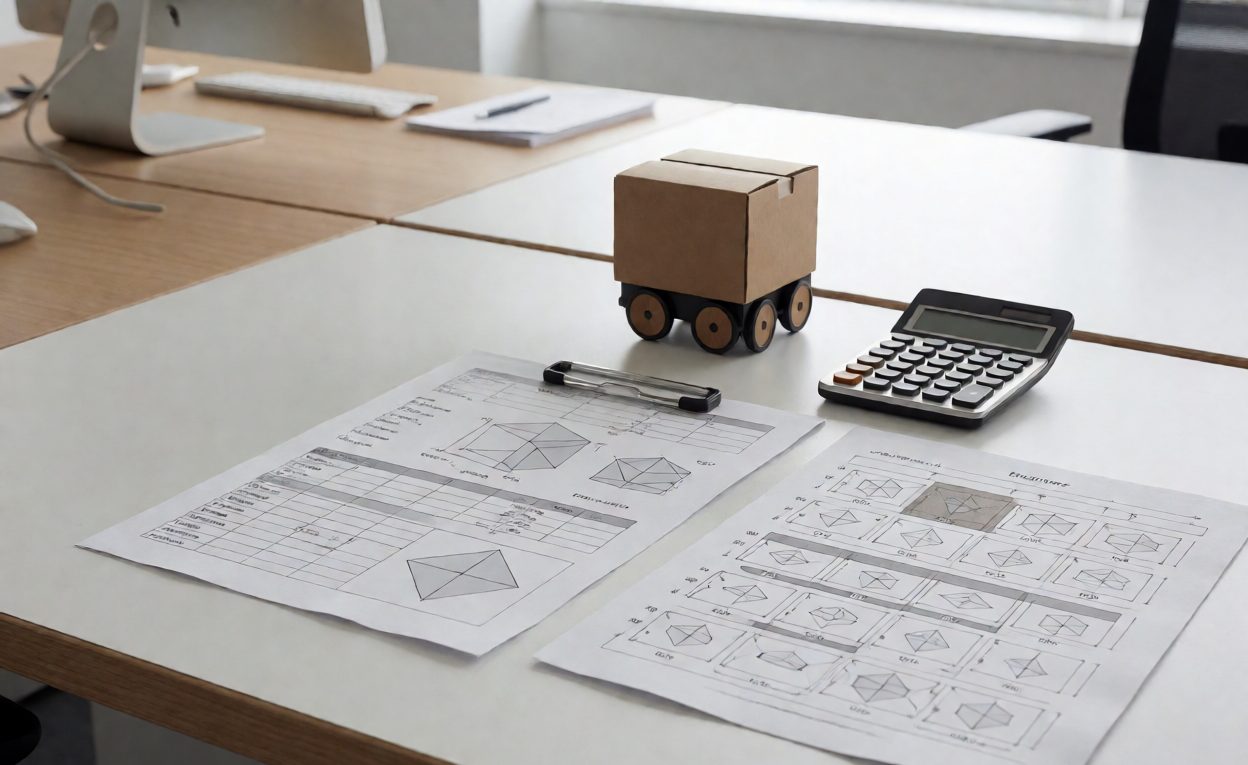
Why Density Decides the Rate
Understanding the two mechanisms tells you which lever to pull:
- Freight class on less-than-truckload freight is driven mainly by density, expressed as pounds per cubic foot. Light bulky toys land in high classes with high rates per hundredweight; compressing the same shipment into fewer cubic feet can drop it several classes.
- Dimensional weight converts volume into an assumed weight using a divisor, and air and parcel carriers bill whichever is greater. For a plush carton, the dimensional figure routinely exceeds actual weight by a wide margin.
- Stackability and handling matter too: a carton that cannot bear stacking loses pallet positions, and anything requiring special handling is surcharged before cube is even considered.
- Density changes are compounding, because a smaller carton reduces per-unit freight, per-unit warehousing and often the packaging material cost itself.
Request a density calculation before quoting. A shipper declared loosely almost always gets reclassified after the carrier measures it, and reclassification invoices arrive after the sale.
Pack-Level Fixes
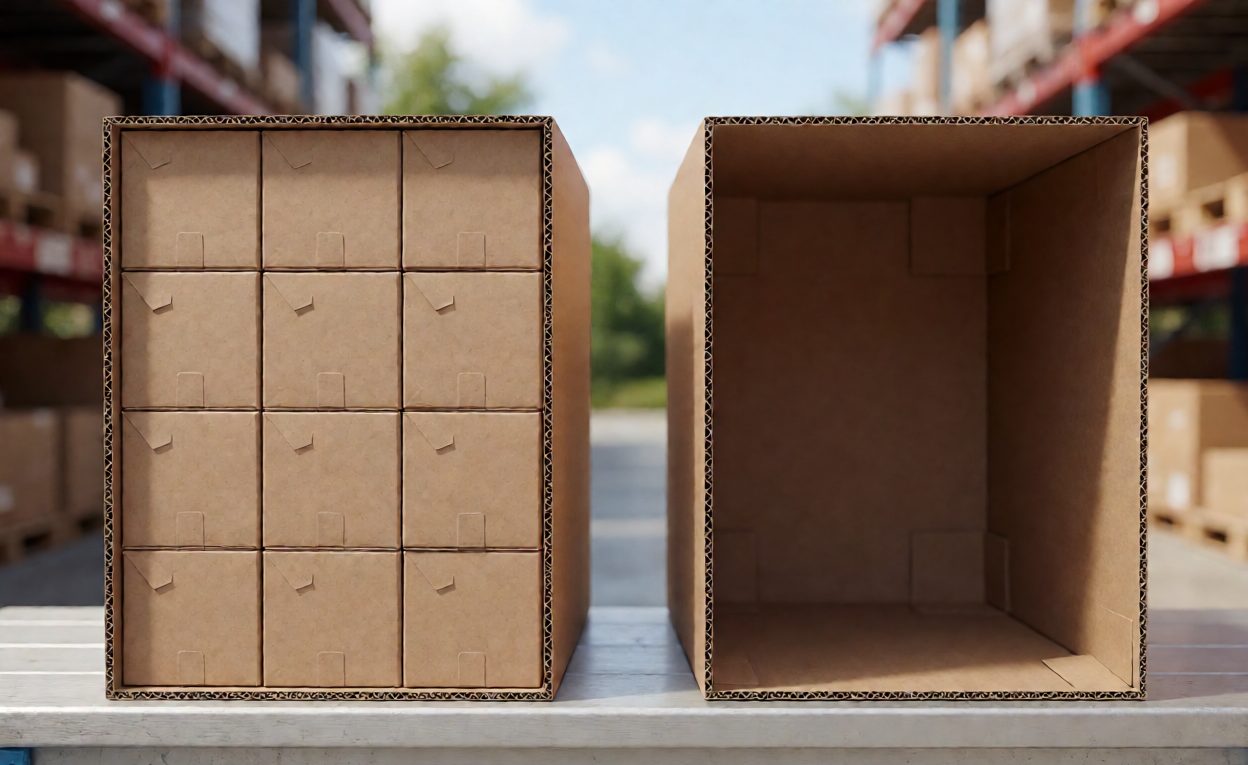
The retail pack sets the floor for everything above it. A single centimetre removed from the pack’s smallest face is multiplied over every unit in the container, which is why dimension reviews return more than material changes. Blister cards can often be trimmed, printed boxes can lose the empty allowance around an irregular toy, and multi-packs can be re-arranged so units nest rather than sit side by side.
Worth noting: the saving shows up in three places at once. Per-unit freight falls with better density, per-unit warehouse handling falls because fewer pallets move the same goods, and the packaging bill itself often falls when the retail pack is trimmed rather than merely re-boxed. Re-model the numbers each season rather than assuming last year’s rates and last year’s carton still apply.
Where a toy is naturally bulky, flat-packing or shipping assembled-at-retail is worth modelling. Selling convenience against freight cost is a commercial decision, but it should be made with the numbers in front of the buyer rather than inherited from the first sample the factory sent.
Carton and Pallet Level Fixes
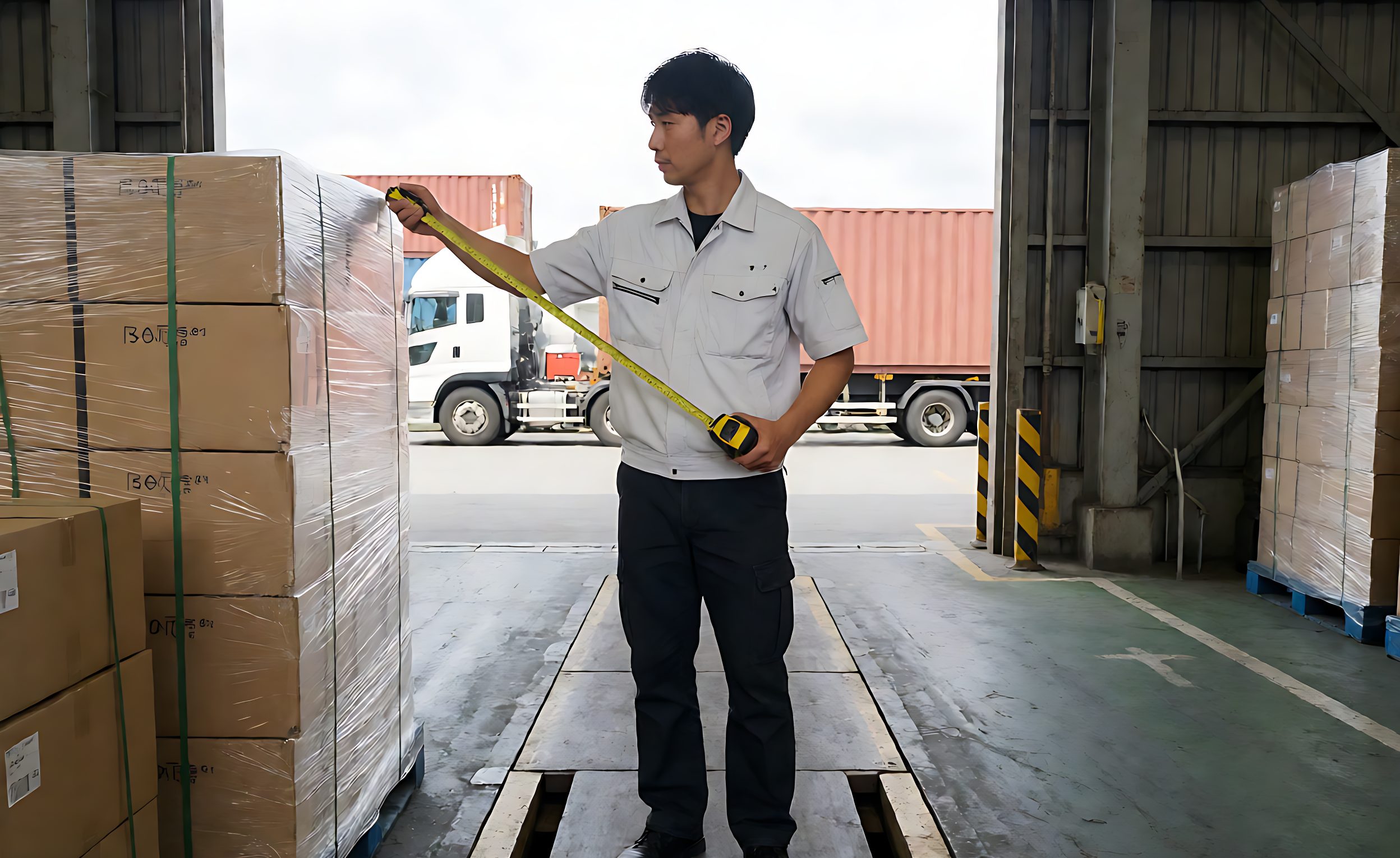
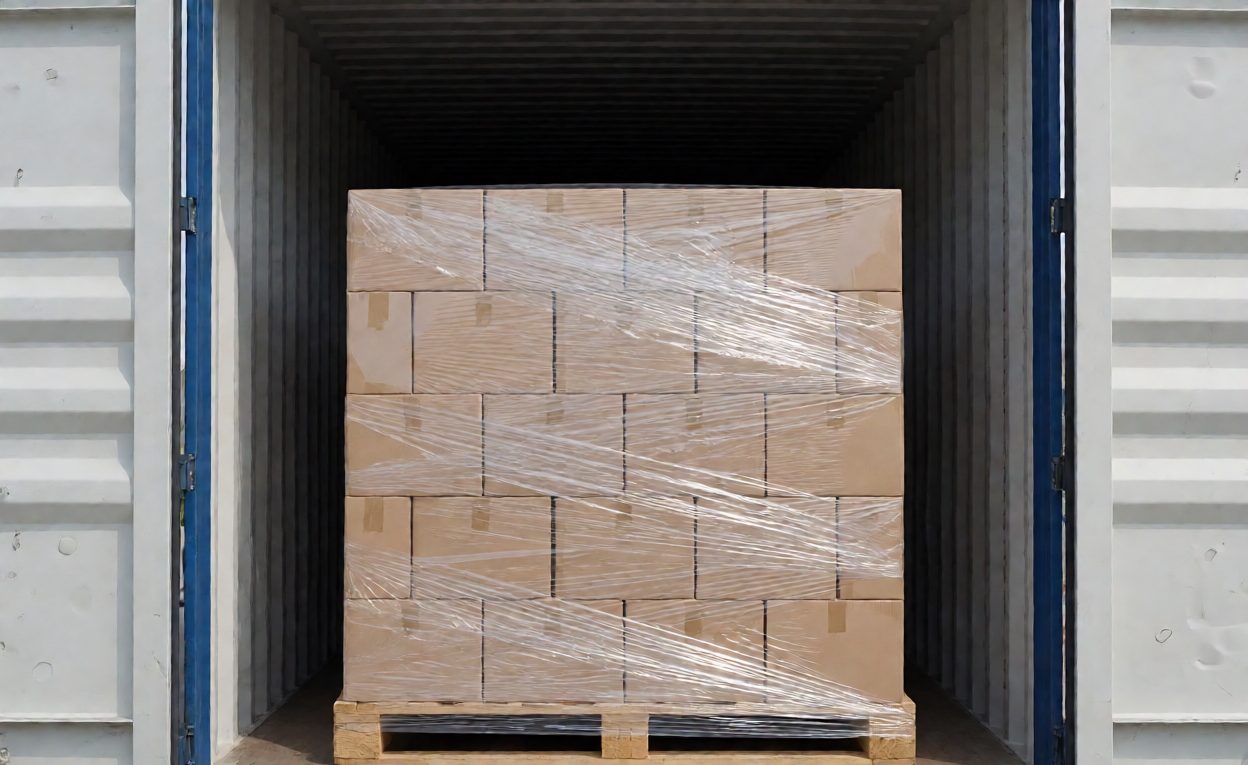
Carton dimensions should be derived from the pallet footprint, not chosen from a stock list. The routine is to pick case pack quantities that let cartons tile the pallet with minimal overhang, then confirm the resulting layer pattern fills the container’s internal width and height within a few centimetres. Vertical arithmetic matters too: usable height inside a container is less than nominal once the pallet base and internal clearance are allowed for, so a stack plan that fits on paper routinely fails against door openings and pallet height limits.
Two further checks belong before booking. First, cube optimisation must not come from compressing the product beyond what the protective structure allows, since carton strength falls as headroom and dividers are removed. Second, confirm carton dimensions actually match what was ordered: factories substitute stock cartons under load pressure, and a substitute carton quietly changes every downstream calculation.
Antecedentes técnicos
The pricing mechanism for light bulky freight is dimensional weight, which converts volume into a billable weight. The handling concept underneath pallet patterns is the unit load, and the platform those patterns are built on is the pallet, whose standard footprints constrain carton dimensions.
Making Cube a Specification
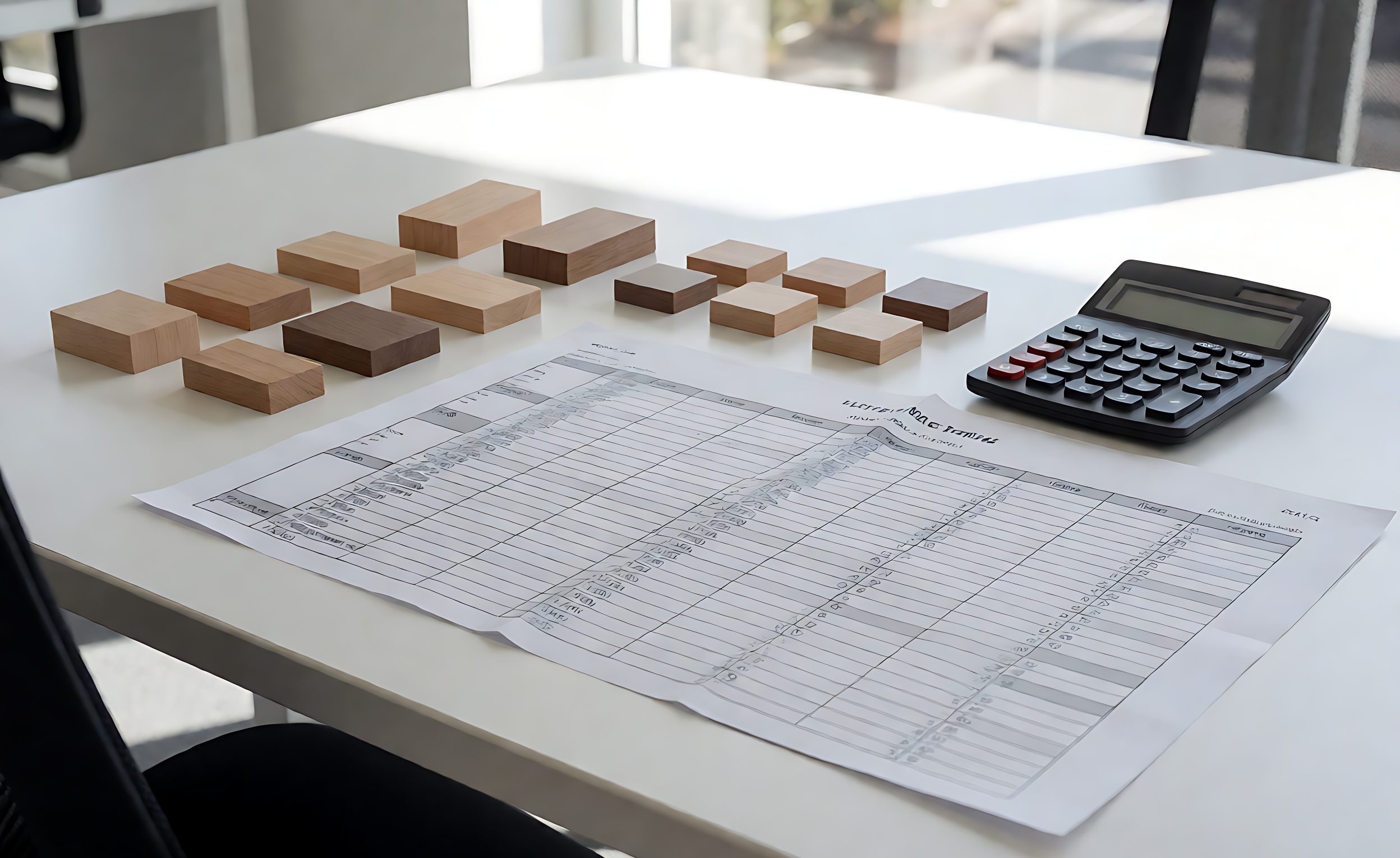
Put four items on every purchase order: exact finished carton dimensions with a tolerance, units per inner and per master carton, net and gross carton weight, and the pallet pattern in layers and cartons per pallet. Ask for a photograph of the first palletised load and compare it against the plan.
Then re-run the calculation annually. Toy lines change, accessory counts grow, and a carton that was optimised three seasons ago may now be shipping several percent of air. Density is one of the few cost inputs a buyer controls directly, and it repays attention every season.
Cube work connects directly to the container loading calculation, while any reduction in board or void fill must still clear ISTA transit testing. Carton uniformity affects receiving, covered in the FBA prep requirements guide, and combining awkward SKUs productively is treated in the mixed container ordering guide.
Preguntas Frecuentes
¿Qué hace que el flete de juguetes sea más caro que el de otros bienes?
Low density. Bulky, light products fall into high freight classes and billable dimensional weight, so buyers pay for space rather than mass.
¿Cómo puedo reducir la clase de flete?
Raise density by shrinking cartons, compressing packs or increasing case pack counts, and re-declare with accurate measured dimensions and weight.
¿Se utiliza el peso dimensional para el flete marítimo?
Rarely for full containers, where space is booked directly, but it governs air and parcel shipments of the same cartons.
¿Qué dimensiones de cartón funcionan mejor?
Those derived from a standard pallet footprint so layers tile with minimal overhang and the stack fills container height.
¿Puedo aumentar las unidades por cartón libremente?
Only within weight limits and protective performance; heavier cartons risk crushing lower layers and failing transit tests.
Should I accept the factory’s stock carton size?
Only after checking cube. Stock cartons save tooling cost but frequently ship several percent of unused volume per pallet.
How often should cube be recalculated?
Every season and after any pack or accessory change, since additions quietly consume space the original plan did not allow for.