


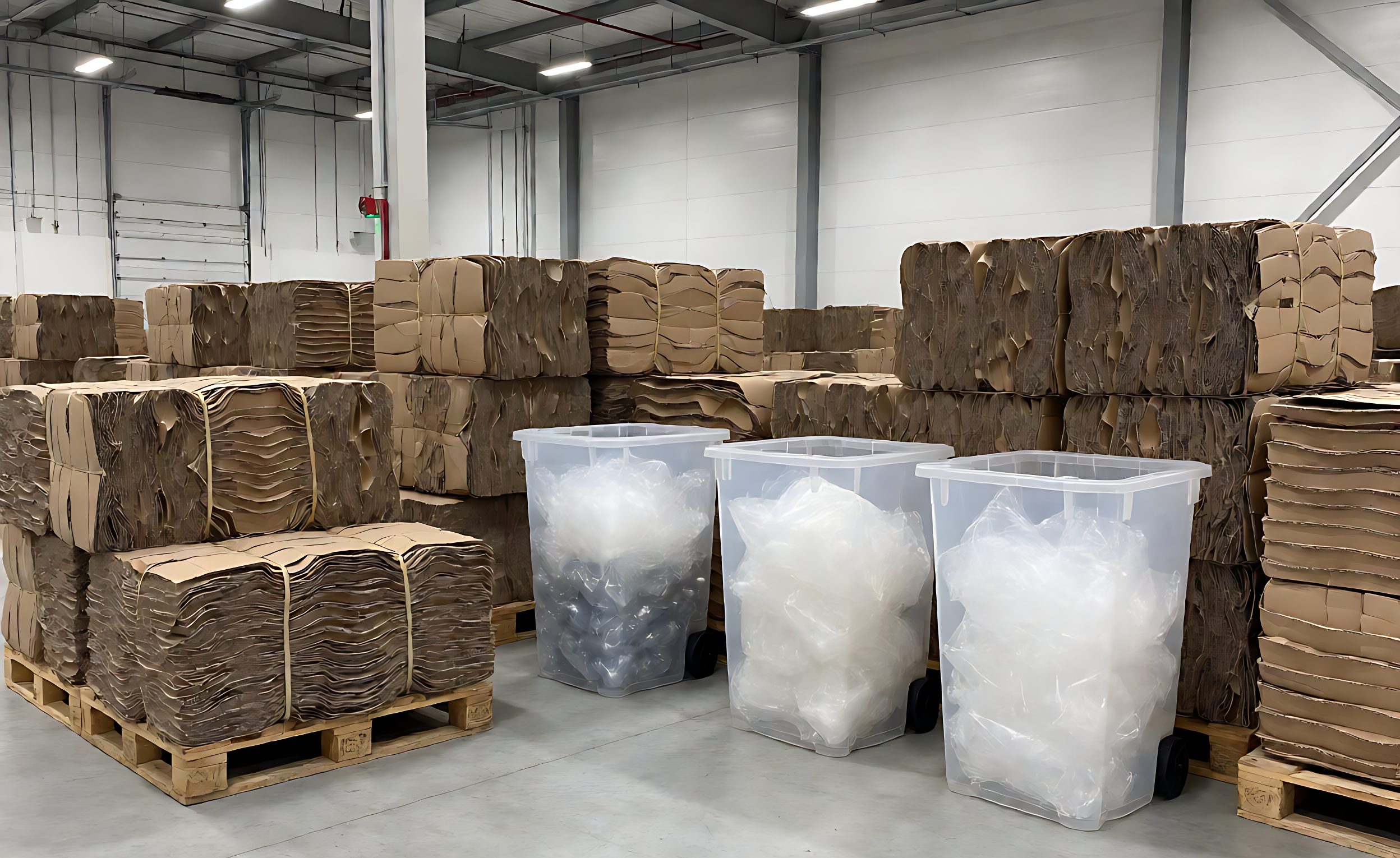
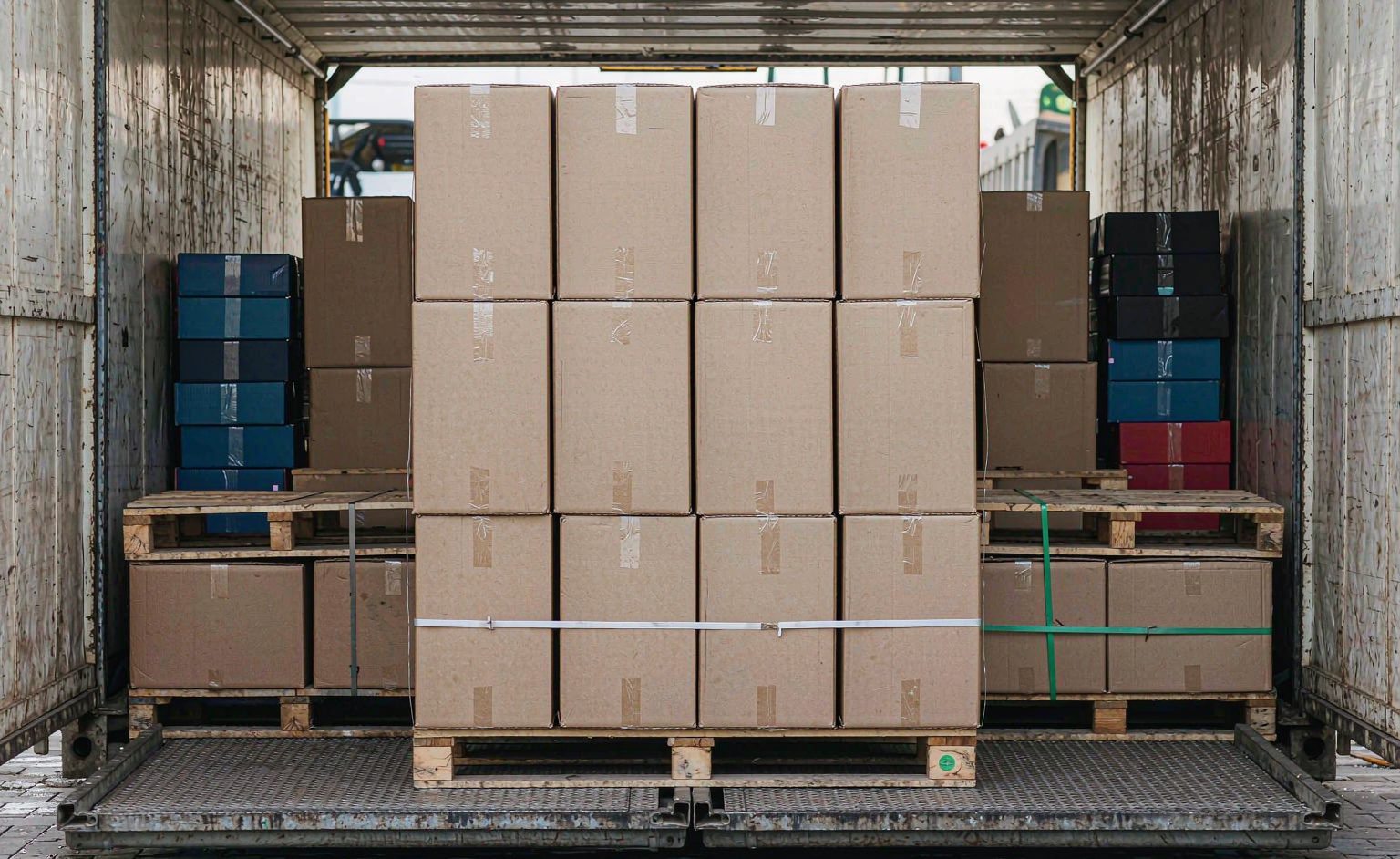
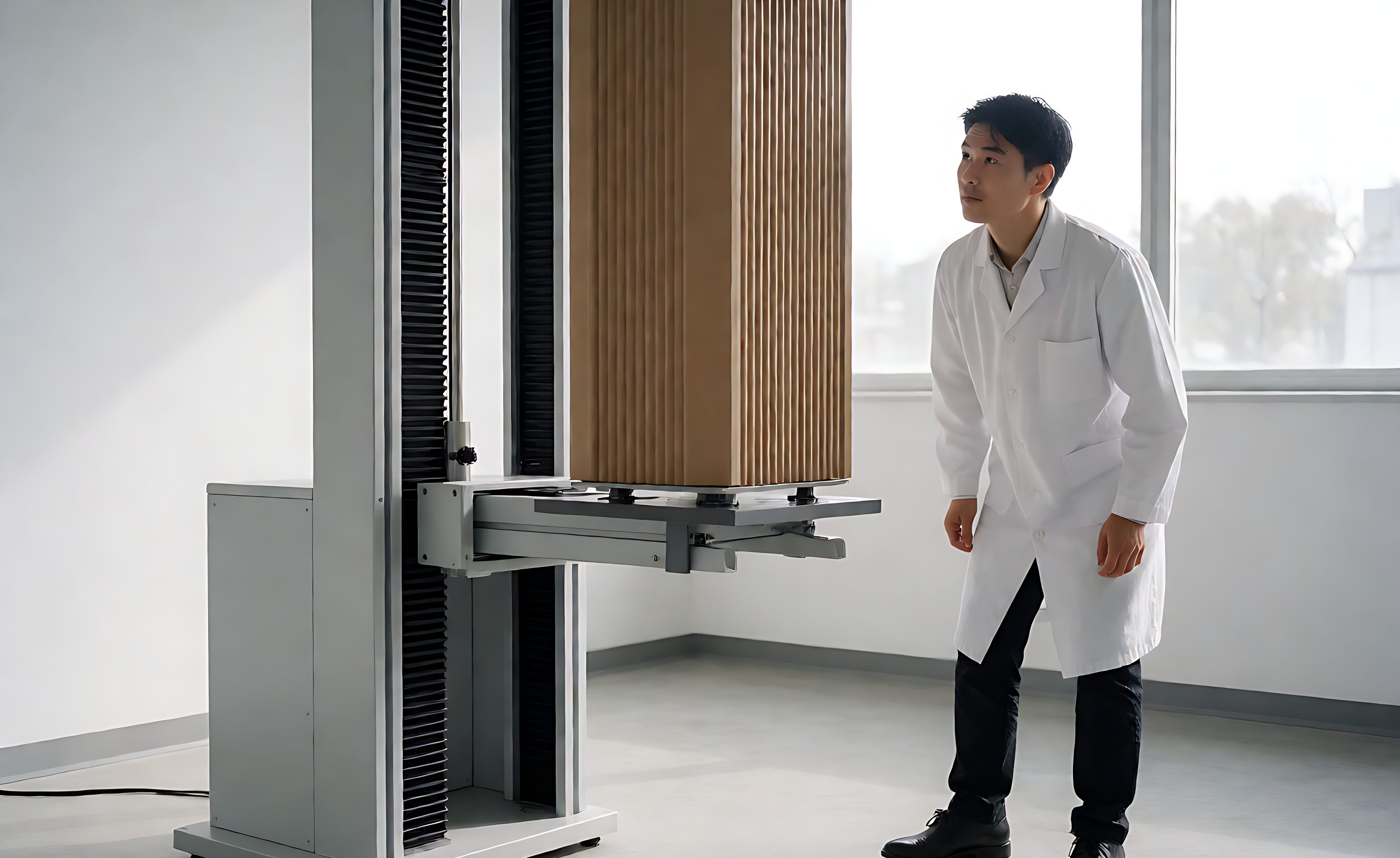
Transit damage is a quiet margin leak. A master carton that arrives with two crushed corners does not fail loudly; it simply surrenders a percentage of its units to markdowns, replacements and dispute emails, and nobody files the loss under a single line item. For toy buyers the exposure is double, because the shipper protects not only the product but the printed retail pack, and a dented carton sells badly even when the toy inside is fine.
Laboratory transit testing exists to find those failures before a container does. The ISTA sequences are the common language for it, and buyers who specify them get packaging judged against a repeatable procedure rather than against a shipping luck.

Which ISTA Sequence Fits
The sequences differ by distribution scenario, and picking the wrong one wastes money in both directions:
- ISTA 1A: a non-simulation integrity test for individual packaged products up to a stated weight – drop, shake, and compression. Useful as a fast screen for a new retail pack design.
- ISTA 2A: partial simulation, adding atmospheric conditioning and a fuller sequence for single parcels. The sensible choice where units ship individually to consumers.
- ISTA 3A: general simulation for the parcel network, with random vibration, multiple drops at set orientations and heights, and low-pressure conditioning for air freight.
- ISTA 3E: unitised loads – the pallet, not the single carton, is the test subject. Relevant where master cartons travel palletised to a distribution centre.
A toy moving factory-to-fulfilment-centre in master cartons is judged differently from a unit dropped straight into the parcel network. State the actual route when commissioning the test, because the sequence and its pass conditions follow the route, not the product.
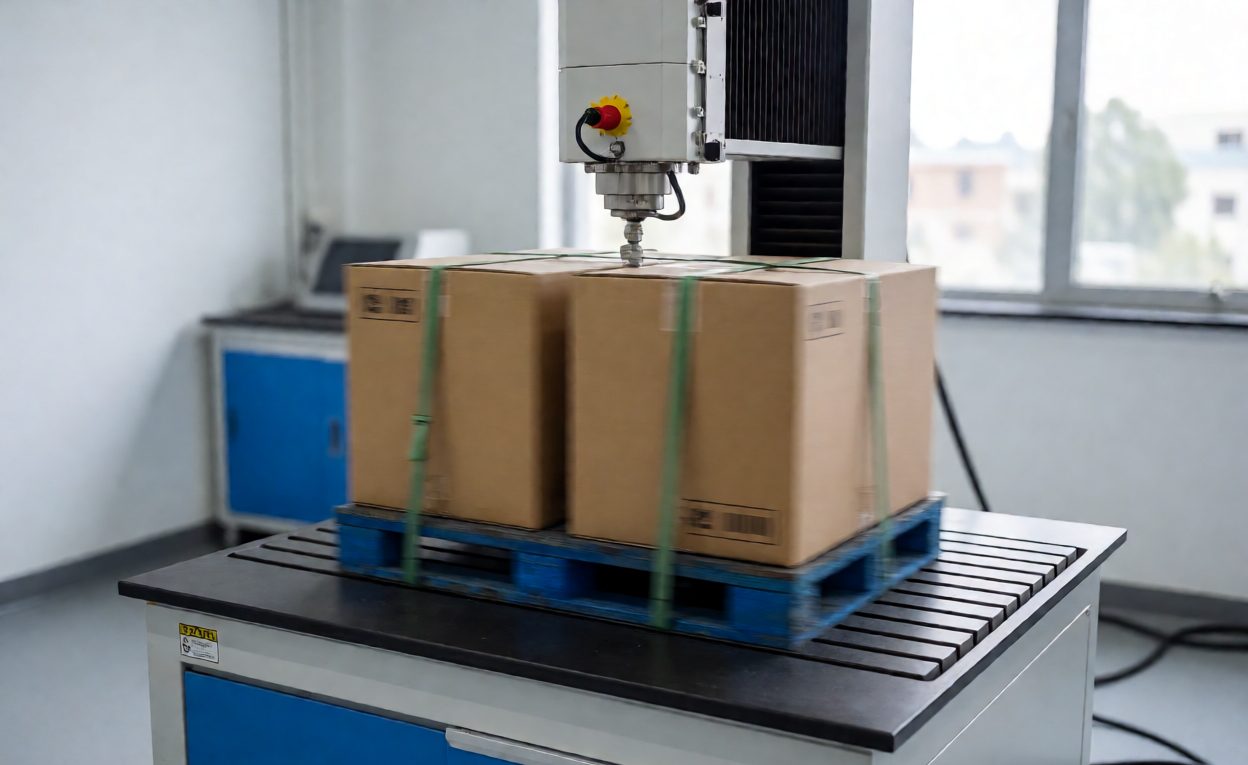
How a Drop Test Actually Runs
The drop stage is specified by package weight, which sets the drop height, and by orientation sequence: a flat drop on the base, edge drops on the longest and shortest edges, and corner drops on the most vulnerable corner. The lab conditions the carton to a standard atmosphere first, because corrugated strength falls sharply with humidity, and a carton tested dry fails differently from one tested after a tropical sea voyage followed by a humid warehouse.
Pass criteria should be written by the buyer, not assumed. Typical language: no product damage, no loss of closure integrity, retail pack saleable without repair, and the carton still stackable. Without written criteria, a lab reports observations and the buyer inherits the interpretation.
The Failures That Recur
Three patterns account for most first-run failures in toy packaging. The retail pack transmits load – a blister card edge or a rigid window concentrates force on the toy, so the master carton passes and the units inside fail. Void fill is missing or misplaced, letting units migrate so that by the tenth drop the arrangement tested is not the arrangement shipped. And the carton grade is marginal, passing at standard humidity and failing after conditioning, which is exactly the condition a real container produces.
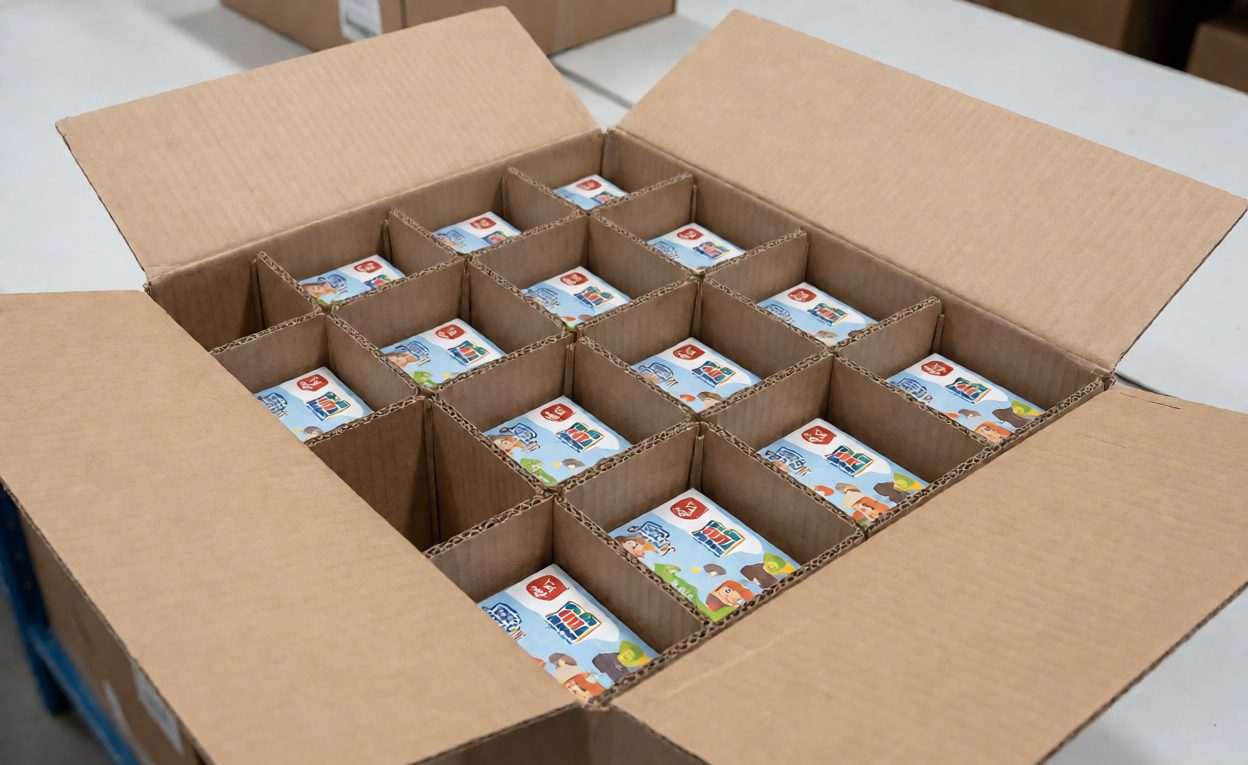
The fixes are correspondingly unglamorous: a millimetre of partition board, a repositioned spacer, one flute upgrade, or a pack dimension change that lets the carton be full rather than half-empty. Each is cheap when found in a laboratory and expensive when found at a customer’s dock.
Antecedentes técnicos
The sequences come from International Safe Transit Association practice, which standardises distribution testing across industries. The physics being applied is the controlled drop test, and the material carrying most of the load is corrugated fibreboard, whose strength depends on flute, grade and humidity.
Writing the Test Into the Order
Specify four things on the purchase order: the sequence and the distribution route it models, the number of samples and that they come from production tooling rather than hand-made sets, the written pass criteria, and who owns the report. A test on a hand-assembled sample validates a hand-assembled sample; only production-tooling samples predict the bulk run.
Retest when the packing configuration changes. A new retail pack, a different inner count or a new carton supplier all invalidate the old result, and the retest costs a fraction of the first because the specification already exists.
Carton performance interacts with the retail pack design in the retail packaging specification guide, with fulfilment receiving in the FBA prep requirements guide, and with overall load planning in the container loading calculation.
Preguntas Frecuentes
¿Qué secuencia ISTA debe elegir un comprador de juguetes?
The one matching the real route: 3A for parcel shipping, 3E for palletised distribution, 1A or 2A as quick screens. Test the route, not the catalogue.
Does the drop height depend on the product?
On the package weight, which sets the height, and on the sequence’s orientation schedule. Heavier packages drop from lower heights but with more energy.
Why does humidity conditioning matter?
Corrugated strength drops sharply in humidity, and containers plus warehouses produce exactly those conditions. A dry-tested carton overstates real performance.
What is the most common toy pack failure?
Load transmission: the retail pack concentrates force so the carton passes but units inside are damaged. Partitions or repositioned spacers usually fix it.
How many samples does a drop test need?
Per the sequence’s schedule, and they must come from production tooling. Hand-made samples test the assembly skill, not the shipment.
Who writes the pass criteria?
The buyer, in writing before the test. Otherwise the laboratory reports observations and the interpretation burden shifts to you.
When must transit testing be repeated?
Whenever the pack structure, inner count or carton supplier changes, since each invalidates the configuration that was certified.