


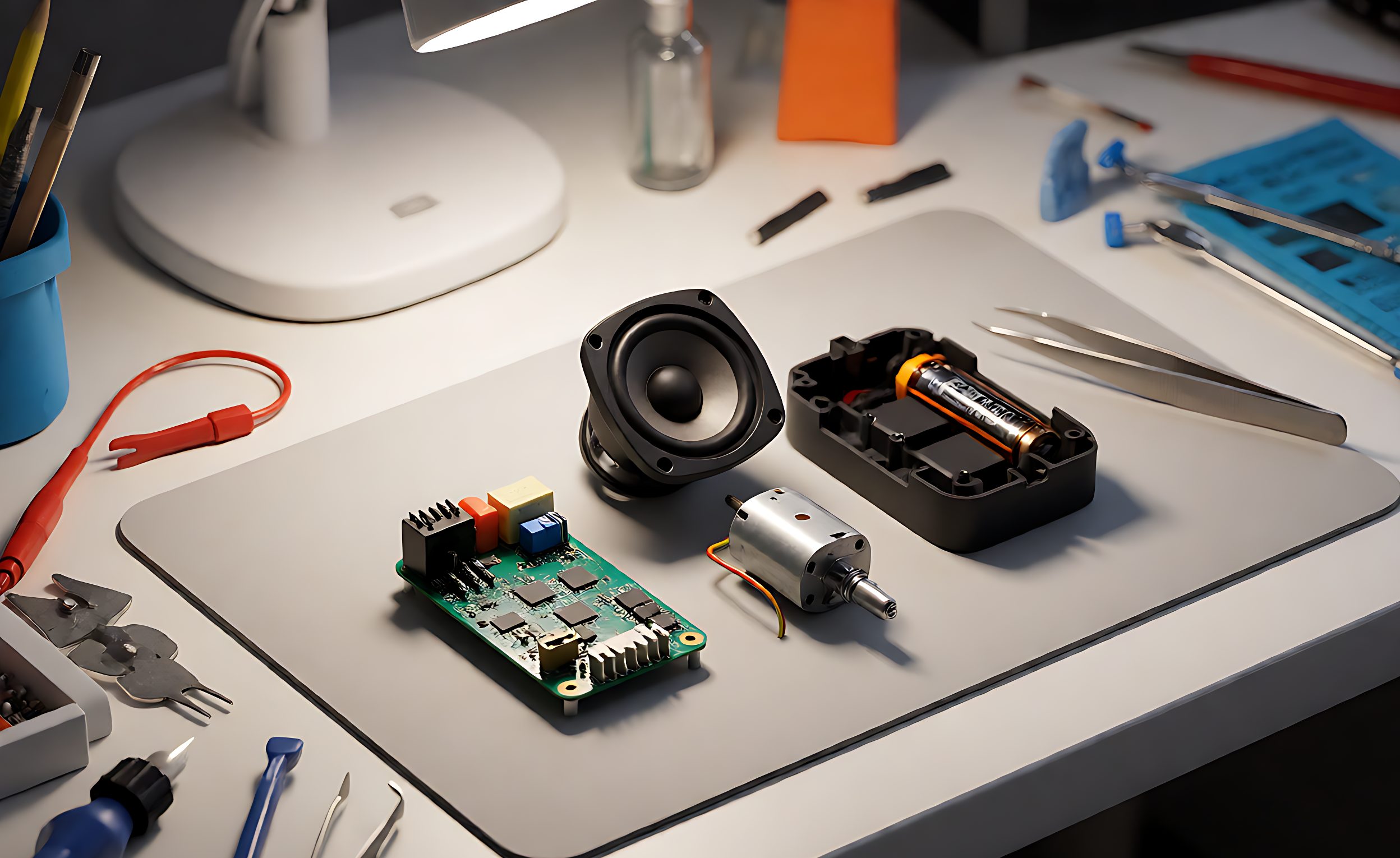
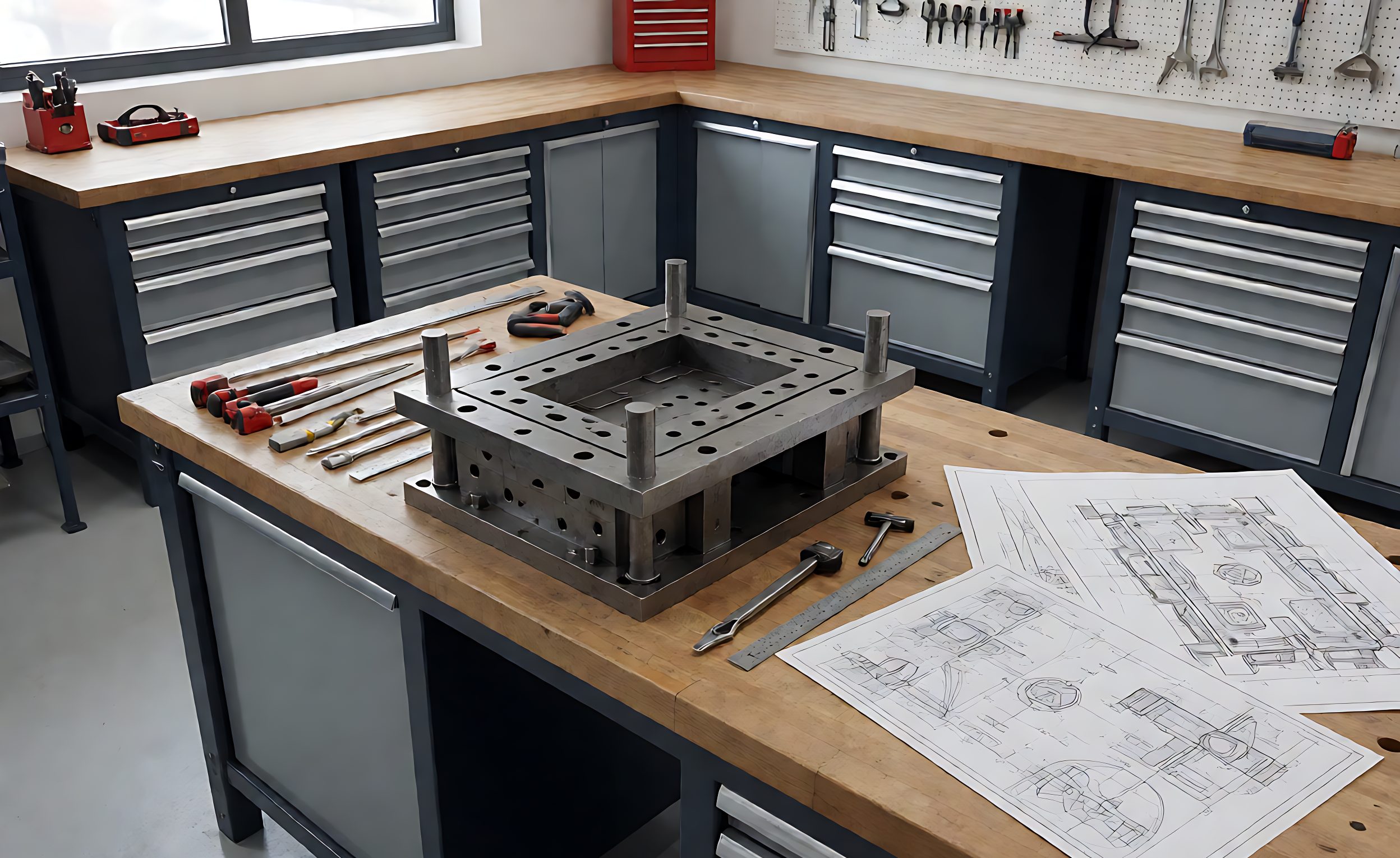
The moment a toy contains a circuit board, a speaker or a motor, it stops being only a toy. Regulators treat anything that generates or uses radio frequency energy as equipment with electromagnetic obligations, and the importer inherits those obligations alongside the toy safety file. Buyers who specify the electronic function but not the electronic component end up with a failed test and a container they cannot sell.
Electromagnetic compatibility is not mysterious. It asks that a device neither emit interference beyond a limit nor fail when interference arrives. What trips toy programs up is that the outcome is decided by component choices made months earlier, often by a factory engineer selecting a cheaper oscillator or omitting a suppression part, usually without telling anyone.

Why Electronics Change the Compliance File
Toy safety standards already cover electrical features: battery accessibility, temperature rise and short-circuit protection. Electromagnetic compatibility adds a second layer concerned with what the product does to the radio spectrum and what the spectrum does to it. A musical plush, a remote-control vehicle, a light-up spinner and a talking learning toy all cross that line.
- Audio and voice modules: clocked digital audio radiates at the clock frequency and its harmonics.
- Radio control and wireless links: a receiver is regulated as radio equipment, and a transmitter more so.
- Motors and actuators: brushed motors are strong noise sources, and suppression components are the first item cut to save cents.
- LED drivers and switching supplies: fast switching edges radiate, and cheap drivers radiate more.
- Charging and data ports: a port introduces both emission and immunity paths and changes the battery safety case.
Where EMC Failures Come From
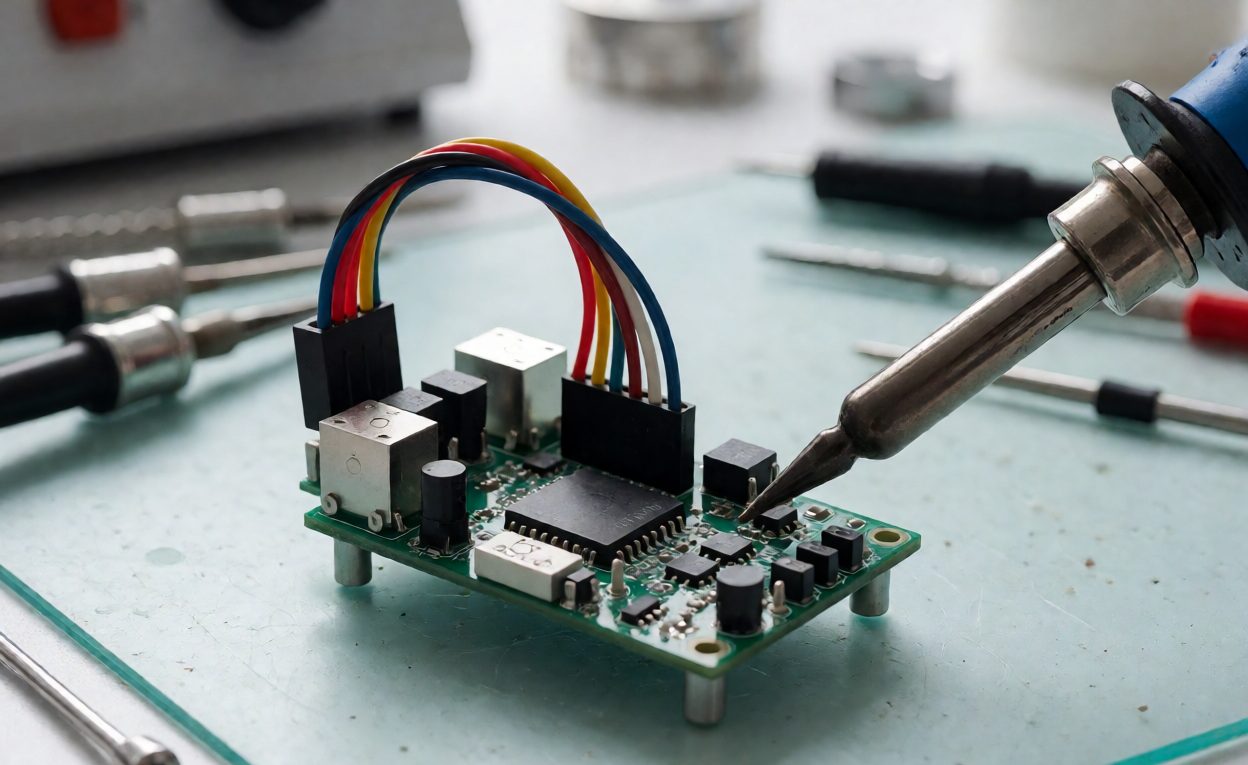
Emissions failures usually trace to three decisions: an unsuppressed motor, a clock source routed across a large area of board, and an unshielded cable acting as an antenna. Immunity failures trace to the opposite cause: insufficient decoupling at the input, no transient protection, and firmware that latches up instead of recovering. In both cases the fix in the laboratory is a component, and the fix at the factory is a specification.
Documentation matters as much as the hardware. Require a component list with part numbers, a report or declaration for each module installed, and a statement of which assembly version was tested. A module swapped between sample and bulk invalidates the report as surely as a material change does, and unlike a fabric change it is invisible from the outside.
EMC in the EU, the US and Elsewhere
In the European Union the requirement is that equipment neither causes unacceptable electromagnetic disturbance nor is disturbed beyond an adequate level of intrinsic immunity, evidenced through harmonised standards and the same declaration of conformity that carries the toy file. In the United States the equivalent obligations run through the communications regulator’s equipment authorization program, and the practical difference is in the labeling and record-keeping rather than the physics. Other destinations add their own approvals, which is why the destination list belongs in the original laboratory scope.
The overlap with toy testing is real but not complete. A laboratory that handles the toy standards well may subcontract electromagnetic work, so ask who performs which scope, whether the reports will cite the same sample, and how long the combined job takes. Booking the two scopes separately usually means two sample sets and two waits.

Batteries and Power Decisions
Power source choices ripple through both safety and compatibility. Replaceable cells keep the case simple but require a secured compartment, usually a screw-closed door, and they drive the small-parts analysis for the declared age. Rechargeable packs remove the compartment question and add a charging circuit, a thermal case and a port that needs its own assessment. Coin cells carry the strictest compartment and marking expectations of all and are the fastest route to failing an otherwise sound product.
Specify the cell type, the compartment construction, the fastener, and whether cells ship installed. Then put the electrical ratings on the pack, because those ratings are part of what the report describes, and a mismatch between the label and the tested configuration is a finding rather than a typo.
Antecedentes técnicos
The property being controlled is electromagnetic compatibility, the discipline of keeping equipment from interfering and from being interfered with. Its two failure modes are emission and susceptibility, described under electromagnetic interference. In the United States the authorization program is administered by the Federal Communications Commission, whose equipment rules reach toys with radio functions as much as any other device.
Writing the Electronic Specification
Put six lines on the purchase order: the component list with approved part numbers, a prohibition on substitution without written approval, the test scope naming each destination and standard, the provenance of the test sample, the battery configuration, and the label content including electrical ratings. Require the factory to declare any change of module supplier before the change is made, not after it ships.
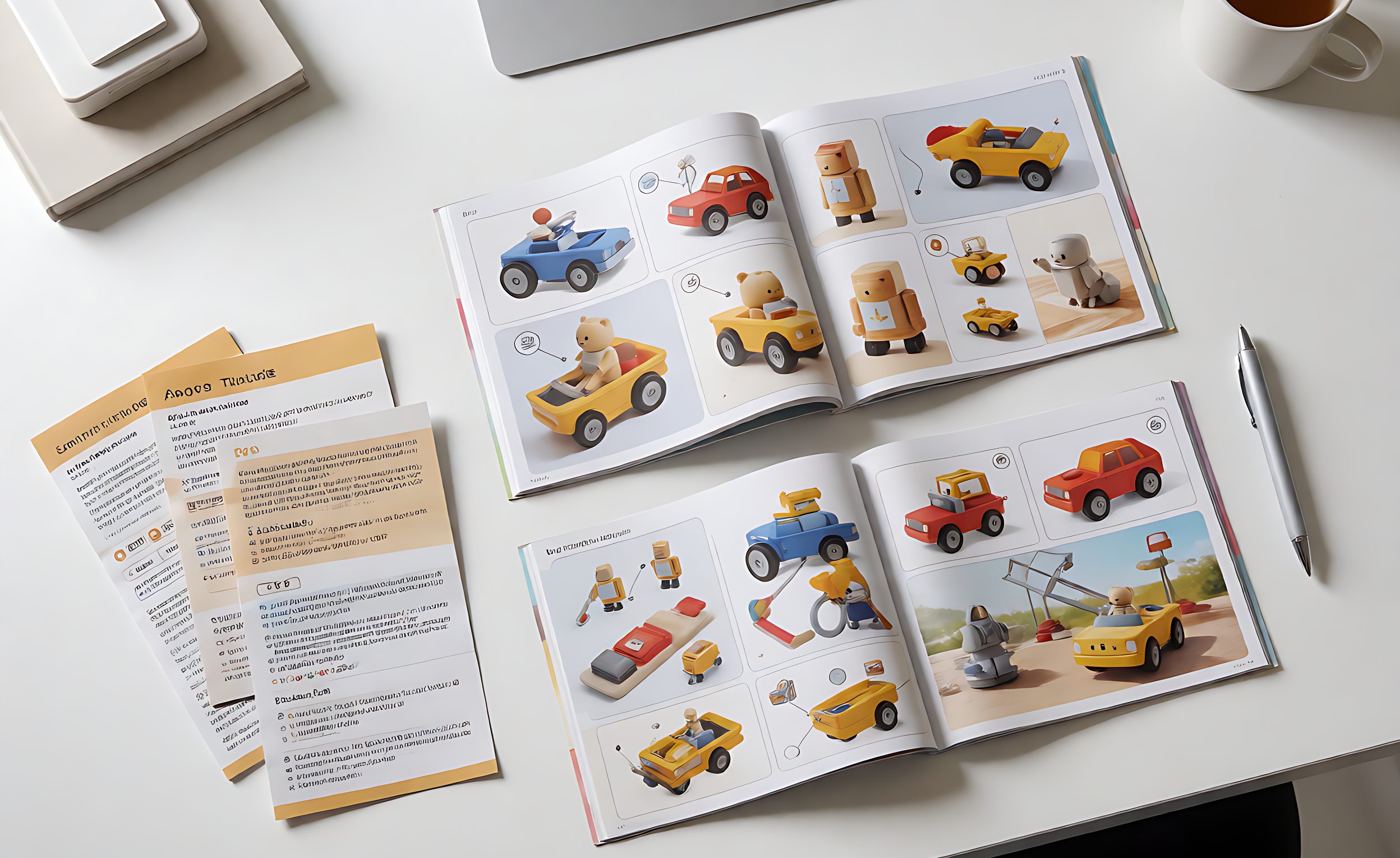
Then verify it. An incoming check that opens one unit per carton of the first production lot and compares the board against an approved photograph takes minutes and catches the substitution that would otherwise surface at a destination laboratory. Battery compartment construction is treated in the battery compartment specification guide, the certification structure in la guía de certificación, scheduling in the testing budget guide, and the paperwork that accompanies a powered product in the instruction manual localization guide.
Preguntas Frecuentes
¿Un juguete con un módulo de sonido necesita pruebas de EMC?
Almost always. A clocked audio module generates emissions, so the product falls under the electromagnetic requirements of the destination market.
Can the factory’s module report replace new testing?
Partly. A module report reduces risk and sometimes scope, but the assembled product still needs assessment because the board layout and wiring matter.
What causes most EMC failures in toys?
Unsuppressed motors, poorly routed clock traces and unshielded cables acting as antennas, all of which are component decisions made to save cost.
Do remote control toys need radio approval too?
Yes. A receiver or transmitter is regulated as radio equipment, which sits alongside rather than inside the toy safety assessment.
Is a rechargeable pack safer than replaceable cells?
Different, not safer. It removes the compartment access question and adds a charging circuit, thermal case and port that each need assessment.
What if the factory swaps a module after testing?
The report no longer describes the product. Require written approval for substitutions and verify the board on incoming inspection of the first lot.
Are EU and US EMC requirements equivalent?
The physics and the limits are broadly similar; the difference lies in authorization procedure, labeling and the records the importer must keep.