



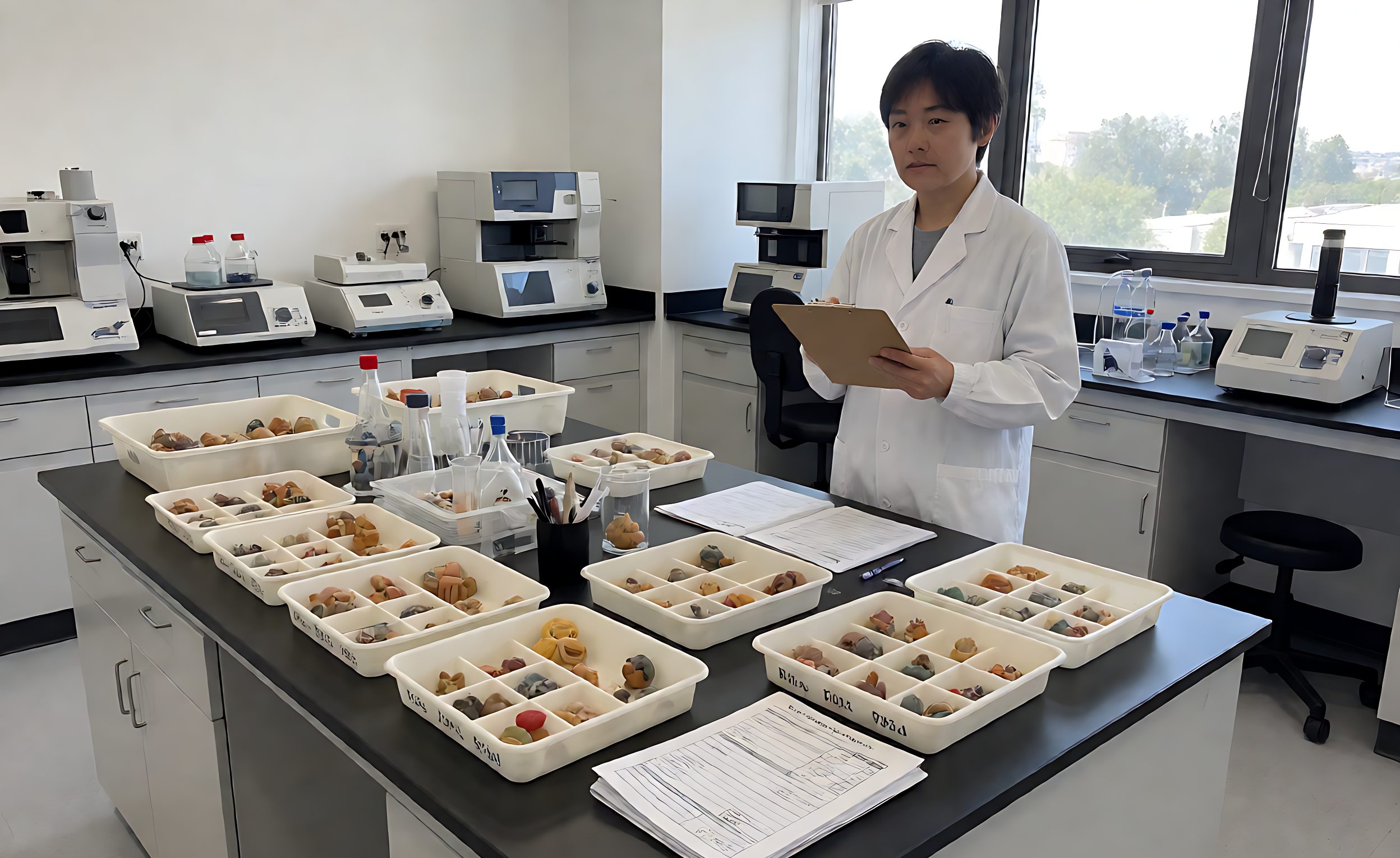
Testing is the step most likely to delay a first bulk order, because it is planned last and it has its own queue. A laboratory does not start when the buyer decides to test; it starts when samples arrive, and results take as long as they take. Buyers who treat testing as a formality discover its lead time in the week they planned to ship.
The fix is scheduling rather than spending. Knowing which tests apply, how many samples are needed and how long the queue runs lets testing happen in parallel with tooling and packaging instead of after it.

Which Tests Apply
The applicable standard depends on the destination market and the product type. For toys, the mechanical and physical requirements, flammability, and chemical migration limits are the recurring three, and each has sub-parts that apply differently to different materials.
Sensory and compound products concentrate attention on the chemical side, because the material is handled directly and, for young children, potentially mouthed. That means migration limits for specified elements, and restrictions on certain plasticisers and other substances. Products with a coating, a pigment or a scent each add a material to assess, and the assessment applies to the material as supplied.
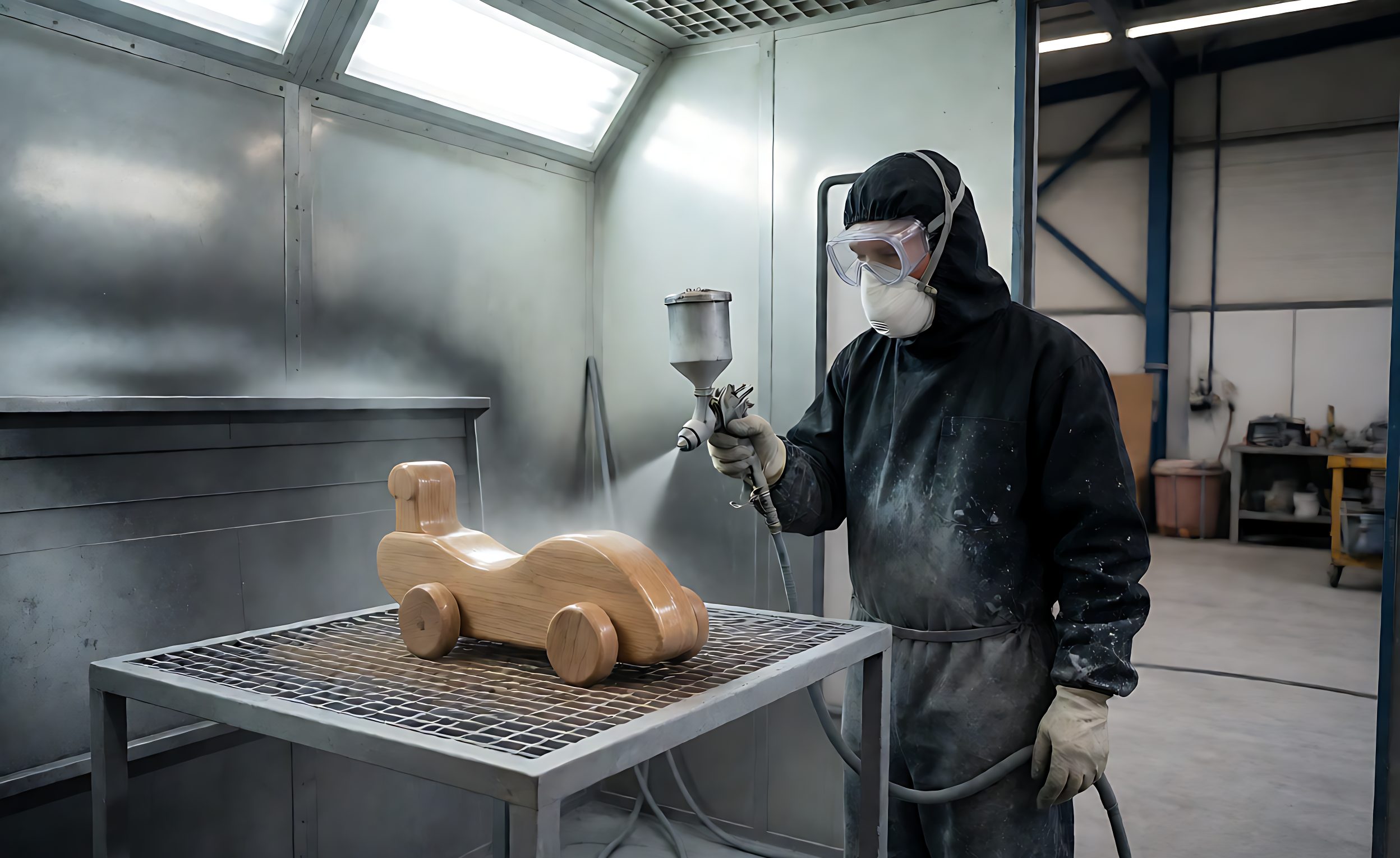
Physical testing applies to the product as used: small parts, sharp edges, projections, and the abuse tests that simulate a child dropping, pulling and twisting the item. A soft compound product with a rigid inclusion usually needs both sides of this.

What Testing Costs in Practice
Cost is driven by three variables: the number of materials, the number of colours, and the number of destinations. A single-colour, single-material product tested for one market is the cheapest case. A six-colour set tested for two markets costs materially more, because migration testing is performed per colour where the colourant could contribute.
That structure produces a decision worth making deliberately. Reducing a set from eight colours to four can cut chemical testing cost substantially, and it also simplifies production. Buyers frequently specify more colours than a programme needs and then pay for that choice twice – once in testing and once in inventory complexity.
Budget for retesting as a line item. A failed result, a formulation tweak or a new colour triggers a repeat, and a plan with no allowance for it is a plan that will slip.
Sequencing That Protects the Ship Date
Work backwards from the shipping date:
- Book the laboratory slot early, particularly in the months before the seasonal peak, when queues lengthen.
- Test the pre-production sample, not a development unit, so the report matches what will be shipped.
- Send samples in one consolidated batch with a clear test request listing materials, colours, age grade and destination.
- Run packaging artwork in parallel with testing rather than after it, so a marking change does not restart the print schedule.
- Hold a margin of two to three weeks between expected results and the shipping date for the retest case.
The most common scheduling error is testing a sample from one production batch and shipping another. The report then describes a product that is not the one in the container, which is precisely the gap inspectors and authorities look for.
Antecedentes técnicos
The European requirement set is usually referenced as EN 71, which covers mechanical, flammability and chemical migration parts. The United States standard is issued through ASTM International and its toy safety specification is one of the mandatory references in that market. Both sit under the general heading of seguridad de los juguetes, where the principle is that the standard applicable depends on how the product is used and by whom.
Working With the Factory’s Existing Reports
Existing reports are useful and must be checked rather than accepted. Confirm four things: the report covers the same material and colour, it was issued by an accredited laboratory, it is recent enough to be credible, and it names the same manufacturing site. A report for a similar formulation made elsewhere is not evidence for your order.
Where a factory holds a valid report that matches, ask for the underlying test request as well, because it shows exactly what was submitted. That single document resolves most of the ambiguity about scope.
Testing connects to the certification guide for toy imports and to the approval discipline in the golden sample workflow. Material selection that drives chemical scope is discussed in la comparación de materiales sensoriales, and supplier verification is part of the pre-order audit.
Preguntas frecuentes
¿Cuánto tiempo tarda la prueba de juguetes?
Long enough to delay a shipment if it is planned late. Book the laboratory slot before production finishes and hold a margin for retesting.
Does every colour need testing?
For chemical migration, usually yes, because the colourant can contribute. Reducing the number of colours is often the cheapest way to cut testing cost.
Can I use the factory’s existing test report?
Only if it matches material, colour, manufacturing site and is recent and accredited. Verify the underlying test request to confirm scope.
¿Debería probar la muestra de desarrollo?
No. Test the pre-production sample made with production material and tooling, so the report describes what actually ships.
¿Qué causa la mayoría de los nuevos exámenes?
A failed result, a formulation change, or a new colour or component added after the original submission.
¿Necesito pruebas solo para un mercado?
If you sell into one market, yes. Each additional destination adds requirements, so scope and budget should follow the market list.
Is testing a one-off cost?
No. It repeats on material or colour changes and periodically as reports age, so it belongs in the product budget rather than in the launch budget.