



Age grading looks like a marketing decision and functions as a safety determination. It declares which children a product is intended for, and that declaration drives which safety standard applies, which warnings are mandatory, and whether a small part becomes a compliance failure rather than a design choice. For a buyer importing in bulk, a wrong grading is not a labelling typo – it is a product that fails the standard it was tested against.
The good news is that grading is a methodical exercise, not a judgement call, and the outputs are predictable once the method is understood.

How Age Grading Is Determined
Grading considers four inputs together: the play pattern the product invites, the physical capability a child needs to use it, the developmental stage it appeals to, and the hazards it presents. A product can appeal to a five-year-old and still be graded for older children because it contains a hazard that younger children cannot manage.
The consequences flow in one direction. Grade a product for three and up and the applicable safety standard applies its requirements for that group, including small-part rules and specific warnings. Grade the same product for under three and the requirements become materially stricter, because that group mouths objects and cannot be relied on to respond to warnings.
This is why a supplier asking to change the grading to suit a retail listing deserves scrutiny. The change alters the standard applied, and the test report in the file may no longer cover the product as declared.
Which Warnings Apply
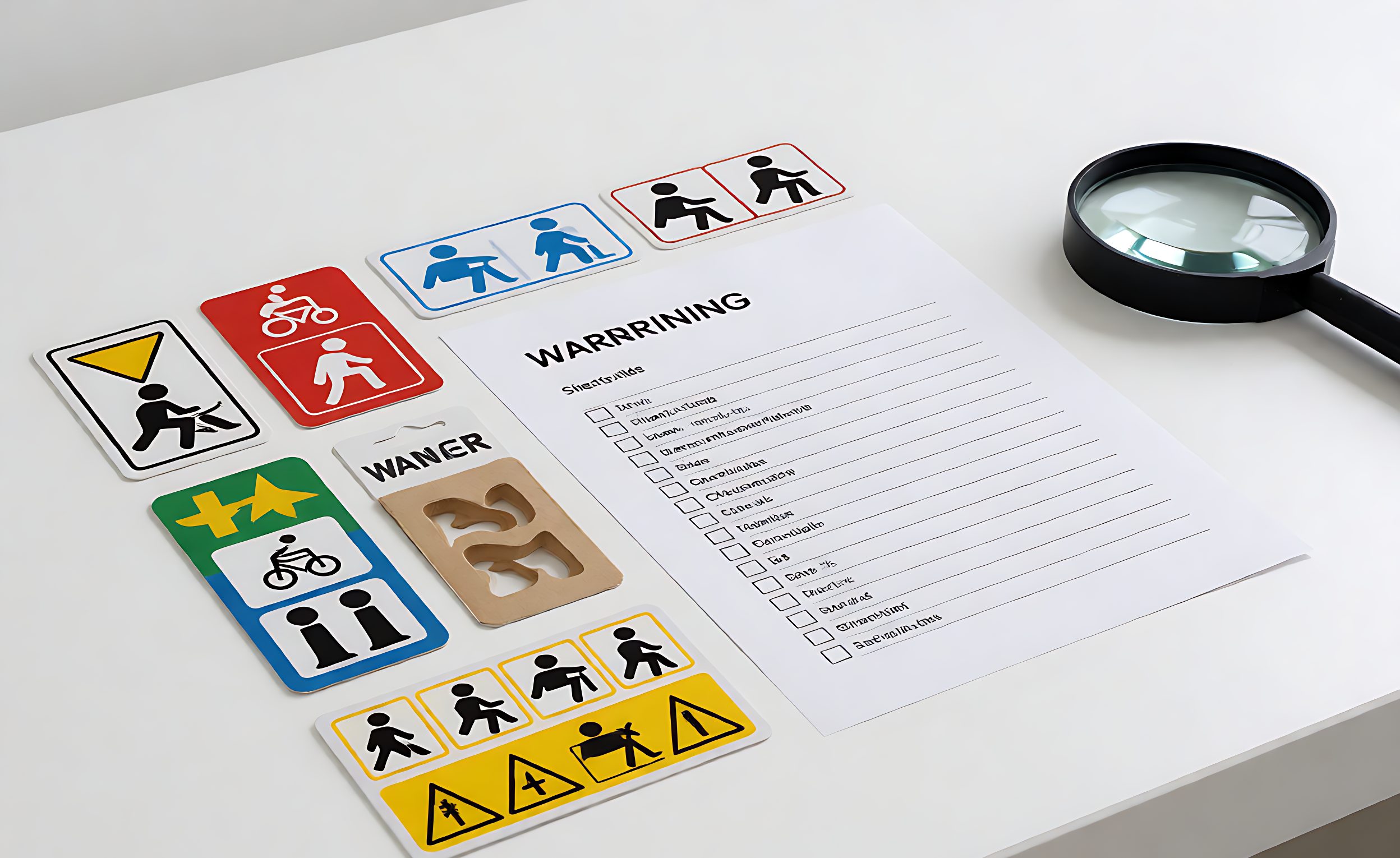
Warnings are hazard-specific and format-specific. The categories that appear most often for sensory and novelty products:
- Choking hazard from small parts, which requires a defined statement and, for the youngest group, a specific symbol and size.
- Not suitable for children under a stated age, where the product’s hazard rather than its appeal sets the floor.
- Adult supervision required, for products where safe use depends on oversight.
- Composition and care warnings: do not ingest, keep away from heat, wash hands after use, avoid contact with eyes.
- Allergen or material declarations where the formulation includes substances that need stating.
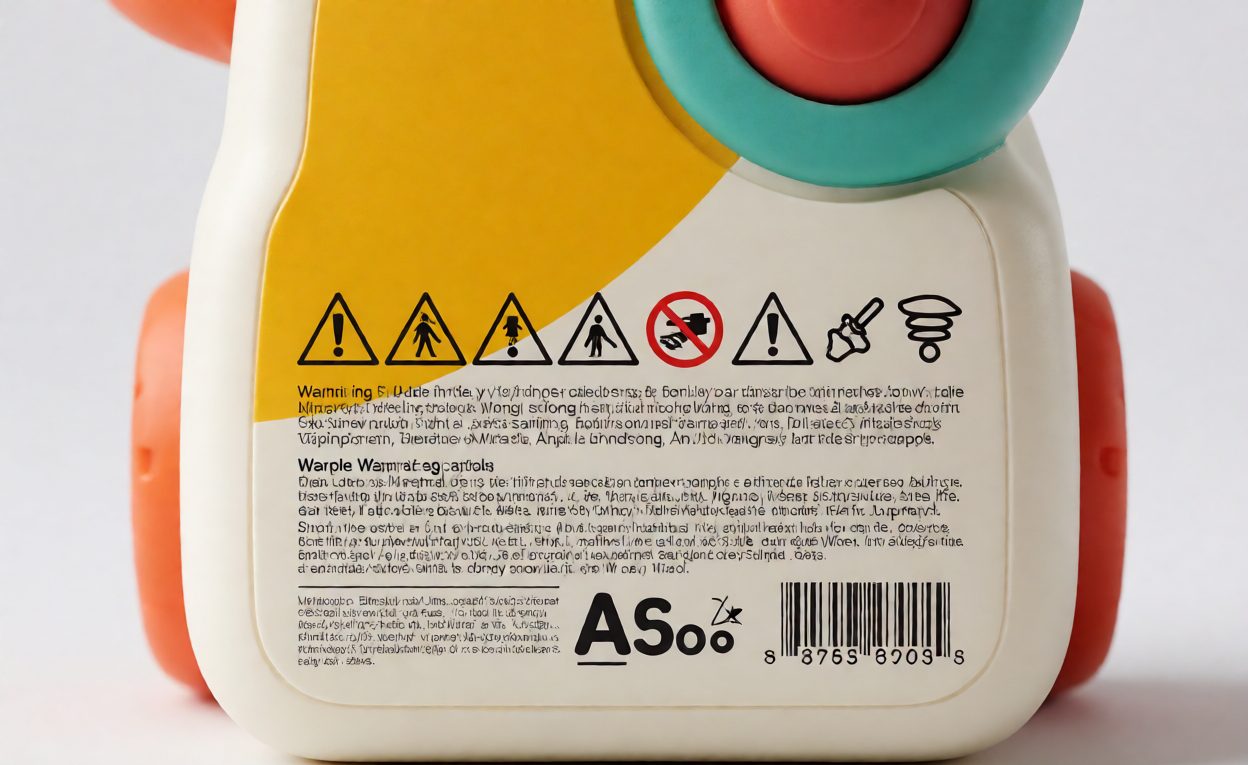
Format matters as much as content. Warnings need to be in the language of the destination market, in a legible size relative to the panel, permanent enough to survive handling, and placed where a purchaser sees them before purchase – which usually means the principal display panel, not only the back.
Where Labelling Goes Wrong in Bulk Orders
Three failure modes recur. Artwork is approved before the grading is final, so the printed pack declares an age the test report does not support. Warnings are translated literally rather than into the required phrasing for the market. And the warning is printed on an insert or outer carton rather than on the retail unit, so it is lost the moment the product is shelved or resold.
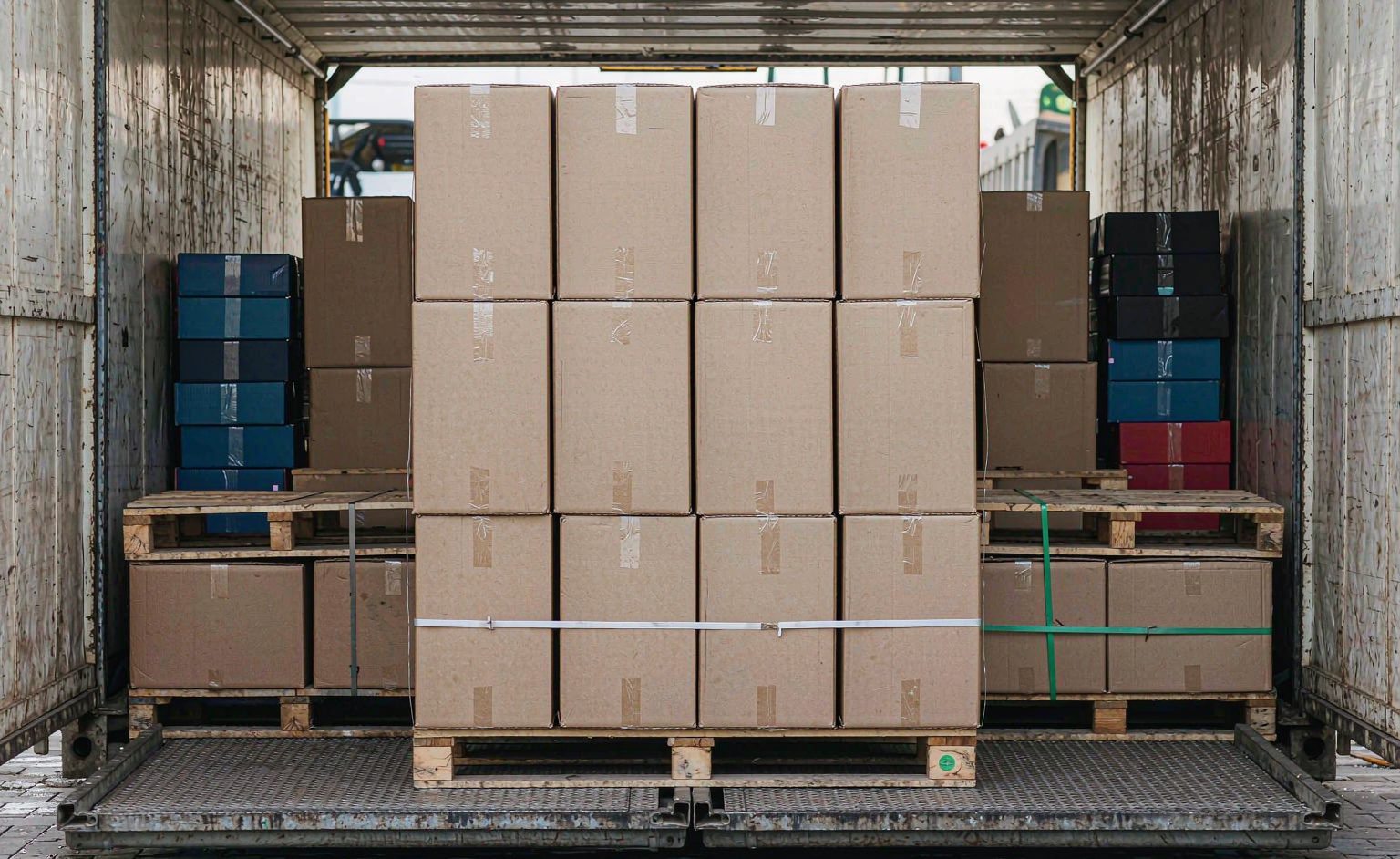
The last one is easy to miss in bulk import: the master carton may be fully compliant while the individual unit inside is not. Compliance attaches to what the consumer receives, and inspectors check the unit rather than the shipper.

Antecedentes técnicos
The hazard driving most grading decisions is choking, which is why small-part rules dominate the youngest age bands. The broader framework is described under seguridad de los juguetes, where standards define both mechanical requirements and the labelling that accompanies them. Enforcement in the United States sits with rules flowing from the Consumer Product Safety Act, under which mandatory standards and certificates apply.
A Practical Checklist for Buyers
Before approving artwork for a bulk run, confirm five things in writing: the declared age grade, the hazards identified for that grade, the exact warning statements required with their language, where each statement appears on the unit and the pack, and whether the test report in the file references the same age grade and material.
Re-check on any formulation change. A softer compound, a different pigment or a new inclusion can change the hazard assessment, and the labelling has to move with it. Keep the grading rationale on file with the test reports, so a retailer or authority asking why a product is graded the way it is receives a documented answer rather than a recollection.
Grading and labelling sit alongside the certification guide for toy imports and the packaging requirements in toy retail packaging specifications. Material choices that affect hazard are compared in the sensory materials guide, and approval discipline is covered in the golden sample workflow.
Preguntas frecuentes
¿Quién decide la categoría de edad?
The manufacturer or importer, using a method that weighs play value, child capability, appeal and hazard. It should be documented because it drives everything downstream.
¿Se puede modificar la clasificación para adaptarla a un minorista?
Only if the safety assessment supports it. Changing the grade changes the standard applied and may invalidate the existing test report.
¿Se requiere la advertencia en el producto o en el embalaje?
Both are often needed. Compliance attaches to what the consumer receives, so a compliant master carton does not cure a unit without the warning.
¿Necesitan estar los avisos en el idioma local?
Yes, in the language of the market where the product is sold, and in the format that market requires.
What makes a small part a compliance issue?
Whether it fits the defined test gauge and whether the declared age grade permits it, which is why grading and small parts are assessed together.
¿Debo volver a verificar la etiquetado después de un cambio de material?
Yes. A new compound or inclusion can change the hazard assessment, and the warnings must move with it.
Can an insert carry the warning instead?
Rarely. Warnings generally need to appear on the retail unit or its immediate packaging, where a purchaser sees them before buying.
Las preguntas de seguridad y documentación suelen surgir junto con las comerciales. Si está verificando qué debe proporcionar un proveedor antes de un pedido, el preguntas frecuentes sobre aprovisionamiento y pedidos mínimos cubrir los casos comunes, y Desarrollo ODM/OEM establece cómo encajan las pruebas y las aprobaciones en la etapa de muestra.