

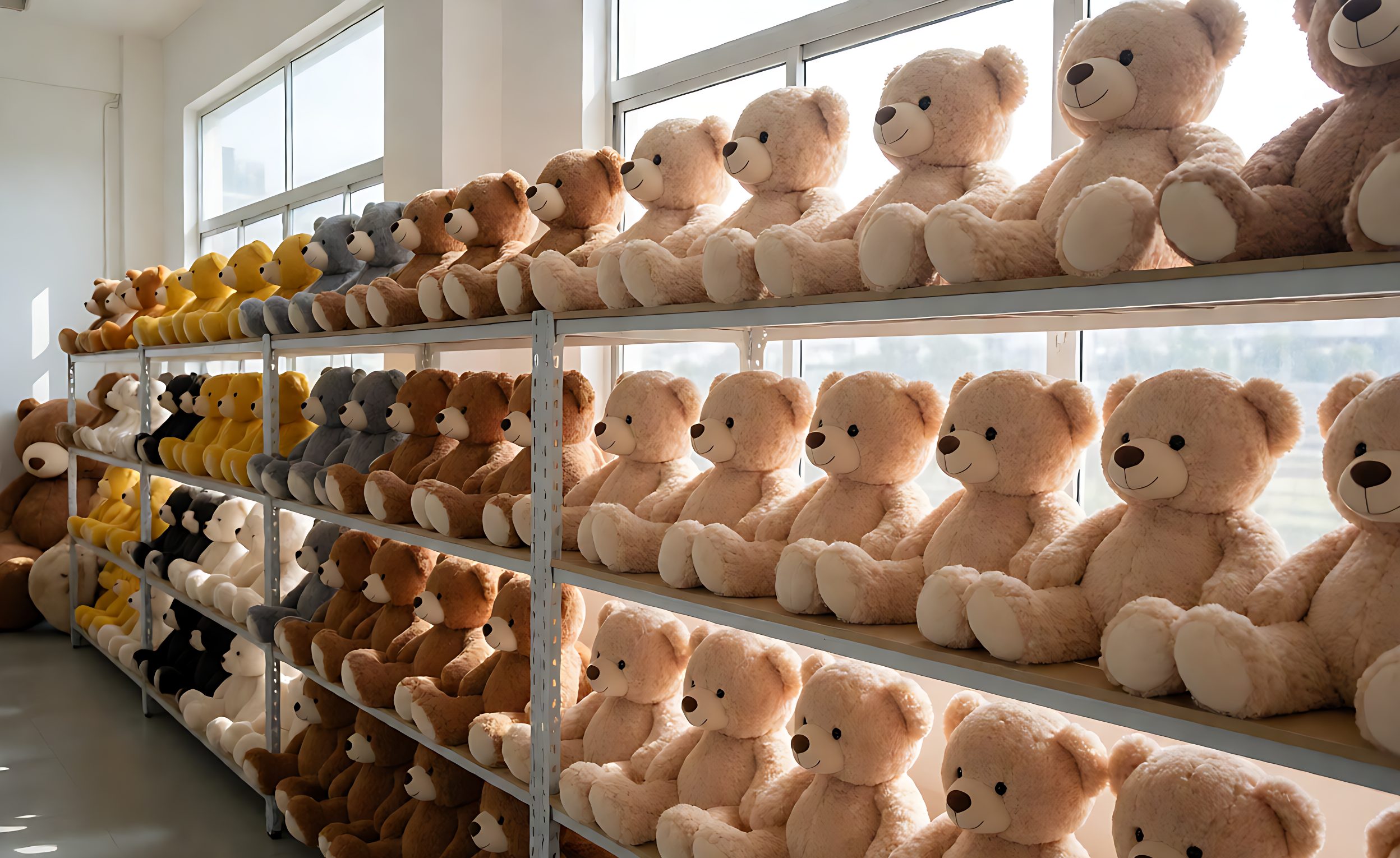
Plush toys look simple and are anything but. Under the soft exterior sits a chain of decisions about fabric pile, filling density, seam construction and small parts that determines whether a shipment passes import testing and survives a toddler. Buyers who treat plush as a print-on-demand product usually discover the gaps when a lab report fails or a retailer returns a carton of split seams.
This guide covers the three questions that decide a plush program: what the fabric and filling must prove, which construction details to inspect on a sample, and what custom branding costs by order size. Pair it with a structured factory audit before you commit a deposit.
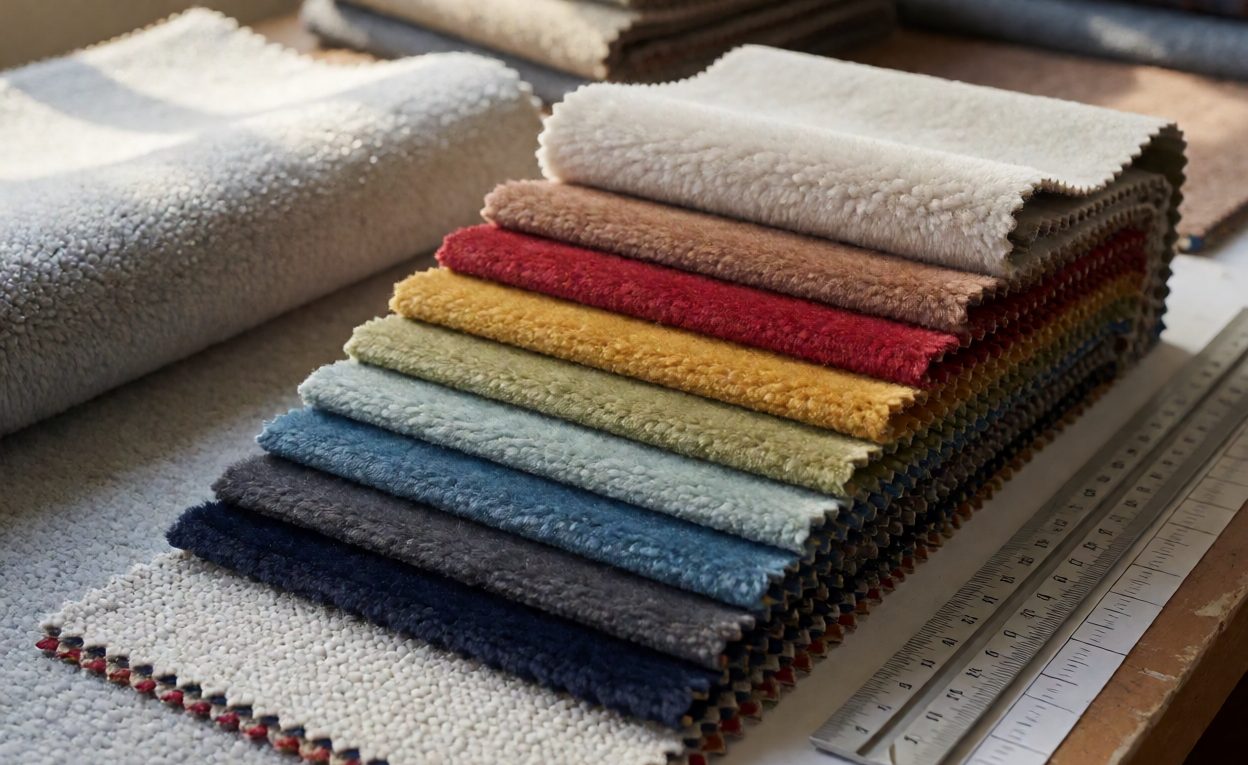
Fabric and Filling: What the Lab Will Test
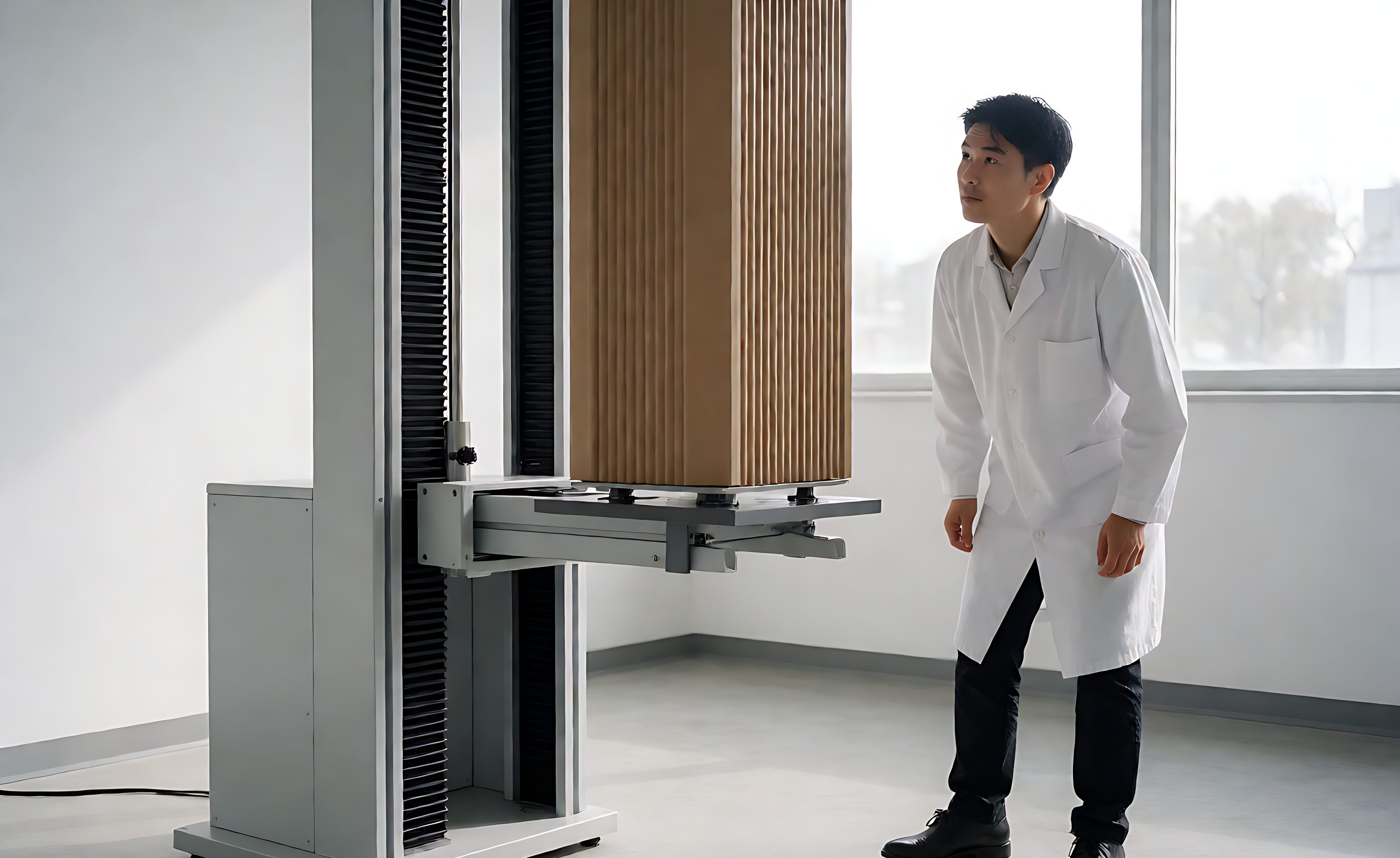
Plush fabric is polyester staple fibre knitted into a pile surface. For import into the US and EU, the tests that matter are physical and mechanical safety, flammability, and heavy elements on accessible materials. Fabric itself rarely fails flammability, but dye lots and printed details can fail heavy-element limits, so test the finished toy, not the fabric roll. Your compliance obligations under EN71, ASTM F963 and CPC apply to plush exactly as to hardlines.
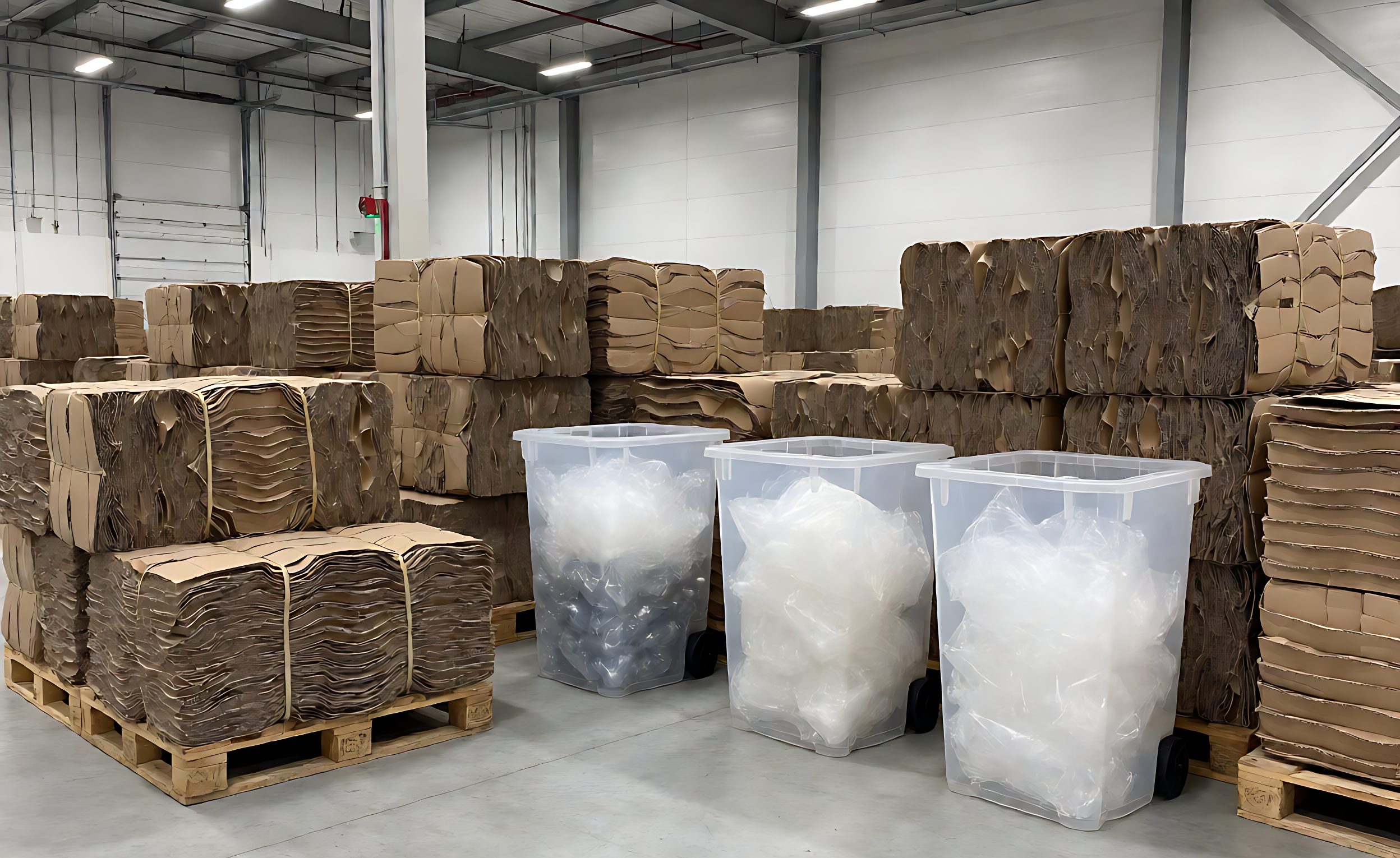
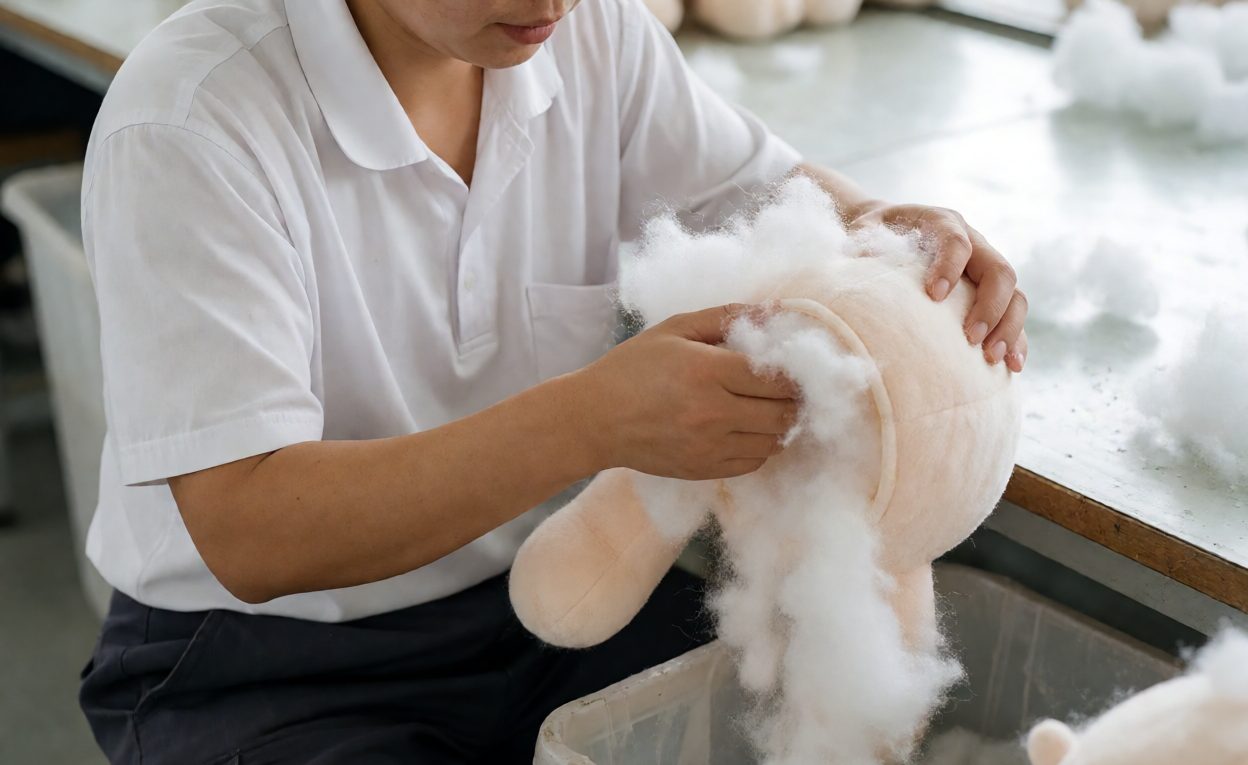
Filling is where cheap programs quietly cut. Virgin polyester fiber fills evenly and recovers after compression; recycled or reclaimed fill can clump, mat and, in the worst cases, carry contamination that fails cleanliness checks. Ask the factory to state fill weight per size in grams and to bag filling by lot. Under-stuffed toys look deflated in retail packaging, and over-stuffed toys stress seams until they split.
Technical background: plush pile is a knitted pile texture, and most stuffing is polyester fiber. The toy-safety framework your lab reports reference, EN 71, is what turns those material choices into a pass or fail on paper.
Construction Details That Decide Returns
Inspect samples the way a lab would:
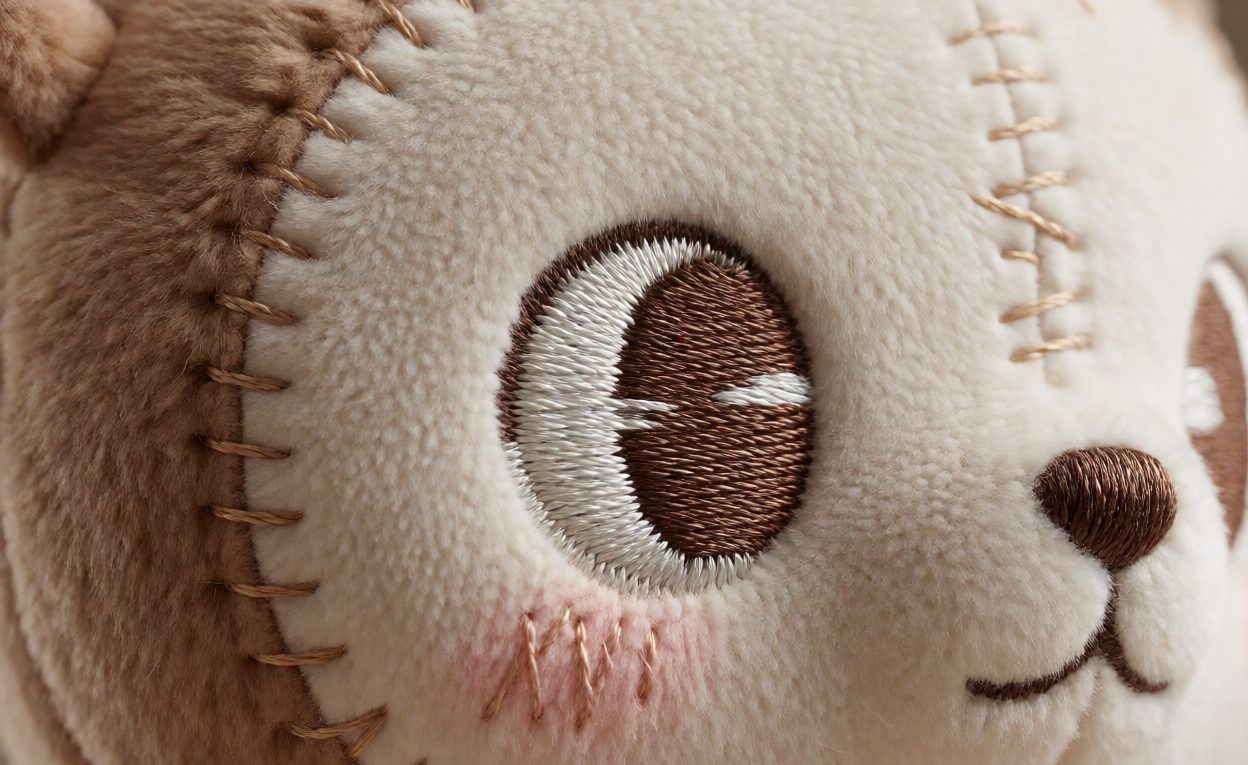
- Seam allowance and stitch density: seams should hold a seam-allowance of at least 5 mm with tight, even stitches. Pull the seam firmly; gaps or visible thread breakage are a fail.
- Eyes and noses: embroidered details are safest. Plastic eyes need a locked washer behind the fabric; pull-test them. Small parts rules treat a loose eye as a choking hazard for under-3 ranges.
- Lint and shedding: rub the pile vigorously with a dark cloth. Cheap fabric sheds into everything, including the filling, and customer reviews mention it fast.
- Weight and stance: a plush toy should sit upright. Odd weight distribution from uneven filling reads as “cheap” on a shelf even when nothing is structurally wrong.
Ask for a pre-production sample sewn from bulk fabric, not a showroom sample. Showrooms are made with extra care and bulk lines are not; the gap between them is your real quality.
Custom Branding by Order Size
Customisation cost scales with how far upstream you change the toy:
- Woven label and hangtag: lowest MOQ impact, typically a few hundred units. Same toy, your brand.
- Fabric colour swap: the factory dyes or buys fabric to your colour; MOQ typically rises because dye lots have minimums.
- Full custom character: new pattern, new embroidery files, new tooling for any plastic parts. This is an OEM project with sample rounds, closest to how custom squishy OEM programs run, and lead time includes sampling before bulk.
Ask for the branding to be photographed on the bulk line, not just on the sample. Logos embroidered slightly off-centre are the most common defect in first production runs and the cheapest to catch early.
Packing and Mixed Loads
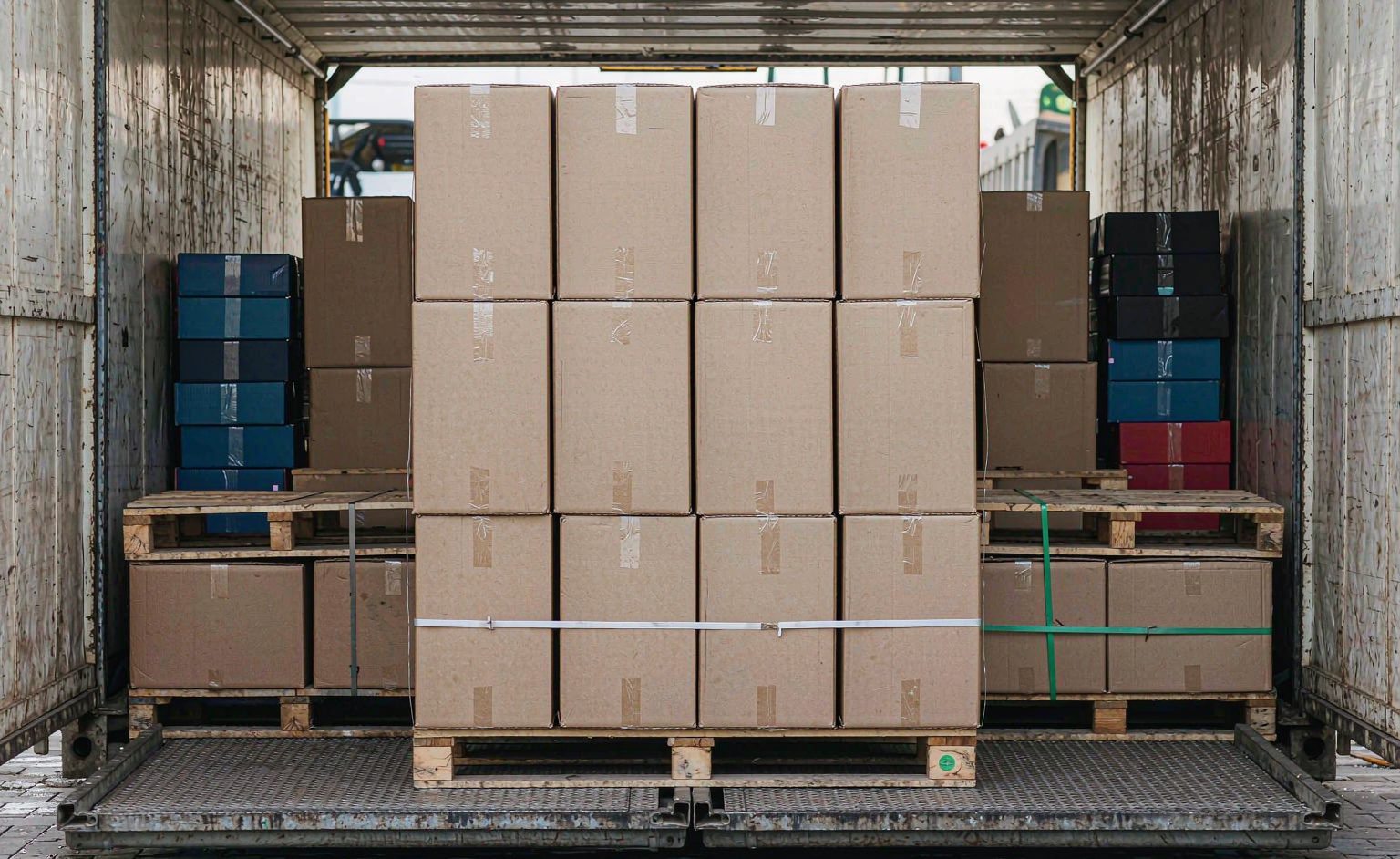
Plush compresses well, which is an advantage in a mixed container. Standard export packing is one polybag per unit with a warning print where required, then master cartons. Vacuum-compressed shipping saves volume but toys need recovery time and reshaping on arrival; retailers usually prefer uncompressed cartons for shelf-ready goods. If you are combining categories in one order, the mixed container MOQ math applies to plush the same way, and plush pairs well with hard toys because it fills voids without damage.
Insist on carton drop tests matched to your channel. E-commerce parcel networks are harder on cartons than palletised retail distribution, and plush cartons that arrive crushed generate claims even when the toys are fine.
¿Qué certificados necesitan los peluches para EE. UU. y la UE?
For the US, CPC backed by ASTM F963 testing; for the EU, EN71 parts 1, 2 and 3 typically. Test the finished toy including fabric, filling and any plastic parts. Keep lot traceability so a failed dye lot does not invalidate the whole program.
¿Relleno de poliéster virgen o reciclado?
Virgin fills more evenly and is the safe default for retail programs. Recycled fill can be specified, but demand a cleanliness spec and a supplier that bags by lot, because clumping and odour complaints are the usual failure modes.
¿Qué tan bajo puede llegar el MOQ para un personaje de peluche personalizado?
Around 500 to 1000 units is realistic for a full custom character with new patterns and embroidery, depending on size. Below that, expect surcharges or consider a stock-body toy with a custom woven label and hangtag.
Are embroidered eyes really safer than plastic eyes?
For under-3 products, yes: embroidery removes the small-part and pull-off risk entirely. For older ranges, locked-washer plastic eyes pass pull tests fine, but insist the factory performs and documents the test.
Should plush ship vacuum-compressed?
Only when freight cost dominates and you have time to let units recover and be reshaped. Shelf-ready retail programs usually want uncompressed cartons; e-commerce programs tolerate compression better.
What should a plush pre-shipment inspection check?
Fill weight against spec, seam integrity on a pull sample, eye and nose attachment, embroidery placement against the approval sample, polybag warning prints, and carton condition. AQL sampling at normal level is standard practice.
How do I keep plush clean through the supply chain?
Individual polybags, dry cartons with a desiccant in humid seasons, and storage away from strong odours since plush absorbs smell. Ask the factory whether their line runs food or fragrance products nearby; cross-odour claims are real.
Para el lado de fabricación de este tema, consulte ODM/OEM de juguetes personalizados para desarrollo y muestreo, y el catálogo de productos para artículos ya en producción.