
Sensory Toy Materials Compared: TPR vs Silicone vs PU vs PVA vs Air-Dry Clay
A material-by-material comparison of the five material families behind sensory toys, with real specifications, unit prices, MOQ, lead time and compliance guidance for B2B…


Monday to Sunday: 8.30am – 07.00pm
Email: stone@jitengtoys.com / sunny@jitengtoys.com
Phone: (+86) 13857972335

A material-by-material comparison of the five material families behind sensory toys, with real specifications, unit prices, MOQ, lead time and compliance guidance for B2B…
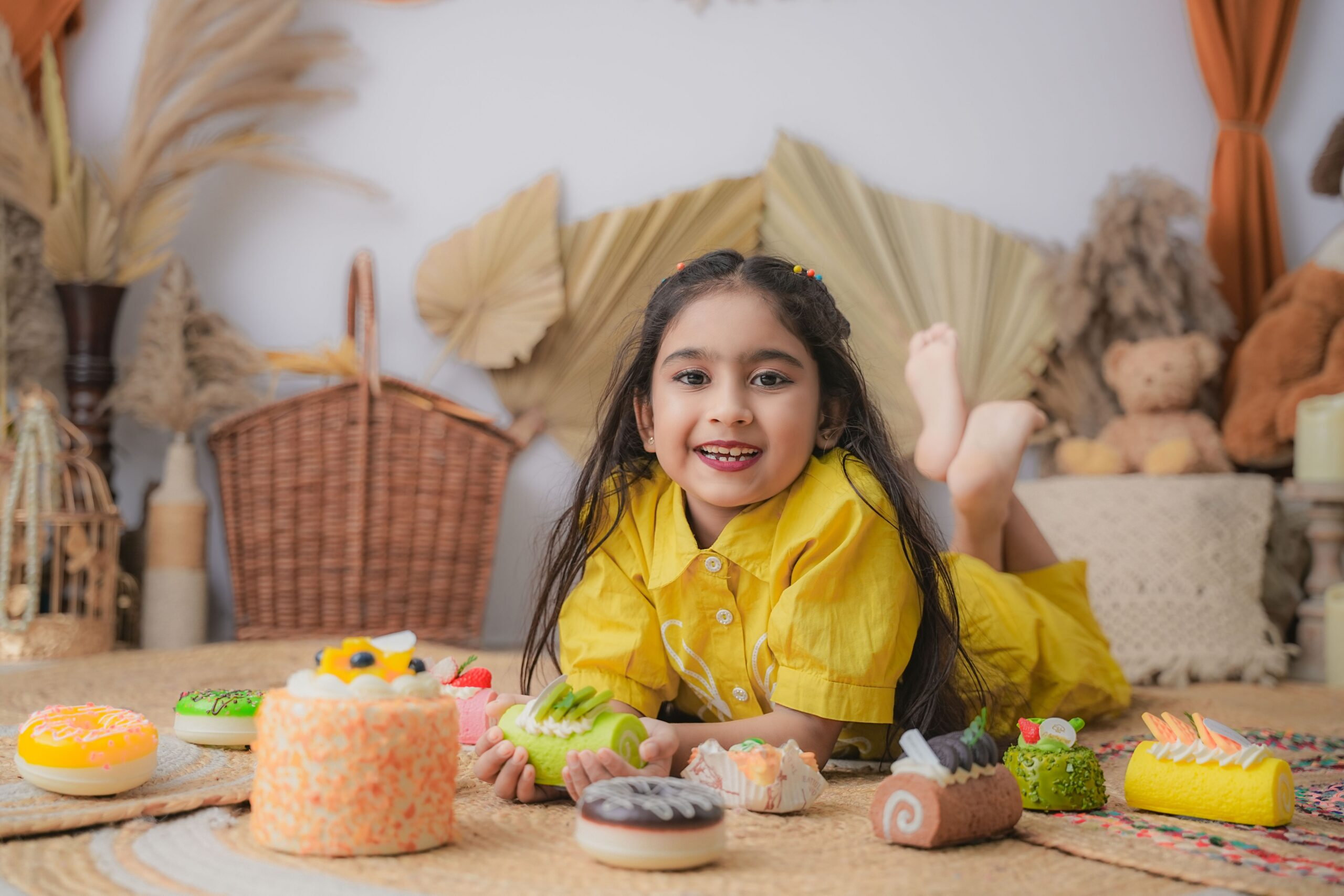
A practical sourcing guide to custom squishy toys: TPR, silicone and filled constructions, safety standards, cost drivers and the OEM/ODM workflow from sample to…
Air dry clay and polymer clay look similar on the shelf but behave very differently once you are sourcing them at scale. This guide…
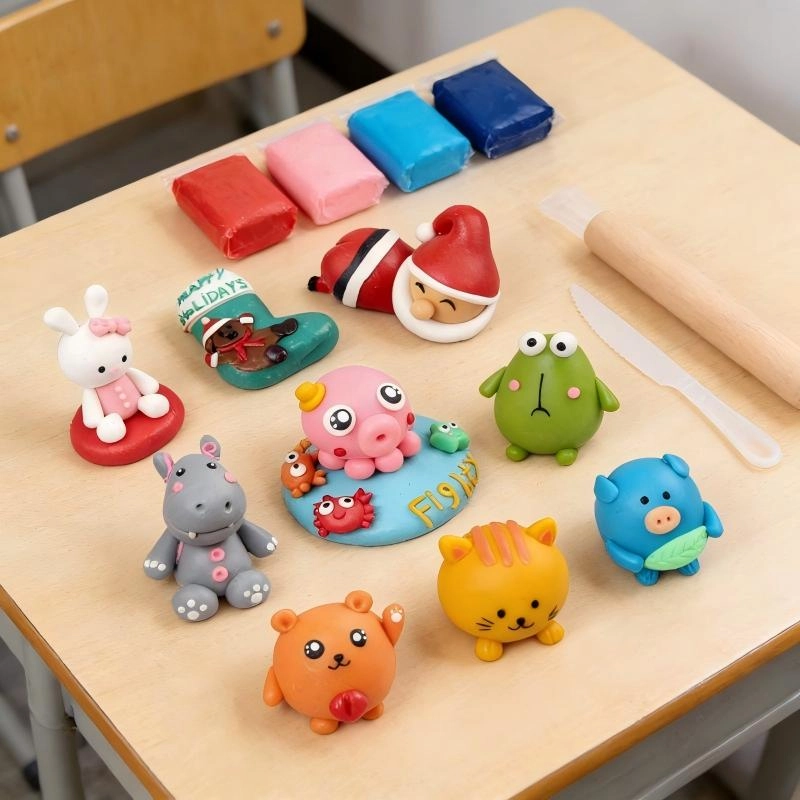
💡 A Growing Trend in Classrooms Walk into any kindergarten or art studio today, and chances are you’ll find air dry clay on the shelf. It’s…
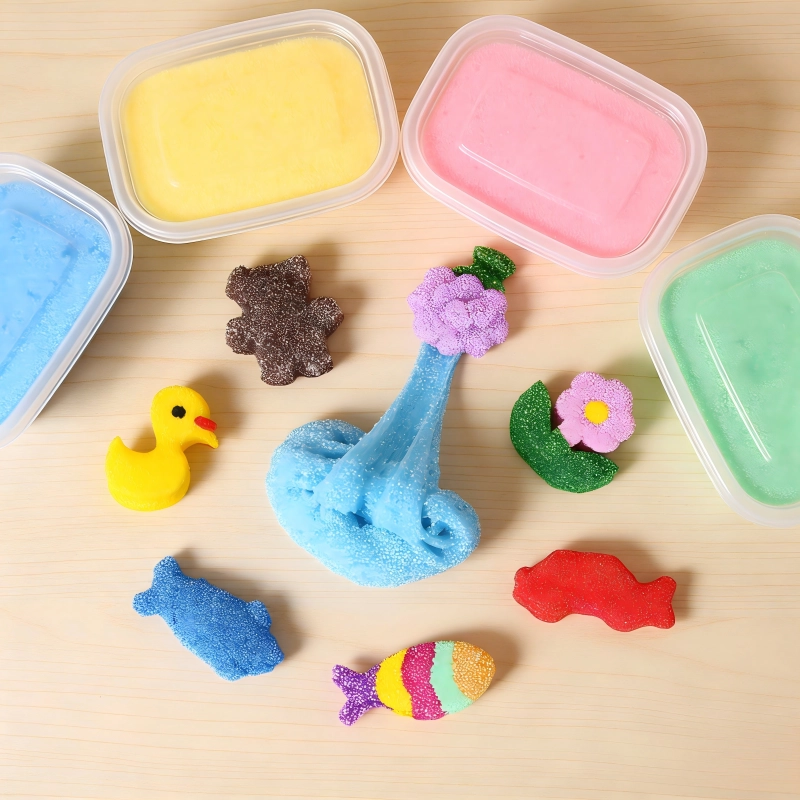
🎯 More Than Just a Squeeze Foam clay is soft, stretchy, and full of tiny bubbles. You can pull it, shape it, stick it on…
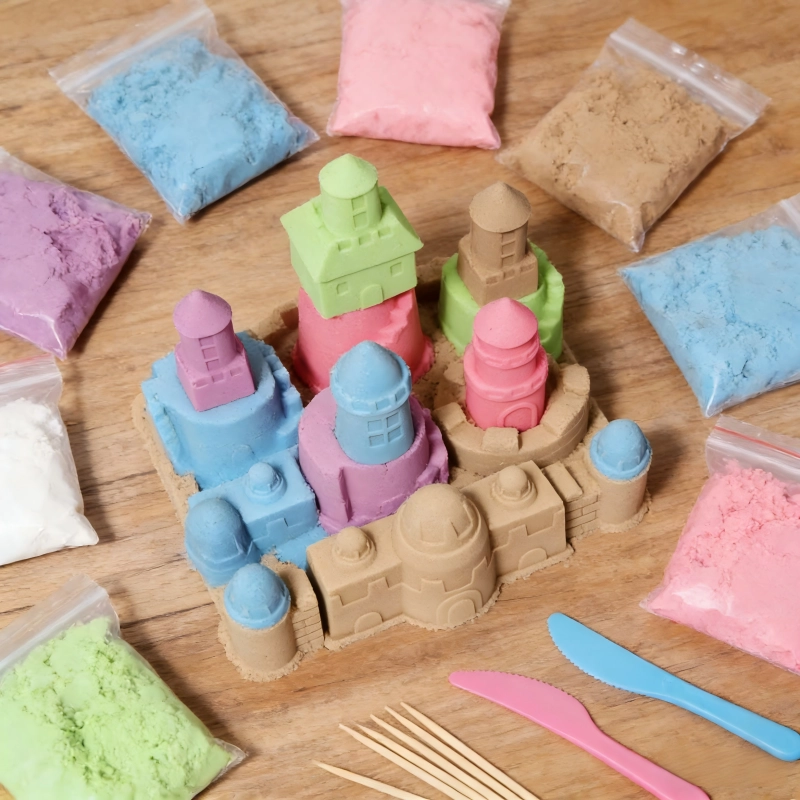
🌟 More Than Just Sand Castles When you think of sand play, what comes to mind? Sand castles. Buckets. Shovels. ☀️ But magic sand can do so…

💭 The Problem Nobody Talks About Let’s be honest. Life is stressful. Work deadlines. Traffic jams. Kids crying. Bills to pay. The news. The to-do…
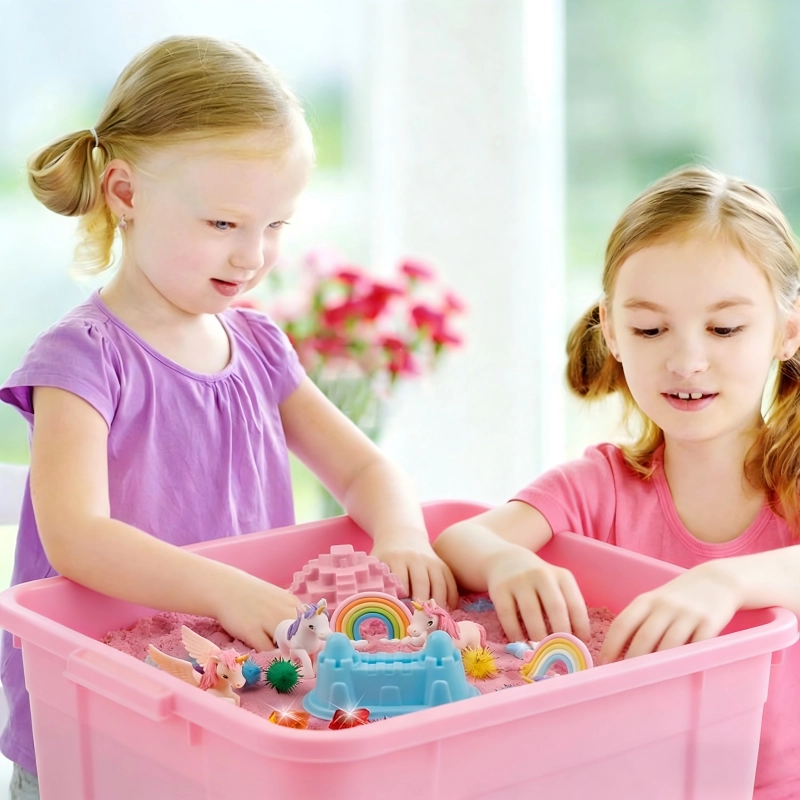
💡 What Is a Sensory Bin? A sensory bin is simply a container filled with materials that kids can touch, scoop, pour, and explore. 👐 Think…

💭 Why Do Parents Care About Slime Safety? Slime is one of the most popular sensory toys for kids. But as a parent, it”s…
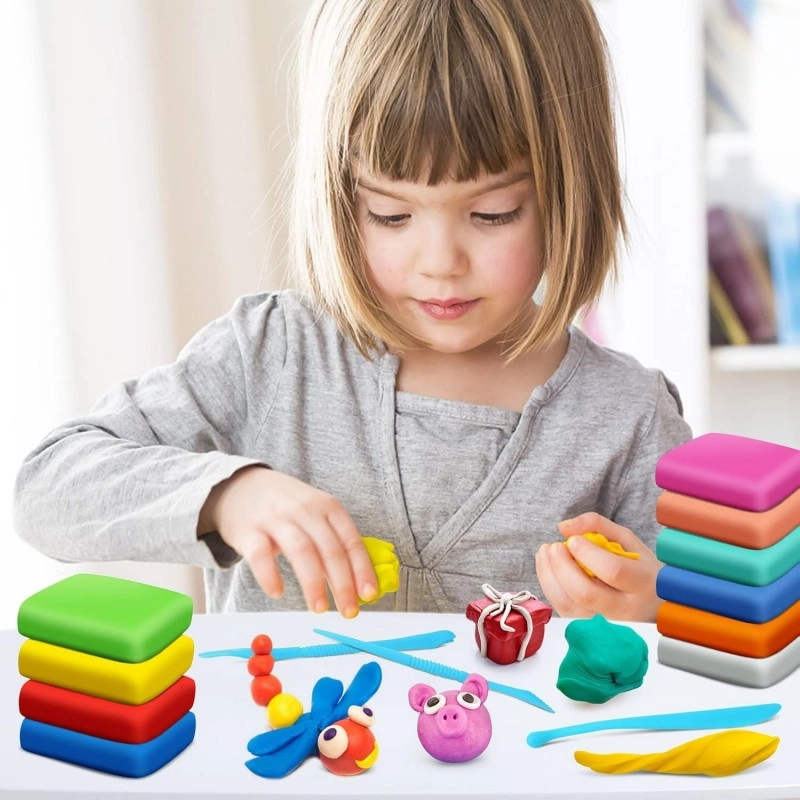
🧐 Why Does Air Dry Clay Crack? Air dry clay cracks when it dries too fast ⚡ or unevenly. As water evaporates, the clay shrinks. If the…
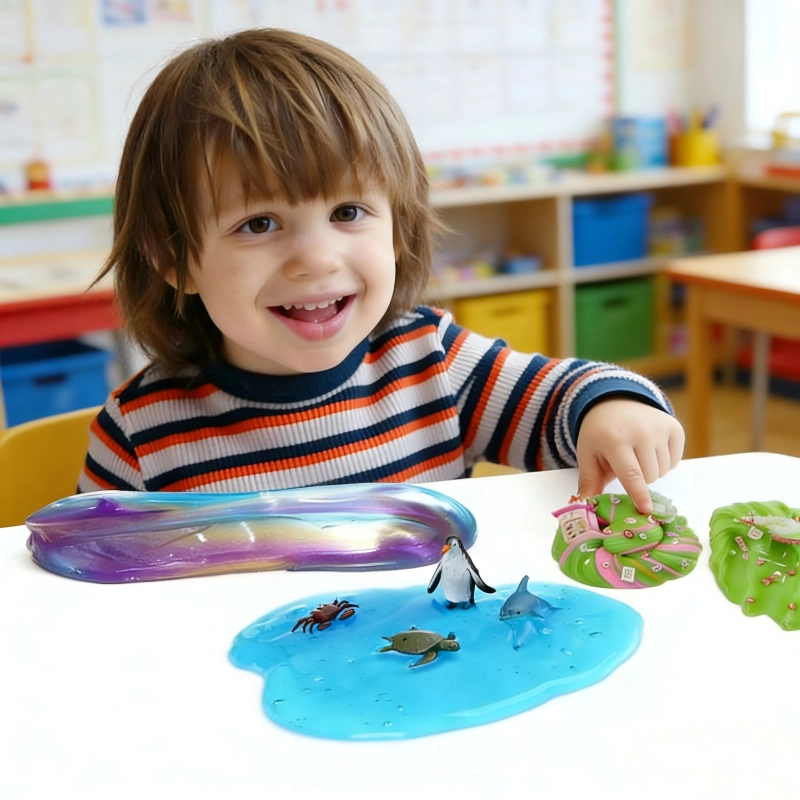
🤔What Is Slime? Slime is a soft, stretchy, and squishy play material. 👐It”s also called “crystal slime”, “butter slime” , or “jelley slime” depending…
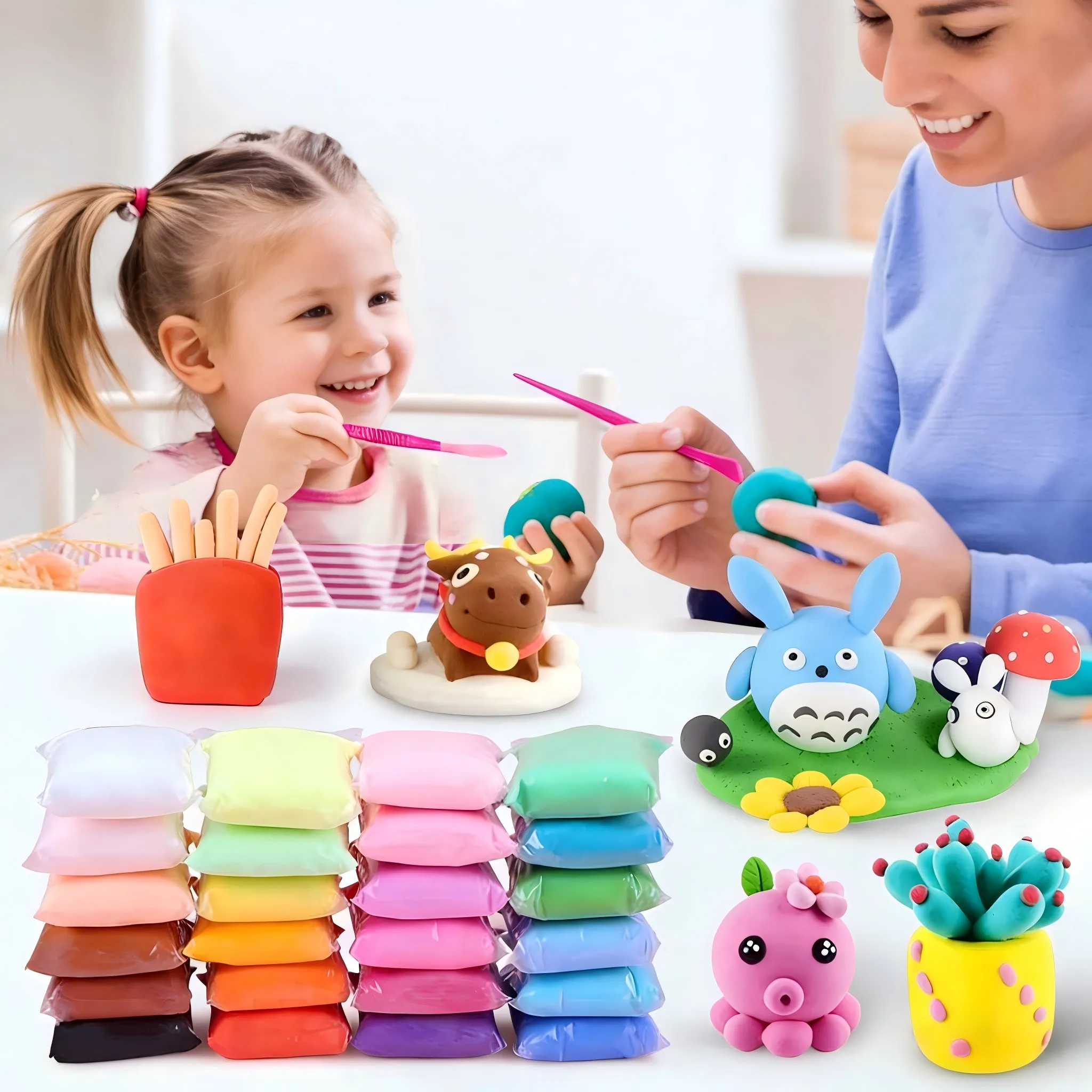
What Is Air Dry Clay? It’s a soft modeling clay that dries naturally in the air — no baking needed. Perfect for kids’ crafts,…