


An EU importer’s obligations do not end when the container lands; in many respects they begin there. Market surveillance authorities in every member state can ask for documentation on any toy offered for sale, and the response window is short. The importers who handle those requests calmly are the ones who assembled a complete document pack before the goods shipped, with every page traceable to the batch sitting on the pallet.
The pack is not one document. It is a set, and the set has to be complete and internally consistent, because the fastest way to turn a routine request into a problem is a test report that names a different material from the one inside the carton.

What the Pack Contains
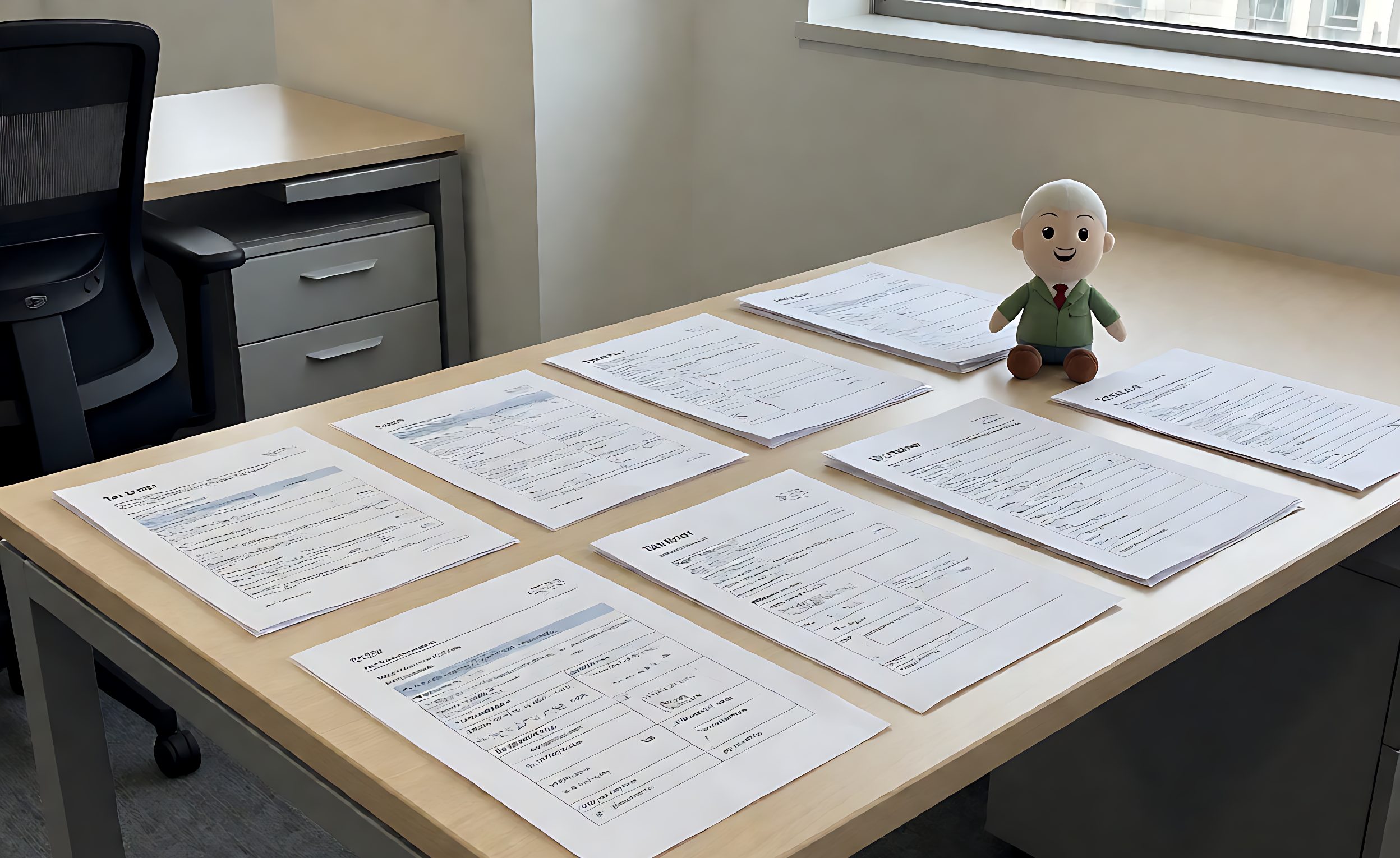
For toys placed on the EU market, the core set has five components:
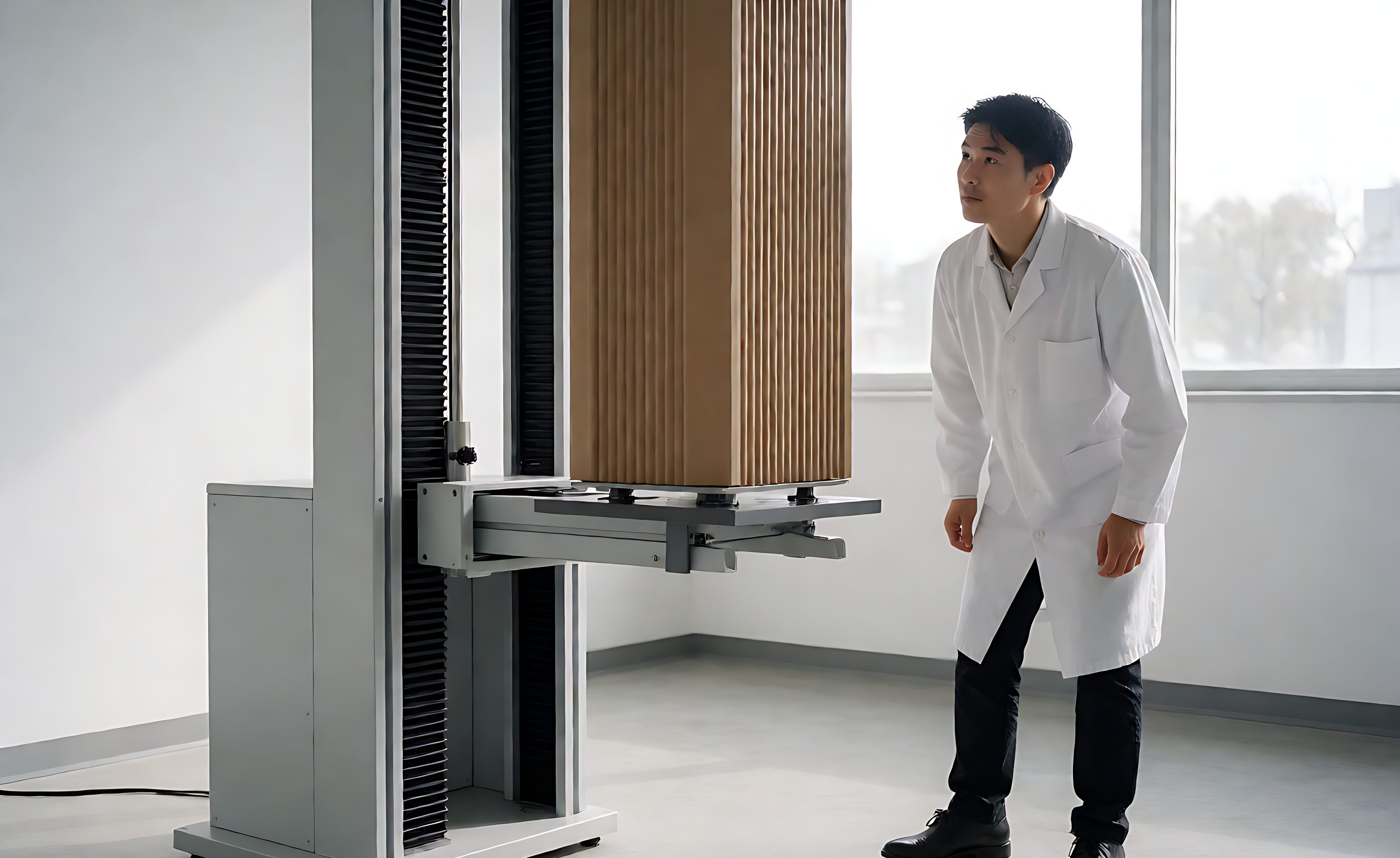
- Test reports against EN 71 parts 1, 2 and 3 as the baseline, plus any additional part the product’s features trigger, issued by a laboratory accredited for that scope.
- The EU Declaration of Conformity, signed by the manufacturer or by the importer acting as manufacturer, listing the directives applied and the standards used to demonstrate conformity.
- Technical documentation: design drawings, a bill of materials, the hazard assessment behind the age grade, and production descriptions showing how the tested design becomes the shipped product.
- Traceability information: manufacturer and importer names and addresses, batch or serial marking on the product or its packaging, and the link between a batch code and the report it was produced under.
- Labelling evidence: the CE mark applied correctly and legibly, and the warnings present in the languages the destination market requires.
Each element answers a different reviewer’s question. Customs looks at markings on the carton; market surveillance reads the file; a retailer’s compliance team wants both, plus confirmation that the laboratory was accredited for the tests it issued.

Consistency Is the Real Test
Most document failures are not missing pages; they are contradictions. A report tested against one formulation while the bill of materials names another. A Declaration of Conformity signed by an entity that appears nowhere on the label. A batch code printed on the master carton that appears in no record the factory keeps. Reviewers are trained to look for the seam between documents, because that seam is where a non-compliant product hides.
The practical discipline is a cross-check before shipment. Pick three claims on the Declaration of Conformity and verify that each one is supported by a report, reflected in the technical file, and visible on the artwork. Pick the batch code on a random carton and ask the factory to name the report it maps to within minutes. If either exercise fails, the pack is not ready, and neither is the container.
Who Signs What, and When
Where an importer places a toy on the EU market under their own name, the importer carries manufacturer obligations, including drawing up the Declaration of Conformity and holding the technical file. Many buyers assume the factory’s paperwork transfers automatically; it does not. The factory’s reports are inputs, but the duty to assemble and retain the file sits with whoever’s name is on the product.
Timing matters as much as ownership. Reports commissioned after bulk production are too late to influence the design, and re-testing a failed toy after the container has sailed turns a laboratory finding into a market withdrawal. The sequence that works is simple: freeze the specification, test the pre-production sample, approve the artwork and the pack, and only then release bulk. Document assembly belongs on the same calendar as sample approval, not on the shipping calendar.
Retailer onboarding uses the same pack. Chains that require vendor compliance files in practice ask for exactly these components, so a well-built pack serves customs, surveillance and retail qualification without rework.

Технический контекст
The harmonised baseline for EU toys is the EN 71 series, whose parts cover mechanical and physical properties, flammability and the migration of certain elements. Affixing the CE mark on the basis of that file is governed by CE marking rules, which require the technical documentation to support the marking. The underlying obligations are set out in the Toy Safety Directive, which is what the pack exists to evidence.
Keeping the Pack Alive
A document pack is not a one-time artefact. Formulation changes, new material suppliers, revised standards and additional production sites all touch it. Importers who survive surveillance visits keep a living index: report numbers, revision dates, the batch ranges each file covers, and the artwork versions each set of warnings applies to. When a request arrives, the answer becomes a lookup rather than a scramble.
Schedule an annual review even without changes. Accredited laboratories update methods, harmonised standard lists move, and a report that was current when signed can quietly fall out of scope. A short yearly audit of the pack costs less than one week of a stopped listing.
Assembling the pack starts with certification evidence, covered in руководстве по сертификации EN71, ASTM и CPC, and the lab budget behind it in toy testing budget and timeline planning. Warning text on the pack itself is treated in путеводителе по классификации по возрасту и предупреждающим меткам, and the multilingual layout of labels is planned in the multilanguage packaging guide.
Частые вопросы
Нужен ли мне отчет EN71 для каждой SKUs?
Reports follow the tested design and materials, not the catalogue. Similar SKUs sharing one design and material set can often sit under one report, but each distinct formulation or structure needs its own coverage.
Кто хранит техническое досье — завод или я?
Whoever places the product on the EU market under their own name. If that is the importer, the importer holds the file, even when the factory keeps its own copies.
Достаточно ли отчета, выданного заводом?
Only if it names the actual production material and batch and was issued by an accredited laboratory. Generic reports covering “similar products” do not satisfy surveillance authorities.
Что проверяется в первую очередь при запросе рыночного мониторинга?
Usually the Declaration of Conformity, the CE marking and the warnings, then the traceability link between the batch and the test report. Inconsistencies surface quickly.
Как долго документы должны храниться?
Ten years after the product was placed on the market, which is why a dated, indexed archive matters more than a single binder.
Нужно ли новому批次у новое тестирование?
Not automatically, but any change in material, supplier or process does. Batch traceability exists precisely so unchanged production can rely on the existing report.
Can the DoC be signed before bulk production?
It can be drafted then, but it should be issued once the product as produced is confirmed to match what was tested, and it must reference the standards actually applied.
Вопросы по безопасности и документации обычно возникают вместе с коммерческими. Если вы проверяете, что поставщик должен предоставить перед заказом, FAQ по sourcing и MOQ охватывают типичные случаи, а ODM/OEM development показывает, как тестирование и одобрения встраиваются в этап образцов.