



MOQ conversations fail when both sides argue a number instead of a model. A factory quoting 500 units per SKU and a factory quoting 2,000 units per product family are not being generous versus strict; they are describing different production economics. Understanding which model sits behind a quotation tells a buyer what the factory can actually flex, where the real minimum is, and which assortment structure the price was built on.
Neither model is universally better. The right question is which one matches the assortment you are trying to buy.

What Drives a Per-SKU Minimum
Per-SKU minimums exist because each distinct SKU carries costs that do not shrink with quantity:
- Changeover time: switching colour, print plate or packing variant idles the line, and that idle cost spreads over the run.
- Material minimums: pigment, film and packaging suppliers sell in minimum lots, and a short run strands the difference.
- Quality ramp: the first hours of any run carry higher defect risk, so very short runs raise the defect percentage the factory must absorb.
- Administrative load: each SKU is a set of records, labels and inspection points regardless of its size.
This is why a per-SKU minimum rarely negotiates to zero. The factory can move it down by absorbing costs, but only so far before the order becomes unprofitable at the quoted price. What looks like stubbornness is usually arithmetic.
What a Product-Family Minimum Buys
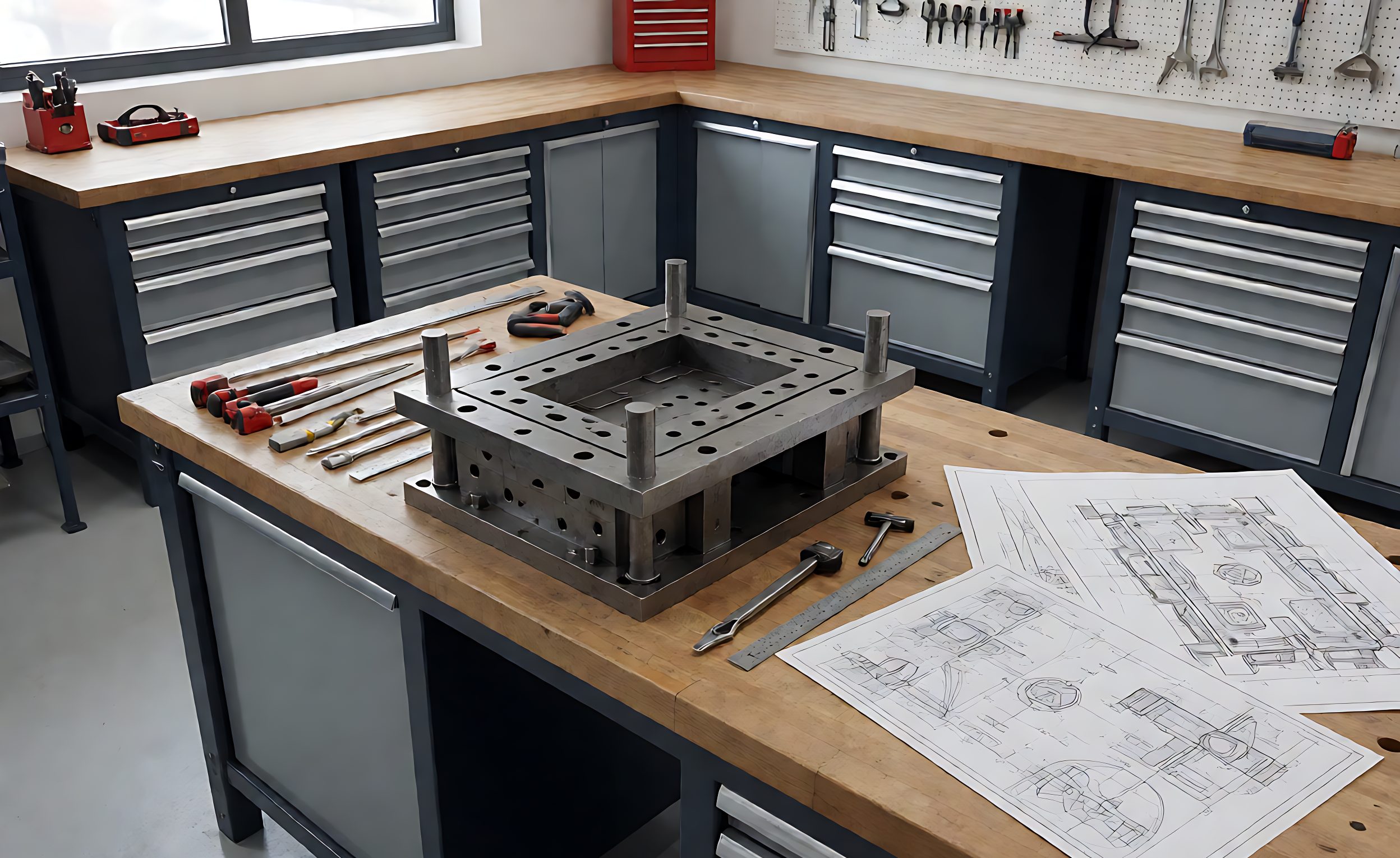
Family minimums work differently. Where SKUs share a platform – the same mould with different colours, the same body with different print, the same formula with different packaging – the factory’s setup cost is incurred once, and each SKU adds only its changeover and material minimum. The family minimum therefore reflects the platform cost, and individual SKUs inside it can run in quantities that would never stand alone.
For the buyer this is the tool that finances assortment breadth. A twelve-SKU sensory line at 150 units each may be impossible under a per-SKU rule of 500, and entirely reasonable under a family minimum of 2,000 with a per-SKU floor of 100. The same total quantity, arranged differently, unlocks a range a single-SKU buyer could not carry.
The Trade-Offs Each Model Imposes
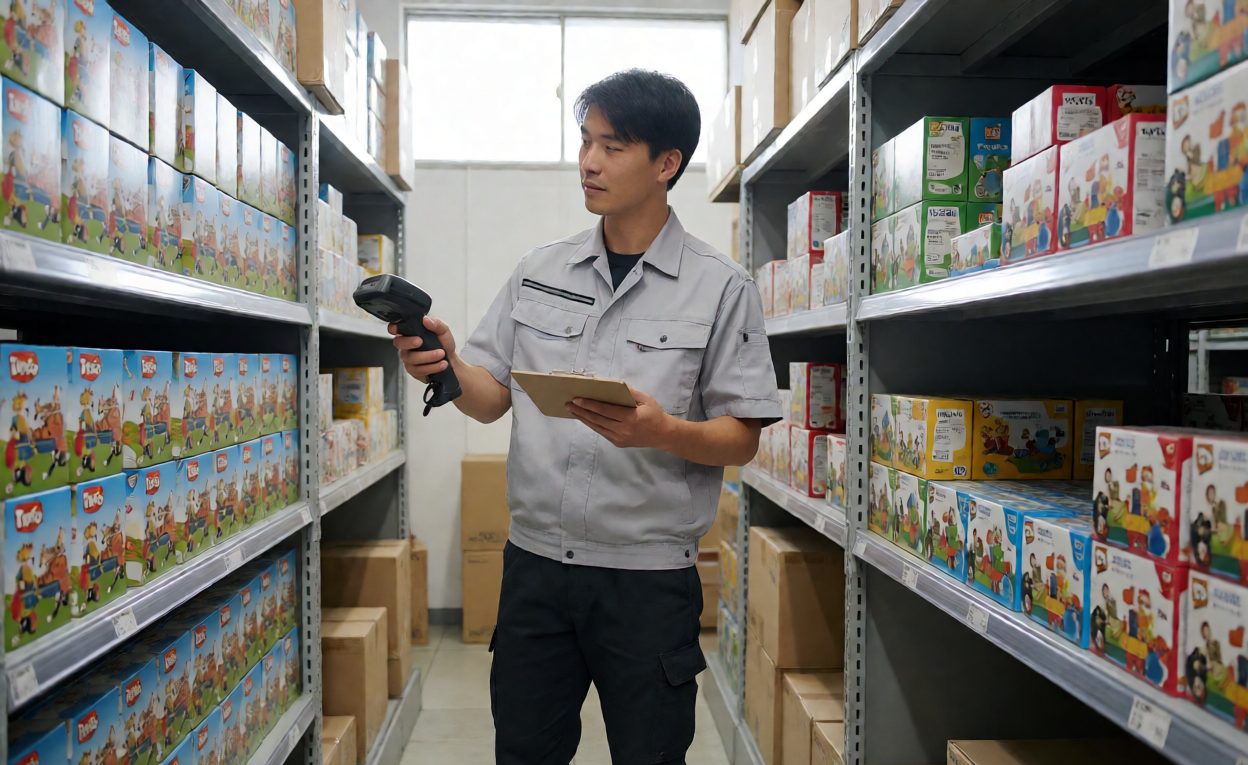
Per-SKU models push buyers toward depth: fewer SKUs, more units each, safer container loading, simpler receiving, but a thinner assortment on the shelf and more exposure if one design misses. Family models push toward breadth: more designs, faster market feedback across the range, but more SKUs to track, more label variants, and slower inventory turns on the tails.
Cash and cube behave differently too. Family buying spreads risk across designs but concentrates cash in a single production window; per-SKU buying lets a buyer stage orders line by line, at the cost of paying changeover economics repeatedly. Container utilisation follows the same pattern – uniform cartons tile efficiently, mixed family cartons waste a few percent of cube, a cost the buyer should price into the comparison rather than discover at loading.

Antecedentes técnicos
The term itself is defined under minimum order quantity, and the unit it counts is the stock keeping unit, the level at which inventory and production are actually tracked. The cost behaviour behind both models is classic economies of scale, where fixed costs per unit fall as volume rises.
Negotiating Inside the Model
Ask the factory to state which model the quotation uses and what the per-SKU floor is inside any family minimum. Then negotiate the structure, not just the number: shared tooling you pay for once, a colour run sequence that minimises changeovers, a family minimum split across two deliveries, or a pilot family order with the balance scheduled against sell-through. Each of these trades a cost the factory actually has for flexibility the buyer actually wants.
The MOQ structure interacts directly with mixed container planning in combining categories to meet MOQ efficiently, and with tooling economics in mould and tooling ownership costs. Seasonal range building under a family model is planned in the seasonal assortment planning guide, and bespoke ranges under private label follow the same logic as the private label OEM guide.
A closing practical note: write the agreed basis into the purchase order itself, not into an email thread. A line reading “MOQ 1,000 units per SKU family, mixed across listed variants, minimum 150 units per variant” prevents most of the arguments this article describes, because it converts an understanding into a term both sides can point to when memories differ. And when the range changes – a variant added or dropped – revisit the clause rather than assuming it carries over, since a family definition that no longer matches the catalogue is worse than having none at all.
Preguntas Frecuentes
¿Puede un MOQ familiar sustituir por completo los mínimos por SKU?
Rarely. Factories keep a per-SKU floor – often a fraction of the standalone minimum – because each variant still consumes changeover time and material minimums.
¿Qué modelo se adapta a un comprador nuevo que prueba un mercado?
A family minimum with a low per-SKU floor, because it buys breadth for market feedback while keeping any single miss small.
¿Por qué la fábrica no está dispuesta a reducir el mínimo por SKU?
Because changeover, material minimums and early-run defects are fixed costs per run, and below a certain quantity the quoted price stops covering them.
¿Afecta el MOQ familiar al precio unitario?
Often favourably at family level, since setup spreads across the platform, though very small per-SKU runs may carry a small surcharge to cover changeovers.
How does MOQ model affect container loading?
Deep single-SKU cartons tile efficiently; family breadth mixes carton sizes and costs a few percent of cube, which belongs in the comparison.
Can I split a family MOQ across two shipments?
Frequently, yes, if production allows staged runs. Confirm whether the second delivery prices at the original quotation or at a current one.
What should I confirm in writing about MOQ?
The model used, the family minimum, the per-SKU floor, whether mixed SKUs count toward both, and what happens to shortfalls at packing time.