


Magnets are the clearest example of a hazard whose severity depends on arithmetic. A single swallowed magnet is an emergency; two swallowed magnets drawn together across a loop of bowel is a surgical one, and the injuries it causes are severe enough that magnet ingestion has its own clinical pathway and its own recall history. For an importer, that asymmetry is why magnet products attract scrutiny out of proportion to their unit cost.
The standards respond to it directly. Both the European and the American toy standards treat high-powered magnets as a distinct category with their own strength threshold, their own construction requirements and their own warning language, and a product that was compliant before a magnet was swapped in is not automatically compliant afterwards.
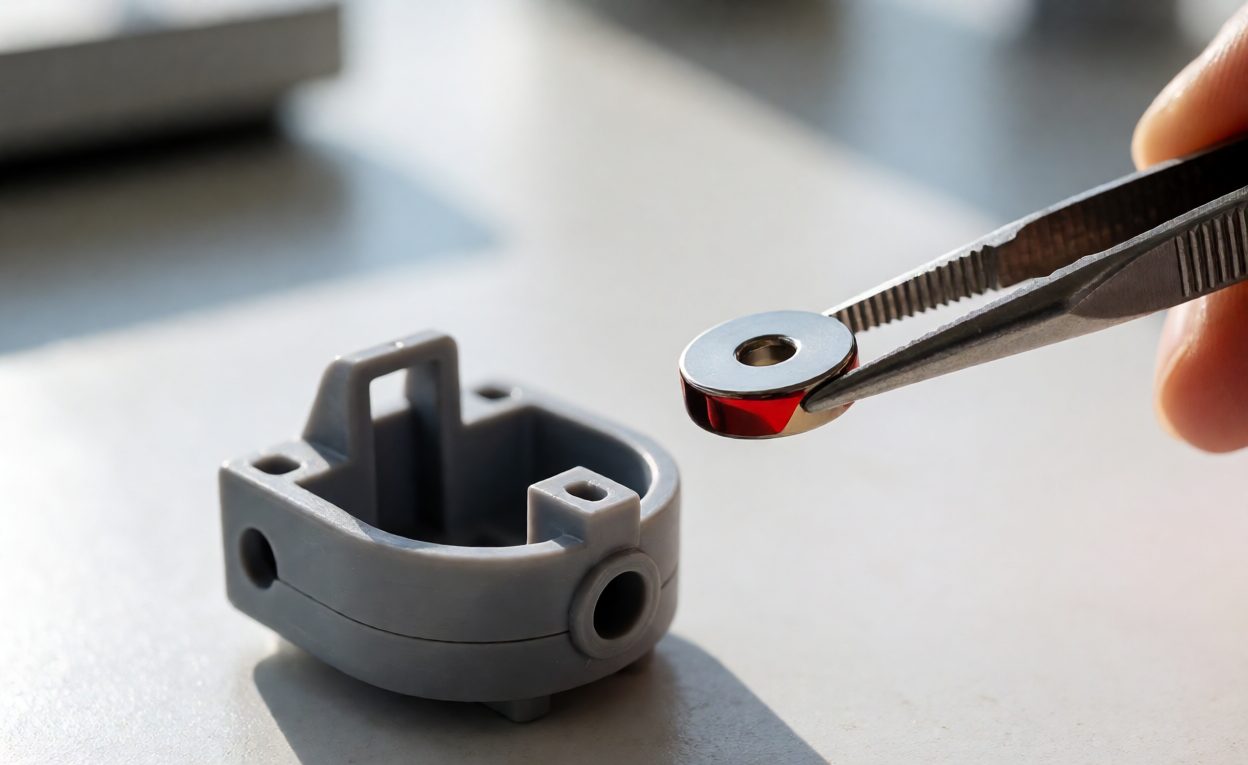
Strength Is Measured, Not Claimed
Magnet strength is expressed as a magnetic flux index, and the standards set a threshold above which a magnet is treated as high-powered. That has four consequences in production:
- A certificate is required: the magnet supplier should provide a flux index value per lot, because a purchase order that says only “strong magnet” cannot be verified against any limit.
- Small size matters: a high-powered magnet small enough to be swallowed carries the strictest treatment, since it can be ingested in pairs without any product failing mechanically.
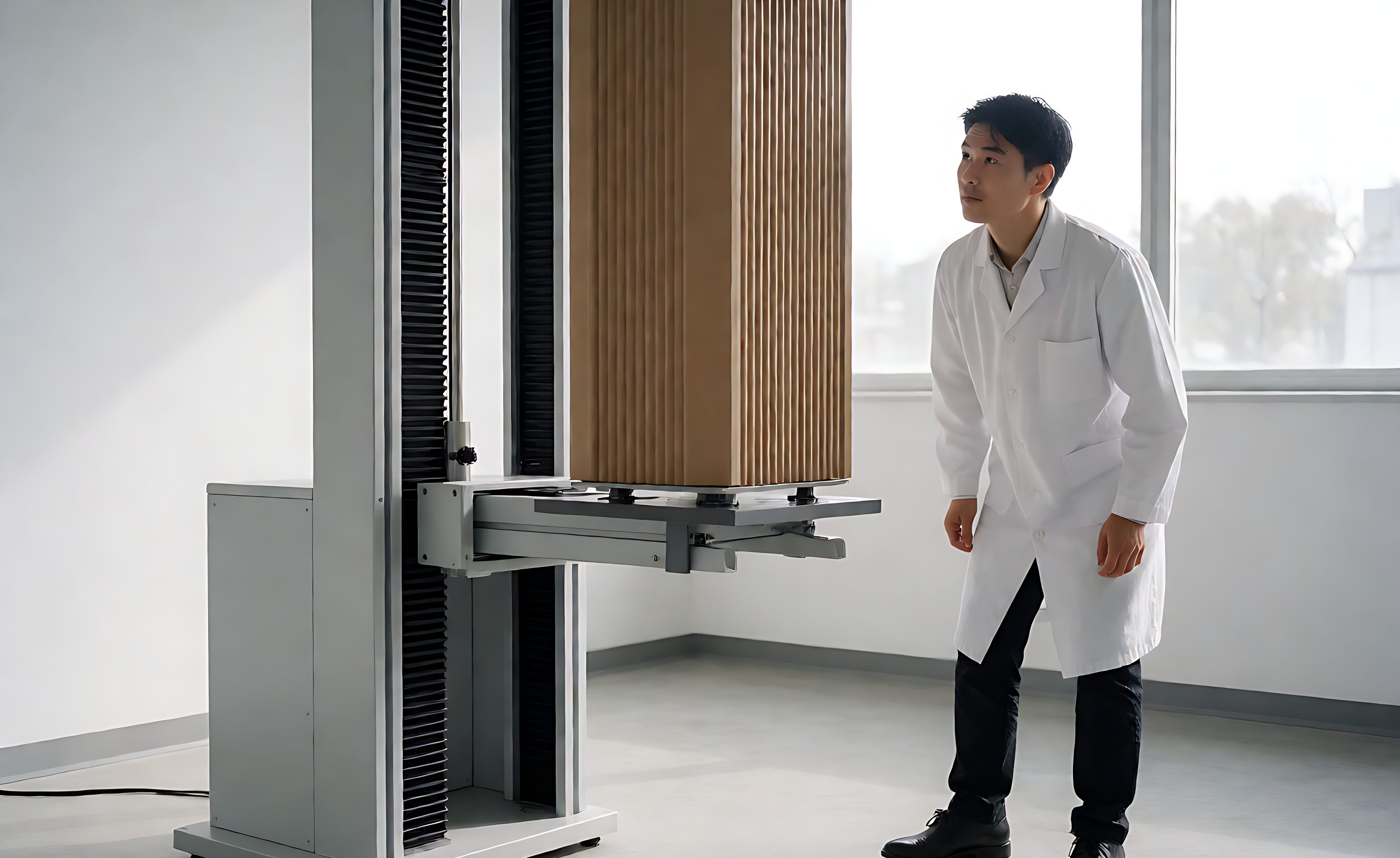
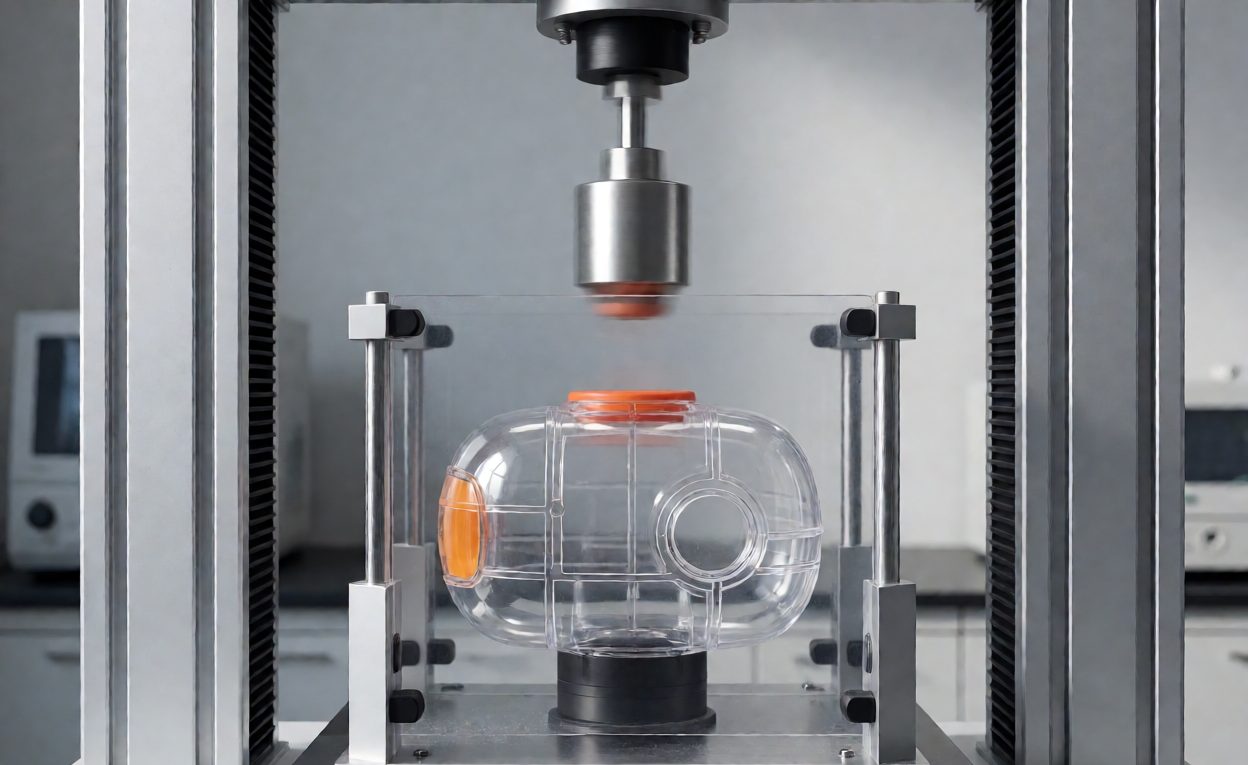
- The housing must survive: a magnet held inside a sealed housing is only as safe as the housing, so the assembly is tested by impact, drop and compression, not merely inspected.
- Warnings are required: where the product is intended for older children, the magnet hazard warning appears on the pack, and it is a compliance item rather than marketing copy.
The practical instruction to the factory is to treat the magnet as a controlled component with a specification, an incoming certificate and a stored sample per lot, exactly like a battery or an electronic part.

How Magnet Products Fail
Recall data clusters around two mechanisms. The first is detachment: a magnet glued into a housing, or captured by a snap-fit cover, releases during reasonably foreseeable use, and the released magnet then meets another one elsewhere in the toy set. The second is housing failure: the plastic shell cracks under a drop, a child’s bite or a foot, and the contents are exposed. In both cases the toy looked intact on the sample the buyer approved, which is why the failure is nearly always a use-and-abuse finding rather than a visual one.
A third mechanism is quieter and belongs to the supplier, not the toy. Magnet grades drift between lots, and a substitute that is nominally the same size can arrive with a materially higher flux index. Without an incoming check, a compliant product becomes non-compliant without any visible change, and the next laboratory test is how the change is discovered.
What to Write on the Purchase Order
The specification that prevents most of this is not long. State the magnet grade and the maximum flux index, with a per-lot certificate from the magnet supplier. State the housing material and its wall thickness, and require that the housing be a single sealed assembly rather than a cover held by a light snap fit. Require an attachment pull test at a stated force where magnets are bonded, and require the housing to be impact tested as part of the product’s use-and-abuse sequence.
Then add inspection. Metal detection or a magnet count check on the finished unit catches a missing magnet, which is a functional defect, and an additional loose one, which is a hazard. Since inspection cannot measure strength on the line, the certificate carries the strength claim.
Технический контекст
The component itself is the familiar magnet, but the strength that makes modern toy magnets hazardous comes from rare-earth materials described under neodymium magnet, which is why a small part can carry a large field. The consequence for the market is the product recall, the instrument through which most magnet hazards become public and most importer costs are incurred.
Managing the Recall Exposure
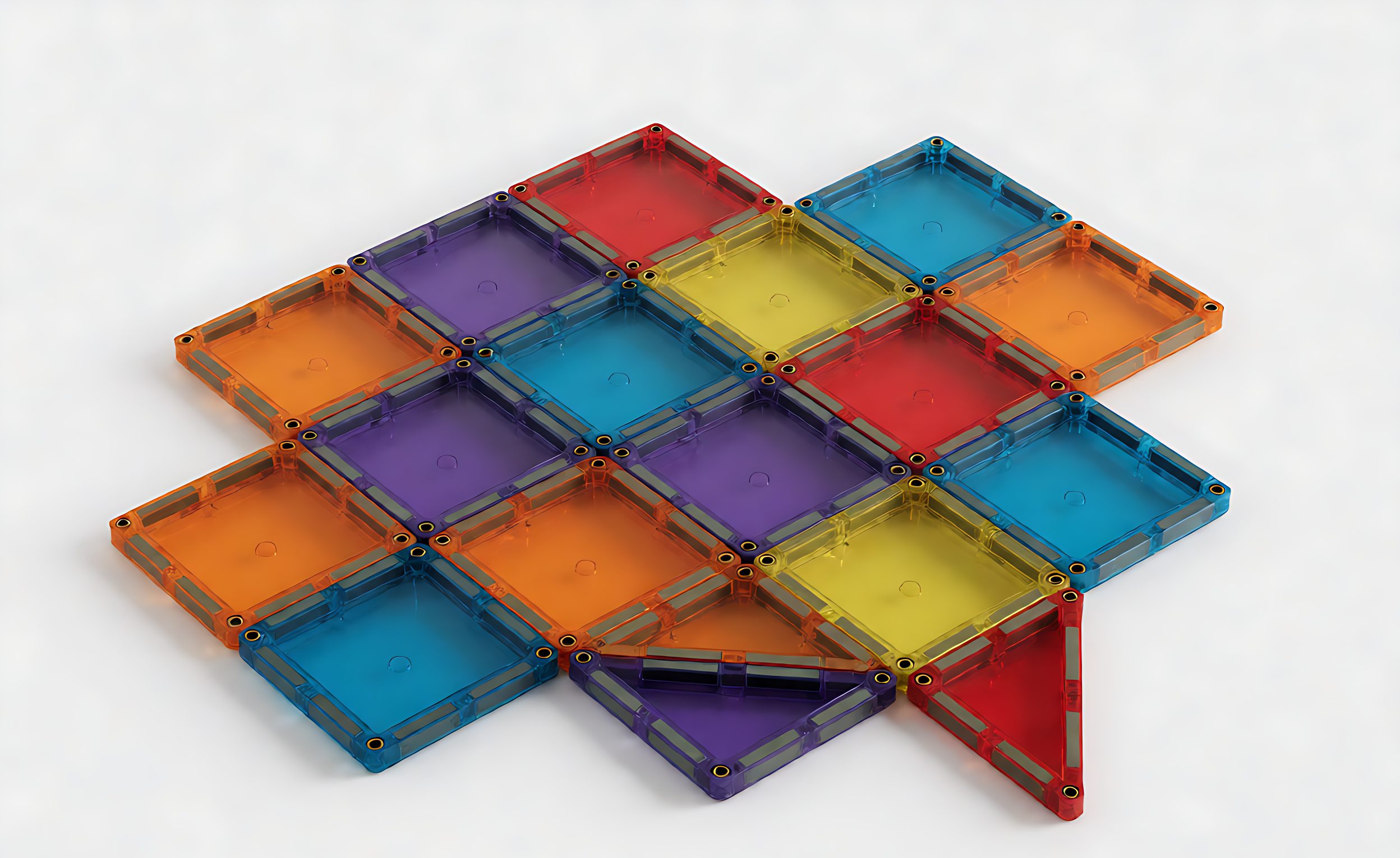
Recall exposure rises with product type. Construction sets, puzzle balls, magnetic jewellery and fidget products concentrate many magnets in one article, and each additional magnet raises the chance that a released pair ends up in the same place. Buyers in this category should hold three documents before bulk: the magnet supplier’s flux certificate, the laboratory report covering the assembled product including the use-and-abuse sequence, and the approved artwork carrying the required warning.
Warranty planning matters as much as testing. A magnet recall is expensive not because the units are costly but because the remedy usually involves a public notice, a consumer response route and a replacement product, so the notification route should be settled before the first container.
The reporting obligations that follow an incident are set out in the recall readiness and liability guide, and the certification scope around this component in руководстве по сертификации EN71, ASTM и CPC. The housing and fastener discipline is the same one described in the battery compartment access spec, and holding the approved build across a run follows the golden sample approval workflow.
Частые вопросы
Почему магниты более опасны, чем другие мелкие детали?
Two or more swallowed magnets can attract through tissue and cause serious injury, so a pair is treated as a different hazard from a single swallowed part.
Что такое индекс магнитного потока?
The measured strength value used in the standards. Above the stated threshold a magnet is treated as high-powered and the additional requirements apply.
Is a magnet sealed inside a housing still a hazard?
Only if the housing survives use and abuse testing. A housing that opens in a drop, a bite or an impact releases the magnet inside it.
What drives most magnet recalls?
Magnets detaching from the product or housings splitting under reasonably foreseeable use, followed by an ingestion incident and then the recall.
Can a weaker magnet be substituted to pass?
It usually removes the product’s function as well. The correct fix is housing strength and attachment, not a weaker magnet that no longer plays as designed.
What should the purchase order state about magnets?
Magnet grade and maximum flux index with a supplier certificate, housing material and wall thickness, an attachment pull test, and a finished-unit magnet count or metal detection step.
How are magnet toys inspected before shipment?
A pull test on each magnet housing, a housing impact check on samples, and a magnet count or metal detection step so a missing or extra magnet is caught on the line.
Вопросы по безопасности и документации обычно возникают вместе с коммерческими. Если вы проверяете, что поставщик должен предоставить перед заказом, FAQ по sourcing и MOQ охватывают типичные случаи, а ODM/OEM development показывает, как тестирование и одобрения встраиваются в этап образцов.