


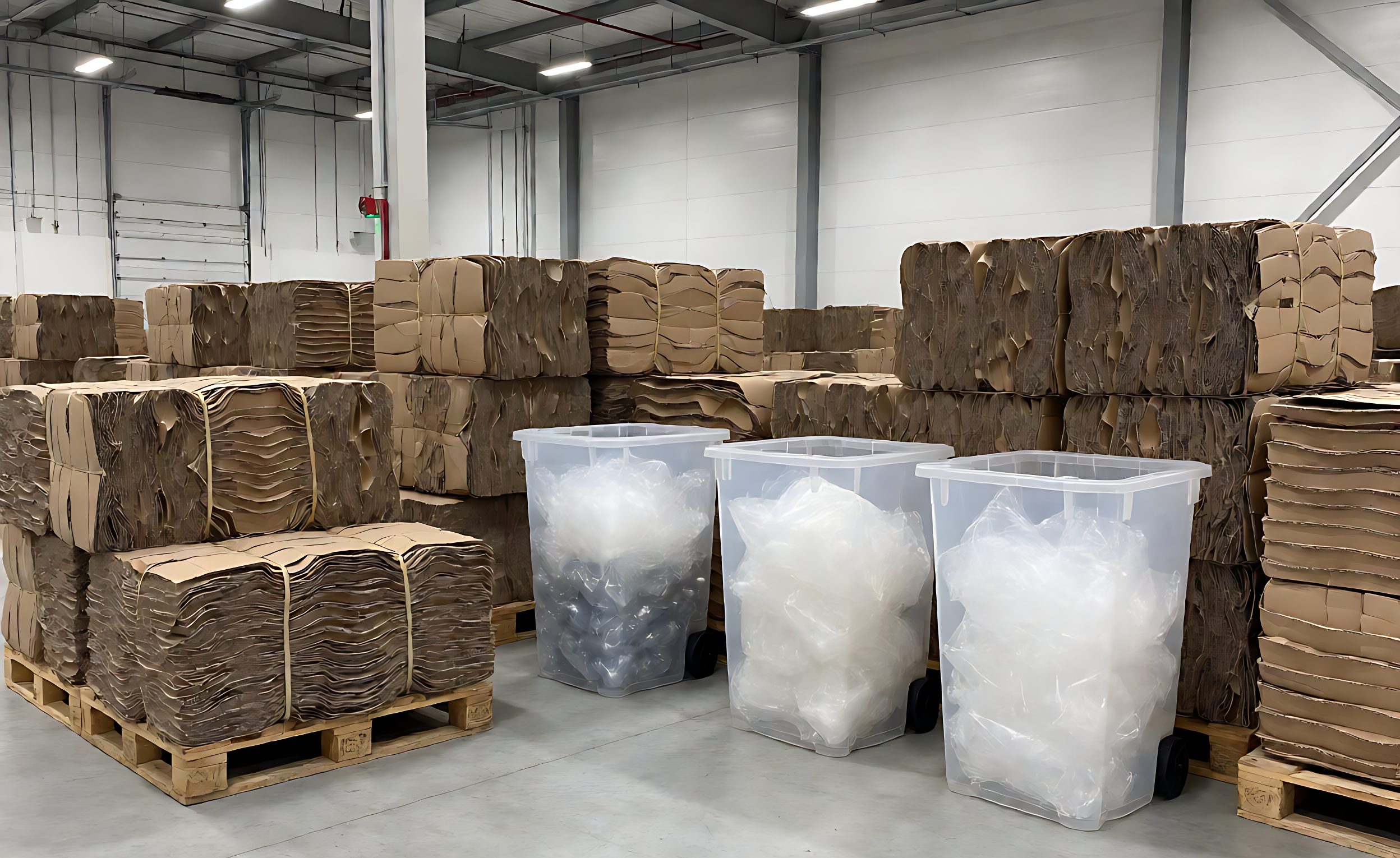
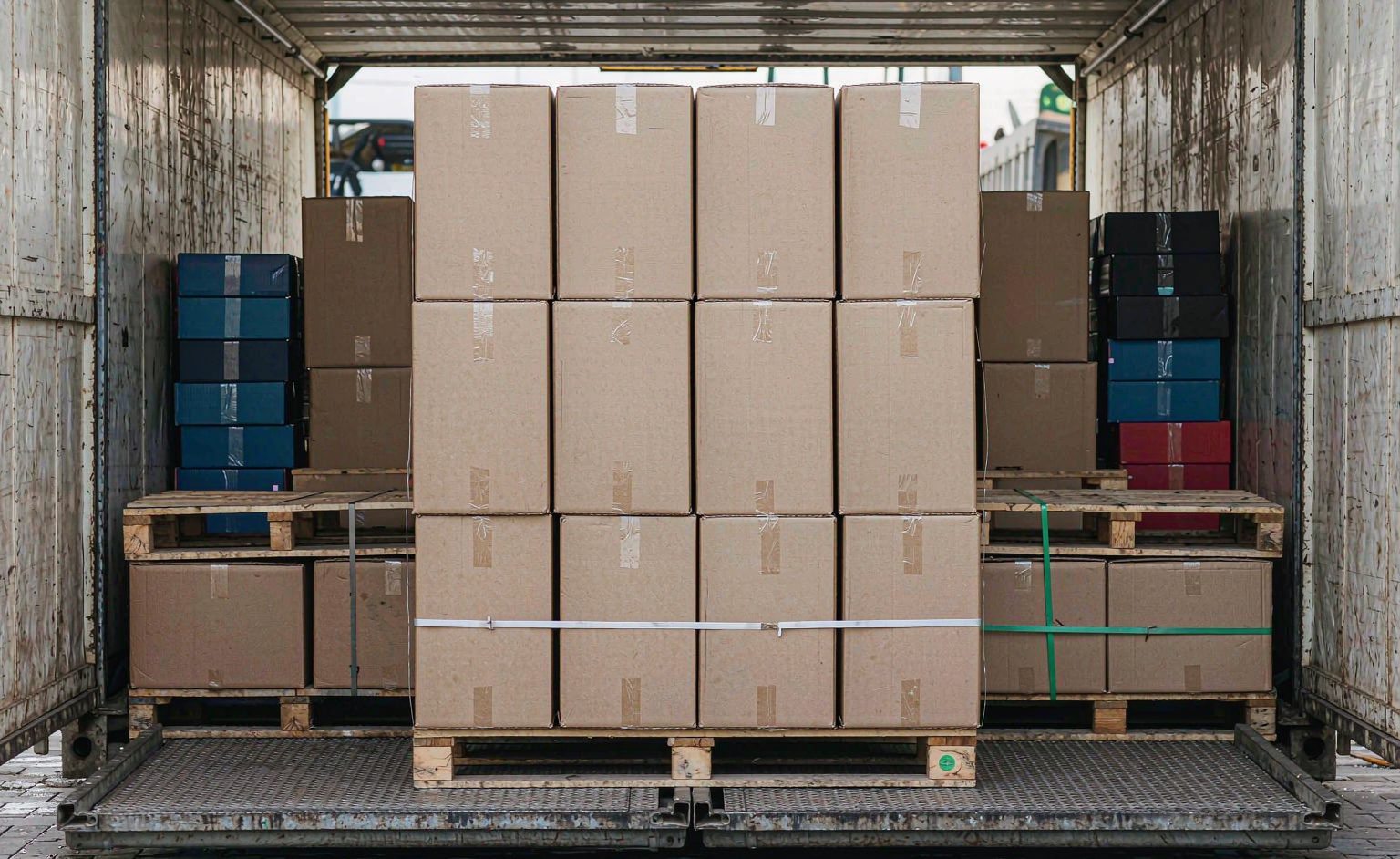

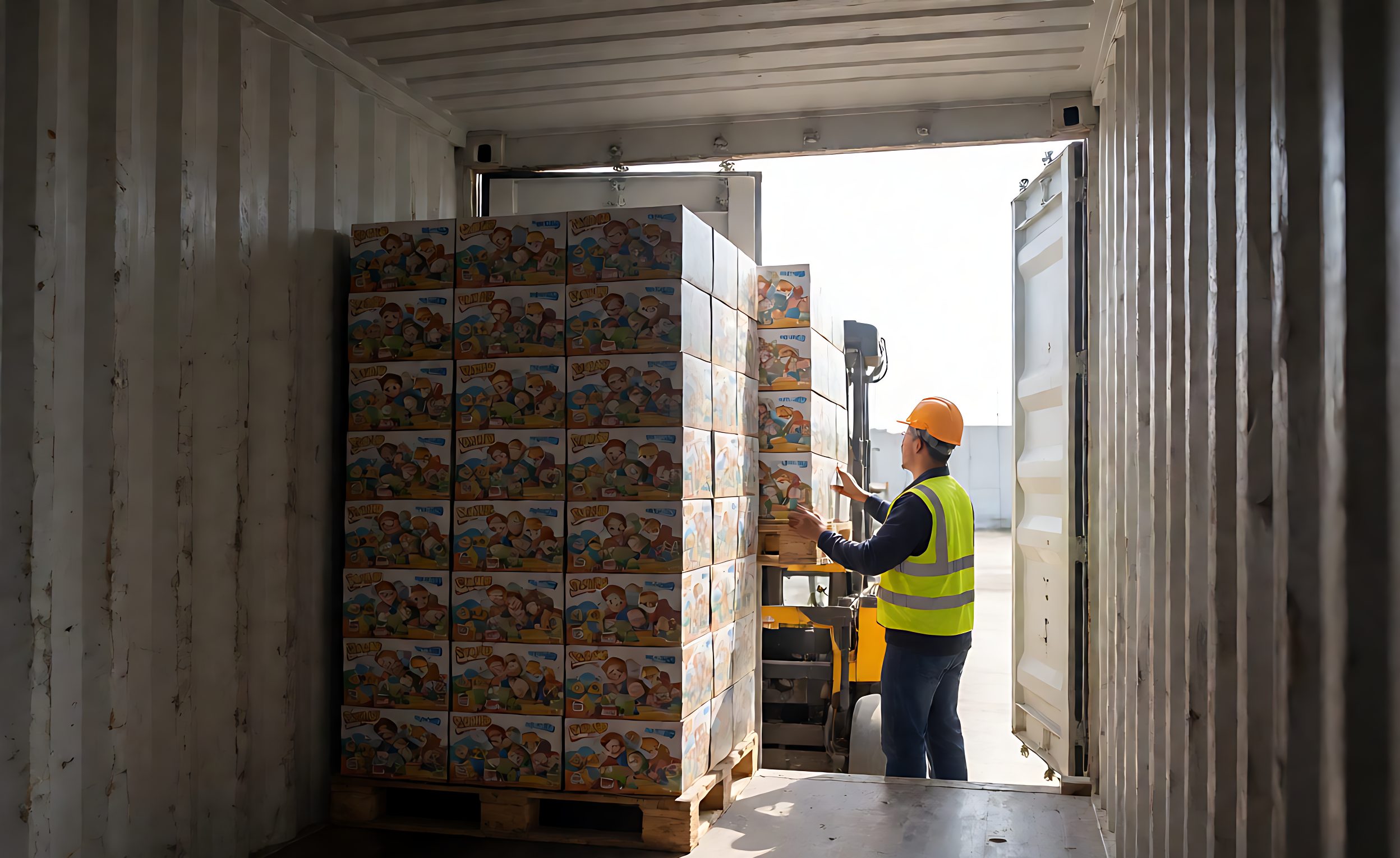
A buyer asking for a price per unit usually gets a number built on an assumed order quantity. A buyer asking how many units fill a container gets something better: the quantity at which freight per unit is actually optimised, which is often not the quantity on the quotation. For light, bulky toy products the container fills by volume long before it reaches any weight limit, so cube is the binding constraint and cube is arithmetic.
Doing the arithmetic before ordering changes three decisions: how many units to buy, whether to mix SKUs in one container, and whether a small pack redesign is worth more than a freight negotiation.
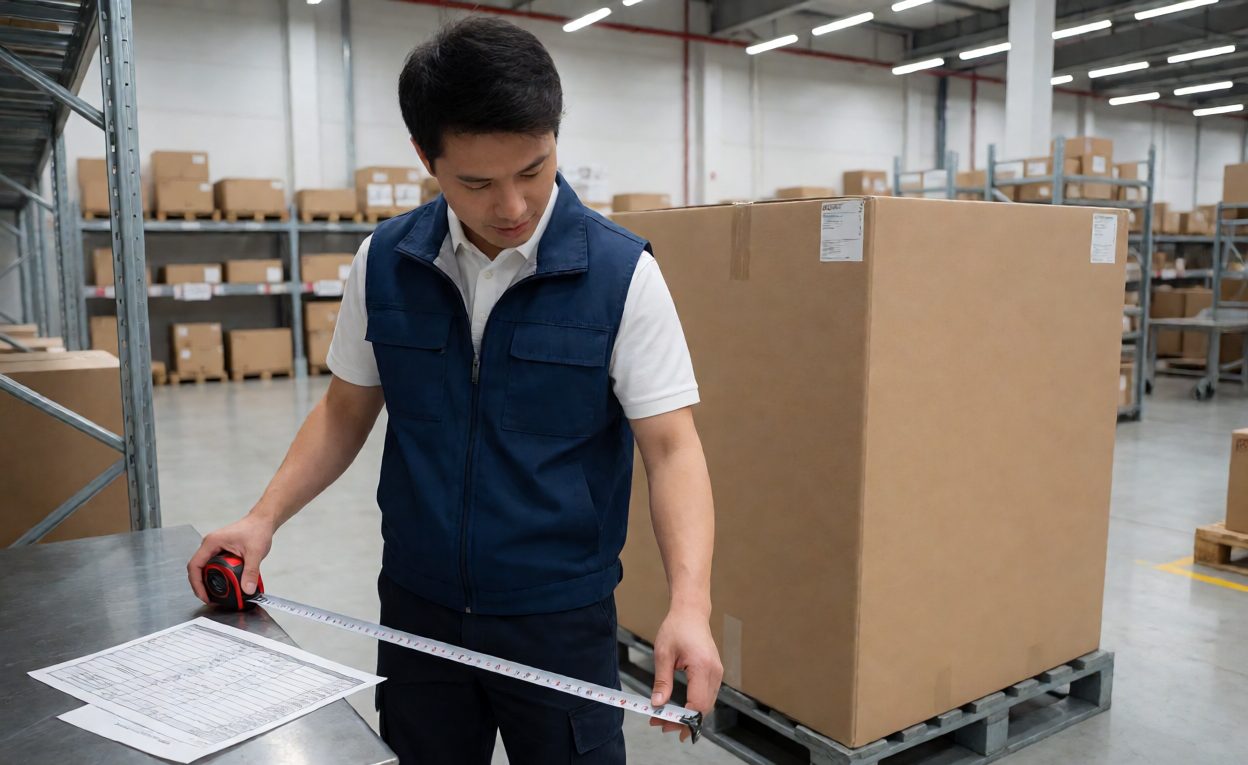
The Calculation
Work from the finished pack upwards, because that is what goes into the carton:
- Pack dimensions in centimetres: length, width, height of the retail unit.
- Units per inner and per master carton, chosen so the carton is full rather than merely legal.
- Master carton dimensions, which the factory should state including any bulge from filling.
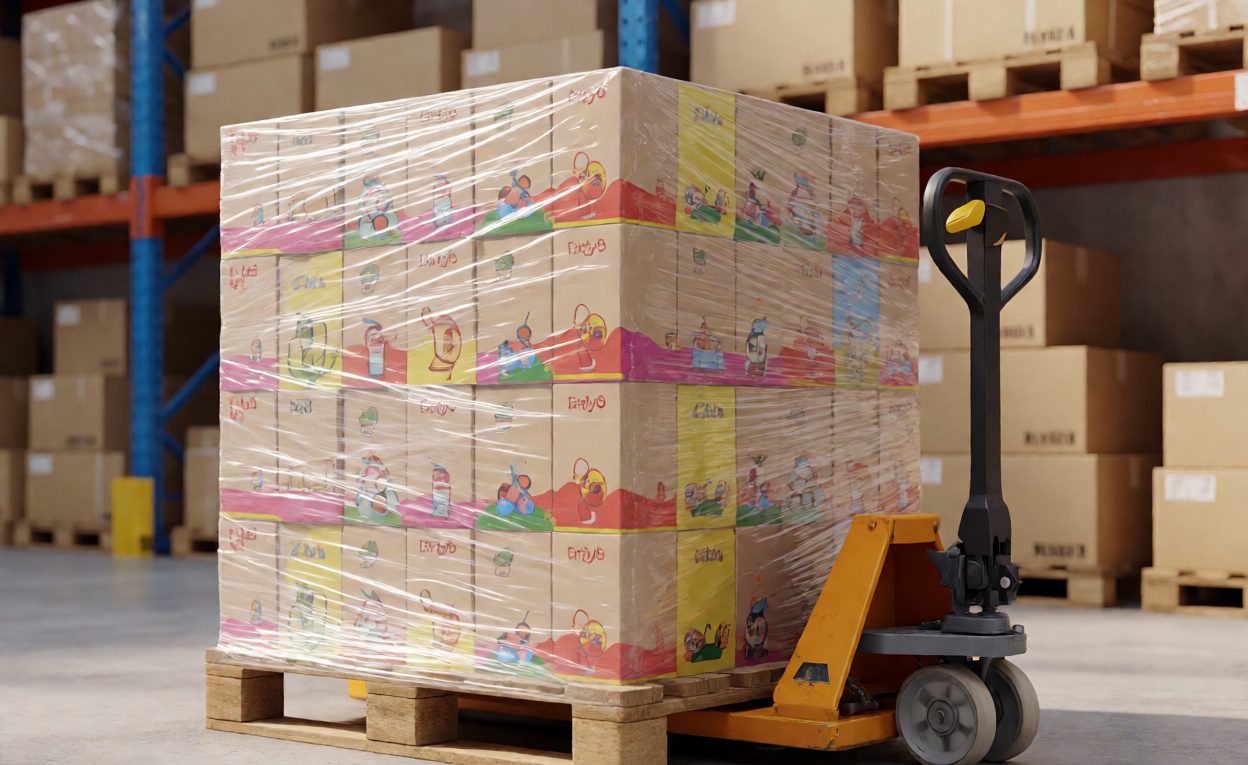
- Cartons per pallet: a layer pattern times the number of layers before the pallet exceeds a workable height.
- Pallets per container, from the container’s internal dimensions.
A standard forty-foot high-cube container has roughly 76 cubic metres of usable space in practice, after allowing for door clearance and the fact that pallets cannot fill every gap. Multiply usable cube by the packing efficiency you actually achieve – typically somewhere between eighty and ninety percent for uniform cartons, lower for mixed sizes – and divide by master carton volume.
Then sanity-check against weight. Toy products are usually light, so the volume limit binds first, but a dense clay or sand product can hit the payload limit before the container looks full.
Where Cube Is Lost
Three patterns account for most of the waste:
- Mixed carton sizes on one pallet. Different footprints cannot tile cleanly, so layers leave gaps and the stack height is set by the worst column.
- An awkward pack dimension. A pack that is a few millimetres too tall to fit an extra row into the carton wastes the same space on every single carton in the container.
- Pallet height chosen by habit. A pallet built to 1.4 metres when the container allows 2.4 wastes a third of the vertical cube.
The first fix is dimensional: ask whether a two-millimetre change to the pack or the carton buys an extra layer. It frequently does, and it is the cheapest freight saving available because it costs nothing per shipment.
Using the Result to Set Order Quantity
Once units per container is known, order quantity stops being a round number and becomes a loading number. Ordering to fill the container rather than to hit a round figure lowers freight per unit directly, and it avoids the common outcome of shipping a part-full container at full cost.
Mixing SKUs in one container is how buyers reach efficient loading without overstocking a single line. The constraint is that mixed pallets waste cube, so the practical approach is to keep SKUs on separate pallets where volume allows, and to consolidate only the slow movers onto mixed pallets at the end of the load.
Технический контекст
Container capacity is expressed in twenty-foot equivalent units, and the physical practice of filling them is described under containerisation. The intermediate layer that decides packing efficiency is the pallet, whose standard footprint constrains every layer pattern above it.
Questions to Put to the Factory
Ask for a packing calculation as part of the quotation rather than after it: units per inner, inners per master carton, master carton dimensions and gross weight, cartons per pallet, and pallets per container. A supplier that cannot produce this quickly is unlikely to have optimised it, and the buyer ends up paying for the gap.
Then verify on the first shipment. Weigh and measure the loaded pallets, compare against the calculation, and adjust the model. The first container is where the assumptions get tested; every container after that should be routine.
Loading quantity connects to объединении категорий для выполнения минимального заказа and to the packaging dimensions discussed in toy retail packaging specifications. Specification discipline for bulk sensory products is covered in the bulk buyer’s specification guide and in specifying piece counts and packaging.
ЧАСТО ЗАДАВАЕМЫЕ ВОПРОСЫ
Сколько кубических метров объём 40-футового высокобокового контейнера?
Around 76 cubic metres of practically usable space once door clearance and pallet gaps are allowed for, against a nominal internal volume that is higher.
Какую эффективность упаковки мне следует принять?
Roughly 80 to 90 percent for uniform cartons on pallets, and less where carton sizes are mixed. Measure the first shipment rather than trusting the estimate.
Обычно игрушки сначала достигают ограничения по весу?
Rarely for light sensory products, where volume binds first, but dense clay or sand products can reach the payload limit before the container is visually full.
Почему имеет значение небольшое изменение в упаковке?
Because it can add a layer to every carton and every pallet on the load, which multiplies across thousands of units at no cost per shipment.
Should I mix SKUs on one pallet?
Only where volume is small. Mixed footprints tile poorly, so keeping SKUs on dedicated pallets preserves cube for the fast movers.
How do I turn this into a freight cost per unit?
Divide the total shipment cost by the number of units actually loaded, not by the number you hoped to load.
Who should produce the loading calculation?
The factory, as part of the quotation. Verify it against the first shipment and keep the corrected numbers for subsequent orders.
If you are moving from calculation to ordering, the канал оптовых поставок игрушек странице приводятся ценовые уровни и производственные мощности, а на каталоге продукции перечислены форматы упаковки и сведения о коробках.